

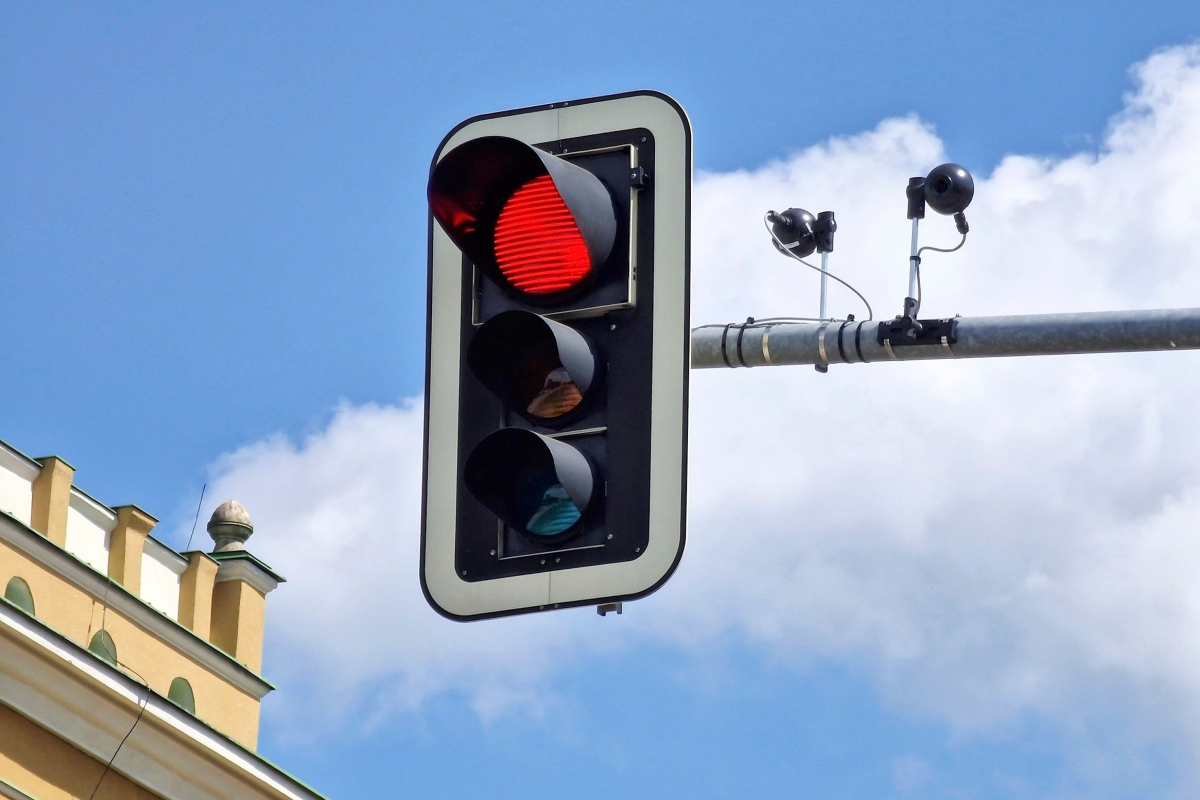
Are Red Light Cameras Legal? A Look at the Laws by State (Australia)
Red light cameras are a familiar part of Australian roads, positioned at busy intersections across the country. But many drivers still wonder: Are red light cameras legal in Australia? And do laws vary between states and territories? In this guide, we explore the legal status of red light cameras in every Australian jurisdiction, explain how they work, and what you need to know to avoid fines. Are Red Light Cameras Legal? A Look at the Laws by State
What Are Red Light Cameras?
Red light cameras are automated enforcement tools that capture images of vehicles entering intersections after the traffic light has turned red. These systems aim to deter dangerous driving behaviour, particularly red-light running, which contributes to severe crashes.
How Do They Work?
These cameras are linked to traffic light systems. When a vehicle crosses the stop line after the light turns red, the camera captures images or video, recording the vehicle’s number plate. The driver (or vehicle owner) then receives a fine by mail.
Types of Offences Captured
- Entering an intersection after the light turns red
- Speeding through an intersection (in some locations, red light cameras also double as speed cameras)
Are Red Light Cameras Legal in Australia?
Yes, red light cameras are legal in all Australian states and territories. However, the operation, placement, and enforcement rules differ slightly between jurisdictions. Below is a breakdown of how each state and territory manages red light cameras.
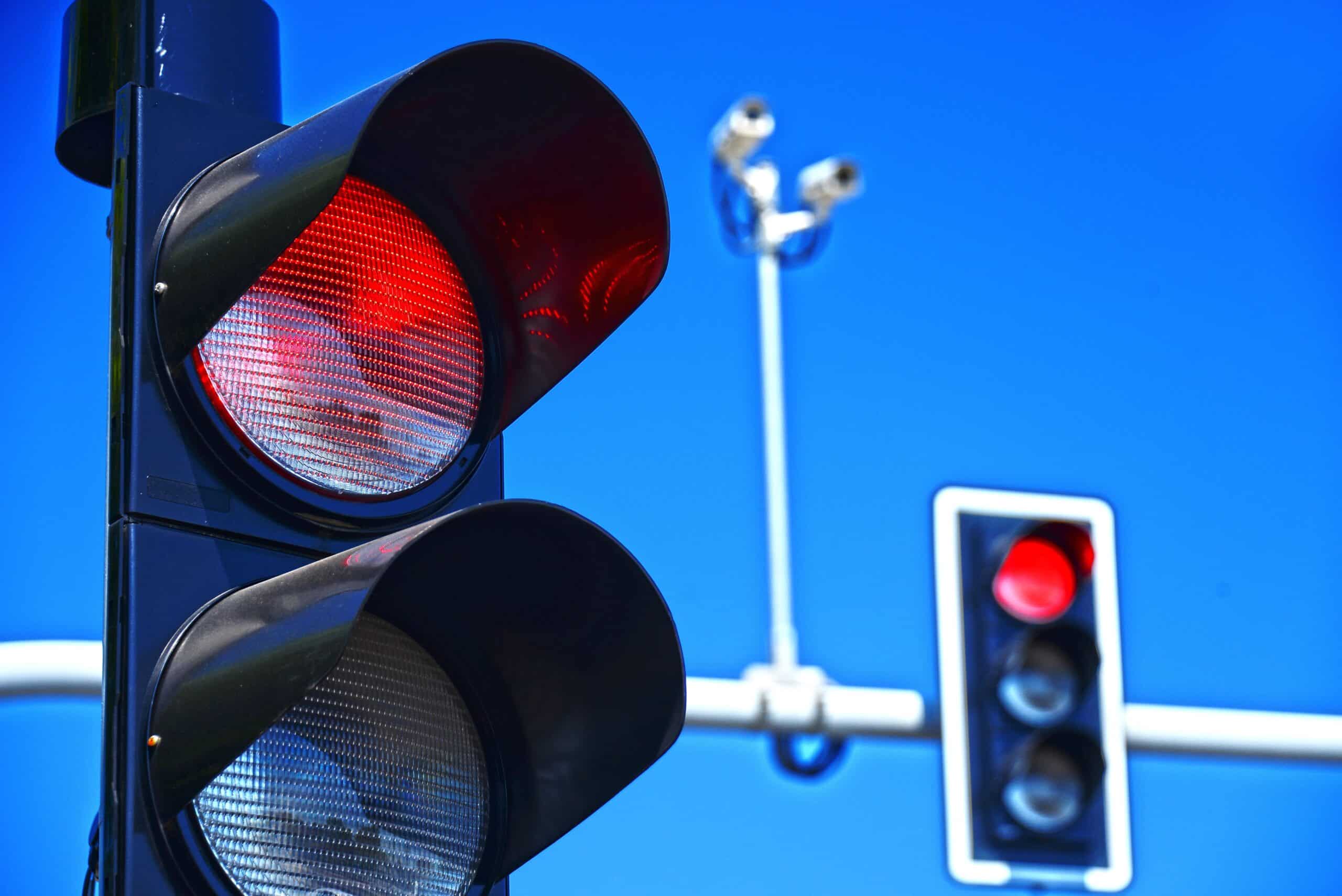
Red Light Camera Laws by Australian State and Territory
New South Wales (NSW)
Red light cameras are widely used across NSW and are often combined with speed detection. The cameras are managed by Transport for NSW. Locations must be published online, and warning signs are required before camera zones.
Penalty: $464 fine and 3 demerit points (as of 2025)
Victoria (VIC)
Victoria has one of the most extensive traffic camera networks in the country. Red light and speed camera offences are strictly enforced. The Road Safety Camera Commissioner oversees fairness and transparency in camera operations.
Penalty: $462 fine and 3 demerit points
Queensland (QLD)
In Queensland, red light cameras are managed by the Department of Transport and Main Roads. Many intersections use combined red light/speed cameras. Warning signs are not legally required, although some locations have them.
Penalty: $464 fine and 3 demerit points
Western Australia (WA)
WA uses both fixed and mobile red light cameras. The WA Police Force manages the operation. The law mandates that fines be issued to the registered vehicle owner unless they can nominate another driver.
Penalty: $300 fine and 3 demerit points
South Australia (SA)
Red light and speed cameras are used throughout metropolitan Adelaide and regional centres. The South Australia Police manage enforcement. There is no legal requirement for signage ahead of camera intersections.
Penalty: $503 fine and 3 demerit points
Tasmania (TAS)
Tasmania uses fewer red light cameras compared to larger states, but they are still present at key intersections. Managed by the Department of State Growth, Tasmania focuses enforcement in urban areas like Hobart and Launceston.
Penalty: $346 fine and 3 demerit points
Australian Capital Territory (ACT)
The ACT uses combined red light and speed cameras. They are overseen by the Justice and Community Safety Directorate. Locations are published publicly, and warning signs are present in most cases.
Penalty: $451 fine and 3 demerit points
Northern Territory (NT)
The NT has a small number of red light cameras, mainly in Darwin. Enforcement is handled by NT Police. The use of cameras has been expanding in recent years due to increasing road safety initiatives.
Penalty: $300+ fine and 3 demerit points (varies)
Are Warning Signs Required?
Whether or not warning signs are required depends on the jurisdiction. For example:
- Required: NSW, ACT (mostly)
- Not required: VIC, QLD, SA, WA
However, many jurisdictions voluntarily install signs to promote deterrence rather than revenue collection.
What Happens If You Get a Red Light Fine?
Receiving the Notice
Red light camera fines are issued by mail to the registered owner of the vehicle. The notice includes the date, time, and location of the offence, as well as photographic evidence.
Contesting the Fine
If you believe the fine was issued in error, you can request a review or appeal the matter in court. Valid reasons may include stolen plates, incorrect vehicle identification, or medical emergencies.
Demerit Points & License Suspension
All states apply 3 demerit points for a red light offence. Accumulating too many points within a set period may result in license suspension.
Do Red Light Cameras Improve Safety?
Studies across Australia show red light cameras reduce T-bone crashes and high-speed intersection collisions. However, some evidence suggests they may increase rear-end crashes due to drivers braking suddenly to avoid fines.
Public Perception
While most Australians support road safety measures, some view red light cameras as revenue-raising tools rather than safety initiatives. Transparency, signage, and proper oversight help improve public trust.
Summary Table: Red Light Camera Penalties by State
| State/Territory | Fine Amount | Demerit Points | Signage Required? |
|---|---|---|---|
| NSW | $464 | 3 | Yes |
| VIC | $462 | 3 | No |
| QLD | $464 | 3 | No |
| WA | $300 | 3 | No |
| SA | $503 | 3 | No |
| TAS | $346 | 3 | Varies |
| ACT | $451 | 3 | Yes (mostly) |
| NT | $300+ | 3 | Varies |
Conclusion
Red light cameras are legal in all Australian states and territories and play a significant role in road safety enforcement. While laws and practices vary slightly across jurisdictions, the key takeaway is consistent: stopping at red lights is not only a legal obligation but a vital part of keeping roads safe. To avoid fines and demerit points, always obey traffic signals and remain alert at intersections. Are Red Light Cameras Legal? A Look at the Laws by State