


Are Red Light Cameras Making Intersections Safer?
Red light cameras have been installed at thousands of intersections around the world in an effort to improve road safety and reduce dangerous driving behaviours. These automated systems are designed to deter motorists from running red lights — a leading cause of serious intersection crashes. But after years of implementation, one major question remains: Are red light cameras actually making intersections safer?
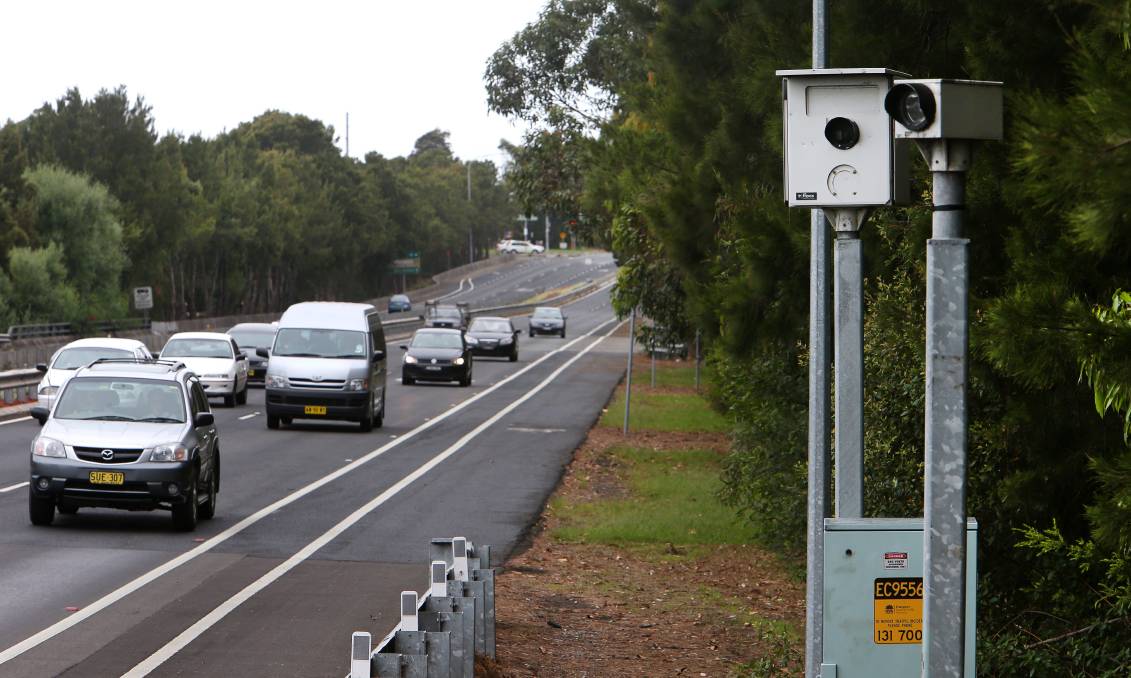
Understanding How Red Light Cameras Work
Red light cameras are typically mounted on poles at high-risk intersections. These systems work in conjunction with traffic signals and use ground sensors or radar to detect when a vehicle enters the intersection after the light has turned red. Once triggered, the camera captures:
- Photos of the violating vehicle
- The vehicle’s number plate
- The exact time, date, and signal status
This evidence is reviewed by authorities, and if confirmed, a fine notice is mailed to the registered vehicle owner. In most jurisdictions, these offences also carry demerit points.
Why Red Light Running Is So Dangerous
Intersections are complex traffic environments where multiple roads, signals, and pedestrian crossings converge. When drivers run red lights, they risk causing high-speed T-bone or side-impact collisions — the types of crashes that are often fatal or lead to serious injury.
Common Causes of Red Light Running
- Driver distraction or inattention
- Speeding and inability to stop in time
- Deliberate risk-taking behaviours
- Unclear or poorly timed yellow lights
Governments introduced red light cameras as a proactive measure to reduce the frequency and severity of these dangerous events. But do the stats support their effectiveness?
What the Research Says About Red Light Cameras
Over the past two decades, numerous studies have analysed the impact of red light cameras on crash rates. Many have found that these systems are effective at reducing certain types of collisions — especially those directly related to red light running.
Reductions in T-Bone and Angle Collisions
According to the Insurance Institute for Highway Safety (IIHS), cities that use red light cameras have seen a 21% reduction in fatal red-light-running crashes. T-bone collisions, in particular, tend to decrease because drivers are more cautious when approaching signalised intersections.
Increase in Rear-End Collisions
One unexpected consequence, however, is a reported increase in rear-end crashes at intersections with red light cameras. These typically occur when drivers brake suddenly to avoid running a red light, and are hit by a following vehicle that does not stop in time.
While rear-end collisions are generally less severe than T-bone crashes, they still contribute to injury rates and vehicle damage.
Intersection Safety: A Balancing Act
The debate around red light cameras centres on how to balance enforcement with driver behaviour and safety outcomes. While it’s clear that the cameras reduce some types of crashes, the increase in others raises questions about how these systems are implemented.
Yellow Light Timing Is Critical
Studies show that one of the most effective ways to reduce both red-light violations and rear-end collisions is to extend yellow light durations. Drivers are more likely to stop safely if given a longer warning period. Some jurisdictions have increased yellow light durations by just 0.5 seconds and seen a dramatic drop in violations.
Driver Awareness and Signage
Clear signage and public awareness campaigns also play a crucial role. When drivers are informed about the presence of red light cameras and why they are used, compliance improves. Secret or poorly marked cameras often lead to public distrust and accusations of revenue raising.
Public Perception of Red Light Cameras
Public opinion on red light cameras is sharply divided. Supporters argue that cameras are necessary to hold reckless drivers accountable and protect innocent lives. Opponents claim the systems are unfair, invasive, and more about collecting fines than improving safety.
Common Public Concerns
- Perceived use as a revenue stream rather than a safety measure
- Lack of ability to contest fines easily
- Fines issued to the vehicle owner, regardless of who was driving
In some regions, public pushback has led to the removal or scaling back of red light camera programs — even where they were shown to be effective.
Best Practices for Red Light Camera Programs
To maximise their impact and ensure fairness, red light camera programs must be implemented transparently and responsibly. Here are some of the best practices supported by experts:
- Independent audits of camera locations and performance data
- Fair and consistent yellow light timing based on intersection speed limits
- Public notification of all camera locations
- Clear appeals process for wrongly issued tickets
When these practices are followed, red light cameras are more likely to be accepted by the public and to deliver genuine safety benefits.
International Case Studies
Australia
In cities like Sydney and Melbourne, red light cameras are common. Independent evaluations have shown reductions in T-bone crashes at camera intersections, though rear-end collisions saw a small increase. Public education campaigns were key in gaining support.
United States
Some U.S. cities have removed red light cameras due to public pressure, despite evidence that they reduce fatal crashes. This has raised questions about balancing politics and public safety data.
United Kingdom
The UK has used combined speed and red light cameras, which have seen high compliance and fewer collisions. The country places strong emphasis on transparency and signage.
Conclusion: Are Red Light Cameras Making Intersections Safer?
The data suggests that red light cameras do improve intersection safety — particularly by reducing the most dangerous types of crashes. However, their effectiveness depends heavily on how they are implemented and managed.
When installed at high-risk intersections, with fair signal timing and clear communication, red light cameras can serve as a valuable tool in reducing road trauma. But if poorly managed, they risk undermining public trust and shifting focus from safety to revenue collection.
Ultimately, red light cameras are not a silver bullet, but when used responsibly, they contribute meaningfully to safer roads.