

Recent Changes in Australian Robbery Legislation You Should Know

Robbery is a serious offence under Australian law, and legislative changes continually evolve to address emerging criminal trends, enhance public safety, and ensure justice for victims. Staying informed about these updates is crucial for legal professionals, businesses, and individuals who want to understand their rights and obligations. Recent Changes in Australian Robbery Legislation You Should Know

This article explores recent changes in Australian robbery legislation, highlighting reforms across states and territories, new penalties, and trends in law enforcement approaches.

Understanding Robbery Offences in Australia

Definition of Robbery

Under Australian law, robbery is defined as the unlawful taking of property from a person or their immediate presence using force, threats, or intimidation. Unlike theft, robbery involves direct confrontation and violence. Key elements include:

Unlawful taking of property – Intent to permanently deprive the victim of belongings

Use or threat of force – Physical force or intimidation

Direct victim interaction – Occurs in the victim’s presence

Aggravated Robbery

Aggravated robbery is a more serious offence, typically involving weapons, targeting vulnerable victims, or causing serious injury. Penalties are significantly higher, and recent legislation has reinforced these penalties in several Australian states.

Recent Legislative Changes Across States

New South Wales (NSW)

NSW has introduced several updates to robbery legislation in recent years:

Increased penalties for armed robbery – The Crimes Act 1900 (NSW) now imposes stricter sentences for offenders using firearms or knives.

Mandatory minimum sentences – Certain aggravated robbery offences now carry minimum prison terms to deter violent crime.

Enhanced police powers – Police can act more swiftly in responding to armed robberies and investigating repeat offenders.

Victoria (VIC)

In Victoria, the Crimes Act 1958 has been amended to strengthen robbery laws:

Serious violent offences framework – Aggravated robbery involving weapons is classified as a serious violent offence, impacting parole eligibility and sentencing.

Youth-specific reforms – New provisions emphasise rehabilitation for juvenile offenders while maintaining strict penalties for violent robberies.

Digital evidence inclusion – Legislation now explicitly recognises electronic communications as evidence in planning and executing robberies.

Queensland (QLD)

Queensland has implemented reforms under the Criminal Code 1899 (Qld) to address modern robbery trends:

Enhanced sentences for gang-related robberies – Targeting organised crime and repeat offenders

Expansion of aggravated robbery definitions – Now includes threatening victims with imitation weapons

Diversion programs for minors – Focus on rehabilitation and reducing recidivism among juveniles

Western Australia (WA)

Western Australia has updated its Criminal Code 1913 (WA) to respond to violent robbery trends:

Mandatory reporting requirements – Businesses must report robberies promptly to assist law enforcement

Increased penalties for home-invasion robberies – Courts can impose longer sentences when victims are threatened in their homes

Community-based rehabilitation programs – Offered alongside custodial sentences for eligible offenders

Other States and Territories

South Australia (SA) – Restorative justice programs are increasingly applied for first-time offenders, while aggravated robbery laws remain strict.

Tasmania (TAS) – Legislative reforms target repeat violent offenders and incorporate mental health assessments in sentencing.

Northern Territory (NT) and Australian Capital Territory (ACT) – Emphasis on swift legal proceedings and enhanced victim support services for robbery cases.

Trends Driving Recent Legislative Changes

Rise in Armed Robberies

Recent data shows an increase in robberies involving weapons, prompting stricter legislation across multiple jurisdictions. Police and lawmakers are prioritising:

Stronger deterrent sentences

Mandatory minimum terms for violent offenders

Enhanced investigative powers

Focus on Juvenile Offenders

Legislation increasingly differentiates between adult and juvenile offenders:

Juveniles face rehabilitative measures rather than lengthy imprisonment

Diversionary programs aim to prevent repeat offences

Courts consider age, maturity, and social environment in sentencing decisions

Integration of Technology in Legal Frameworks

Modern robbery often involves digital planning, communication, or coordination. Recent legislative changes reflect this:

Electronic evidence, including messages and social media posts, is now admissible in court

Cyber-assisted robberies, such as coordinating thefts or threats online, are specifically addressed

Law enforcement can access digital records more efficiently with court authorisation

Impact of Legislative Changes on Businesses and Individuals

Business Security Obligations

Legislation has increased expectations for businesses to implement security measures:

Installation of CCTV and alarm systems

Employee training for robbery response

Prompt reporting of incidents to law enforcement

Failure to meet these obligations may affect insurance claims or lead to liability in certain circumstances.

Individual Legal Awareness

For individuals, understanding the legal changes is important:

Awareness of increased penalties and mandatory sentences helps deter criminal behaviour

Understanding the rights of victims, including reporting and compensation procedures, ensures better protection

Knowledge of juvenile-specific provisions informs parents and guardians about their responsibilities

Law Enforcement Adaptation

Police and judicial authorities have adapted to legislative changes by:

Using advanced surveillance and forensic methods

Implementing victim support and crime-prevention programs

Prioritising rapid response to violent robberies

Looking Ahead: Future Directions

Legislative trends indicate continued emphasis on:

Stronger penalties for aggravated and repeat offences

Expanding rehabilitative and restorative justice programs

Integration of digital evidence in legal proceedings

Targeted interventions for youth crime prevention

Lawmakers are likely to continue adjusting robbery legislation to balance public safety, offender rehabilitation, and the evolving nature of criminal activity.

Conclusion

Recent changes in Australian robbery legislation reflect a multifaceted approach to combating violent crime. Stricter penalties, enhanced police powers, juvenile rehabilitation programs, and integration of technology demonstrate how law evolves to meet contemporary challenges.

Businesses and individuals must stay informed about these updates to ensure compliance, protect themselves, and understand their rights in the event of a robbery. By being aware of legislative changes, Australians can contribute to safer communities while navigating the legal system effectively.

Australian robbery laws now emphasise both accountability for offenders and protection and support for victims, demonstrating a balanced and modernised criminal justice system.

From Arrest to Trial: The Robbery Offence Process in Australia

Robbery is one of the most serious criminal offences in Australia, carrying severe legal consequences, including lengthy imprisonment. The process from arrest to trial is structured to ensure fairness while protecting the rights of both victims and accused individuals. Understanding this process is crucial for defendants, victims, legal practitioners, and business owners.

This article provides a detailed overview of the robbery offence process in Australia, including arrest procedures, court appearances, legal representation, and trial procedures, along with key considerations for both adults and juveniles.

Step 1: Arrest and Initial Detention

Police Powers of Arrest

In Australia, police have the authority to arrest individuals suspected of committing a robbery under state and territory legislation. Key points include:

Arrest can occur with or without a warrant if police have reasonable grounds to suspect the individual committed robbery.

Officers must inform the suspect of the reason for the arrest and their legal rights, including the right to remain silent.

Arrested individuals may be taken into custody for questioning, and their personal property may be seized as evidence.

Detention and Bail Considerations

After arrest, suspects may be held in custody until they can appear before a court:

From Arrest to Trial: The Robbery Offence Process in Australia

Bail may be granted depending on the seriousness of the offence, prior criminal history, and the risk of re-offending.

For serious or aggravated robbery offences, courts often consider denying bail to prevent further criminal activity.

Juveniles are subject to specialised procedures, often prioritising supervision and rehabilitation rather than extended detention.

Step 2: Charging and Legal Representation

Formal Charging Process

Once sufficient evidence is gathered, the police will formally charge the suspect with robbery. This process involves:

Preparing a statement of facts outlining the alleged offence

Determining whether to charge the suspect with standard or aggravated robbery

Filing charges with the appropriate court

Charges may also include additional offences if the robbery involved weapons, violence, or property damage.

Right to Legal Representation

Every accused individual in Australia has the right to legal representation:

A lawyer can advise on legal options, bail applications, and defence strategies

Public defenders or legal aid may be provided if the accused cannot afford private counsel

Legal counsel is critical in ensuring the accused understands the charges and procedural requirements

Step 3: Pre-Trial Procedures

Committal Hearings

For indictable offences, including robbery, some states require a committal hearing before the matter proceeds to trial:

The magistrate examines whether sufficient evidence exists to justify a trial

Evidence, witness statements, and exhibits are reviewed

The purpose is to filter out weak or unsubstantiated cases, ensuring only viable matters reach the trial stage

Pre-Trial Disclosure and Plea Negotiations

Before trial, the prosecution and defence exchange information through disclosure:

Police and prosecutors provide the accused with evidence, witness lists, and expert reports

Defence lawyers may identify weaknesses, inconsistencies, or procedural errors

Plea negotiations can occur, potentially reducing charges or penalties if the accused pleads guilty

Step 4: The Trial Process

Trial Preparation

Both parties prepare their case meticulously:

The prosecution organises witnesses, forensic evidence, and documentation

The defence gathers counter-evidence, expert testimony, and alibi information

Jury selection (for indictable offences) ensures a fair and impartial panel

Trial Proceedings

The robbery trial generally follows a structured process:

Opening statements – Both sides outline their case and the evidence to be presented

Presentation of evidence – Witness testimony, CCTV footage, forensic analysis, and physical evidence are examined

Cross-examination – Both parties question witnesses to test credibility and reliability

Closing arguments – Summarise key points and legal interpretations

Jury deliberation (if applicable) – Jury considers evidence to reach a verdict

Standard vs. Aggravated Robbery Trials

Aggravated robbery cases, involving weapons, threats, or serious injury, often require:

More complex evidence, including ballistic or forensic analysis

Testimony from multiple victims or witnesses

Consideration of aggravating factors during sentencing if convicted

Step 5: Verdict and Sentencing

Finding of Guilt or Acquittal

The court or jury determines whether the accused is guilty beyond a reasonable doubt:

Guilty verdicts lead to sentencing proceedings

Not guilty verdicts result in immediate release

Sentencing Considerations

Courts consider multiple factors when sentencing convicted robbers:

Severity of the offence and presence of aggravating factors

Criminal history of the offender

Impact on victims

Possibility of rehabilitation for juveniles or first-time offenders

Penalties for robbery in Australia vary by state but may include:

Imprisonment ranging from several years for standard robbery to life for aggravated offences

Community service, fines, or probation in certain cases

Restorative justice programs for eligible offenders, particularly juveniles

Step 6: Appeals and Post-Trial Processes

Right to Appeal

Convicted individuals have the right to appeal the verdict or sentence:

Appeals are typically heard by higher courts within the state or territory

Grounds for appeal may include legal errors, misinterpretation of evidence, or excessive sentencing

Post-Trial Rehabilitation

For those serving sentences, Australian law emphasises rehabilitation, including:

Educational programs and vocational training in prison

Counselling and support for reintegration into society

Juvenile offenders may be eligible for early release or diversion programs

Conclusion

The process from arrest to trial for robbery offences in Australia is comprehensive, structured, and designed to protect the rights of both victims and accused individuals. From the initial arrest and detention to pre-trial procedures, trial proceedings, and sentencing, every stage is guided by principles of fairness, evidence-based assessment, and adherence to state and territory legislation.

Understanding this process helps defendants prepare effectively, ensures victims know their rights, and allows legal practitioners to navigate complex procedural requirements. Australian law balances the seriousness of robbery offences with opportunities for rehabilitation, particularly for juvenile or first-time offenders, reflecting a justice system committed to both accountability and public safety.

The Role of Intent in Robbery Charges Under Australian Law

Robbery is a serious criminal offence in Australia, defined by the unlawful taking of property through force, threat, or intimidation. A critical element in establishing a robbery charge is the intent of the offender. Without clear evidence of intent to steal, a robbery charge may not stand in court. Understanding how intent is interpreted and proven under Australian law is essential for legal practitioners, businesses, and individuals seeking to navigate the criminal justice system effectively. The Role of Intent in Robbery Charges Under Australian Law

This article explores the role of intent in robbery charges, how courts assess it, the legal consequences of different levels of intent, and practical implications for prevention and defence.

Understanding Intent in Criminal Law

Definition of Intent

In Australian criminal law, intent refers to a person’s conscious decision to commit an unlawful act. For robbery, intent means the offender deliberately planned or knowingly attempted to unlawfully take property from another person while using or threatening violence.

Intent can be:

Direct intent – When the offender’s primary goal is to steal property, knowing full well the consequences.

Indirect or oblique intent – When the offender recognises that robbery might occur as a natural consequence of their actions, even if not their main aim.

Establishing intent is crucial because robbery differs from theft: theft requires only the intent to permanently deprive someone of property, whereas robbery additionally requires force or intimidation. Without intent, the legal threshold for robbery may not be met.

The Role of Intent in Robbery Charges Under Australian Law

Mens Rea and Robbery

Intent is part of the legal concept of mens rea, or the “guilty mind,” which is necessary to prove criminal liability. In robbery cases, mens rea includes:

Knowledge that taking the property is unlawful

Awareness that force or threats are being used to accomplish the act

Decision to act despite knowing the potential consequences

Courts examine both the actions (actus reus) and the mindset (mens rea) to determine whether a robbery charge is appropriate.

Intent and the Elements of Robbery

Unlawful Taking of Property

For a robbery charge to succeed, the prosecution must prove that the offender intended to permanently deprive the victim of their property. This involves:

Evidence of planning, such as targeting a specific location or person

Statements or confessions indicating the purpose of the act

Circumstantial evidence, such as possession of stolen property immediately after the offence

Use or Threat of Force

The use or threat of force must also be intentional. Accidental contact or unintended intimidation does not meet the legal standard for robbery. Courts assess whether the offender:

Deliberately employed physical force or intimidation to obtain property

Recognised that their actions could cause fear or harm

Intended to coerce compliance from the victim

Direct Confrontation with the Victim

Robbery typically involves direct confrontation. Evidence of intent is often derived from:

The offender approaching the victim in a deliberate manner

Demands for property accompanied by threats or weapons

Actions showing awareness of potential resistance and premeditation to overcome it

Proving Intent in Robbery Cases

Evidence Considered by Courts

Intent can be challenging to prove because it involves the offender’s state of mind. Courts rely on multiple forms of evidence, including:

Witness testimony – Statements from victims, bystanders, or accomplices can indicate premeditation or deliberate planning.

Confessions and admissions – Voluntary statements acknowledging the purpose of the act.

Circumstantial evidence – Possession of stolen property, tools, or weapons; patterns of behaviour; and prior planning.

Digital evidence – Messages, social media posts, or surveillance footage showing intent or preparation.

Intent vs. Recklessness

It is important to differentiate intent from recklessness. Recklessness occurs when an offender foresees the possibility of taking property or causing harm but does not specifically aim to do so. In contrast, robbery requires deliberate intent. Courts may reduce charges or apply different offences if the act is deemed reckless rather than intentional.

Aggravated Robbery and Intent

Weapons and Threats

Aggravated robbery involves additional elements such as weapons, threats, or targeting vulnerable victims. Establishing intent is particularly important in these cases, as courts consider:

Whether the offender intended to use the weapon to facilitate theft

Awareness of potential serious injury or death

Preplanning or coordination with accomplices

Legal Consequences

The consequences of aggravated robbery are severe across Australian states:

Standard robbery can carry up to 14–15 years imprisonment, depending on jurisdiction.

Aggravated robbery, particularly with weapons, can result in life imprisonment.

Juvenile offenders may face rehabilitative measures rather than purely punitive sentences, but intent is still a critical factor in determining the severity of charges.

Defences Related to Intent

Lack of Intent

A common defence in robbery cases is asserting a lack of intent. Examples include:

Mistaken belief that the property was lawfully theirs

No intent to use force or threats to obtain property

Accidental contact without coercion

Duress or Coercion

An offender may claim that they acted under duress, meaning they were compelled by threats to commit the act. In such cases, intent may be partially negated if the court accepts that the offender did not freely choose to commit the robbery.

Mental Impairment

Courts may also consider whether the offender lacked the capacity to form intent due to mental impairment. This is evaluated through psychological assessments and expert testimony.

Practical Implications for Businesses and Individuals

Preventive Measures

Understanding the role of intent can inform prevention strategies:

Implementing security measures such as CCTV and alarms can deter premeditated robberies.

Training staff to recognise suspicious behaviour helps prevent robberies before they occur.

Awareness campaigns educate the public about risks and legal consequences.

Legal Preparedness

Businesses and individuals should understand how intent impacts legal proceedings:

Victims should report incidents promptly to ensure evidence of intent is preserved.

Legal counsel can help interpret evidence related to intent and formulate appropriate defence or prosecution strategies.

Conclusion

Intent is a central element in robbery charges under Australian law. Establishing that the offender deliberately sought to unlawfully take property through force or threats is essential for a successful prosecution. Courts consider direct and indirect evidence, including planning, actions, and communications, to determine whether intent existed.

Aggravated robbery, involvement of juveniles, and use of weapons make intent even more critical in determining the severity of charges and sentencing outcomes. For individuals and businesses, understanding the role of intent can enhance preventive measures, ensure proper legal compliance, and provide a basis for effective response if a robbery occurs.

Ultimately, Australian law demonstrates that robbery is not only about the physical act of theft but also the mindset and deliberate choices of the offender, underscoring the importance of intent in criminal accountability.

Robbery Laws Across Australian States: Comparing Legal Approaches

Robbery is considered one of the most serious criminal offences in Australia, involving the use or threat of force to unlawfully take property from another person. While the fundamental definition of robbery is consistent nationwide, the legal approaches, penalties, and court procedures can vary significantly between states and territories. Robbery Laws Across Australian States: Comparing Legal Approaches

Understanding these differences is essential for legal practitioners, business owners, and residents, as the consequences for robbery offences may differ depending on where the crime occurs. This article provides a detailed comparison of robbery laws across Australian states, highlighting penalties, legal definitions, and approaches to aggravated offences.

Defining Robbery in Australian Law

Core Elements of Robbery

Across Australia, robbery is generally defined by three key elements:

Unlawful taking of property – The offender intends to permanently deprive the victim of their property.

Use or threat of violence – The act involves force, intimidation, or threats.

Direct confrontation – Robbery typically occurs in the presence of the victim, distinguishing it from burglary or theft.

Although the elements remain consistent, variations in legislation and judicial interpretation can influence how the offence is prosecuted and punished in different jurisdictions.

Aggravated Robbery

Aggravated robbery involves circumstances that increase the severity of the crime, including:

Using weapons or firearms

Targeting vulnerable victims such as the elderly

Committing robbery in public areas or with multiple offenders

Repeat offences

Most Australian states impose significantly higher penalties for aggravated robbery, reflecting the increased risk of harm.

Robbery Laws Across Australian States: Comparing Legal Approaches

Robbery Laws by State and Territory

New South Wales (NSW)

In NSW, robbery is governed by the Crimes Act 1900 (NSW). Key points include:

Standard robbery: Maximum penalty of 14 years imprisonment.

Aggravated robbery: Penalty can increase to life imprisonment, particularly if a weapon is used.

The courts consider factors such as intent, planning, and prior criminal history when sentencing.

Victoria (VIC)

Victoria’s robbery offences fall under the Crimes Act 1958 (Vic):

Robbery: Maximum penalty of 15 years imprisonment.

Aggravated robbery: Life imprisonment can apply if the offender is armed or causes serious injury.

Victoria places strong emphasis on both punishment and rehabilitation, with diversion programs available for young offenders.

Queensland (QLD)

Queensland’s Criminal Code 1899 (Qld) governs robbery offences:

Robbery: Penalty up to 14 years imprisonment.

Aggravated robbery: Maximum of life imprisonment for offences involving weapons or significant violence.

Queensland courts may also issue intensive correction orders as an alternative to imprisonment in some cases.

Western Australia (WA)

In WA, robbery is defined under the Criminal Code 1913 (WA):

Robbery: Maximum of 14 years imprisonment.

Aggravated robbery: Life imprisonment is possible when weapons or serious threats are involved.

WA law emphasises proportionality in sentencing, taking into account both harm caused and offender circumstances.

South Australia (SA)

South Australia’s approach is outlined in the Criminal Law Consolidation Act 1935 (SA):

Standard robbery carries a maximum of 14 years imprisonment.

Aggravated robbery can result in life imprisonment, particularly for armed offences.

SA courts also consider restorative justice measures in appropriate cases.

Tasmania (TAS)

In Tasmania, robbery is governed by the Criminal Code Act 1924 (TAS):

Standard robbery: Up to 14 years imprisonment.

Aggravated robbery: Life imprisonment if weapons or serious threats are involved.

Tasmania’s courts place emphasis on rehabilitation alongside punishment, especially for young offenders.

Northern Territory (NT)

The Northern Territory’s Criminal Code Act 1983 (NT) addresses robbery as follows:

Standard robbery: Maximum of 14 years imprisonment.

Aggravated robbery: Life imprisonment may apply for armed offences or significant violence.

NT courts have discretion to consider community impact and offender rehabilitation when sentencing.

Australian Capital Territory (ACT)

In the ACT, robbery is defined under the Crimes Act 1900 (ACT):

Standard robbery: Maximum penalty of 14 years imprisonment.

Aggravated robbery: Life imprisonment may be imposed if the offender is armed or causes serious injury.

The ACT also provides diversionary and rehabilitative options for juveniles and first-time offenders.

Comparative Analysis of State Approaches

Penalties and Sentencing Trends

While maximum penalties are broadly similar across Australia, ranging from 14 years for standard robbery to life imprisonment for aggravated offences, sentencing trends may vary:

States like Victoria and NSW emphasise rehabilitation alongside imprisonment.

Queensland and WA courts are more likely to issue intensive correction orders or community-based sentences for eligible offenders.

Aggravated robbery penalties remain severe nationwide, reflecting the seriousness of the offence.

Handling of Juvenile Offenders

Juveniles committing robbery offences are treated differently across states:

Children’s Courts exist in NSW, Victoria, Queensland, and other jurisdictions to handle cases for offenders under 18.

Emphasis is placed on rehabilitation, counselling, and community service rather than long-term incarceration.

Diversion programs are common, especially for first-time or minor offenders.

Aggravating Factors and Court Discretion

All states recognise certain aggravating factors, but how courts weigh them can differ:

Weapon use, targeting vulnerable victims, and public place offences consistently increase penalties.

Prior criminal history may have a greater impact on sentencing in NSW and Queensland.

Some jurisdictions, like SA and TAS, consider restorative justice options even in serious cases.

Practical Implications for Residents and Businesses

Legal Awareness for Businesses

Businesses must understand state-specific robbery laws to:

Implement effective security measures

Ensure compliance with legal obligations for staff and premises

Understand potential liability and penalties if an incident occurs

Personal Safety Considerations

For individuals, awareness of local laws can inform personal safety strategies:

Understanding penalties may act as a deterrent for potential offenders

Knowledge of rights and procedures after a robbery ensures better cooperation with law enforcement

Awareness of prevention programs and community resources supports safer environments

Role of Law Enforcement

Police across all states are responsible for:

Investigating robbery offences according to local legislation

Providing victim support services

Collaborating with community programs to prevent repeat offences

Conclusion

While the core elements of robbery remain consistent across Australian states—unlawful taking, use of force, and direct confrontation—differences in legislation, penalties, and court approaches reflect each state’s priorities. Some states emphasise rehabilitation, particularly for juveniles, while all maintain severe penalties for aggravated robbery involving weapons or serious threats.

For businesses, individuals, and legal professionals, understanding these variations is essential for compliance, risk management, and personal safety. Comparing robbery laws across Australian states highlights how legal systems balance deterrence, punishment, and rehabilitation, ensuring that both offenders and victims are treated fairly within the justice framework.

By being informed about state-specific robbery laws, Australians can better protect themselves, implement effective preventive measures, and engage with the legal system confidently if a robbery occurs.

Juvenile Robbery Offences: How the Law Treats Minors in Australia

Robbery is a serious crime in Australia, and when committed by minors, it is treated under a distinct legal framework designed to balance accountability with rehabilitation. Juvenile offenders are defined as individuals under 18 years of age at the time of the offence, and the law recognises that their age, maturity, and circumstances require a different approach compared to adults.

Understanding how Australian law treats juvenile robbery offences is essential for parents, guardians, educators, and legal professionals. This article explores the legal definitions, penalties, court processes, and prevention strategies specifically related to minors involved in robbery offences.

Understanding Juvenile Robbery Offences

Definition of Robbery for Minors

In Australia, robbery involves taking property from another person by force, threat, or intimidation. For juveniles, the same basic elements apply as for adults:

Unlawful taking of property – The intent to permanently deprive someone of their possessions.

Use or threat of violence – Physical force or threats must be present.

Direct confrontation – Robbery typically occurs face-to-face, differentiating it from theft or burglary.

The distinction for juveniles is that the criminal justice system emphasises rehabilitation and education over punishment. Courts consider age, maturity, and the potential for reform when determining outcomes.

Aggravated Robbery Involving Minors

Aggravated robbery occurs when additional factors make the crime more severe, such as:

Using a weapon or firearm

Juvenile Robbery Offences: How the Law Treats Minors in Australia

Targeting vulnerable victims, such as elderly individuals

Committing robbery in a public place or with multiple offenders

Repeat offending

Even for minors, aggravated robbery carries more serious consequences, but the legal system still prioritises rehabilitative approaches where possible.

The Legal Framework for Juvenile Offenders

Children’s Courts Across Australia

Juvenile robbery cases are handled in specialised Children’s Courts, which operate differently from adult courts. These courts focus on:

Ensuring proceedings are age-appropriate and fair

Protecting the minor’s privacy

Encouraging rehabilitation over incarceration

For example:

New South Wales (NSW) – The Children’s Court of NSW hears cases involving offenders under 18, guided by the Children (Criminal Proceedings) Act 1987.

Victoria – The Children’s Court of Victoria handles juvenile cases under the Children, Youth and Families Act 2005.

Queensland – The Childrens Court of Queensland deals with minors under the Youth Justice Act 1992.

Sentencing Principles for Juveniles

When sentencing juvenile offenders for robbery, courts consider multiple factors:

Age and maturity at the time of the offence

Circumstances surrounding the robbery

Past criminal history, if any

Prospects for rehabilitation

Family support and social environment

Sentencing options often differ from adult penalties and can include:

Community-based orders – Supervised programs, counselling, and probation

Restorative justice programs – Mediation between offender and victim to encourage accountability

Youth detention – Reserved for serious or repeat offences, with a focus on education and rehabilitation

Preventive Measures and Early Intervention

Education and Community Programs

One of the most effective ways to reduce juvenile robbery offences is through early intervention and education programs. These initiatives target at-risk youth and aim to prevent criminal behaviour by:

Promoting positive social skills and conflict resolution

Offering mentoring and support networks

Providing educational and employment opportunities

Raising awareness of the legal consequences of robbery

Programs like these are implemented across Australia by local councils, schools, and youth organisations.

Parental and Guardian Responsibility

Parents and guardians play a critical role in preventing juvenile involvement in robbery. Key responsibilities include:

Monitoring peer associations and social environments

Encouraging open communication about risks and consequences

Supporting participation in structured activities and programs

Ensuring accountability while fostering guidance and discipline

Active parental involvement has been shown to significantly reduce the likelihood of repeated offending.

Role of Law Enforcement and Youth Justice Officers

Police and youth justice officers work collaboratively to prevent juvenile robbery offences through:

Early identification of at-risk youth

Diversion programs instead of formal court proceedings for minor offences

Community policing initiatives that focus on education rather than punishment

These measures aim to redirect juveniles away from criminal behaviour before they escalate into serious offences.

Legal Rights and Support for Juvenile Offenders

Legal Representation and Advocacy

Juvenile offenders have the right to legal representation in all court proceedings. Lawyers specialising in youth law can:

Advise minors and their families on legal options

Represent them during court hearings

Negotiate alternative sentencing options that focus on rehabilitation

Access to Support Services

Australian law recognises the unique needs of juvenile offenders and provides access to support services, including:

Counselling for trauma, behavioural issues, or substance abuse

Educational programs in detention centres or community settings

Victim-offender mediation programs to foster accountability

These resources aim to reduce recidivism and guide minors toward productive paths.

Recent Trends and Statistics

Recent studies show that while juvenile robbery offences account for a relatively small percentage of total robbery cases in Australia, certain trends have emerged:

Youth involvement in group-related robberies has increased in urban areas.

Early intervention programs have proven effective in reducing re-offending rates.

Family and community support remain critical factors in rehabilitation outcomes.

Understanding these trends helps policymakers, law enforcement, and communities adapt strategies to prevent juvenile offending.

Conclusion

Juvenile robbery offences in Australia are treated under a legal framework designed to balance accountability with rehabilitation. Children’s Courts, community programs, and youth justice services all emphasise education, guidance, and support rather than purely punitive measures.

Parents, educators, and community organisations play a critical role in prevention, while the law ensures that minors who commit robbery receive tailored interventions aimed at reform. By understanding the legal treatment of juvenile offenders and implementing early intervention strategies, Australia works to protect both youth and the broader community from the long-term consequences of robbery.

Australian law demonstrates that, with appropriate support and guidance, juvenile offenders can be redirected toward positive futures while still holding them accountable for their actions.

Preventing Robbery: What Australian Law Says About Security and Protection

Robbery is a serious criminal offence in Australia, carrying severe legal consequences. It is defined as the act of stealing from a person or business using violence, threats, or intimidation. Unlike simple theft, robbery involves direct confrontation and is considered a violent crime. Understanding how Australian law addresses robbery and the legal obligations for security and protection can help individuals, businesses, and institutions mitigate risks while staying compliant with regulations. Preventing Robbery: What Australian Law Says About Security and Protection

This article explores the legal framework surrounding robbery prevention, the responsibilities of business owners and individuals, and practical strategies to reduce the likelihood of becoming a victim.

Understanding Robbery Under Australian Law

Definition and Elements of Robbery

Under Australian law, robbery is distinguished from theft by the use or threat of force. The key elements of robbery include:

Preventing Robbery: What Australian Law Says About Security and Protection

Taking property unlawfully – The offender must intend to permanently deprive someone of their property.

Use or threat of violence – The act must involve force, threats, or intimidation directed at the victim.

Direct confrontation – Robbery typically occurs face-to-face, differentiating it from property crimes like burglary or shoplifting.

Each state and territory in Australia has specific statutes regarding robbery. For example:

New South Wales (NSW): Defined under the Crimes Act 1900 (NSW), robbery carries penalties of up to 14 years imprisonment.

Victoria: Governed by the Crimes Act 1958 (Vic), aggravated robbery can result in life imprisonment if weapons or serious threats are involved.

Queensland: The Criminal Code 1899 (Qld) imposes severe penalties for armed robbery and robbery involving intimidation.

Aggravated Robbery and Legal Consequences

Aggravated robbery occurs when additional factors increase the severity of the offence. Examples include:

Using a weapon or firearm

Targeting vulnerable victims

Committing robbery in a public place

Organised or repeat offences

Penalties vary depending on the jurisdiction, the level of violence, and the offender’s criminal history. Courts consider aggravating factors heavily during sentencing, which may include long-term imprisonment and mandatory rehabilitation programs.

Legal Obligations for Security and Protection

Australian law imposes certain obligations on businesses and property owners to maintain a reasonably safe environment. While there is no requirement to eliminate all risk, failure to implement basic security measures may have legal and civil consequences.

Duty of Care for Businesses

Under civil law, businesses owe a duty of care to their customers, staff, and visitors. This duty includes taking reasonable steps to prevent foreseeable crimes, such as robbery. Examples of reasonable security measures include:

Installing surveillance cameras and alarms

Hiring security personnel, especially for high-risk businesses

Providing adequate lighting in parking lots and entrances

Training staff in robbery response protocols

Failure to meet these obligations can result in civil liability if a robbery occurs and harm is caused to customers or employees.

Insurance and Legal Compliance

Businesses must also comply with insurance requirements and safety standards. Many insurers mandate specific security measures to provide coverage against robbery-related losses. Compliance with local safety and security regulations is essential to avoid penalties and ensure claims are valid.

Preventing Robbery: Practical Measures for Individuals and Businesses

Prevention strategies should focus on reducing the risk of robbery through environmental design, staff training, and personal vigilance.

Environmental Design and Security Technology

Crime Prevention Through Environmental Design (CPTED) principles are widely recommended in Australia. These include:

Natural surveillance – Positioning windows, counters, and pathways to maximise visibility.

Access control – Limiting entry points and using secure doors or turnstiles.

Territorial reinforcement – Clear signage and barriers to indicate private property.

Technological solutions also play a crucial role, such as:

CCTV monitoring to deter criminal activity and provide evidence

Silent alarms linked to local police stations

GPS tracking for high-value merchandise

Staff Training and Emergency Protocols

For businesses, staff preparedness is critical. Training should cover:

Recognising suspicious behaviour

Responding calmly during a robbery

Evacuation procedures and safe hiding locations

Reporting incidents promptly to authorities

Regular drills help staff remain calm under pressure and reduce potential injuries.

Personal Safety Measures

Individuals can also adopt strategies to reduce their risk of robbery, including:

Avoiding high-risk areas, especially at night

Limiting the display of cash or valuables in public

Using secure transport methods for carrying money or valuable items

Being aware of surroundings and maintaining situational awareness

Legal Response After a Robbery

Even with prevention measures, robberies may still occur. Knowing the legal steps after a robbery can protect victims and support law enforcement:

Reporting the Crime

Australian law encourages immediate reporting of robbery to police. Providing accurate information, such as descriptions of suspects and vehicles, helps police apprehend offenders and prevents further crimes.

Victim Rights and Support Services

Victims of robbery are entitled to legal protections and support, including:

Compensation claims for stolen or damaged property

Access to counselling services through state victim support programs

Legal advice regarding participation in court proceedings

Conclusion

Preventing robbery in Australia involves a combination of legal compliance, environmental design, staff training, and personal vigilance. Understanding the legal obligations under state and territory laws is crucial for businesses and individuals alike. By implementing reasonable security measures and remaining aware of potential risks, the likelihood of robbery can be significantly reduced.

Australian law not only punishes offenders but also encourages proactive protection measures, highlighting that safety and prevention are responsibilities shared by all members of society. For businesses and individuals, combining practical strategies with legal compliance ensures both security and peace of mind.

How the Victorian Court of Appeal Handles Criminal Cases

The Victorian Court of Appeal (VCA) plays a crucial role in Australia’s criminal justice system. As the highest appellate court in Victoria, it provides a legal forum for reviewing convictions and sentences imposed by lower courts. Understanding how the Court of Appeal operates, its procedures, and the types of criminal cases it handles is essential for anyone considering an appeal.
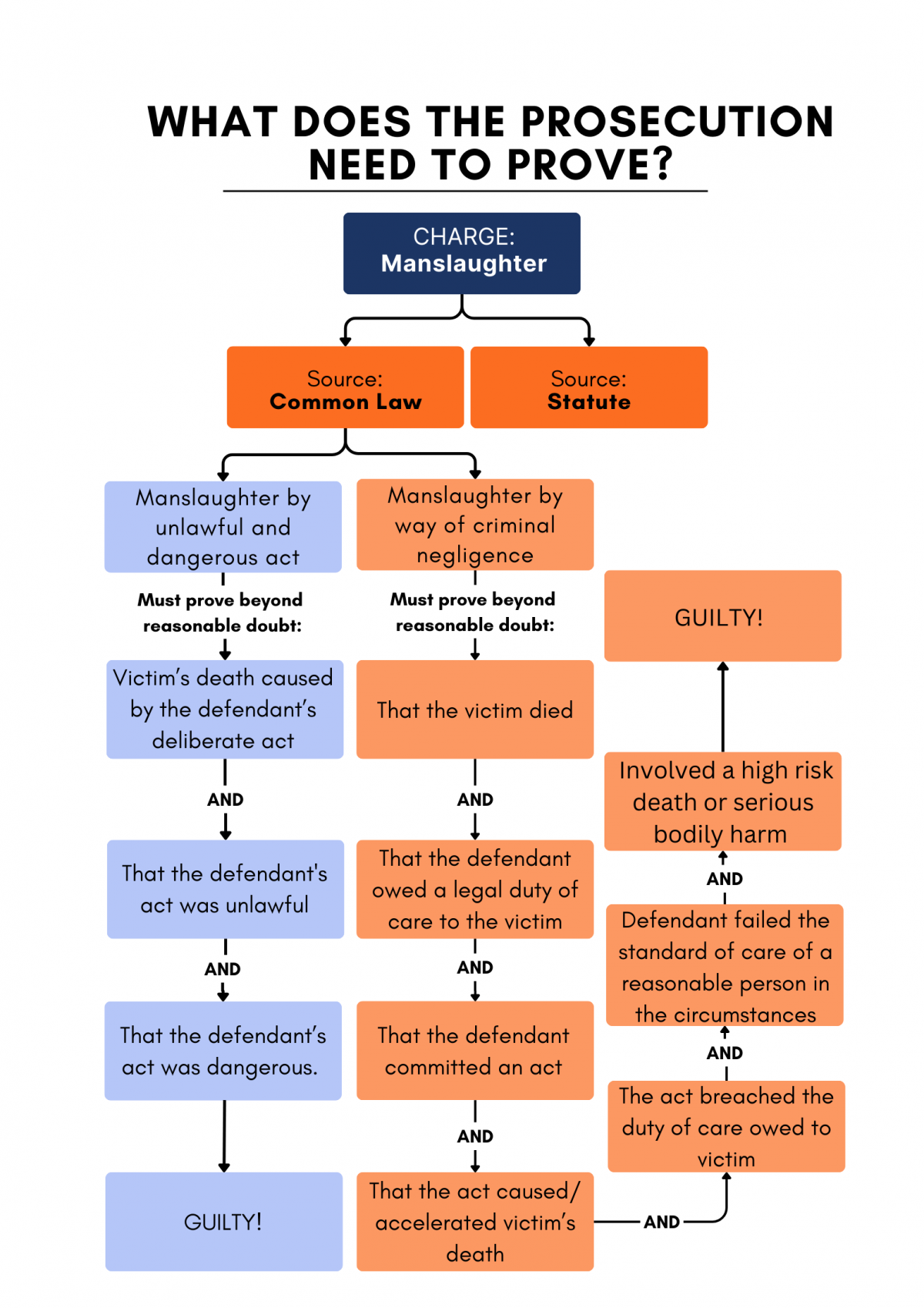
This article explains the Court of Appeal’s role in criminal cases, the appeal process, key considerations for appellants, and recent insights into its handling of criminal matters.

Overview of the Victorian Court of Appeal

What Is the Court of Appeal?

The Court of Appeal is a division of the Supreme Court of Victoria and is the highest appellate court in the state. It primarily hears appeals in three areas: criminal, civil, and administrative law. Its criminal jurisdiction focuses on reviewing decisions from: – The County Court – The Supreme Court (Trial Division) – Certain statutory tribunals

The court does not conduct trials; rather, it evaluates whether a trial or sentencing decision was legally correct and procedurally fair.

The Purpose of Criminal Appeals

Criminal appeals serve several important functions: 1. **Correcting errors of law** – Ensuring that the law was properly applied during the trial. 2. **Addressing procedural irregularities** – Highlighting mistakes in trial procedure that could have affected the outcome. 3. **Reviewing sentences** – Evaluating whether a penalty was manifestly excessive or legally inappropriate.

By providing a legal check on trial courts, the Court of Appeal maintains public confidence in the justice system.

Appeal Handles Criminal Cases

Types of Criminal Appeals in Victoria

Appeal Against Conviction

An appeal against conviction occurs when a defendant challenges the finding of guilt. Common grounds include: – Errors in admitting or excluding evidence – Misinterpretation of the law by the trial judge – Improper jury instructions – Insufficient evidence to support a guilty verdict

The Court of Appeal does not re-hear witnesses or retry the case; it reviews the trial record and legal arguments to determine if the conviction was safe.

Appeal Against Sentence

A sentence appeal challenges the length or type of punishment imposed. Grounds for appeal may include: – The sentence is manifestly excessive or inadequate – The sentencing judge failed to consider relevant factors – Errors in applying sentencing principles or precedents

Sentencing appeals often require detailed submissions comparing the case with similar precedents to demonstrate disparity or legal error.

Combined Appeals

In some instances, defendants may appeal both conviction and sentence simultaneously. This requires careful legal strategy and preparation to ensure that both issues are clearly presented to the court.

The Appeal Process in the Victorian Court of Appeal

Filing a Notice of Appeal

The first step in appealing to the Court of Appeal is lodging a **Notice of Appeal**. This must be done within a statutory timeframe, usually **28 days** from the date of sentencing or conviction. Missing this deadline can result in the appeal being dismissed.

Preparing the Appeal Record

The appeal record includes: – Trial transcripts – Evidence admitted at trial – Exhibits and documents – The trial judge’s reasons for decision

This comprehensive record allows the Court of Appeal to review the trial accurately without conducting a retrial.

Written Submissions

Both the appellant and the prosecution submit written arguments (known as **submissions**) outlining the grounds for appeal and supporting legal reasoning. Submissions must cite case law, statutes, and relevant legal principles to persuade the court.

Oral Hearing

Appeals are typically heard by a **panel of three judges**, who listen to oral arguments from barristers representing both sides. The judges may ask questions to clarify points of law, evidence, or procedural matters. Oral hearings are usually concise compared to trials, focusing on legal issues rather than factual disputes.

Judgment and Orders

After considering submissions and oral arguments, the Court of Appeal delivers a judgment. Possible outcomes include: – **Upholding the conviction/sentence** – The original decision stands. – **Quashing the conviction** – The guilty verdict is overturned, and the defendant may be acquitted or a retrial may be ordered. – **Varying the sentence** – The penalty may be increased, reduced, or replaced with an alternative sentence.

Factors the Court of Appeal Considers in Criminal Cases

Errors of Law

The court examines whether the trial judge applied the law correctly. This may involve interpreting statutes, evaluating the admissibility of evidence, or reviewing jury directions.

Procedural Fairness

Procedural fairness is critical. The court assesses whether the trial was conducted impartially and according to established legal standards. Examples include: – Whether the defendant had the opportunity to present evidence – Whether the jury was properly instructed – Whether legal rights were respected throughout the trial

Sentence Appropriateness

When reviewing sentences, the court considers factors such as: – The severity of the offence – Mitigating and aggravating circumstances – Precedent and sentencing guidelines – Community standards and proportionality

Recent Trends in Criminal Appeals in Victoria

Increased Focus on Legal Errors

Recent cases show that appeals based on procedural or legal errors are increasingly successful, especially when supported by thorough legal submissions and expert advocacy.

Emphasis on Fair Sentencing

The Court of Appeal consistently scrutinizes sentences for consistency with legal principles and past precedent. Appeals highlighting disproportionate sentences are more likely to succeed when the original sentence deviates significantly from comparable cases.

Role of Legal Representation

Data from recent cases confirm that represented appellants have a higher likelihood of success. Skilled lawyers can identify subtle errors, structure persuasive arguments, and navigate complex appellate procedures.

Tips for Navigating a Criminal Appeal in Victoria

Seek Expert Legal Advice

Consulting a lawyer experienced in appellate law is essential. They can assess the strength of your appeal, identify viable grounds, and manage procedural requirements.

Act Within Time Limits

Ensure the Notice of Appeal is filed within the statutory period. Late applications require special permission and may face stricter scrutiny.

Prepare Comprehensive Records

Collect trial transcripts, exhibits, and relevant legal documents early. A complete record improves the efficiency of legal review and strengthens the appeal.

Focus on Legal Issues

Appeals are not retrials. Focus on errors of law, procedural fairness, or sentencing issues rather than re-arguing facts that have already been evaluated.

Conclusion

The Victorian Court of Appeal is a critical institution in the criminal justice system, providing a structured and fair process for reviewing convictions and sentences. Understanding how the court operates, the types of appeals it handles, and the procedures involved can significantly influence the outcome of a criminal appeal.

Key points include:

Appeals focus on legal and procedural errors rather than factual re-examination.

Timely filing, comprehensive records, and persuasive legal submissions are essential.

Legal representation greatly increases the likelihood of success.

The court carefully considers fairness, precedent, and sentencing appropriateness in all cases.

For defendants seeking justice, navigating the Victorian Court of Appeal requires careful preparation, expert legal advice, and a thorough understanding of appellate procedures. By approaching the process strategically, appellants can maximize their chances of a favourable outcome while upholding the integrity of Victoria’s legal system.

Why Legal Representation Matters in Criminal Appeals

Challenging a criminal conviction through an appeal is one of the most complex steps a defendant can take in the Australian legal system. While the law allows individuals to represent themselves, navigating the intricacies of criminal appeals without professional legal support can be extremely risky.

This article explains why legal representation is crucial in criminal appeals, how experienced lawyers can impact outcomes, and what recent cases reveal about the importance of expert advocacy.

Understanding Criminal Appeals

What Is a Criminal Appeal?

A criminal appeal is the process by which a defendant asks a higher court to review a conviction or sentence handed down by a lower court. Appeals are generally not retrials; instead, they focus on legal errors, procedural mistakes, or misapplications of the law during the original trial.

Why Legal Representation Matters in Criminal Appeals

There are two primary types of criminal appeals in Australia:

Appeal against conviction – Challenging the jury’s or magistrate’s decision.

Appeal against sentence – Arguing that the penalty imposed is too severe or unlawful.

Understanding the differences between these types of appeals is critical, as the legal arguments, evidence, and court procedures may vary significantly.

The Complexity of Criminal Appeals

Criminal appeals involve: – Detailed examination of trial transcripts – Interpretation of complex legal principles – Drafting persuasive written submissions – Oral advocacy before judges in appellate courts

Even minor procedural errors can influence the outcome, highlighting the need for professional expertise.

The Role of Legal Representation in Criminal Appeals

Expert Knowledge of the Law

Criminal lawyers understand the nuances of appeal law, including: – The proper grounds for appeal – How to identify errors in the trial – Precedent and case law relevant to the appeal

Without this expertise, a self-represented appellant may miss critical legal points, significantly reducing the chance of success.

Effective Court Procedures

Appeals require strict adherence to procedural rules. Lawyers ensure that: – Appeals are filed within statutory timeframes – Correct documentation is submitted – Rules for citing case law and evidence are followed

Failing to comply with procedural requirements can result in appeals being dismissed without consideration.

Strategic Case Analysis

An experienced criminal lawyer can: – Assess whether the appeal has a reasonable prospect of success – Advise on whether to appeal against conviction, sentence, or both – Prioritize legal arguments to focus on the strongest grounds

This strategic planning can save time, money, and emotional stress.

Impact of Legal Representation on Appeal Outcomes

Statistical Evidence

Research and case studies consistently show that criminal appeals are more successful when defendants are represented by skilled legal counsel. Self-represented appellants often struggle to articulate legal errors effectively or understand complex appellate procedures, which can negatively affect outcomes.

Case Studies Highlighting Importance

Recent Australian cases demonstrate the difference legal representation can make: – Appeals with experienced counsel are more likely to identify trial errors and present compelling arguments. – Cases involving procedural missteps or misinterpretation of evidence have been overturned where lawyers effectively highlighted these issues.

Protecting Defendant Rights

Legal representation ensures that appellants’ rights are fully protected. Lawyers safeguard against procedural abuses, misinterpretation of evidence, and other factors that could unfairly prejudice an appeal.

Costs of Legal Representation in Appeals

Understanding Fees

Hiring a lawyer for an appeal is an investment. Costs vary depending on: – Case complexity – Court level (e.g., District, Supreme, or Court of Appeal) – Whether senior counsel is required

While fees can be significant, the cost of inadequate representation may be far higher in terms of lost appeal opportunities.

Funding Options

– **Legal Aid**: Eligible defendants may receive full or partial funding for appeal representation. – **Pro bono assistance**: Some lawyers provide free services for cases of public interest or hardship. – **Payment plans**: Many firms offer flexible arrangements to manage costs.

Value Over Cost

Effective legal representation can be seen as a financial investment in justice. Overturning a wrongful conviction or reducing a sentence can have profound life-changing benefits, far outweighing the initial expense.

Practical Tips for Choosing Legal Representation

Look for Experience in Criminal Appeals

Not all criminal lawyers have appellate experience. Seek a lawyer who has successfully handled appeals in your jurisdiction. Experience with appellate courts, both in written submissions and oral advocacy, is critical.

Assess Reputation and Track Record

– Check prior case outcomes and client testimonials – Look for recognition in legal directories or professional associations – Ask about specific expertise in your type of offence

Communication and Availability

Effective communication is crucial. A lawyer should explain the appeal process clearly, provide realistic expectations, and be available to answer questions throughout the process.

Consider a Collaborative Approach

Criminal appeals often involve a team of lawyers, paralegals, and sometimes expert witnesses. Choosing a lawyer who collaborates efficiently can improve the thoroughness and presentation of the case.

Risks of Self-Representation in Criminal Appeals

Procedural Errors

Failing to follow strict court procedures can result in dismissal. Self-represented appellants frequently struggle with filing requirements, timelines, and citation rules.

Misinterpreting Legal Principles

Appellants may misunderstand the law or misidentify grounds for appeal. Without expert guidance, even strong arguments may be overlooked or misapplied.

Emotional Challenges

Appealing a criminal conviction is stressful. Representing oneself can compound emotional strain, potentially affecting judgment, argument quality, and overall presentation.

Conclusion

Legal representation is a cornerstone of a successful criminal appeal in Australia. Experienced lawyers provide expertise, strategy, and procedural knowledge that can significantly influence outcomes. While hiring a lawyer involves costs, the benefits — including protecting rights, increasing the chance of a successful appeal, and reducing stress — often outweigh the financial burden.

Key takeaways:

Criminal appeals are complex and highly procedural.

Legal representation increases the likelihood of a successful appeal.

Lawyers help navigate filing requirements, identify legal errors, and present persuasive arguments.

Self-representation carries significant risks, including procedural mistakes and misinterpreted law.

Ultimately, investing in professional legal representation is not just about winning an appeal; it’s about ensuring justice is properly served and that your rights are fully protected.

The Cost of Appealing a Criminal Conviction: What to Expect

Appealing a criminal conviction in Australia is a serious legal step. While it offers an opportunity to challenge a conviction or sentence, it also comes with financial and practical considerations. Many defendants ask, “How much will it cost to appeal?” Understanding the costs involved can help you make informed decisions and plan your legal strategy effectively. The Cost of Appealing a Criminal Conviction: What to Expect

This article explores the types of costs associated with criminal appeals, factors that influence expenses, potential ways to reduce costs, and practical tips for managing the financial burden.

Understanding Criminal Appeals

What a Criminal Appeal Involves

A criminal appeal is a process where a defendant challenges either their **conviction** or **sentence** in a higher court. Appeals are not retrials; they are legal reviews. Courts focus on errors of law, procedural mistakes, or cases where the sentence imposed is considered manifestly excessive.

There are two main types of criminal appeals:

Appeal against conviction – challenging the jury’s guilty verdict or magistrate’s decision.

Appeal against sentence – challenging the severity or legality of the penalty imposed.

Each type of appeal can involve different levels of complexity, which directly impacts the cost.

Why Appeals Can Be Expensive

Appeals are often more expensive than initial trials because they require detailed legal work. Lawyers must review trial transcripts, analyse complex legal issues, draft comprehensive written submissions, and sometimes attend lengthy court hearings. Additionally, procedural costs such as court filing fees, expert reports, and transcript retrieval can add to the total expenditure.

Main Components of the Cost of a Criminal Appeal

1. Legal Fees

The largest component of appeal costs is usually **legal fees**. Fees depend on several factors: – **Complexity of the case:** Cases involving multiple charges, complex evidence, or multiple appeals require more work and higher fees. – **Experience of counsel:** Senior criminal lawyers or barristers often charge higher rates, reflecting their expertise. – **Duration of the appeal:** Longer appeals naturally incur more billable hours.

Legal fees can range widely. For minor appeals, costs may be several thousand dollars, while complex appeals can exceed tens of thousands. In some instances, high-profile or multi-charge appeals can even reach six figures.

2. Court Filing and Administrative Fees

Courts charge fees for lodging appeals. These include: – **Notice of Appeal filing fees** – **Transcript retrieval fees** – **Copying and document certification costs**

While these fees are generally smaller than legal costs, they can still add up, particularly in lengthy appeals or multiple documents submissions.

3. Expert Witness Fees

Some appeals rely on expert testimony, especially in cases involving forensic evidence, medical reports, or technical matters. Expert witnesses charge fees for: – Preparing reports – Reviewing trial transcripts – Attending hearings

Depending on the expert’s field and reputation, fees can range from hundreds to several thousands of dollars.

4. Miscellaneous Costs

Other costs may include: – Travel and accommodation if the appeal court is in a different city – Administrative costs for your legal team – Costs of obtaining supporting documents or evidence

Although minor compared to legal fees, these expenses should be factored into your budget.

Factors That Affect the Overall Cost

Complexity and Length of the Appeal

The more complicated your case, the more time your legal team will spend analysing it. Appeals involving multiple errors of law, voluminous evidence, or long trials usually result in higher costs.

Jurisdiction and Court Level

Costs vary depending on the court: – **District or Supreme Court appeals** may be less expensive than appeals to the **Court of Appeal** or **High Court**, where filings are more complex and hearings longer. – Higher courts may also require senior counsel, further increasing legal fees.

Representation Type

Your choice of legal representation influences costs: – **Solicitor-led representation** may be more cost-effective for filing and preliminary work. – **Barrister-led representation** is often required for oral submissions in higher courts and tends to be more expensive.

Time Sensitivity

Urgent appeals or applications for expedited hearings can increase costs, as lawyers may need to prioritise your case and work outside normal hours.

Options to Manage or Reduce Costs

Legal Aid

Legal Aid commissions in each state and territory may provide financial assistance if you meet eligibility criteria. Legal Aid can cover some or all legal fees, particularly in serious criminal cases. However, funding is usually means-tested and requires an assessment of the appeal’s merits.

Payment Plans

Some law firms offer flexible payment plans to help manage legal fees over time. Discussing payment arrangements upfront can prevent financial stress and allow your legal team to focus on your appeal.

Pro Bono or Community Legal Services

In certain circumstances, pro bono or community legal services may provide assistance, especially for indigent defendants or cases with significant public interest.

Limiting Expert Use

Only commissioning essential expert reports can reduce costs. Your lawyer will advise whether an expert is necessary and how to use evidence efficiently.

Early Preparation

Providing all necessary documents, transcripts, and evidence to your lawyer early reduces billable hours and avoids last-minute work, which often incurs higher costs.

Potential Outcomes and Cost Recovery

If the Appeal Is Successful

Even if your appeal is successful, costs may not be fully recoverable. Courts can order the losing party to pay part of the other party’s legal fees, but it is uncommon for all costs to be covered. Recovery usually depends on: – The type of appeal – The court’s discretion – Whether the appeal was considered reasonable

If the Appeal Is Unsuccessful

If your appeal fails, you are generally responsible for all costs incurred, including your lawyer’s fees, filing fees, and expert costs. This makes careful budgeting and early legal advice crucial.

Insurance Options

Some legal insurance policies or after-the-event (ATE) insurance can help cover legal costs in criminal appeals. These products are not widely used in criminal law but may be available in certain jurisdictions.

Conclusion

Appealing a criminal conviction in Australia can be a costly process. Legal fees, court charges, expert reports, and miscellaneous expenses all contribute to the total cost. However, understanding these costs in advance and planning carefully can help you manage the financial impact.

Key takeaways include:

Appeals are usually expensive due to the detailed legal work required.

Costs vary depending on case complexity, court level, and legal representation.

Legal Aid, payment plans, and careful case management can reduce the financial burden.

Courts rarely cover all costs, even if the appeal is successful.

Ultimately, while the financial cost of appealing a criminal conviction can be significant, so too can the potential benefits. A successful appeal can overturn a conviction, reduce a sentence, or correct a miscarriage of justice, making careful planning and expert legal advice an investment in justice.

Can You Appeal Twice? Understanding Finality in Criminal Appeals

The right to appeal is a vital safeguard in the criminal justice system. It allows defendants to challenge convictions or sentences that may have been reached through legal or procedural errors. But what happens if your first appeal fails? Can you appeal twice in Australia?

This question goes to the heart of a key legal principle — finality in criminal law. This article explains what “finality” means, when second or further appeals are possible, and what recent cases reveal about reopening criminal convictions after an unsuccessful appeal.

The Principle of Finality in Criminal Law

Why Finality Matters

The criminal justice system places great importance on **finality** — the idea that once a case has been decided, it should come to an end. This ensures certainty for victims, defendants, and the community. Without finality, legal proceedings could drag on indefinitely, undermining confidence in the justice system.

However, finality must be balanced against justice. If a person has been wrongfully convicted, the law provides limited mechanisms to reopen the case and prevent a miscarriage of justice.

Understanding Finality in Criminal Appeals

The Role of the Appeal Courts

Appeal courts exist to correct errors made in the trial process. A defendant generally has **one right of appeal** to a higher court, such as the Court of Criminal Appeal or Court of Appeal, depending on the jurisdiction. Once that appeal has been heard and determined, the decision is usually final.

Beyond that point, further appeals or re-hearings are allowed only in exceptional circumstances — typically where new and compelling evidence emerges or where there has been a significant procedural irregularity.

Can You Appeal a Criminal Conviction Twice?

Appealing to the Next Highest Court

In most Australian jurisdictions, a defendant convicted in a lower court has one right of appeal: – From the **Magistrates Court** to the **District or Supreme Court**; – From the **District or Supreme Court** to the **Court of Appeal or Court of Criminal Appeal**.

If the Court of Appeal dismisses the appeal, the next step — appealing “twice” — would generally mean applying for special leave to appeal to the High Court of Australia.

Special Leave to the High Court

The High Court does not automatically hear second appeals. Instead, an appellant must first apply for **special leave to appeal**, which is granted only if the case involves: – A question of law of public importance; or – The need to resolve differences between state courts; or – The possibility of a serious miscarriage of justice.

Only a small fraction of special leave applications succeed — often less than 10%. This means that while a “second appeal” is technically possible, it is rare and highly restricted.

New Appeal Rights for Fresh and Compelling Evidence

In recent years, some states (including South Australia, Tasmania, and Western Australia) have reformed their criminal appeal laws to allow **a second or subsequent appeal** in very specific situations.

Under these laws, a second appeal may be allowed if:

There is fresh and compelling evidence; and

The evidence would likely have resulted in an acquittal if it had been available at the original trial.

These provisions were introduced after several high-profile wrongful conviction cases, reflecting growing recognition that justice may sometimes require revisiting finalised convictions.

Understanding “Fresh and Compelling Evidence”

What Counts as Fresh Evidence?

Fresh evidence is evidence that: 1. Was not available at the time of the trial; and 2. Could not have been discovered with reasonable diligence.

Examples include new DNA results, new expert opinions, or witnesses who come forward years later. Evidence that was known but not used at trial usually does not qualify.

What Makes Evidence Compelling?

Evidence is considered compelling if it is **credible, reliable, and significant** enough that a jury would probably have acquitted the accused if it had been presented originally. Courts apply this test carefully to avoid reopening cases without a strong basis.

Examples from Australian Case Law

Recent cases demonstrate how these laws work in practice. In several state appellate decisions, second appeals have succeeded where new forensic or witness evidence cast serious doubt on a conviction.

However, most second appeals are still dismissed because the evidence, while new, is not considered compelling or likely to change the outcome. Courts balance the need to correct injustices against the public interest in finality.

Reopening an Appeal After Dismissal

Exceptional Circumstances Rule

Even without new evidence, courts retain a limited power to **reopen or revisit** an appeal in exceptional circumstances — for instance, if there was a procedural error in how the first appeal was conducted.

However, this power is used sparingly. Once the appellate court has delivered its judgment, the case is considered concluded unless there are extraordinary reasons to intervene.

The High Court’s Approach

The High Court has consistently affirmed that the principle of finality must be respected. It has held that criminal litigation should not be reopened merely because an appellant is dissatisfied with the outcome. Only cases involving substantial injustice, fresh evidence, or constitutional questions will justify a further hearing.

Practical Reality: Finality After One Appeal

In practice, the vast majority of criminal cases in Australia end after the first appeal. Few proceed further, and even fewer succeed on a second attempt. This reflects the law’s emphasis on bringing disputes to a close while preserving limited options for correcting serious errors.

Policy Debates and Reform Trends

Balancing Justice and Certainty

Legal commentators and human rights advocates continue to debate whether the finality principle strikes the right balance. On one hand, finality promotes efficiency and public confidence; on the other, strict adherence can entrench wrongful convictions.

Recent Legislative Reforms

South Australia was the first state to legislate a **second right of appeal** in 2013, followed by Tasmania (2015) and Western Australia (2019). These reforms have inspired national discussion about whether similar provisions should apply nationwide.

The reforms recognise that modern forensic techniques, especially DNA testing, can uncover new evidence years after trial. They aim to prevent injustices while maintaining respect for final court decisions.

Implications for the Future

If other states adopt similar legislation, defendants across Australia may have more consistent access to second appeals based on new and compelling evidence. However, courts will likely continue to guard against frivolous or repetitive appeals to protect the system’s integrity.

Conclusion

So, can you appeal twice in Australia? The answer is yes, but only in very limited circumstances.

Generally, you have one right of appeal to a higher court.

A second appeal may be possible only through special leave to the High Court or under fresh and compelling evidence provisions in certain states.

Courts strongly value finality but recognise exceptions to prevent miscarriages of justice.

The key takeaway is that while the law allows a narrow pathway for second appeals, success requires clear, credible, and persuasive grounds. Anyone considering a second appeal should seek expert legal advice to assess eligibility and prospects.

Ultimately, the Australian criminal justice system seeks to balance two vital goals — the finality of convictions and the correction of injustice when new evidence demands it.

5.0
Based on 7 reviews
powered by Google
Halil Boz
09:48 09 May 23
After months of stress and anxiety, I was finally recommended to Rabia to sort some of my legal issues out. Rabia guided me throughout the whole process and got me an amazing outcome through the courts. Her proffesionilism and desire to get the best outcome for me took the worlds pressure off my shoulders. I didn't know how to return this favour so writing this review was the least I could do for not only a wonderful lawyer but an amazing human being. Please don't hesitate in reaching out to Rabia. It was the best decision I ever made. Thank You Rabia!!
Metin Salih
09:10 09 May 23
I would just like the share my experience with Rabia from Sydney Family and Criminal Defence Team. She worked very hard on my case and i ended up receiving a result I really was not expecting . She worked above and beyond my expectations and I couldn't recommend her highly enough. Thanks again Rabia for all the effort and long hours you put in to achieve what we did!
hulia boz
08:45 09 May 23
Professional and very very knowledgeable!
Wish I found them years ago.
Don’t settle for anything but the best!!
Shadia Ashrafi
07:58 09 May 23
Eda Boz
07:10 09 May 23