
The Meaning of Reckless Driver: Understanding the Dangers of Reckless Driving

Introduction

Reckless driving is a term used to describe a dangerous and irresponsible behavior exhibited by some motorists on the road. It refers to the act of operating a vehicle with a blatant disregard for the safety of oneself, passengers, and others sharing the road. Reckless drivers pose significant risks not only to themselves but also to innocent pedestrians and fellow drivers. In this article, we will delve into the meaning of reckless driving, its consequences, and the measures taken to combat this perilous issue. What is the meaning of reckless driver?

The Characteristics of Reckless Driving

Reckless driving is not merely a minor traffic violation but a severe offense that can lead to life-threatening situations. The following are some common characteristics exhibited by reckless drivers:

What is the meaning of reckless driver?

1. Excessive Speeding

One of the primary traits of a reckless driver is their tendency to drive well above the speed limit. They ignore speed limits and engage in aggressive driving, endangering everyone around them. High-speed collisions are much more likely to result in serious injuries and fatalities.

2. Aggressive Maneuvers

Reckless drivers often display aggressive behavior, such as tailgating, sudden lane changes without signaling, and cutting off other vehicles. This aggressive driving can lead to road rage incidents and escalate already tense situations on the road.

3. Running Red Lights and Stop Signs

A reckless driver may choose to ignore traffic signals and stop signs, believing that the rules do not apply to them. This blatant disregard for traffic signals significantly increases the likelihood of accidents and puts pedestrians and other drivers at great risk.

The Consequences of Reckless Driving

Reckless driving has severe consequences that extend beyond just legal repercussions. The risks associated with reckless driving include:

1. Accidents and Injuries

Reckless driving is a leading cause of accidents resulting in injuries and fatalities. Due to the high speeds and dangerous maneuvers involved, these accidents often result in severe injuries and even death.

2. Legal Penalties

When caught, reckless drivers face significant legal consequences. These penalties may include heavy fines, license suspension, mandatory driver improvement courses, and even imprisonment in severe cases. https://www.sydneyfamilycriminaldefencelawyers.com.au/driving-recklessly/

meaning of reckless driver

3. Increased Insurance Premiums

Insurance companies consider reckless driving a red flag and often raise premiums for those with a history of such behavior. These increased costs can be a financial burden for the driver.

4. Emotional Impact

For victims of accidents caused by reckless driving, the emotional impact can be profound. They may suffer from trauma, anxiety, and other emotional distress following the incident.

Preventing Reckless Driving

To address the issue of reckless driving, various preventive measures can be taken:

1. Education and Awareness Campaigns

Government agencies and organizations can run educational campaigns to raise awareness about the dangers of reckless driving. These campaigns can emphasize responsible driving habits and the importance of following traffic rules.

2. Stricter Law Enforcement

Law enforcement agencies must be vigilant in enforcing traffic laws and taking appropriate action against reckless drivers. Random checkpoints and increased patrols can deter potential offenders.

3. Technology Implementation

Advancements in technology have led to the development of various safety features in vehicles. Encouraging the adoption of these features, such as lane departure warnings and automatic emergency braking, can reduce the impact of reckless driving.

4. Community Involvement

Engaging the community in road safety initiatives can make a significant difference. Local communities can organize events, workshops, and seminars to promote safe driving habits and discourage reckless behavior.

Conclusion

Reckless driving is a dangerous and irresponsible behavior that puts lives at risk and can have serious consequences. By understanding the characteristics of reckless driving and the potential hazards it poses, we can work towards preventing such behavior. Combining education, strict law enforcement, technological advancements, and community involvement can pave the way for safer roads and fewer accidents caused by reckless drivers. As responsible drivers, it is our duty to prioritize safety on the road and set an example for others to follow. Together, we can create a safer environment for everyone and reduce the prevalence of reckless driving on our roads.
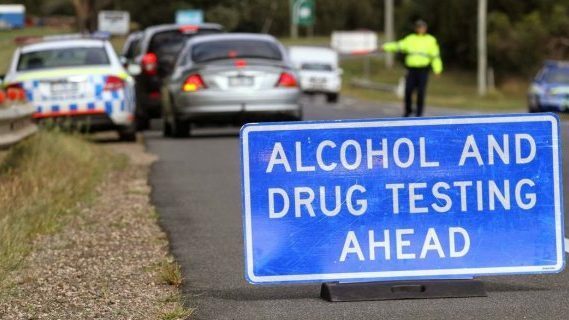

Introduction

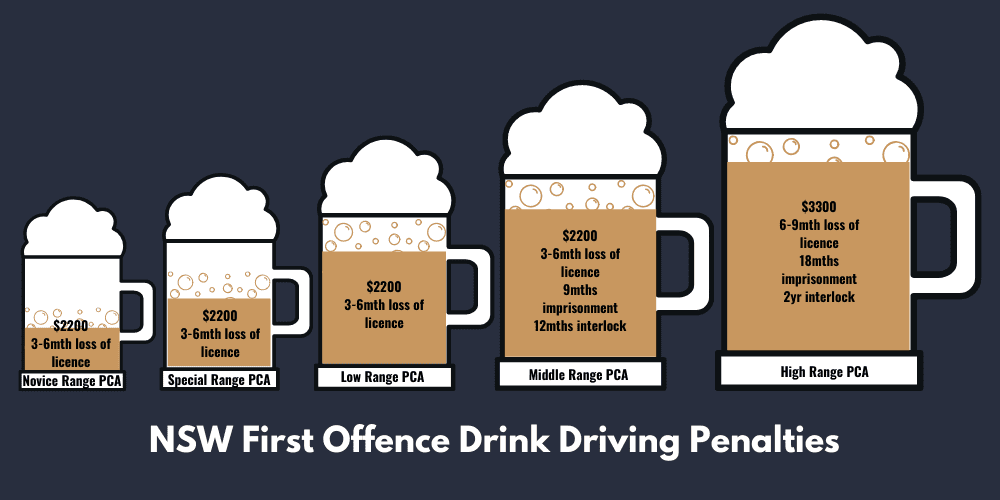
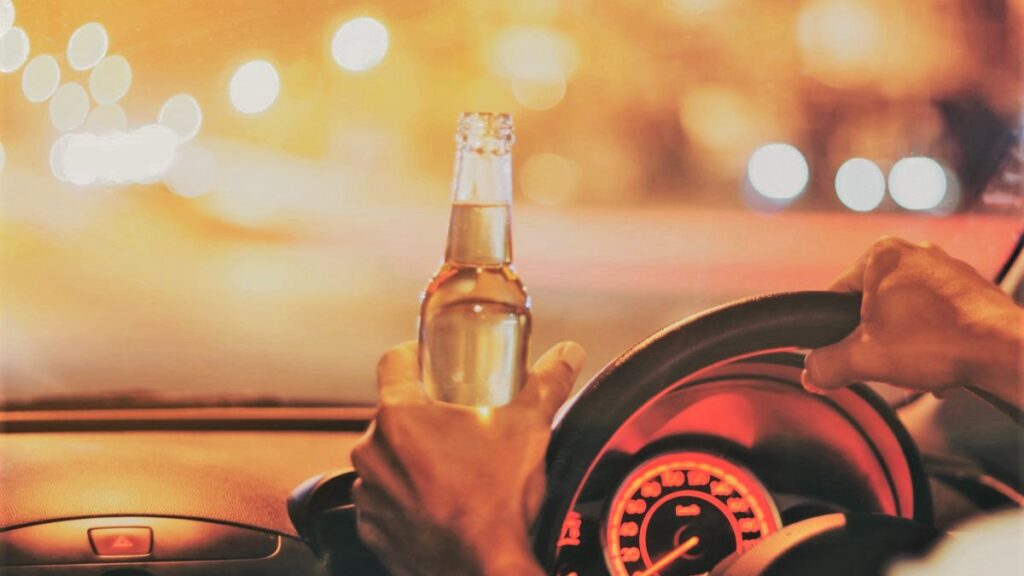
Driving under the influence of alcohol is a serious offense that poses significant risks to public safety. In New South Wales (NSW), as in all of Australia, drink driving is strictly prohibited and subject to penalties to deter individuals from engaging in this dangerous behavior. Understanding the points and penalties associated with drink driving in NSW is crucial to promote responsible and safe driving habits. In this article, we will explore the points system and penalties for drink driving in NSW to raise awareness and help drivers make informed choices on the road. How many points do you lose for drink driving NSW?

Drink Driving Penalties in NSW

1. Novice Range PCA (Prescribed Concentration of Alcohol)

For drivers who hold a learner, P1, or P2 license, the legal blood alcohol concentration (BAC) limit is zero. If caught driving with any alcohol in their system, they will face severe penalties, including fines, license disqualification, and demerit points.

The penalties for novice range PCA (BAC over zero but under 0.02) may include a fine of up to $1,100, an immediate three-month license suspension, and 4 demerit points. The license suspension will commence from the date of the offense, even if it is the driver’s first offense.

2. Special Range PCA

For drivers with a full license (not provisional or learner), the special range PCA applies to a BAC of 0.02 to 0.049. If caught driving with a special range PCA, drivers may face a fine of up to $1,100 and 3 demerit points. Though there is no immediate license suspension for this range, it’s essential to remember that repeat offenses may lead to more severe penalties.

How many points do you lose for drink driving NSW?

3. Low Range PCA

Low range PCA is characterized by a BAC level ranging from 0.05 to 0.079. For drivers caught with a low range PCA, the penalties are more severe than the special range. Offenders may be subject to a fine of up to $1,100, an automatic license suspension of three months (with the possibility of obtaining a provisional license for work purposes), and 6 demerit points.

4. Mid Range PCA

For drivers with a BAC level ranging from 0.08 to 0.149, they are considered to have a mid range PCA. The penalties for mid range PCA are significantly more severe than low range offenses. Offenders may face a fine of up to $2,200, an immediate license suspension of six months (with the possibility of obtaining a restricted license after three months), and 6 demerit points.

5. High Range PCA

High range PCA applies to drivers with a BAC level of 0.150 and above. This is the most serious drink driving offense in NSW, and the penalties reflect that severity. Offenders may face a fine of up to $5,500, an immediate license suspension of 12 months (with the possibility of obtaining a restricted license after six months), and 6 demerit points.

Demerit Points and License Disqualification

In addition to the immediate license suspensions mentioned for certain offenses, all drink driving convictions will result in the accumulation of demerit points. The number of demerit points varies depending on the severity of the offense, as outlined above. Accumulating demerit points can lead to longer license disqualifications and even license cancellations, depending on the number of points acquired.

lose for drink driving NSW

For instance, if a driver accumulates 13 or more demerit points within a three-year period, their license will be suspended. The length of the suspension depends on the number of points accumulated and whether the driver is a full license holder, a provisional license holder, or a learner driver. For drink driving pca lawyers in sydney click here.

Repeat Offenders

Repeat drink driving offenses are taken extremely seriously in NSW. If a driver commits multiple drink driving offenses within a short period, they can face much harsher penalties, including longer license disqualifications, higher fines, and even imprisonment in severe cases.

Seeking Legal Advice

If you are caught drink driving in NSW, it is crucial to seek legal advice as soon as possible. A qualified lawyer specializing in traffic offenses can assess your case, explain your rights, and help you navigate the legal process. Depending on the circumstances, a lawyer may be able to mitigate the penalties or explore avenues to have the charges dismissed.

Conclusion

Drink driving in NSW is a serious offense that carries significant penalties. From novice drivers with a zero-tolerance policy to high-range PCA offenders, understanding the points and penalties associated with drink driving is vital for all drivers. By making responsible choices and avoiding driving under the influence, we can all contribute to safer roads and protect the lives of ourselves and others. Remember, it is always best to plan ahead for a safe journey or use alternative transportation if you intend to consume alcohol.

Introduction

Driving under the influence of alcohol is a serious offense that can have severe consequences for both the driver and others on the road. In many jurisdictions, there are different levels of drink driving offenses based on the blood alcohol concentration (BAC) level. One of the most severe is high range drink driving, where the BAC exceeds the legal limit by a significant margin. In this article, we will explore what high range drink driving is, the potential penalties for this offense, and what you can do to avoid landing in jail.

Understanding High Range Drink Driving

High range drink driving refers to the act of operating a motor vehicle with a BAC that surpasses the legal limit set by the specific jurisdiction. The legal limit varies from country to country and sometimes even between states or provinces within a country. Typically, the legal limit is expressed as a percentage of alcohol in the bloodstream, such as 0.08% BAC in many places.

A high range drink driving offense occurs when the BAC significantly exceeds the legal limit. In some areas, this could be 0.15% BAC or higher, but it’s crucial to check the local laws to know the exact limit. Having a BAC at this level means the individual is substantially impaired, increasing the risk of accidents and endangering not only their life but also the lives of others on the road.

Potential Penalties for High Range Drink Driving

The penalties for high range drink driving can vary depending on the jurisdiction and the specific circumstances of the offense. However, they are generally more severe than penalties for low or mid-range offenses due to the heightened risk involved. Some common penalties for high range drink driving may include:

Will I go to jail for high range drink driving?

1. Incarceration

One of the most concerning consequences of high range drink driving is the possibility of jail time. In many places, a first-time high range offender may face a period of imprisonment. The duration of the sentence will depend on the local laws and the severity of the offense. Typically, the jail term can range from several months to a year or more.

2. Heavy Fines

In addition to jail time, high range drink driving offenders often face substantial fines. These fines can range from hundreds to thousands of dollars, depending on the jurisdiction and whether it’s a first-time or repeat offense. The purpose of such fines is to act as a deterrent and to compensate society for the costs associated with enforcing drink driving laws.

3. License Suspension

A high range drink driving conviction almost always leads to a significant driver’s license suspension. The duration of the suspension can range from months to years, depending on the local laws and the driver’s history. During this period, the individual will be unable to legally drive, which can severely impact their daily life and livelihood.

4. Probation and Community Service

In some cases, instead of or in addition to jail time, offenders may be sentenced to probation and community service. This means they must comply with certain conditions, such as regular check-ins with a probation officer and performing community service hours. Failure to adhere to these conditions may result in further penalties. For sydney family lawyers drink driving see here.

jail for high range drink driving

5. Ignition Interlock Device Installation

Some jurisdictions may require high range drink driving offenders to install an ignition interlock device (IID) in their vehicle. An IID is a breathalyzer installed in the car that prevents the engine from starting if alcohol is detected in the driver’s breath. This measure aims to deter repeat offenses and increase road safety.

Factors Affecting the Penalties

Several factors can influence the severity of the penalties for high range drink driving. These factors may include:

1. Previous Offenses

Repeat offenders typically face harsher penalties compared to first-time offenders. Multiple high range drink driving convictions indicate a pattern of irresponsible behavior and may result in more significant consequences.

2. Aggravating Circumstances

Aggravating circumstances, such as causing accidents, injuries, or fatalities while driving under the influence, can lead to more severe penalties. These situations may be classified as felonies and carry even lengthier jail sentences.

3. Legal Representation

Having legal representation during the legal proceedings can significantly impact the outcome of a high range drink driving case. A skilled attorney may be able to negotiate a plea deal or present a strong defense, potentially reducing the severity of the penalties.

Conclusion

High range drink driving is a serious offense that can lead to significant penalties, including imprisonment, hefty fines, license suspension, and more. To avoid such consequences, it’s essential to always designate a sober driver or use alternative transportation options if you plan on consuming alcohol. Remember, the safest choice is to never drink and drive. Always prioritize the safety of yourself and others on the road. If you find yourself facing charges related to high range drink driving, seek legal counsel immediately to understand your rights and options. Stay responsible, stay safe, and make responsible choices behind the wheel.

How Long Do You Lose Your Licence for High Range Drink Driving

Introduction

Driving under the influence of alcohol is a serious offense that puts not only the driver’s life at risk but also the lives of others on the road. In many jurisdictions, including , high range drink driving is considered one of the most severe offenses. High range drink driving refers to operating a motor vehicle with a blood alcohol concentration (BAC) that exceeds the legal limit by a significant margin. Offenders caught driving under such circumstances face severe penalties, including the suspension or revocation of their driver’s license. In this article, we will explore the consequences of high range drink driving, including the duration for which one may lose their license. How long do you lose your licence for high range drink driving?

Understanding High Range Drink Driving

Driving under the influence of alcohol is strictly prohibited due to its adverse effects on a driver’s ability to react promptly and make rational decisions on the road. The legal BAC limit varies from one country to another, but high range drink driving is generally defined as having a BAC level significantly higher than the legal limit. For instance, if the legal BAC limit in your jurisdiction is 0.08%, high range drink driving might be defined as having a BAC of 0.15% or higher. For drink driving pca see here.

Penalties for High Range Drink Driving

The penalties for high range drink driving are typically more severe than those for low or mid-range drink driving. These penalties are implemented to deter individuals from engaging in such dangerous behavior and to protect the safety of all road users.

Penalties: The specific penalties for high range drink driving vary depending on the laws of your country or state. However, common penalties may include fines, probation, mandatory alcohol education programs, community service, and imprisonment. In addition to these penalties, one of the most significant consequences is the suspension or revocation of the offender’s driver’s license.

Length of Licence Suspension: The length of the license suspension for high range drink driving is determined by the severity of the offense and the number of prior convictions on the individual’s record. First-time offenders may face a suspension period ranging from several months to a year. Repeat offenders may face longer suspension periods, and in some cases, their license may be permanently revoked.

Factors Affecting Licence Suspension Duration

Several factors influence the duration of license suspension for high range drink driving. These factors are considered by the authorities when determining the appropriate penalty for the offender.

BAC Level: The higher the driver’s BAC level at the time of the offense, the more severe the penalty is likely to be. A significantly elevated BAC indicates a higher degree of impairment and a greater risk to public safety.

Previous Offenses: Repeat offenders typically receive harsher penalties than first-time offenders. Multiple offenses demonstrate a pattern of dangerous behavior and a disregard for traffic laws and public safety.

Aggravating Circumstances: Certain aggravating circumstances, such as causing an accident while driving under the influence or endangering the lives of passengers, may lead to an extended license suspension.

Reinstating Your Driver’s License

After serving the suspension period, individuals convicted of high range drink driving may be eligible to have their driver’s license reinstated. However, the process of reinstatement is not automatic and varies by jurisdiction.

License Reinstatement Requirements

The requirements for license reinstatement generally include the following:

Completion of Suspension Period: The offender must serve the entire suspension period without committing any further offenses during this time.

Payment of Fines and Fees: Any outstanding fines, fees, or court costs related to the offense must be paid in full before license reinstatement.

Alcohol Education Program: In some cases, offenders may be required to complete an alcohol education or treatment program to address their drinking behavior.

Application Process: The individual must submit a formal application for license reinstatement and comply with all necessary paperwork.

Conclusion

High range drink driving is a dangerous offense that can have severe consequences. In addition to facing hefty fines and possible imprisonment, individuals caught driving under the influence with a significantly elevated BAC can expect to have their driver’s license suspended or revoked. The length of the license suspension depends on various factors, including the BAC level, previous offenses, and aggravating circumstances. It is essential to understand the laws related to drink driving in your jurisdiction and always make responsible choices when consuming alcohol. Remember, the best way to avoid the consequences of high range drink driving is to never drink and drive.

Understanding PCA Offences: A Comprehensive Guide

Introduction

Driving under the influence of alcohol or drugs is a serious offense in many countries, posing significant risks to public safety. One of the common acronyms associated with impaired driving is PCA, which stands for Prescribed Concentration of Alcohol. PCA offences are legal charges that pertain to exceeding the permissible limit of alcohol concentration while operating a vehicle. This article aims to provide a detailed insight into PCA offences, their consequences, and the importance of responsible driving.

What is PCA?

1. Definition of PCA

PCA, as mentioned earlier, stands for Prescribed Concentration of Alcohol. It refers to the maximum allowable blood alcohol concentration (BAC) level a driver can have while driving a motor vehicle. This limit is strictly defined by law to ensure road safety and minimize the risk of accidents caused by impaired driving.

2. PCA Limits

The PCA limits may vary from one country to another, and in some cases, they might even differ among different states or provinces. For instance, in the United States, the legal BAC limit is typically 0.08%, while some countries may set it at 0.05% or lower. Commercial drivers and young drivers might have even stricter limits.

Types of PCA Offences

1. Driving Under the Influence (DUI)

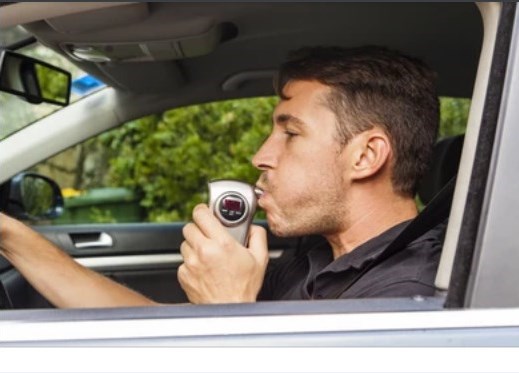
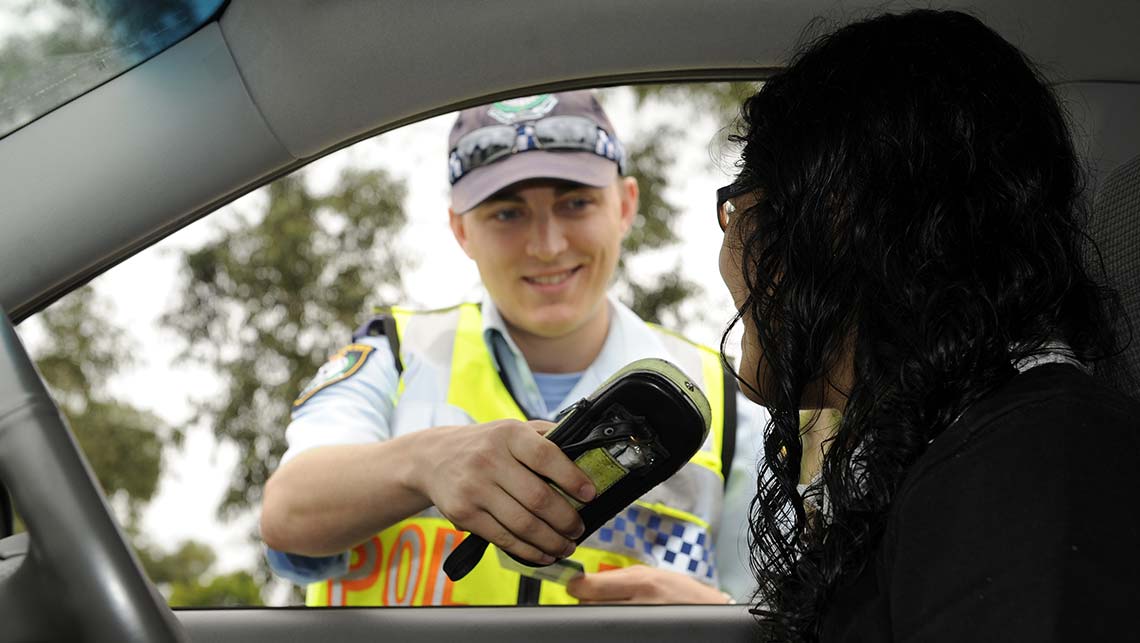
Driving under the influence (DUI) is one of the most common PCA offences. It occurs when a driver operates a vehicle while their BAC exceeds the legal limit. Law enforcement officers often use breathalyzers or blood tests to determine the BAC level during traffic stops or checkpoints.

What are PCA Offences?

2. Refusing to Provide a Breath or Blood Sample

In many jurisdictions, refusing to submit to a breathalyzer or blood test when suspected of impaired driving is considered a separate offence. Such refusal is often met with strict penalties, including fines, license suspension, and even imprisonment.

3. Graduated Licensing Scheme Offences

Some regions implement a graduated licensing system, which imposes stricter BAC limits on novice drivers than on experienced ones. PCA offences under this scheme may lead to immediate license suspension or cancellation, even for first-time offenders.

Consequences of PCA Offences

1. Legal Penalties

The penalties for PCA offences can be severe, and they typically increase with the severity of the offence and the number of prior convictions. Consequences may include fines, probation, community service, mandatory alcohol education programs, and even imprisonment.

2. License Suspension or Revocation

PCA offences often result in a suspension or revocation of the driver’s license. The duration of the suspension or revocation period varies depending on the jurisdiction and the number of previous convictions.

3. Impact on Insurance

Having a PCA offence on your record can significantly impact your auto insurance rates. Insurance providers may view you as a high-risk driver, leading to higher premiums or even denial of coverage.

4. Criminal Record

A PCA conviction may result in a permanent criminal record, which can have far-reaching consequences. This record can affect employment opportunities, housing applications, and various aspects of life. For drinking driving pca information see here.

PCA Offences

The Importance of Responsible Driving

1. Public Safety

Responsible driving is crucial for public safety. Impaired driving puts not only the driver at risk but also passengers, pedestrians, and other road users. By obeying PCA limits and refraining from driving under the influence, individuals can help reduce the number of accidents and save lives.

2. Legal and Ethical Obligations

As members of society, we have a legal and ethical duty to follow traffic laws and protect the well-being of others. Being responsible behind the wheel is not just about avoiding penalties; it’s about being accountable for our actions and making the roads safer for everyone.

3. Alternative Transportation

To prevent PCA offences, individuals should consider alternative transportation options when planning a night out or attending events where alcohol may be involved. Using taxis, rideshare services, or public transportation can help avoid impaired driving altogether.

Conclusion

In conclusion, PCA offences are serious legal charges that relate to driving under the influence of alcohol or drugs, exceeding the prescribed concentration of alcohol limit. These offences can have severe consequences, including legal penalties, license suspension, increased insurance premiums, and a permanent criminal record. It is essential for individuals to recognize the significance of responsible driving and make responsible choices to ensure public safety on the roads. By staying informed, following the law, and choosing alternative transportation when necessary, we can all contribute to a safer and more responsible driving culture.

Introduction

Driving under the influence (DUI) and Prescribed Concentration of Alcohol (PCA) are two terms often used interchangeably to describe impaired driving due to alcohol consumption. However, in New South Wales (NSW), Australia, these terms refer to distinct legal offenses with separate legal implications. Understanding the differences between PCA and DUI is crucial for drivers to make informed decisions and avoid potential legal consequences. In this article, we will explore the disparities between PCA and DUI in NSW and their implications on drivers.

1. What is PCA?

PCA stands for “Prescribed Concentration of Alcohol” and is an offense related to driving with a blood alcohol concentration (BAC) that exceeds the prescribed legal limit. In NSW, the legal BAC limit for fully licensed drivers is 0.05%. For specific categories of drivers, such as learners, probationary, and professional drivers, there is a “zero tolerance” policy, and any detectable level of alcohol in their system is considered a PCA offense.

1.1 Penalties for PCA

The penalties for PCA offenses in NSW depend on the severity of the offense and the driver’s previous record. First-time offenders may face fines, license suspension, and mandatory participation in alcohol education programs. Subsequent offenses can lead to more severe penalties, such as longer license suspensions and possible imprisonment.

2. What is DUI?

DUI, or “Driving Under the Influence,” is a broader term that encompasses not only alcohol but also other substances that can impair a person’s ability to drive safely, such as drugs (both illegal and prescription). Unlike PCA, DUI is not solely based on the driver’s BAC but focuses on whether the driver’s ability to operate a vehicle is substantially impaired by alcohol or drugs.

What is the difference between a PCA and a DUI in NSW?

2.1 Testing for DUI

Unlike PCA, which relies on BAC measurement through breath or blood tests, DUI is determined based on the observations and assessments of law enforcement officers. If an officer suspects a driver is impaired, they may conduct field sobriety tests, evaluate the driver’s behavior, and request a drug recognition expert to assess the driver’s condition.

2.2 Penalties for DUI

The penalties for DUI in NSW are also significant and vary based on the level of impairment, the presence of drugs or alcohol, and the driver’s history. Penalties for DUI may include fines, license suspension, mandatory participation in rehabilitation programs, and even imprisonment, especially in cases involving accidents, injuries, or fatalities.

3. Key Differences

3.1 Basis of Offense

The primary difference between PCA and DUI lies in the basis of the offense. PCA focuses specifically on the blood alcohol concentration exceeding the legal limit, while DUI encompasses impairment caused by alcohol or drugs, regardless of the measured BAC.

3.2 Testing Methods

PCA offenses rely on the results of breath or blood tests to determine the driver’s BAC level accurately. In contrast, DUI offenses are determined through observations, field sobriety tests, and assessments by drug recognition experts to evaluate the driver’s impairment level. https://www.sydneyfamilycriminaldefencelawyers.com.au/

3.3 Legal Thresholds

For PCA offenses, the legal threshold is straightforward: a BAC exceeding 0.05% for fully licensed drivers and “zero tolerance” for certain categories of drivers. In DUI cases, there is no specific legal threshold for alcohol or drug concentration, making it a more subjective offense to enforce.

3.4 Focus on Drugs

While PCA mainly deals with alcohol-related offenses, DUI is broader in scope, covering impairment caused by both alcohol and drugs. This makes DUI a more comprehensive offense that addresses a wider range of potential hazards on the road.

4. Conclusion

In summary, understanding the difference between PCA and DUI is crucial for drivers in NSW to comprehend the legal distinctions and potential consequences of impaired driving. While PCA revolves around exceeding the legal blood alcohol concentration, DUI is a broader offense encompassing impairment from both alcohol and drugs. Both offenses carry significant penalties, making it imperative for drivers to prioritize safety and responsible behavior behind the wheel. By staying informed and adhering to the legal limits, drivers can contribute to safer roads for themselves and others.

difference between a PCA and a DUI in NSW

Understanding High Range PCA for Drink Driving: Implications and Consequences

Introduction

Driving under the influence of alcohol is a dangerous and illegal act that poses significant risks to both the driver and others on the road. Police officers use a tool called a Breathalyzer to measure a driver’s blood alcohol concentration (BAC) quickly and accurately. If a driver’s BAC exceeds the legal limit, they may face various charges, depending on the level of intoxication. In this article, we will delve into the concept of “High Range PCA” (Prescribed Concentration of Alcohol) for drink driving and explore its implications and consequences.

What is High Range PCA?

High Range PCA refers to a situation in which a driver is caught driving with a significantly elevated BAC level, typically well above the legal limit. The specific legal BAC limit varies from country to country, but in most places, it is 0.08% for adult drivers. High Range PCA occurs when a driver’s BAC exceeds this limit, indicating severe intoxication.

Factors Influencing BAC Levels

Several factors can influence an individual’s BAC levels, making it important to be aware of them. These factors include:

Gender: Generally, women tend to have a higher BAC than men after consuming the same amount of alcohol due to differences in body composition and metabolism.

What is a high range PCA for drink driving?

Body Weight: Heavier individuals tend to have a lower BAC than lighter individuals who consume the same amount of alcohol. This is because alcohol disperses in a larger volume of body fluids.

Food Intake: Consuming food while drinking alcohol slows down its absorption, leading to a lower BAC compared to drinking on an empty stomach.

Rate of Consumption: The faster alcohol is consumed, the higher the BAC is likely to be, as the body has less time to metabolize it.

Implications of High Range PCA

1. Legal Consequences

The legal consequences of High Range PCA are severe and can vary depending on the jurisdiction and the individual’s prior history of offenses. Generally, these consequences may include:

License Suspension: A driver caught with a high BAC may face an immediate suspension of their driver’s license. The length of suspension varies, but it can be substantial, ranging from a few months to several years.

Fines and Penalties: Heavy fines and penalties are imposed on individuals convicted of High Range PCA. These fines can significantly impact an individual’s finances.

Probation: Some jurisdictions may impose probationary periods, during which the driver must comply with certain conditions to retain their driving privileges.

Ignition Interlock Devices: In some cases, the court may require the installation of ignition interlock devices in the driver’s vehicle. These devices prevent the car from starting if alcohol is detected in the driver’s breath.

high range PCA for drink driving

2. Criminal Record

A High Range PCA conviction often results in a criminal record, which can have long-lasting consequences. A criminal record can affect employment opportunities, housing applications, and even the ability to travel to certain countries. https://www.sydneyfamilycriminaldefencelawyers.com.au/drink-driving-pca/

3. Insurance Premiums

Drivers convicted of High Range PCA may face significantly increased insurance premiums or even difficulty obtaining car insurance. Insurance companies view such drivers as high-risk, which can lead to higher costs or policy cancellations.

Defenses and Legal Representation

1. Challenging the Accuracy of the Breathalyzer

One possible defense against High Range PCA charges is to challenge the accuracy of the Breathalyzer test. Breathalyzer machines require regular calibration and maintenance to ensure accurate readings. A skilled attorney may be able to identify potential errors in the testing process or the maintenance of the equipment.

2. Rising BAC Defense

Another defense strategy involves the “rising BAC” phenomenon, where a person’s BAC continues to increase after they have stopped drinking. This can happen if alcohol has not yet been fully absorbed into the bloodstream during the initial breath test.

3. Procedural Errors

An experienced attorney can also investigate whether any procedural errors occurred during the arrest or testing process, which could potentially lead to the dismissal of charges.

Conclusion

Driving under the influence of alcohol is a reckless and dangerous act that can have serious consequences for both the driver and others on the road. High Range PCA indicates severe intoxication and can lead to significant legal penalties, a criminal record, and increased insurance premiums. It is essential for individuals to be aware of the risks and to act responsibly by never driving after consuming alcohol. If facing High Range PCA charges, seeking legal representation from an experienced attorney is crucial to explore possible defenses and mitigate the potential consequences. Remember, it is always better to find alternative transportation options when alcohol is involved to ensure everyone’s safety on the road.

Why Might an Accused Bring a Defence?

Introduction

When someone faces criminal charges, their immediate response is often to mount a defense against the accusations. The legal system in any country allows accused individuals to present defenses that can either challenge the validity of the charges or justify their actions. A defense can significantly impact the outcome of a criminal case, determining whether the accused will be found guilty or acquitted. This article explores the reasons why an accused might bring a defense, understanding the importance of exercising their right to a fair trial. Why might an accused bring a defence?

The Presumption of Innocence

1. Exoneration and Avoiding Conviction

One of the primary motivations for an accused to bring a defense is to seek exoneration and avoid conviction. In most legal systems, there is a fundamental principle known as “presumption of innocence.” This principle dictates that an individual is presumed innocent until proven guilty beyond a reasonable doubt. By raising a defense, the accused is attempting to cast doubt on the prosecution’s case and demonstrate that the evidence presented is insufficient to establish guilt. A successful defense can lead to an acquittal, where the accused is absolved of all charges and their innocence is reaffirmed.

Why might an accused bring a defence?

2. Protection of Legal Rights

Another significant reason for bringing a defense is to protect one’s legal rights. The right to a fair trial is a cornerstone of any justice system, and an accused person must be afforded the opportunity to present their side of the story. By utilizing a defense strategy, the accused can ensure that their constitutional rights are upheld and that they have a chance to challenge any violations of those rights during the course of the trial.

Challenging the Prosecution’s Case

1. Disputing the Evidence

A defense is often centered around disputing the evidence presented by the prosecution. This may involve questioning the authenticity or admissibility of certain pieces of evidence, challenging the credibility of witnesses, or pointing out flaws in the investigative process. By undermining the strength of the prosecution’s case, the accused can create reasonable doubt in the minds of the jury or judge, making it harder for the prosecution to secure a conviction.

2. Establishing Alibi

In some cases, the accused may seek to establish an alibi as part of their defense. An alibi is evidence that proves the accused was somewhere else at the time the alleged crime took place. This can be done through witness testimonies, surveillance footage, or other forms of evidence that place the accused in a different location, making it impossible for them to have committed the crime. A solid alibi can be a powerful defense strategy, casting doubt on the accused’s involvement and weakening the prosecution’s case.

3. Claiming Self-Defense

When the accused’s actions resulted in harm to another person, they may argue self-defense as their legal defense. Self-defense claims that the accused acted to protect themselves from imminent harm, and their actions were necessary to prevent injury or death. This defense is often seen in cases of assault, battery, or even homicide, where the accused argues that their actions were in response to a perceived threat.

accused bring a defence

Understanding the Burden of Proof

1. Shifting the Burden

In many jurisdictions, the burden of proof lies with the prosecution. This means that the prosecution must present enough evidence to convince the judge or jury of the accused’s guilt beyond a reasonable doubt. The defense, on the other hand, does not carry the burden of proving innocence but rather seeks to challenge the prosecution’s evidence and create reasonable doubt. By understanding the burden of proof, the accused can strategically design their defense to exploit weaknesses in the prosecution’s case. For defence lawyers in sydney read on.

2. Preserving Appeal Grounds

Even in cases where the accused is found guilty, mounting a defense can serve to preserve grounds for appeal. If the accused believes that their trial was conducted unfairly or that legal errors were made during the proceedings, having a strong defense record can be crucial for later appeal efforts. By bringing a defense, the accused ensures that all relevant legal issues are raised and documented, strengthening their case for potential appeal if the initial trial results in a conviction.

Conclusion

In conclusion, an accused person may bring a defense for various reasons when facing criminal charges. From seeking exoneration and protecting legal rights to challenging the prosecution’s case and understanding the burden of proof, a well-constructed defense is critical to ensuring a fair trial. By exercising their right to a defense, an accused individual can present their version of events, challenge the prosecution’s evidence, and secure the best possible outcome in their case. The right to a defense is an essential aspect of any just legal system, promoting the principles of fairness, justice, and the presumption of innocence.

What Does the Defence Do in Court?

The Role of the Defence in a Courtroom

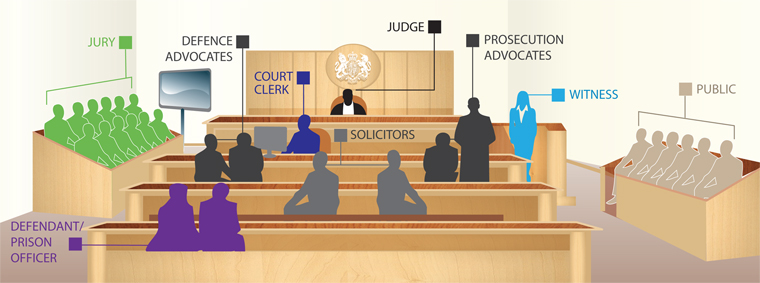
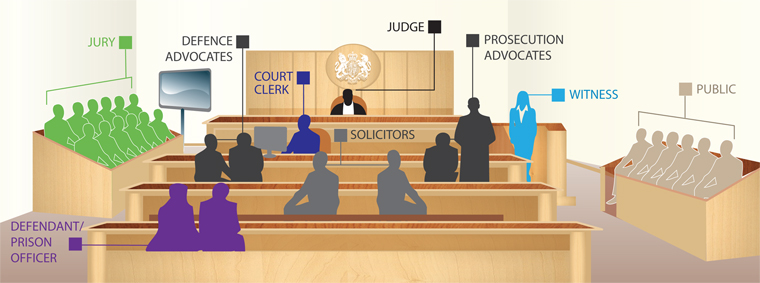
In the legal system, a courtroom is a battleground where two opposing parties present their cases before a judge or jury. The prosecution, representing the state or the victim, seeks to prove the guilt of the accused. On the other side, the defence plays a crucial role in advocating for the defendant and ensuring their rights are protected throughout the legal proceedings. Let’s delve deeper into the responsibilities and functions of the defence in court.

1. Ensuring Fair Representation

One of the primary functions of the defence is to provide fair representation for the accused. Every individual has the right to be represented by legal counsel, and the defence attorney takes on this responsibility. They are tasked with building a strong defence strategy and presenting it effectively in court.

2. Understanding the Charges

Before constructing a defence, the attorney must thoroughly comprehend the charges levied against the defendant. They review the evidence provided by the prosecution, analyze witness statements, and assess the credibility of any potential witnesses. This helps the defence to identify weaknesses in the prosecution’s case and to develop counterarguments.

What does the defence do in court?

3. Investigating the Case

A critical aspect of the defence’s role is conducting an independent investigation into the case. This involves gathering evidence, interviewing witnesses, and consulting with experts who can offer insights on various aspects of the case. The defence aims to uncover any information that may strengthen the defendant’s position or cast doubt on the prosecution’s claims.

4. Building a Defence Strategy

Based on the evidence collected, the defence attorney formulates a solid defence strategy. This strategy outlines how they will challenge the prosecution’s case and present arguments in favor of the defendant. It may involve presenting an alibi, raising reasonable doubt, proving mistaken identity, or showing that the accused acted in self-defense.

5. Representing the Defendant in Court

During the trial, the defence attorney represents the defendant in court. They cross-examine the prosecution’s witnesses, challenge the admissibility of evidence, and object to any improper legal procedures. The defence ensures that the defendant’s rights are protected, and they are treated fairly throughout the trial.

6. Negotiating Plea Deals

In some cases, the defence may engage in negotiations with the prosecution to reach a plea agreement. A plea deal involves the defendant pleading guilty to a lesser charge in exchange for a reduced sentence. The defence assesses the strength of the prosecution’s case and advises the defendant on whether accepting a plea deal is in their best interest.

defence do in court?

Importance of the Defence in Upholding Justice

The role of the defence in a court of law is not only essential for the individual accused but also for the overall pursuit of justice in society.

1. Protecting Individual Rights

Defence attorneys play a vital role in safeguarding the constitutional rights of the accused. These rights include the right to a fair trial, the right to remain silent, the right to confront witnesses, and the right to legal representation. The defence ensures that these rights are respected and upheld, even in the face of a compelling prosecution case.

2. Balancing the Legal Process

A robust defence is necessary to maintain the balance of the legal process. The adversarial nature of the courtroom requires both sides to present their arguments forcefully, enabling the judge or jury to make an informed and unbiased decision. A strong defence prevents the proceedings from becoming one-sided and helps prevent wrongful convictions.

3. Preventing Government Overreach

Defence attorneys act as a check on government power. By challenging the evidence and procedures used by the prosecution, they ensure that the state cannot abuse its authority and infringe upon the rights of individuals. This function is crucial in upholding the principles of democracy and ensuring a fair and just legal system. https://www.sydneyfamilycriminaldefencelawyers.com.au/our-services/

Conclusion

In conclusion, the defence plays a critical role in the courtroom, ensuring that the accused receives fair representation, their rights are protected, and justice is upheld. Through meticulous investigation, strategic planning, and skilled advocacy, defence attorneys are the guardians of the fundamental principles of the legal system. Their unwavering dedication to defending the accused ensures that the court reaches just and equitable decisions in every case. Society relies on the defence to maintain the integrity of the legal process, and their contributions are indispensable to a fair and balanced judicial system.

The Purpose of a Defence in Law: Understanding Its Significance

Introduction

In the realm of law, a defence serves as a crucial element in the pursuit of justice. When an individual faces legal charges or accusations, they have the right to defend themselves against these allegations. A defence is a legal strategy used to challenge the evidence presented by the prosecution and to provide a plausible explanation or justification for the accused’s actions. This article delves into the essential purpose of a defence in law, exploring its significance in ensuring fair trials and protecting individuals’ rights.

The Foundation of a Defence

The concept of a defence in law is firmly rooted in the principle that every accused person is presumed innocent until proven guilty. This presumption is a fundamental right granted to individuals within many legal systems across the globe. As such, the burden of proof lies with the prosecution to establish the guilt of the accused beyond a reasonable doubt. A defence, therefore, is not only a legal tactic but a fundamental aspect of justice to safeguard individuals from unjust convictions.

The Right to a Fair Trial

A defence plays a pivotal role in ensuring a fair trial for the accused. By exercising their right to a defence, the accused can challenge the prosecution’s case, cross-examine witnesses, and present evidence in their favor. This process helps level the playing field and ensures that the truth is sought diligently through the adversarial system. Without a defence, the trial process would lack balance, leaving the accused vulnerable to potential miscarriages of justice.

What is the purpose of a defence in law?

Types of Defences

Defences can vary significantly depending on the nature of the alleged crime and the specific legal jurisdiction. Some common types of defences include:

1. Self-Defence

Self-defence is a widely recognized defence that allows an individual to protect themselves or others from harm when faced with imminent danger. To successfully claim self-defence, the accused must demonstrate that their actions were proportionate and reasonable given the circumstances.

2. Alibi

An alibi is a defence that seeks to prove the accused was not present at the scene of the crime when it occurred. Alibi defences often rely on witnesses, video footage, or other evidence to establish the accused’s absence at the relevant time.

3. Insanity

The insanity defence is used when the accused’s mental state at the time of the crime was impaired to the point that they could not understand the wrongfulness of their actions. This defence seeks to address cases where the accused may require psychiatric evaluation and treatment rather than punishment. For criminal defence lawyers in sydney see this.

purpose of a defence in law

4. Duress

The duress defence applies when the accused committed a crime under the threat of serious harm or death, leaving them with no reasonable alternative but to commit the illegal act.

5. Mistake of Fact

Mistake of fact defences assert that the accused was genuinely unaware of crucial facts surrounding the alleged crime, leading to an honest and reasonable belief in their innocence.

Importance of Effective Legal Representation

Having access to skilled legal representation is essential for the proper implementation of a defence. Not everyone possesses an in-depth understanding of the law or the expertise required to navigate the complexities of legal proceedings. Competent defense attorneys play a crucial role in safeguarding the rights of the accused and ensuring they receive a fair trial.

1. Protecting Against Abuse of Power

In cases where the accused may not have the resources or knowledge to defend themselves adequately, legal representation acts as a safeguard against potential abuse of power by the prosecution or other parties involved in the legal process.

2. Presenting Compelling Arguments

Experienced defense attorneys are skilled in building compelling arguments that challenge the prosecution’s case, identify weaknesses in the evidence presented, and advocate on behalf of their clients. This thorough approach can significantly impact the outcome of a trial.

3. Negotiating Plea Deals

In some instances, a defence attorney may negotiate a plea deal with the prosecution, which can lead to reduced charges or penalties for the accused. This approach can be beneficial for both parties, as it avoids prolonged and costly trials.

Conclusion

The purpose of a defence in law is multifaceted, encompassing the protection of an accused individual’s rights, the pursuit of justice, and the maintenance of a fair legal system. Defences enable the accused to challenge the prosecution’s case, present their side of the story, and seek the truth within the confines of the law. While various types of defences exist, the core principle remains constant: the presumption of innocence until proven guilty. Through effective legal representation and a robust defence, individuals can navigate the complexities of the legal process with the aim of securing a just and fair outcome.

5.0
Based on 7 reviews
powered by Google
Halil Boz
09:48 09 May 23
After months of stress and anxiety, I was finally recommended to Rabia to sort some of my legal issues out. Rabia guided me throughout the whole process and got me an amazing outcome through the courts. Her proffesionilism and desire to get the best outcome for me took the worlds pressure off my shoulders. I didn't know how to return this favour so writing this review was the least I could do for not only a wonderful lawyer but an amazing human being. Please don't hesitate in reaching out to Rabia. It was the best decision I ever made. Thank You Rabia!!
Metin Salih
09:10 09 May 23
I would just like the share my experience with Rabia from Sydney Family and Criminal Defence Team. She worked very hard on my case and i ended up receiving a result I really was not expecting . She worked above and beyond my expectations and I couldn't recommend her highly enough. Thanks again Rabia for all the effort and long hours you put in to achieve what we did!
hulia boz
08:45 09 May 23
Professional and very very knowledgeable!
Wish I found them years ago.
Don’t settle for anything but the best!!
Shadia Ashrafi
07:58 09 May 23
Eda Boz
07:10 09 May 23