The Role of Intent in Firearm Danger
Understanding the role of intent in firearm-related incidents is critical in legal, social, and safety contexts. While firearms inherently carry risks, the presence or absence of intent behind their use often determines the severity of consequences, legal outcomes, and public perception. This article explores how intent shapes firearm danger, the legal frameworks governing intent, case examples, and the implications for policy and safety practices.
What Is Intent in Firearm Usage?
Intent refers to the mental state or purpose behind an individual’s action with a firearm. It determines whether the use of a firearm is deliberate, accidental, reckless, or defensive. Understanding intent helps differentiate between lawful and unlawful firearm use, influencing both legal responsibility and moral judgment.
Types of Intent
- Deliberate Intent: Purposeful use of a firearm to cause harm or commit a crime.
- Reckless or Negligent Intent: Disregard for safety leading to unintentional harm.
- Accidental Intent: No conscious intent to cause harm, often involving misuse or careless handling.
- Self-Defense Intent: Use of a firearm to protect oneself or others from imminent harm.
The Legal Importance of Intent in Firearm-Related Cases
Intent plays a pivotal role in the criminal justice system when determining culpability in firearm-related incidents. Different levels of intent correspond to different charges and penalties.
Intent and Criminal Charges
The legal system distinguishes between intentional acts and accidental occurrences with firearms:
- First-Degree Charges: Applied when there is clear evidence of deliberate intent, such as premeditated murder with a firearm.
- Second-Degree or Manslaughter: Charges when intent to kill is absent but reckless behavior causes death or injury.
- Negligence or Careless Use: Lesser charges often apply to accidental discharges or improper firearm storage resulting in harm.
- Justifiable Use: When firearm use is proven to be self-defense, charges may be dropped or reduced.
Proving Intent in Court
Intent is often inferred from evidence, including:
- Witness testimonies
- Actions before and after the incident
- Statements made by the defendant
- Forensic evidence
Because intent is a mental state, it can be challenging to prove, making legal outcomes complex.
Case Studies Demonstrating the Role of Intent
Real-world cases provide insight into how intent affects firearm-related legal decisions.
Case 1: The Deliberate Shooter
A 2017 case involved an individual who intentionally targeted a rival with a handgun during a public dispute. The clear evidence of premeditated intent led to first-degree murder charges and a life sentence. The deliberate nature of the act made the legal consequences severe.
Case 2: Reckless Discharge Leading to Injury
In 2019, a hunter discharged his firearm recklessly in a crowded area, injuring a bystander. The court ruled the act as reckless rather than intentional harm, resulting in a manslaughter conviction rather than murder. This case highlights how recklessness, even without intent to kill, carries heavy penalties.
Case 3: Accidental Shooting in a Residential Home
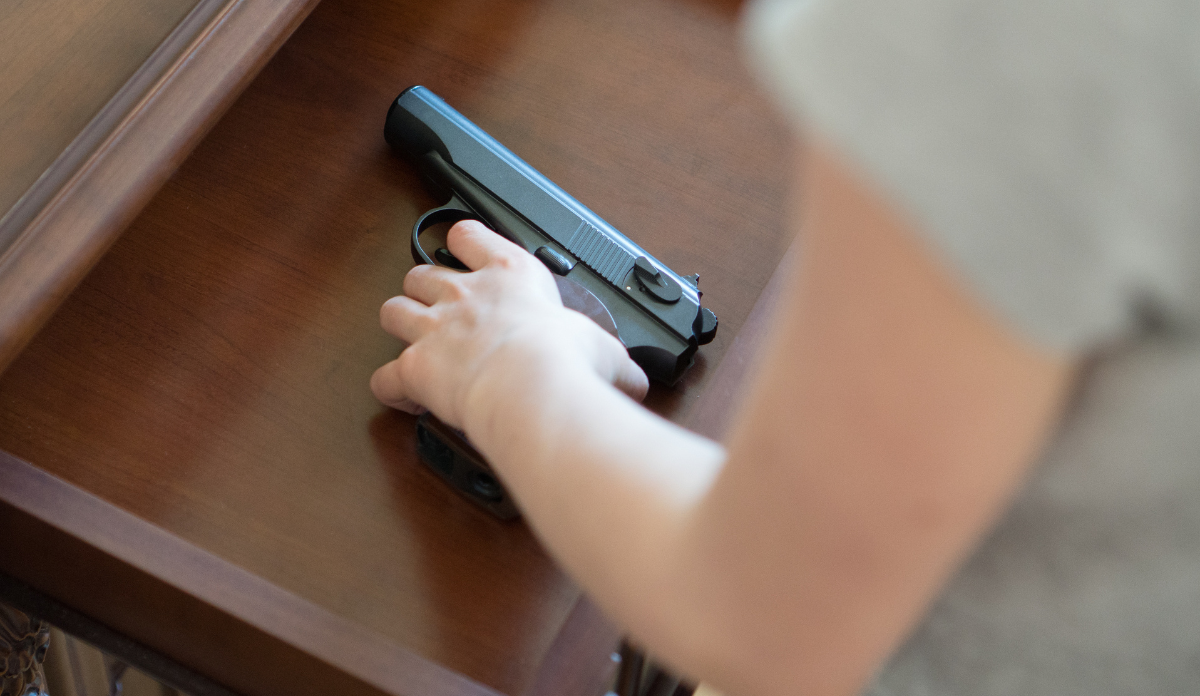
In a 2020 case, a homeowner’s child found an unsecured gun and accidentally discharged it, injuring a family member. The court focused on the negligent storage rather than intent to harm. The homeowner faced fines and license suspension but no criminal charges for assault or manslaughter.
Case 4: Self-Defense with a Firearm
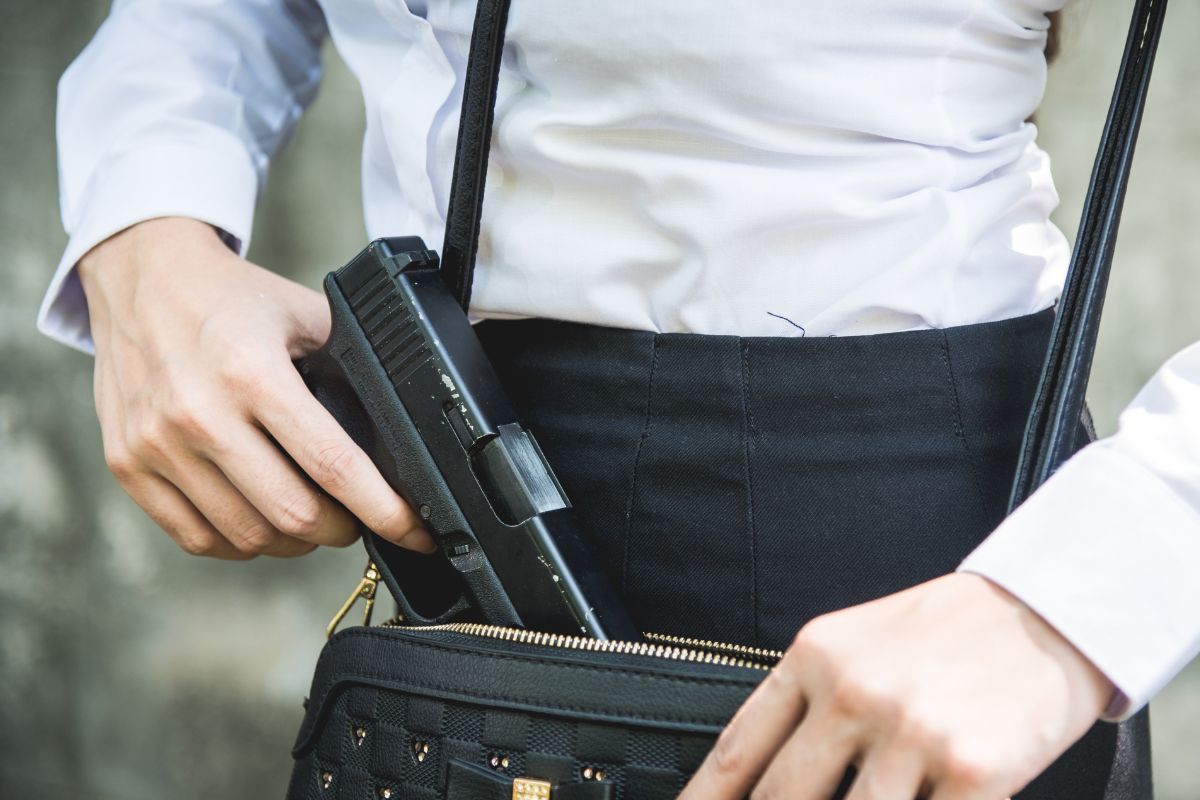
In a landmark case, a person used a firearm to stop an armed intruder. The court found that the use of force was justified and dismissed charges. The presence of defensive intent was crucial to the outcome.
Implications of Intent on Public Policy and Gun Safety
Understanding intent informs not only the legal process but also the development of gun safety policies and educational programs.
Shaping Firearm Legislation
Laws often distinguish between intentional misuse and accidents, leading to policies that emphasize:
- Strict penalties for intentional misuse
- Mandatory safe storage laws to prevent accidental injuries
- Training and education on responsible gun ownership
Promoting Responsible Gun Ownership
Gun safety campaigns focus on minimizing reckless and accidental use through:
- Safe handling protocols
- Secure storage requirements
- Awareness of legal consequences related to intent
Challenges in Assessing Intent in Firearm Danger
While intent is crucial, it is often difficult to determine conclusively, leading to challenges in enforcement and justice.
Ambiguity and Evidence Gaps
Cases without clear evidence may lead to prolonged investigations or plea deals, impacting victims and public confidence.
The Role of Mental Health
Mental health issues can complicate assessments of intent, as some individuals may not fully understand or control their actions, influencing both legal responsibility and treatment approaches.
Impact on Sentencing
Discrepancies in proving intent can lead to varied sentencing outcomes, sometimes perceived as unfair or inconsistent.
Conclusion: The Crucial Influence of Intent on Firearm Danger
The role of intent is fundamental in understanding and managing firearm danger. It shapes legal responsibility, influences public policy, and guides efforts to promote safety. Differentiating between deliberate, reckless, accidental, and defensive use allows legal systems to apply justice fairly and helps society develop targeted prevention strategies. For firearm owners and policymakers alike, recognizing the importance of intent is essential in reducing harm and fostering a culture of responsible gun use.