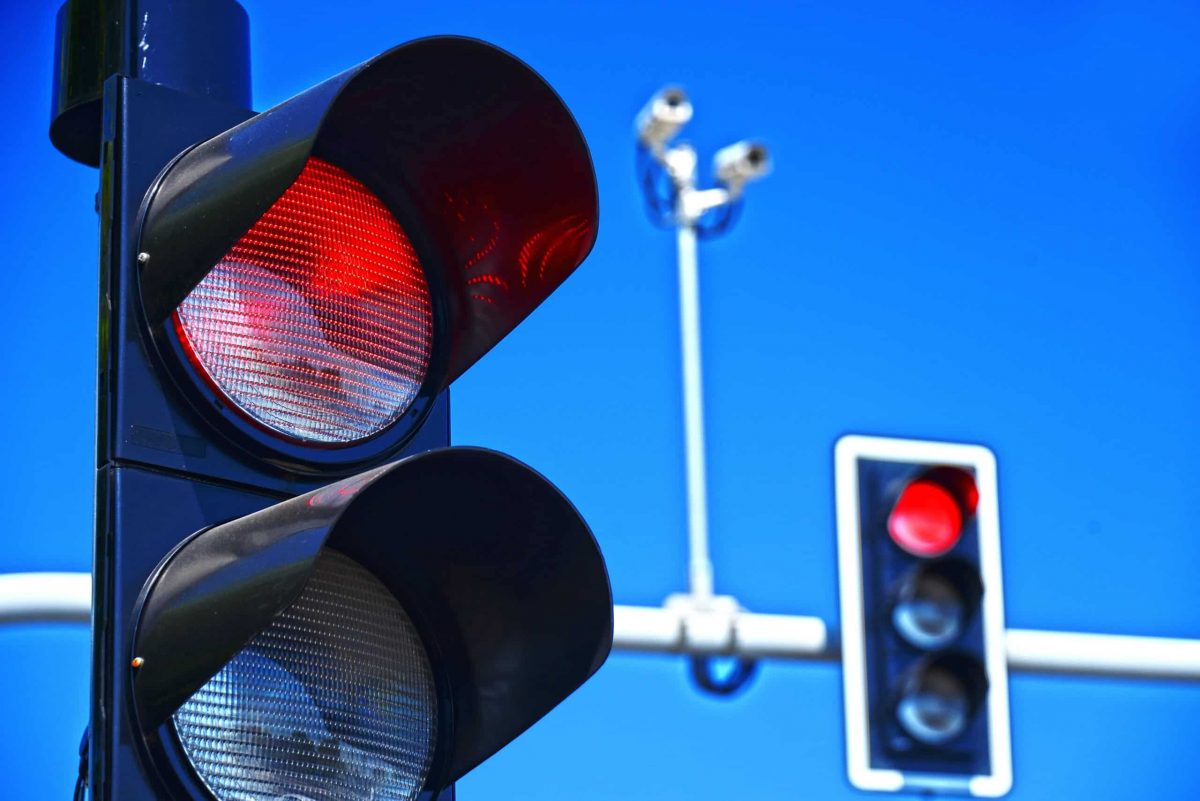
The Truth About Red Light Cameras: Safety or Revenue?

Red light cameras have sparked intense debate since their introduction at busy intersections worldwide. Supporters claim these cameras are essential tools for enhancing traffic safety, while critics argue they exist mainly to generate revenue for local governments. So, what is the truth behind red light cameras? Are they genuinely improving safety, or are they primarily cash machines? This article explores both sides of the debate, supported by data and expert opinions, to help you understand the reality of red light cameras.

What Are Red Light Cameras and How Do They Work?

Before diving into the controversy, it’s important to understand what red light cameras are and how they function. These automated devices are installed at intersections to detect and photograph vehicles running red lights. Equipped with sensors and cameras, they capture evidence of violations that lead to citations being mailed to the vehicle’s registered owner.

Technology Behind Red Light Cameras

Red light cameras operate using induction loops or radar sensors embedded in the pavement, which detect when a vehicle crosses the stop line after the light has turned red. Once triggered, the system takes high-resolution photos or videos showing the vehicle in violation, including license plate details, the traffic signal phase, date, time, and location.

Red Light Cameras and Traffic Safety: What the Data Shows

One of the strongest arguments in favor of red light cameras is their potential to improve road safety. Various studies have investigated whether these cameras effectively reduce accidents and save lives.

Reduction in Side-Impact Collisions

Research indicates that red light cameras significantly reduce T-bone or side-impact collisions, which tend to be severe and cause serious injuries or fatalities. According to the Insurance Institute for Highway Safety (IIHS), intersections with red light cameras have experienced up to a 25% decrease in these types of crashes.

Mixed Impact on Rear-End Collisions

However, the data also shows a more complex picture. While side-impact crashes decrease, some studies report an increase in rear-end collisions at intersections equipped with red light cameras. This happens because some drivers abruptly stop when the light turns yellow to avoid running a red light, leading to more rear-end crashes. Despite this, rear-end collisions generally result in less severe injuries compared to side-impact crashes.

Overall Impact on Traffic Fatalities

Meta-analyses combining multiple studies have found that red light cameras contribute to an overall reduction in traffic fatalities. The National Highway Traffic Safety Administration (NHTSA) estimates that widespread use of red light cameras could prevent thousands of deaths annually in the United States alone.

The Revenue Side of Red Light Cameras

Despite clear safety benefits, red light cameras also generate significant revenue for municipalities, raising concerns about potential conflicts of interest.

How Much Revenue Do Red Light Cameras Generate?

Red light camera fines often cost drivers between $50 and $150 per violation, depending on the jurisdiction. In many cities, cameras are responsible for millions of dollars in annual revenue. For example, in some large urban areas, red light camera programs generate tens of millions each year, which supports local government budgets.

Are Cameras Primarily Installed for Revenue?

This question fuels much of the skepticism around red light cameras. Critics argue that some jurisdictions prioritize installing cameras at locations that produce the highest ticket volume rather than areas with the most dangerous intersections. Additionally, there have been cases where cameras remained in place long after accident rates dropped, suggesting a revenue-driven motive.

Use of Revenue from Fines

Many cities reinvest red light camera revenue into transportation safety programs, infrastructure improvements, or public awareness campaigns. However, transparency varies, and in some cases, funds are absorbed into general budgets, which reduces public trust.

Legal and Ethical Concerns

The use of red light cameras raises important legal and ethical questions, especially related to due process and fairness.

Due Process and Ticketing

Red light camera tickets are typically issued to the vehicle owner, regardless of who was driving at the time of the violation. Critics argue that this can violate the principle of “innocent until proven guilty,” as owners must prove they were not driving or pay the fine regardless. Some jurisdictions offer options to contest tickets, but the burden often falls on the vehicle owner.

Privacy Concerns

Another issue is the privacy implications of constant surveillance. Opponents worry about the extent of monitoring and data collection on drivers’ movements, with some fearing misuse or lack of safeguards surrounding image storage and access.

Public Opinion on Red Light Cameras

Public attitudes towards red light cameras are divided and can vary widely depending on local experiences and enforcement practices.

Supporters of Red Light Cameras

Many drivers and safety advocates support cameras as a necessary deterrent that promotes safer driving habits and reduces accidents. They view the cameras as an impartial, consistent way to enforce traffic laws and save lives.

Critics and Opposition

Opponents often see red light cameras as unfair, revenue-driven, and prone to errors or misuse. Some local communities have successfully campaigned to remove or ban red light cameras, citing concerns over fairness and civil liberties.

The Future of Red Light Cameras: Balancing Safety and Fairness

As technology advances, so does the potential for smarter and fairer traffic enforcement.

AI and Improved Accuracy

Future red light camera systems may use artificial intelligence to more accurately identify violations, reduce false tickets, and even distinguish between different types of vehicles and traffic situations.

Enhanced Transparency and Accountability

There is increasing demand for clearer policies on how camera-generated revenue is used and improved procedures for contesting tickets, ensuring fairness for drivers.

Integration with Broader Traffic Safety Programs

Red light cameras are likely to become part of integrated smart traffic systems that dynamically manage traffic flow while enforcing laws, further enhancing road safety.

Conclusion

The truth about red light cameras is complex. While they undoubtedly contribute to reducing dangerous side-impact collisions and saving lives, they also serve as significant revenue sources for many municipalities. Concerns about fairness, privacy, and potential revenue-driven motives persist. For red light cameras to gain broader acceptance, transparency, technological improvements, and balanced policies that prioritize safety over revenue are essential.

Ultimately, understanding both sides of the debate can help drivers and policymakers make informed decisions about the role of red light cameras in our transportation systems.
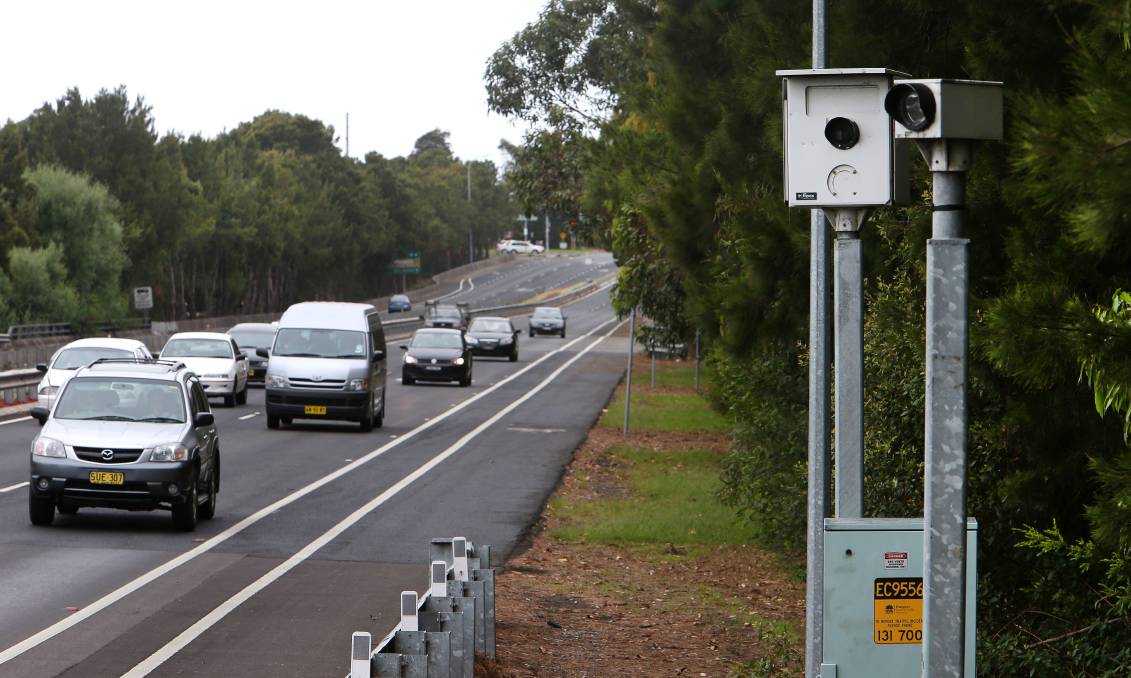
How Red Light Cameras Work: Everything You Need to Know

Red light cameras have become a common sight at intersections around the world. Designed to improve traffic safety and reduce accidents, these automated systems capture images of vehicles that run red lights. But how exactly do they work? In this comprehensive guide, we’ll break down everything you need to know about red light cameras — from their technology and installation to legal implications and controversies.

What Are Red Light Cameras?

Red light cameras are automated enforcement devices installed at intersections to monitor vehicles that enter the intersection after the traffic signal has turned red. When a driver runs a red light, the camera system captures photographic or video evidence, which can be used to issue a traffic violation citation.

The Purpose of Red Light Cameras

The primary goal of red light cameras is to deter drivers from running red lights, thereby reducing the number of T-bone collisions, which are often severe and cause significant injuries. By encouraging safer driving behavior, these cameras aim to improve overall traffic safety.

How Do Red Light Cameras Work?

The technology behind red light cameras combines sensors, cameras, and timing systems to accurately detect and document red light violations.

Sensors and Detection Systems

Red light cameras are typically paired with induction loop sensors embedded in the pavement at the stop line of an intersection. These sensors detect the presence of a vehicle and the exact moment it crosses the stop line after the traffic light has turned red.

  • Induction Loops: These are wire loops installed beneath the road surface. When a vehicle passes over the loop, it disrupts the magnetic field, signaling the system to activate the camera.
  • Radar or Infrared Sensors: Some newer systems use radar or infrared to detect vehicle movement, providing an alternative to induction loops.

Camera Operation and Image Capture

Once the sensors detect a vehicle running a red light, the camera is triggered to capture high-resolution images or video footage. Typically, two photos are taken:

  1. Photo One: Shows the vehicle approaching the intersection as the light turns red.
  2. Photo Two: Shows the vehicle inside the intersection during the red light phase.

These images usually include the license plate of the vehicle, the traffic signal status, date, time, and location of the violation. Many cameras also capture video clips as supplementary evidence.

Where Are Red Light Cameras Installed?

Red light cameras are strategically installed at intersections with a high frequency of red light violations or traffic accidents. Transportation authorities analyze crash data, traffic flow, and violation rates to determine which intersections would benefit most from automated enforcement.

Common Installation Locations

  • Busy urban intersections with frequent red light running incidents.
  • Intersections with a history of severe T-bone or side-impact collisions.
  • Areas with high pedestrian traffic to improve safety.
  • Intersections near schools or sensitive zones where safety is a priority.

Benefits of Red Light Cameras

Red light cameras have been praised for their ability to enhance traffic safety and change driver behavior. Here are some key benefits:

Improved Traffic Safety

Studies have shown that red light cameras can significantly reduce the number of red light violations and related crashes. By deterring risky driving behaviors, they help lower injury rates and save lives.

Automated Enforcement

Unlike manual enforcement by police officers, red light cameras operate 24/7, providing consistent monitoring without the need for a physical presence at intersections. This helps optimize law enforcement resources.

Revenue for Municipalities

Fines collected from red light camera tickets can generate revenue for local governments, which is often reinvested in traffic safety programs and infrastructure improvements.

Controversies and Criticisms of Red Light Cameras

Despite their benefits, red light cameras have faced criticism and controversy in many communities.

Are Red Light Cameras a Safety Tool or a Revenue Generator?

One common criticism is that some jurisdictions prioritize revenue collection over safety. Opponents argue that cameras are placed more to increase ticket issuance than to prevent accidents.

Accuracy and False Tickets

There have been concerns about the accuracy of red light cameras, including false positives where drivers are ticketed unfairly. Issues can arise due to sensor malfunction, improper camera calibration, or unclear images.

Impact on Rear-End Collisions

While red light cameras reduce T-bone crashes, some studies indicate a slight increase in rear-end collisions at camera-equipped intersections. This is often attributed to drivers abruptly stopping to avoid tickets.

Legal Considerations for Red Light Camera Tickets

If you receive a ticket from a red light camera, it is important to understand your legal rights and options.

How Are Tickets Issued?

Red light camera tickets are typically mailed to the registered vehicle owner. These citations usually include photographic evidence of the violation.

Challenging a Red Light Camera Ticket

You can often contest a red light camera ticket by requesting the evidence, questioning the camera’s accuracy, or presenting proof that you were not the driver. Some jurisdictions allow you to appear in court or pay a fine to settle the matter.

The Future of Red Light Cameras

Advancements in technology continue to improve red light camera systems, with newer models incorporating AI, better sensors, and integration with other smart city infrastructure.

Integration with Smart Traffic Management

Future systems may use AI to analyze traffic patterns in real-time and adjust signal timings dynamically, reducing congestion while still enforcing red light compliance.

Enhanced Data Analytics

Data collected from red light cameras can be used to improve urban planning, identify high-risk intersections, and implement targeted safety measures.

Conclusion

Red light cameras play a significant role in modern traffic safety by deterring red light violations and reducing dangerous collisions. While they are not without controversy, understanding how these systems work can help drivers navigate the roads more safely and respond appropriately if caught by one. As technology evolves, red light cameras are likely to become even more sophisticated, supporting safer and smarter cities worldwide.

Whether you view them as a helpful safety tool or a strict enforcement mechanism, red light cameras are an important part of today’s traffic management landscape.

Licence Appeal FAQs: Answers to Your Most Common Questions

If your driver licence has been suspended, revoked, or denied, navigating the appeal process can be confusing. Many people have questions about how licence appeals work, their rights, timelines, and outcomes. This comprehensive guide covers the most frequently asked questions about licence appeals, helping you understand what to expect and how to prepare for your case.

What is a Licence Appeal?

What does it mean to appeal a licence suspension or revocation?

A licence appeal is a formal process where you challenge the decision to suspend or revoke your driver licence. It allows you to present evidence, explain your situation, and request that the licensing authority reconsider the suspension or revocation.

Who can file a licence appeal?

Generally, any individual whose licence has been suspended or revoked has the right to appeal. The specific eligibility and procedures vary depending on your jurisdiction’s laws and regulations.

When and How to File a Licence Appeal

How soon must I file an appeal?

There is typically a strict deadline for filing an appeal after receiving your suspension notice, often ranging from 10 to 30 days. Missing this deadline may forfeit your right to appeal, so it is crucial to act promptly.

What is the process to file an appeal?

The process usually involves submitting a formal appeal request or application to the licensing authority or relevant administrative body. This may include filling out specific forms and providing supporting documentation.

Can I file an appeal online?

Many jurisdictions now offer online portals to file licence appeals, but some still require paper submissions or in-person requests. Check with your local department of motor vehicles or licensing office for specific procedures.

Understanding the Licence Appeal Hearing

What happens during an appeal hearing?

An appeal hearing is where you present your case before a hearing officer or administrative judge. You may provide evidence, testimony, and legal arguments to support your appeal. The licensing authority will review your information and make a decision.

Can I bring a lawyer or representative to the hearing?

In most cases, you can have legal representation or an advocate present at the hearing. This can be beneficial if your case is complex or involves serious violations.

Is the hearing public or private?

Licence appeal hearings are usually administrative and may not be open to the general public. However, rules vary by jurisdiction.

Common Outcomes of Licence Appeals

What are possible results of an appeal?

Appeal outcomes can include:

Reinstatement of your licence

Reduction of suspension duration

Conditional or restricted licences

Denial of the appeal, meaning the suspension remains in effect

How soon will I know the decision?

Decisions may be delivered immediately after the hearing or within several days to weeks, depending on the jurisdiction’s procedures.

What if my appeal is denied?

If your appeal is denied, you may have options to file further appeals or reapply for reinstatement after fulfilling certain conditions, such as completing courses or waiting out the suspension period.

Driving During the Appeal Process

Can I drive while my appeal is pending?

Typically, your licence suspension remains active during the appeal, meaning you cannot legally drive. Some jurisdictions may issue a temporary or restricted permit in specific situations, so check local rules carefully.

What are the risks of driving during suspension?

Driving while suspended can result in harsher penalties, fines, and extended suspensions. It’s crucial to comply with restrictions until the appeal is resolved.

Tips for a Successful Licence Appeal

How can I improve my chances of winning an appeal?

File your appeal promptly and follow all procedural rules

Present clear, honest, and well-organized evidence

Consider legal advice or representation for complex cases

Demonstrate corrective actions such as traffic school or treatment programs

Stay respectful and professional during the hearing process

What kind of evidence should I submit?

Relevant evidence can include medical records, traffic school certificates, witness statements, proof of insurance, and any documents supporting your explanation or mitigating circumstances.

Additional Frequently Asked Questions

Can I appeal a licence suspension caused by a DUI?

Yes, but DUI-related appeals are often more complex and may require legal expertise. Strict penalties and procedures typically apply.

Is there a fee to file a licence appeal?

Some jurisdictions charge a fee for processing appeals, while others do not. Check your local regulations to understand any costs involved.

Can I request a hearing date if I miss the initial appointment?

You should contact the licensing authority immediately if you miss a hearing date. Some jurisdictions may allow rescheduling for valid reasons, but policies vary.

Are licence appeal decisions final?

Appeal decisions can sometimes be further appealed to higher administrative bodies or courts, depending on local laws.

Conclusion

Licence appeals can be a complex but vital process for individuals seeking to regain their driving privileges after suspension or revocation. Knowing your rights, understanding timelines, and preparing thoroughly can significantly improve your chances of success.

If you have specific concerns or face serious penalties, consulting a legal professional specializing in traffic law may be beneficial. Stay informed, act promptly, and follow all procedures to ensure your appeal is handled effectively.

How Long Do Licence Appeals Take? Understanding the Timeline

If your driver licence has been suspended or revoked, you may be considering filing an appeal. One of the most common questions people have is: How long do licence appeals take? Understanding the typical timelines and factors influencing the duration can help you manage expectations and plan accordingly. This article explains the licence appeal process duration in detail, including what affects the timing and what you can do to expedite your case.

What is a Licence Appeal?

A licence appeal is a formal request to challenge the suspension or revocation of your driver licence. Appeals give you the opportunity to present your case, contest the reasons for suspension, and request reinstatement of your driving privileges.

Appeal timelines vary depending on your jurisdiction, the nature of the suspension, and the complexity of your case.

Typical Timeframes for Licence Appeals

Initial Filing to Hearing Date

Once you file your appeal, there is usually a waiting period before the hearing or review takes place. This waiting period can range widely:

Shorter Timeframes: Some jurisdictions schedule hearings within 2 to 4 weeks of receiving your appeal.

Longer Timeframes: Others may take several months, especially if there is a backlog of cases or if the suspension relates to serious violations like DUI.

It’s important to file your appeal promptly to avoid delays and ensure your case is scheduled as soon as possible.

Hearing Duration

The actual hearing or review session typically lasts between 15 minutes to an hour. The length depends on:

The complexity of your case

Number of witnesses or evidence presented

Whether legal representatives are involved

After the hearing, some jurisdictions give an immediate decision, while others take time to review before responding.

Post-Hearing Decision Time

After the hearing, you may wait days to several weeks for a written decision. Some agencies provide verbal decisions at the hearing, but formal documentation can take longer.

Factors That Affect How Long Licence Appeals Take

1. Jurisdiction and Local Procedures

Different states or countries have their own rules and processes for handling licence appeals. Some have streamlined systems with quick turnaround times, while others may have more bureaucratic steps that extend timelines.

2. Case Complexity

Simple cases, like minor traffic violations, generally resolve faster than complicated ones involving serious offenses such as DUIs or multiple infractions. Complex cases may require additional evidence gathering, expert testimonies, or legal review.

3. Volume of Appeals

High caseloads in a particular DMV or licensing authority can cause delays. Backlogs mean you might wait longer for your hearing date and decision.

4. Completeness of Your Appeal Submission

Submitting all required documents and evidence promptly helps speed up the process. Incomplete or incorrect submissions may lead to requests for more information and delays.

5. Legal Representation

Having an attorney can sometimes speed up the process by ensuring proper paperwork and strong presentation. However, complex legal strategies can also extend timelines if additional hearings or appeals are involved.

How to Minimize Delays in Your Licence Appeal

File Your Appeal Immediately

Don’t wait to file your appeal. Acting quickly helps avoid missing deadlines and reduces unnecessary delays.

Prepare Complete Documentation

Ensure you submit all required forms, evidence, and supporting documents at the outset.

Follow Instructions Carefully

Adhere strictly to appeal procedures and guidelines provided by the licensing authority.

Stay in Contact with the Appeals Office

Check in periodically to confirm receipt of documents and the status of your case.

Consider Legal Assistance

An experienced attorney can help you navigate the process efficiently and may prevent unnecessary delays.

What to Expect After Your Licence Appeal

After your appeal is decided, the outcome may include:

Reinstatement of Licence: Your suspension may be lifted fully or partially.

Modified Penalties: You might receive a reduced suspension or conditional licence.

Denial of Appeal: The suspension is upheld, and you must comply with the original terms.

If denied, you may have further options for additional appeals or reinstatement after the suspension period ends.

Common Questions About Licence Appeal Timelines

Can I drive while my appeal is pending?

Usually, your suspension remains in effect during the appeal process. However, some jurisdictions may issue temporary permits in special cases.

What happens if I miss the appeal deadline?

Missing the deadline typically means you lose the right to appeal. Contact the licensing authority immediately to inquire about any possible exceptions.

How long does it take to get a decision after the hearing?

This varies, but expect anywhere from a few days to several weeks depending on the authority’s procedures.

Conclusion

The timeline for licence appeals varies significantly based on jurisdiction, case complexity, and procedural factors. While some appeals may be resolved within weeks, others can take several months. Acting quickly, submitting complete documentation, and following appeal procedures closely can help minimize delays.

Understanding the typical durations and what influences them allows you to plan accordingly and reduce stress during the appeal process. If you’re unsure about your case or facing complex issues, seeking legal advice can also be beneficial.

By staying informed and proactive, you increase your chances of a timely and favorable resolution.

What to Include in an Appeal Letter: A Comprehensive Guide

Writing an effective appeal letter can be the key to overturning a decision such as a driver licence suspension, denial, or any other administrative action. To maximize your chances of success, your appeal letter must be clear, concise, and include all necessary information. This article breaks down exactly what to include in an appeal letter, with step-by-step guidance to help you write a professional and persuasive letter.

Why is an Appeal Letter Important?

An appeal letter is your formal opportunity to present your side of the story and explain why a decision should be reconsidered. It serves as a documented explanation for authorities or a review board to understand your case better. Including the right information can influence the outcome and potentially lead to a reversal of the decision.

Key Elements to Include in Your Appeal Letter

1. Your Contact Information

Start with your full name, address, phone number, and email. This ensures the recipient knows who you are and can contact you easily if they need more information.

Example:
John Smith
123 Main Street
Anytown, USA 12345
Phone: (555) 123-4567
Email: john.smith@email.com


2. Date of the Letter

Always include the date at the top of your letter. This is important for record-keeping and verifying that you submitted the appeal within any required deadlines.

3. Recipient’s Details

Address the letter to the specific person or department responsible for handling appeals. If the appeal instructions list a contact name or department, use that information.

Example:
Department of Motor Vehicles
Appeals Office
456 Government Lane
Anytown, USA 12345

4. Subject Line or Reference Number

Include a clear subject line or reference number related to your case or suspension. This helps the recipient quickly identify your file.

Example:
Subject: Appeal of Licence Suspension – Case #ABC12345

5. Clear Statement of Purpose

Begin the letter by stating that you are writing to formally appeal the decision. Clearly mention what decision you are appealing and when it was made.

Example:
“I am writing to formally appeal the suspension of my driver licence, issued on March 1, 2025.”

6. Explanation of the Situation

Provide a detailed, factual explanation of the events or circumstances that led to the decision. Be honest and avoid emotional language. Stick to relevant facts that support your appeal.

Example:
“On January 15, 2025, I was cited for a speeding violation. However, I believe there were mitigating factors, including poor visibility due to heavy fog, which I was unaware of at the time.”

7. Grounds for Appeal

Clearly outline the reasons why you believe the decision should be reconsidered. This might include errors in the original decision, new evidence, or mitigating circumstances.

Examples:

Procedural errors during the suspension process

Incorrect or insufficient evidence

Completion of corrective programs such as traffic school or rehabilitation

Medical conditions impacting your ability to comply

8. Supporting Evidence

Mention any supporting documents you are attaching with the letter, such as medical certificates, proof of completed courses, or witness statements. Refer to these documents in the letter.

Example:
“Attached are copies of my traffic school completion certificate and a letter from my physician regarding my medical condition.”

9. Request for Specific Action

Clearly state what you want the recipient to do, such as lifting the suspension or reducing penalties.

Example:
“I respectfully request that the suspension on my driver licence be reconsidered and lifted based on the information provided.”

10. Closing and Signature

Close your letter politely, thanking the reader for their time and consideration. Sign your name at the bottom of the letter.

Example:
“Thank you for your time and consideration. I look forward to your positive response.”

Sincerely,
John Smith

Additional Tips for Writing an Effective Appeal Letter

Be Concise but Detailed

Keep your letter clear and to the point, but don’t omit important details. Avoid unnecessary information that doesn’t support your case.

Use Professional Language

Maintain a respectful and professional tone. Avoid emotional or accusatory language.

Proofread Carefully

Errors can make your letter look unprofessional. Double-check for grammar and spelling mistakes.

Follow Appeal Instructions Exactly

Some agencies require specific forms or formats. Make sure you follow all instructions to avoid rejection.

Keep Copies

Always keep a copy of your appeal letter and any attachments for your records.

Sample Appeal Letter Outline

Here’s a simple outline you can follow when writing your appeal letter:

Your contact information

Date

Recipient’s contact information

Subject line or reference number

Greeting

Statement of purpose

Explanation of situation

Grounds for appeal

List of supporting documents

Specific request

Closing and signature

Conclusion

Writing a well-structured appeal letter is crucial when contesting decisions like licence suspensions or fines. By including clear contact details, a concise explanation, solid grounds for appeal, and supporting evidence, you make it easier for the reviewing authority to understand your case and rule in your favor.

Always remember to keep the tone professional, meet deadlines, and follow the specific appeal instructions provided. A strong appeal letter can significantly increase your chances of a positive outcome.

Licence Appeal Process Explained: Step-by-Step Guide to Regaining Your Driving Privileges

Losing your driver licence due to suspension or revocation can be overwhelming. However, understanding the licence appeal process is essential if you want to challenge the suspension and potentially restore your driving privileges. This article explains the licence appeal process in detail, guiding you through each step and offering tips to improve your chances of success.

What is a Licence Appeal?

A licence appeal is a formal request to contest a driver licence suspension or revocation. When your licence is suspended, you typically have the right to appeal the decision through an administrative hearing or court process. This allows you to present your case, challenge the grounds for suspension, and seek reinstatement of your licence.

Appeals are crucial for those who believe the suspension was unfair or want to demonstrate rehabilitation or mitigating factors.

Common Reasons for Licence Suspension

Before initiating an appeal, it’s important to understand why licences get suspended. Common causes include:

Licence Appeal Process Explained

Driving under the influence (DUI) or driving while intoxicated (DWI)

Accumulating excessive traffic violation points

Failure to pay traffic fines or appear in court

Driving without valid insurance

Medical conditions impacting driving ability

Knowing the reason helps you tailor your appeal to address the specific issues.

Step-by-Step Licence Appeal Process

Step 1: Receive Suspension Notice

The process starts when you receive a formal suspension notice from the department of motor vehicles (DMV) or the relevant authority. This notice will explain the reason for suspension, duration, and instructions on how to appeal.

Step 2: Understand Your Rights and Appeal Options

The suspension notice usually includes information on your right to appeal and the deadlines involved. It’s critical to understand these rights and ensure you don’t miss the filing window—appeals often must be filed within 10 to 30 days of receiving the notice.

Research your jurisdiction’s appeal procedures as they can vary.

Step 3: File Your Appeal

To initiate the appeal, you must submit the required paperwork. This may involve:

Filling out an appeal form

Writing a formal appeal letter explaining why you contest the suspension

Requesting a hearing

Ensure you follow the instructions carefully and submit your appeal before the deadline.

Step 4: Prepare for the Hearing

Many appeals require an administrative hearing where you will present your case. Preparation is essential:

Gather supporting evidence such as medical records, proof of course completions, or witness statements

Organize your documents logically

Practice explaining your case clearly and calmly

Consider legal representation if your case is complex

Step 5: Attend the Hearing

At the hearing, you will have the opportunity to present your arguments, answer questions, and submit evidence. Hearings are typically conducted by a DMV hearing officer or administrative law judge.

Maintain professionalism and stick to facts during your presentation.

Step 6: Receive the Decision

After the hearing, you will receive a written decision. The suspension may be upheld, reduced, or overturned depending on the evidence and arguments.

If your appeal is successful, you may have to comply with reinstatement requirements such as paying fees, attending traffic school, or undergoing medical evaluations.

Tips to Improve Your Licence Appeal Success

Act Quickly: Meet all deadlines and start your appeal as soon as possible.

Be Thorough: Provide clear, well-organized evidence supporting your case.

Stay Professional: Remain respectful and factual during hearings and communications.

Seek Legal Advice: Consult an attorney if you face complex legal issues or serious violations.

Address the Suspension Reason: Directly tackle the grounds for suspension and show corrective actions taken.

Common Questions About the Licence Appeal Process

Can I drive while my appeal is pending?

In most cases, the suspension remains active during the appeal process. However, some jurisdictions may issue a temporary permit under specific circumstances.

What if I miss the appeal deadline?

Missing the deadline often means losing your right to appeal. Contact the DMV or a legal expert immediately to explore possible exceptions or alternative remedies.

How long does the appeal process take?

The duration varies widely but typically takes a few weeks to several months, depending on the complexity of your case and local procedures.

Conclusion

Understanding the licence appeal process is vital if you want to challenge a suspension and get back on the road legally. By acting promptly, preparing thoroughly, and presenting a clear, well-supported case, you improve your chances of a successful appeal.

If you’re unsure about any step, consider consulting a legal professional who specializes in traffic law or licence appeals. Taking control of the process is the first step toward regaining your driving privileges.

Tips for Winning Licence Appeals: How to Get Your Driving Privileges Back

Losing your driver licence due to suspension or revocation can be a major setback. However, if you believe the suspension was unjustified or there are valid reasons to regain your driving rights, you can file an appeal. Winning a licence appeal requires careful preparation, understanding of the process, and presenting a strong case. This article covers essential tips for winning licence appeals to help you successfully restore your driving privileges.

Understanding Licence Appeals

Before diving into the tips, it’s important to understand what a licence appeal involves. A licence appeal is a formal request to challenge the suspension or revocation of your driver licence. Appeals are typically submitted to the department of motor vehicles (DMV) or an administrative hearing board.

Successful appeals often depend on presenting valid reasons, evidence, and procedural arguments to convince the authorities that the suspension should be lifted or reduced.

Tips for Winning Licence Appeals

Key Tips for Winning Your Licence Appeal

1. Act Quickly and Meet All Deadlines

Time is crucial when appealing a licence suspension. Most jurisdictions set strict deadlines—sometimes as short as 10 to 30 days—from the date you receive your suspension notice. Missing the deadline usually means losing your right to appeal.

Immediately review the suspension notice, note the deadline, and start preparing your appeal without delay.

2. Understand the Reason for Your Suspension

Knowing exactly why your licence was suspended or revoked is critical. Common reasons include:

DUI or DWI convictions

Accumulating too many traffic violation points

Failure to pay fines or appear in court

Driving without insurance

Medical reasons affecting your ability to drive

Understanding the specific grounds for suspension will help you focus your appeal on addressing those issues.

3. Gather Strong Supporting Evidence

Your appeal is only as strong as the evidence you present. Collect all relevant documents that can support your case, such as:

Medical records proving fitness to drive

Proof of completing DUI education or rehabilitation programs

Traffic school certificates

Witness statements or affidavits

Police reports or incident details that challenge the suspension reason

Organize your evidence clearly and reference it during your appeal.

4. Write a Clear and Concise Appeal Letter

If the appeal process requires submitting a written statement, make sure your letter is well-structured and professional. Key points to include:

Your full name, licence number, and contact details

Clear explanation of why you are appealing

Relevant facts and evidence supporting your claim

Any mitigating circumstances or corrective actions you have taken

A respectful request to reinstate your licence

Avoid emotional language; stick to facts and remain polite.

5. Prepare Thoroughly for the Hearing

Many licence appeals involve an administrative hearing. Preparation is key:

Practice explaining your case clearly and confidently

Organize all documents and bring copies for the hearing panel

Anticipate questions and prepare answers

Consider hiring a lawyer or advocate experienced in licence appeals

Being well-prepared increases your chances of a favorable outcome.

6. Highlight Mitigating Circumstances

If there are factors that lessen your responsibility or demonstrate reform, emphasize these in your appeal. Examples include:

Attending rehabilitation or alcohol education programs

Evidence of clean driving record before the incident

Medical conditions that have been treated

Financial hardship or family obligations affected by the suspension

Mitigating circumstances can persuade decision-makers to grant leniency.

7. Stay Professional and Respectful Throughout the Process

How you present yourself matters. Be polite and professional in all communications and during hearings. Avoid blaming officials or using aggressive language. A respectful approach can positively influence the outcome.

Common Mistakes to Avoid in Licence Appeals

Missing Deadlines

Failing to file your appeal on time is the most common and avoidable mistake.

Providing Insufficient Evidence

Appeals without supporting documentation are often dismissed.

Being Unprepared for the Hearing

Not practicing or organizing your materials can weaken your case.

Relying on Emotional Appeals

Stick to facts and legal grounds rather than emotional pleas.

Ignoring Legal Advice

Consulting an attorney can significantly improve your chances.

What Happens After You Win Your Licence Appeal?

If your appeal is successful, the suspension will be lifted or reduced, and you can resume driving, sometimes under certain conditions such as probation or restricted privileges. Make sure to comply with all reinstatement requirements like paying fees or attending courses.

If your appeal is denied, you may have options for further appeals or alternative legal remedies. Consult a legal expert to explore next steps.

Conclusion

Winning a licence appeal requires timely action, a clear understanding of the suspension reasons, strong evidence, and professional presentation. By following these tips and avoiding common mistakes, you can maximize your chances of regaining your driving privileges.

Remember, preparation and respect go a long way in appeals. If your case is complex, don’t hesitate to seek legal assistance to guide you through the process.

How to Appeal a Licence Suspension: A Complete Guide

Having your driver licence suspended can be stressful and disruptive. Fortunately, in many cases, you have the right to appeal the suspension. Understanding how to appeal a licence suspension correctly can help you restore your driving privileges sooner and avoid further complications. This guide will walk you through the appeal process step-by-step, providing valuable tips and insights to increase your chances of success.

What is a Licence Suspension?

A licence suspension occurs when the government temporarily removes your driving privileges due to violations such as accumulating too many traffic points, DUI offenses, or failure to pay fines. During the suspension period, you are legally prohibited from driving. Ignoring a suspension can lead to additional penalties, including fines, longer suspension periods, or even licence revocation.

How to Appeal a Licence Suspension

Reasons for Licence Suspension

Before diving into the appeal process, it’s important to understand why your licence might be suspended. Common reasons include:

  • Driving under the influence (DUI) or driving while intoxicated (DWI)

  • Accumulating excessive traffic violation points

  • Failing to appear in court or pay fines

  • Driving without insurance

  • Medical conditions that impair driving ability

Can You Appeal a Licence Suspension?

Not all suspensions can be appealed, but many can. It depends on your jurisdiction and the specific reason for suspension. Generally, you have the right to request an administrative hearing or file an appeal with the department of motor vehicles (DMV) or similar agency.

Make sure to act quickly—appeals often have strict deadlines. Missing the deadline can forfeit your chance to appeal.

Step-by-Step Guide to Appealing a Licence Suspension

1. Review the Suspension Notice

Your first step is to carefully read the suspension notice you received. It will outline the reason for suspension, the length of suspension, and instructions on how to appeal. Take note of the deadline to file your appeal.

2. Understand Your Rights and Grounds for Appeal

Research whether your suspension is eligible for appeal. Grounds for appeal might include:

  • Incorrect or insufficient evidence of the violation

  • Procedural errors during the suspension process

  • Medical or personal circumstances warranting leniency

Consult your local DMV website or legal resources to clarify your rights.

3. Gather Supporting Documentation

Collect any evidence or documents that support your case. This may include:

  • Medical records

  • Proof of completion of traffic school or rehabilitation programs

  • Witness statements

  • Police reports or other official documents

4. File Your Appeal

Submit your appeal according to the instructions in the suspension notice. This may involve:

  • Filling out an appeal form

  • Writing an appeal letter

  • Requesting a hearing

Ensure you meet the deadline and keep copies of all documents submitted.

5. Prepare for the Hearing

If your appeal requires a hearing, prepare thoroughly. This includes:

  • Organizing your evidence

  • Practicing your statement

  • Possibly consulting or hiring an attorney for representation

Be clear and concise during the hearing, focusing on facts and evidence supporting your appeal.

6. Attend the Hearing and Follow Up

Attend the hearing on time and present your case professionally. Afterward, you will receive a decision within a specified timeframe. If your appeal is successful, your licence will be reinstated, sometimes with conditions such as probation or restricted driving privileges.

If your appeal is denied, you may have options for further appeals or other legal remedies—check with a legal expert.

Tips for a Successful Licence Suspension Appeal

  • Act Quickly: File your appeal as soon as possible to avoid missing deadlines.

  • Be Organized: Keep all your documents and evidence well-organized.

  • Stay Informed: Understand the laws and regulations in your area regarding licence suspensions.

  • Consider Legal Help: If the case is complex, an experienced attorney can improve your chances.

  • Be Honest and Professional: Present your case truthfully and respectfully during the hearing.

Common Questions About Licence Suspension Appeals

How long does the appeal process take?

The duration varies by jurisdiction but typically ranges from a few weeks to a few months. Check your local DMV guidelines for exact timelines.

Can I drive while my appeal is pending?

In most cases, your suspension remains in effect until the appeal is decided. However, some jurisdictions may issue a temporary permit during the appeal process.

What if I lose my appeal?

If your appeal is denied, you can usually reapply for reinstatement after the suspension period ends, subject to any additional requirements like paying fines or completing courses.

Conclusion

Appealing a licence suspension can be a crucial step toward regaining your driving privileges and maintaining your mobility. By understanding the process, acting promptly, and preparing your case carefully, you can increase your chances of a successful appeal. Remember to stay organized, seek professional advice if needed, and always follow local laws and deadlines.

Don’t let a suspension derail your life—take control by knowing how to appeal your licence suspension effectively.

NSW Law on Offensive Language in Public

Offensive language in public can create disturbances, offend community standards, and even lead to legal consequences in New South Wales (NSW). Understanding the NSW law on offensive language in public places is crucial for both residents and visitors to ensure they communicate respectfully and avoid fines or legal action. This article provides a detailed overview of the legal framework, definitions, enforcement, penalties, and your rights under NSW law.

What Does the NSW Law Say About Offensive Language in Public?

The primary legislation governing offensive language in NSW is the Summary Offences Act 1988, specifically Section 4A. This law prohibits the use of offensive, obscene, or indecent language in or near public places where such language is likely to cause offence or provoke a disturbance.

Key Provisions of Section 4A

  • It is an offence to use offensive language in a public place or within hearing of a public place.
  • The language must be “offensive, obscene, or indecent” and used in a manner likely to offend, insult, or disturb others.
  • Offenders may be issued a fine or prosecuted in court.

Definition of a Public Place

Public places include streets, parks, public transport, shopping centres, and any area accessible to the public. The law also covers language that can be heard from a public place, even if spoken in a private location.

What Counts as Offensive Language Under NSW Law?

The law does not provide a strict list of offensive words but uses a community standards test to determine what constitutes offensive language. Generally, offensive language can include:

Profanity and Swearing

Strong swear words or profanities, especially when shouted or directed at others in a hostile manner, can be considered offensive.

Obscene or Indecent Language

Language that is sexually explicit or vulgar in nature can be offensive, particularly when used in public or near children.

Derogatory or Insulting Remarks

Racial slurs, personal insults, or language intended to demean or provoke others may qualify as offensive language under the law.

Enforcement of Offensive Language Laws by NSW Police

NSW Police have the authority to enforce offensive language laws, often responding to complaints from the public or when offensive language causes a public disturbance.

Police Discretion

Police officers exercise discretion when deciding whether to issue warnings, fines, or pursue court action. Factors influencing this decision include the severity of the language, context, and impact on bystanders.

Typical Police Responses

  • Verbal Warnings: For minor or first-time offences, police may issue a caution.
  • Infringement Notices: Fines of up to $550 may be issued on the spot for more serious offences.
  • Prosecution: Repeated or particularly offensive conduct may lead to court charges.

Penalties for Using Offensive Language in Public

The penalties are designed to discourage offensive conduct and protect community standards.

Fines

Offenders can receive fines, commonly around $550, for using offensive language in public places under Section 4A.

Court Penalties

If the case proceeds to court, higher fines or additional penalties such as community service may be imposed. A criminal record may also result from convictions.

Your Rights and How to Respond if Accused

If you are accused of using offensive language in public, it is important to understand your rights and options.

Right to a Fair Hearing

You have the right to contest any fines or charges in court. Legal advice is recommended to navigate the process effectively.

Defences Against Offensive Language Charges

  • The language was not heard or was misinterpreted.
  • The language was not used in a public place or within hearing of one.
  • The words used were not offensive to a reasonable person.
  • The police did not follow proper procedure in issuing the fine.

How to Handle Police Encounters

Remain calm and respectful during police interactions. Request clarification if you don’t understand the reason for being fined or warned, and seek legal assistance if necessary.

Tips to Avoid Breaching Offensive Language Laws in NSW

Preventing legal trouble related to offensive language is straightforward if you follow some simple guidelines:

Be Mindful of Your Language in Public

Avoid shouting or using strong swear words loudly in public places, especially around strangers.

Respect Others’ Sensitivities

Consider the cultural, racial, and social diversity of public spaces. Avoid language that could be interpreted as insulting or discriminatory.

Stay Calm in Conflicts

De-escalate heated situations instead of resorting to offensive language, which may escalate matters and lead to legal consequences.

Summary: NSW Law on Offensive Language in Public

  • NSW law prohibits offensive, obscene, or indecent language in public places or within hearing of them.
  • Offensive language includes strong swearing, obscene remarks, and insulting or derogatory comments.
  • NSW Police enforce these laws with discretion, issuing warnings, fines, or prosecuting repeat offenders.
  • Fines can reach up to $550, with court penalties for serious cases.
  • You have the right to contest fines and seek legal advice if accused.
  • Mindful communication and respect for others help prevent offences.

Understanding NSW law on offensive language in public ensures you can express yourself freely while respecting community standards and avoiding legal troubles. Always be aware of your language in public settings and act responsibly.

What Counts as Offensive Language in NSW?Understanding what counts as offensive language in New South Wales (NSW) is essential for residents and visitors alike. Offensive language laws help maintain public order and protect individuals from harassment, abuse, and disturbance. But what exactly qualifies as offensive language under NSW law? This article breaks down the legal definitions, examples, contexts, and penalties related to offensive language to provide clarity and help you stay informed.

Legal Definition of Offensive Language in NSW

In NSW, offensive language is primarily regulated under the Summary Offences Act 1988, specifically Section 4A. This legislation prohibits the use of “offensive, obscene or indecent language” in public places or within hearing of a public place.

What Does the Law Say?

Section 4A of the Summary Offences Act 1988 states that a person who uses offensive language in or near a public place, in a way likely to cause offence or disturbance, can be fined or prosecuted. The law doesn’t provide an exhaustive list of offensive words but relies on community standards to determine what is offensive.

Community Standards and Reasonable Person Test

The interpretation of offensive language often depends on the “reasonable person” standard — would a typical person in the community consider the language offensive or disturbing? This subjective measure allows flexibility but can also lead to varying enforcement based on context and perception.

Examples of Offensive Language

While the law doesn’t list specific words, courts and police have identified common examples of offensive language that can breach the law.

What Counts as Offensive Language in NSW?

Profanity and Swearing

Strong swear words or profanity, especially when shouted or directed aggressively at others in public, are typically considered offensive. Occasional mild swearing in casual conversation may not be offensive unless it causes disturbance.

Racial and Ethnic Slurs

Language that targets a person’s race, ethnicity, or cultural background in a derogatory or abusive way is highly offensive and may be subject to additional laws against racial vilification or hate speech.

Sexual and Indecent Language

Obscene or indecent language that refers to sexual acts or body parts, especially when used in public or near children, is often deemed offensive under NSW law.

Threatening or Abusive Language

Language that threatens harm, intimidates, or abuses another person can be offensive and may also constitute criminal threats or harassment, attracting further legal consequences.

Contexts That Affect Whether Language Is Offensive

The same words may or may not be offensive depending on the context in which they are used. Several factors influence this assessment.

Public vs. Private Settings

Language used in private conversations or inside a home is generally not subject to offensive language laws. However, if such language is heard in or near a public place, it may become actionable.

Intent and Tone

The intention behind the language matters. Language used jokingly among friends is less likely to be offensive, while language meant to insult or provoke others is more likely to breach the law.

Audience and Impact

The presence and reaction of others matter. Language that causes distress or disturbance to people nearby, especially vulnerable groups such as children, is more likely to be deemed offensive.

How NSW Police Handle Offensive Language Complaints

NSW Police play a key role in enforcing offensive language laws, often acting after complaints from the public.

Investigation and Discretion

Police investigate incidents based on the seriousness, context, and community impact. They have discretion to issue warnings, fines, or charges.

Typical Outcomes

  • Warnings: Minor or first-time incidents often result in verbal warnings.
  • Infringement Notices: More serious offences can lead to fines, usually around $550.
  • Charges: Repeated or aggressive offences may result in court proceedings.

Penalties for Using Offensive Language in NSW

Penalties aim to deter offensive language and maintain public order.

Fines

The most common penalty is a fine, which can be issued on the spot as an infringement notice or after court proceedings.

Court Penalties

In more serious cases, courts may impose larger fines, community service, or other penalties. Convictions can also impact criminal records.

How to Avoid Breaching Offensive Language Laws

Being aware of what counts as offensive language and the context in which it is used helps avoid legal trouble.

Tips for Responsible Language Use

  • Avoid swearing loudly or aggressively in public spaces.
  • Respect others, especially in diverse or multicultural settings.
  • Be mindful of your tone and audience, especially near children or vulnerable groups.
  • De-escalate conflicts rather than using offensive language.

Summary: What Counts as Offensive Language in NSW?

  • Offensive language is governed by the Summary Offences Act 1988, Section 4A.
  • Language that is obscene, indecent, insulting, or disturbing in public or within hearing of public places is considered offensive.
  • Examples include strong swearing, racial slurs, obscene remarks, and threatening language.
  • Context, intent, and impact on others play key roles in determining offensiveness.
  • NSW Police enforce these laws with discretion, issuing warnings, fines, or charges.
  • Penalties range from fines around $550 to court-imposed consequences.
  • Respectful and mindful communication helps avoid offences.

Understanding what counts as offensive language in NSW ensures you can communicate freely without crossing legal boundaries. Always consider your words and their impact in public settings to stay compliant with the law and maintain community harmony.

5.0
Based on 7 reviews
powered by Google
Halil Boz
09:48 09 May 23
After months of stress and anxiety, I was finally recommended to Rabia to sort some of my legal issues out. Rabia guided me throughout the whole process and got me an amazing outcome through the courts. Her proffesionilism and desire to get the best outcome for me took the worlds pressure off my shoulders. I didn't know how to return this favour so writing this review was the least I could do for not only a wonderful lawyer but an amazing human being. Please don't hesitate in reaching out to Rabia. It was the best decision I ever made. Thank You Rabia!!
Metin Salih
09:10 09 May 23
I would just like the share my experience with Rabia from Sydney Family and Criminal Defence Team. She worked very hard on my case and i ended up receiving a result I really was not expecting . She worked above and beyond my expectations and I couldn't recommend her highly enough. Thanks again Rabia for all the effort and long hours you put in to achieve what we did!
hulia boz
08:45 09 May 23
Professional and very very knowledgeable!
Wish I found them years ago.
Don’t settle for anything but the best!!
Shadia Ashrafi
07:58 09 May 23
Eda Boz
07:10 09 May 23