
Introduction

Australia maintains a comprehensive system of criminal records to document and track various offences committed by individuals. This record plays a crucial role in legal proceedings, background checks, and employment decisions. In this article, we will delve into the types of offences that go on a criminal record in Australia, shedding light on the implications for individuals involved.

Common Offences Recorded in Australia

1. Violent Crimes

What Offences go on criminal record in Australia?

Violent crimes, such as assault, manslaughter, and robbery, are serious offences that can lead to a criminal record. These offences involve causing harm or threatening the safety of others, and convictions may result in significant legal consequences.

2. Property Crimes

Offences related to property, including burglary, theft, and vandalism, are commonly recorded in criminal records. Individuals convicted of these crimes may face penalties ranging from fines to imprisonment, depending on the severity of the offence.

3. Drug Offences

Australia has strict laws regarding drug-related offences, including possession, trafficking, and manufacturing. Convictions for drug offences can have lasting consequences on an individual’s criminal record, affecting future employment opportunities and travel plans.

4. Driving Offences

Driving offences, such as driving under the influence (DUI), reckless driving, and dangerous driving, can result in a criminal record. These offences pose a threat to public safety, and penalties may include fines, license suspension, or imprisonment.

Lesser Offences and Criminal Records

Offences go on criminal record in Australia?

5. Public Order Offences

Offences related to public order, such as disorderly conduct, offensive behavior, and public intoxication, may also be recorded in a criminal record. While these offences are generally less severe, they can still impact an individual’s reputation and legal standing.

6. White-Collar Crimes

White-collar crimes, including fraud, embezzlement, and identity theft, are non-violent offences that can result in a criminal record. Individuals involved in financial misconduct may face legal consequences and damage to their professional reputation.

Implications of Having a Criminal Record

7. Employment Consequences

Having a criminal record can significantly impact employment opportunities. Many employers conduct background checks, and a criminal record may influence hiring decisions. Certain professions, such as government roles and positions involving vulnerable populations, may have strict requirements regarding criminal history.

8. Travel Restrictions

Individuals with a criminal record may face restrictions when traveling internationally. Some countries have strict entry requirements, and having a criminal record can lead to visa denials or entry bans. It’s crucial for individuals with a criminal record to research and understand the travel restrictions imposed by various countries. https://www.sydneyfamilycriminaldefencelawyers.com.au/penalties/

9. Social Stigma

Aside from legal consequences, individuals with a criminal record may experience social stigma and judgment from their communities. Reintegrating into society can be challenging, and the perception of others may impact various aspects of life, including personal relationships and community involvement.

Expungement and Record Clearance

10. Record Expungement

In certain cases, individuals may be eligible for record expungement, a legal process that removes or seals a criminal record. Expungement criteria vary by jurisdiction and depend on factors such as the type of offence, the time that has passed since the conviction, and the individual’s behavior since the conviction.

11. Record Clearance

Record clearance is another option for individuals seeking to mitigate the impact of a criminal record. This process involves demonstrating rehabilitation and compliance with legal requirements, leading to the clearance or reduction of certain offences on the record.

Conclusion

Understanding the types of offences that go on a criminal record in Australia is essential for individuals navigating the legal system. The implications of a criminal record extend beyond legal consequences, affecting employment, travel, and social aspects of life. It’s crucial for those with a criminal record to explore options such as expungement and record clearance to mitigate the long-term impact and move towards a positive future.

For more information on criminal records in Australia and legal processes for record clearance, consult with legal professionals who specialize in criminal law.

Remember, this article serves as a general guide, and legal advice should be sought for specific situations.



The Legal Landscape: Understanding Offences in Australia

Australia, like many countries, has a comprehensive legal system designed to maintain order and protect its citizens. Within this system, offences are categorized into two primary types, each serving distinct purposes and carrying specific consequences. Understanding these types is crucial for anyone navigating the Australian legal landscape.

1. Summary Offences

Summary offences are less severe infractions that are generally dealt with summarily in a lower court without the need for a jury. These offences are often minor in nature and include actions such as petty theft, disorderly conduct, and minor traffic violations. While the penalties for summary offences are generally less severe than indictable offences, they can still result in fines, community service, or imprisonment for a short duration.

What are the two types of Offences in Australia?

Examples of Summary Offences:

  • Public nuisance
  • Shoplifting
  • Simple assault
  • Minor traffic violations

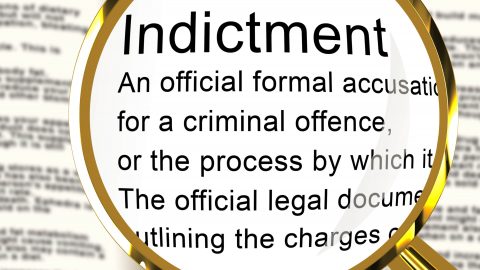
2. Indictable Offences

Indictable offences are more serious crimes that typically involve complex legal procedures and, in many cases, a trial by jury. These offences include crimes such as robbery, fraud, and certain types of assault. The penalties for indictable offences are often more severe, ranging from lengthy prison sentences to significant fines. The legal process for indictable offences is more formal, involving pre-trial hearings and a more extensive examination of evidence.

Examples of Indictable Offences:

  • Murder
  • Armed robbery
  • Fraudulent activities
  • Aggravated assault

It’s important to note that some offences in Australia can be categorized as either summary or indictable, depending on the circumstances and severity of the case. These are known as “either-way” offences, and the court decides whether they should be treated summarily or as indictable based on factors such as the defendant’s criminal history and the specific details of the case.

two types of Offences in Australia?

Understanding the distinction between summary and indictable offences is essential for both legal professionals and the general public. It helps ensure that individuals are aware of the potential consequences of their actions and can navigate the legal system more effectively.


The Most Common Punishment for Breaking the Law

Introduction

Breaking the law can have serious consequences, and societies around the world have developed various systems of justice to maintain order and deter unlawful behavior. One key aspect of these systems is the imposition of punishments on individuals who violate the law. In this article, we will explore the most common punishment for breaking the law and delve into its implications.

Types of Legal Punishments

Legal systems employ a range of punishments to address different types and degrees of offenses. These punishments can be broadly categorized into two main types: criminal and civil. Criminal punishments are imposed for offenses against the state, while civil punishments typically involve compensation for harm caused to individuals or entities.

What is the most common punishment for breaking the law?

The Most Common Punishment: Incarceration

Among the various types of legal punishments, incarceration is perhaps the most common. Also known as imprisonment, this form of punishment involves confining individuals convicted of crimes to correctional facilities such as prisons or jails. The duration of incarceration varies depending on the severity of the offense and can range from a short-term sentence to life imprisonment.

Factors Influencing Incarceration

Several factors influence the decision to impose incarceration as a punishment. The seriousness of the crime, the presence of aggravating or mitigating factors, and the individual’s criminal history are key considerations. Additionally, legal systems often aim to strike a balance between punishment, rehabilitation, and deterrence when deciding on the appropriate length of incarceration.

Alternatives to Incarceration

While incarceration is common, some legal systems recognize the limitations of this approach and explore alternative forms of punishment. These may include fines, community service, probation, or electronic monitoring. The choice of punishment depends on factors such as the nature of the offense, the offender’s background, and the goals of the justice system.

common punishment for breaking the law?

Conclusion

In conclusion, the most common punishment for breaking the law is incarceration. However, legal systems worldwide are continually evolving, exploring alternative forms of punishment, and seeking a balance between punishment and rehabilitation. Understanding the complexities of legal punishments is crucial for fostering a just and effective system of justice. https://www.sydneyfamilycriminaldefencelawyers.com.au/


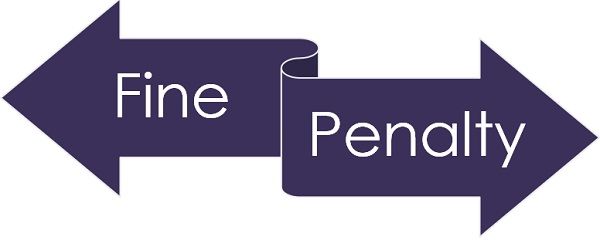
Understanding Offences and Penalties: A Comprehensive Guide

In the realm of legal frameworks, offences and penalties play a pivotal role in maintaining order and ensuring adherence to societal norms. This article aims to provide a thorough exploration of what constitutes offences, the types of penalties associated with them, and the significance of this interplay within the broader legal system.

Defining Offences: Unraveling the Legal Tapestry

Offences, in a legal context, refer to actions or behaviors that violate established laws and regulations. These breaches are typically categorized based on the severity of the transgression and the potential harm caused. Offences can span a wide spectrum, ranging from minor infractions such as traffic violations to more serious crimes like fraud, assault, or theft.

What are Offences and penalties?

In many jurisdictions, offences are classified into two main categories: criminal offences and civil offences. Criminal offences involve actions that are deemed harmful to society as a whole, and they are usually prosecuted by the state. On the other hand, civil offences, also known as civil wrongs or torts, involve disputes between private parties, and the aim is often to compensate the victim rather than punish the wrongdoer.

The Classification of Offences

Offences can be further classified based on the nature and severity of the act. Common classifications include:

Felonies and Misdemeanors

Felonies are serious crimes that are typically punishable by imprisonment for more than a year, while misdemeanors are less severe crimes with shorter sentences.

Personal and Property Offences

Offences against a person, such as assault or homicide, fall under personal offences, while offences against property include crimes like burglary or vandalism.

Offences and penalties?

White-Collar and Blue-Collar Offences

White-collar offences involve non-violent crimes committed by individuals, businesses, or government professionals, often in a financial context. Blue-collar offences, on the other hand, typically involve physical force or threat of force.

Understanding Penalties: Navigating the Legal Consequences

Penalties serve as the legal consequences imposed upon individuals or entities found guilty of committing offences. The primary objectives of penalties are deterrence, punishment, rehabilitation, and protection of society. The severity of penalties is often aligned with the gravity of the offence committed.

Types of Penalties

Monetary Penalties

Fines are a common form of monetary penalty, requiring the offender to pay a specified amount as punishment for their actions.

Imprisonment

For more serious offences, imprisonment may be imposed, removing the offender from society for a designated period.

Probation

Probation allows offenders to remain in the community under specific conditions, monitored by probation officers.

Community Service

Offenders may be required to contribute a certain number of hours to community service as a way to give back to society.

The Significance of Offences and Penalties in the Legal System

The existence of a well-defined system of offences and penalties is crucial for maintaining order and promoting justice within a society. This structured approach serves several key purposes:

Deterrence

The threat of penalties serves as a deterrent, discouraging individuals from engaging in unlawful activities.

Rehabilitation

Penalties such as probation aim to rehabilitate offenders, providing them with an opportunity to reintegrate into society.

Restitution

Penalties may include restitution to victims, ensuring they are compensated for any harm or losses suffered.

Protection of Society

Imprisonment and other forms of incapacitation protect society from individuals who pose a threat to the safety and well-being of others.

Conclusion: Balancing Justice and Fairness

In conclusion, offences and penalties form the backbone of any legal system, providing a framework for addressing transgressions and maintaining societal order. Understanding the classifications of offences and the various types of penalties helps ensure a fair and just legal process. Striking the right balance between deterrence, punishment, rehabilitation, and protection of society is essential for a legal system to effectively serve its purpose.

As society evolves, legal systems must adapt to address new challenges and complexities, continually refining the interplay between offences and penalties to uphold the principles of justice and fairness.

By delving into the intricacies of offences and penalties, individuals gain a deeper appreciation for the complexities of the legal landscape, fostering a collective commitment to a just and orderly society.


The Serious Ramifications of Violating Criminal Law

Breaking criminal laws can lead to a cascade of consequences that impact individuals, communities, and society at large. Legal systems are designed to maintain order and protect citizens, and violating these established norms can result in a variety of penalties. Understanding the consequences of breaking criminal law is crucial for fostering a lawful and just society.

Legal Penalties

When an individual violates criminal laws, legal penalties are the most immediate and direct consequences they face. These penalties vary based on the severity of the offense and can include fines, probation, community service, or imprisonment. The legal system aims to mete out punishment that is proportionate to the severity of the crime committed, ensuring a fair and just response.

What are the consequences of breaking criminal law?

Social Stigma and Reputational Damage

Breaking criminal laws can lead to social stigma and reputational damage. The mere accusation or conviction of a crime can tarnish an individual’s reputation, affecting their personal and professional life. This can result in strained relationships, difficulty finding employment, and exclusion from certain social circles. Rebuilding trust and reputation after a criminal offense can be a challenging and lengthy process.

Impact on Future Opportunities

Individuals with a criminal record may face long-term consequences that impact their future opportunities. Some professions and industries have strict background check requirements, and a criminal record can disqualify individuals from certain jobs or licenses. Additionally, individuals with a history of criminal behavior may encounter challenges in obtaining housing, loans, or educational opportunities.

Emotional and Psychological Consequences

consequences of breaking criminal law?

Engaging in criminal activities can have profound emotional and psychological consequences for both the offender and the victims. Guilt, shame, and anxiety are common emotions experienced by those who break the law. Victims of crimes may suffer from trauma, leading to long-lasting emotional distress. The psychological impact of criminal behavior extends beyond legal consequences, affecting the well-being of individuals and communities. For sydney family criminal defence lawyers penalties see here.

Community Disruption

Crimes disrupt the fabric of communities, creating fear and insecurity among residents. The consequences of criminal behavior extend beyond individual cases, affecting the collective sense of safety and well-being. Communities often face increased policing, strained relationships, and a decrease in overall quality of life when crime rates rise. Rebuilding trust and restoring a sense of security in a community after criminal incidents require concerted efforts from law enforcement and community members.

In conclusion, the consequences of breaking criminal law are far-reaching and multifaceted. Legal penalties, social stigma, impact on future opportunities, and emotional consequences collectively contribute to the complexities individuals face when engaging in unlawful activities. Understanding these consequences is essential for fostering a society that values lawfulness, justice, and the well-being of its members.


The Significance of Criminal Penalties

In the realm of law and justice, criminal penalties play a pivotal role in maintaining societal order and deterring unlawful behavior. This comprehensive guide explores the various aspects of criminal penalties, shedding light on their types, purposes, and implications.

The Types of Criminal Penalties

When an individual is found guilty of committing a crime, the legal system imposes penalties as a form of punishment. These penalties can be broadly categorized into:

What are criminal penalties?

Fines

Fines are monetary penalties levied on individuals convicted of a crime. The amount is determined based on the severity of the offense and serves as a deterrent to discourage future illegal activities.

Imprisonment

Imprisonment involves confining an offender to a correctional facility for a specified period. The duration of imprisonment depends on the nature of the crime and may range from days to years.

Probation

Probation allows a convicted individual to serve their sentence in the community under supervision. During this period, the offender must adhere to specific conditions, such as regular check-ins with a probation officer.

criminal penalties?

Community Service

Community service requires offenders to contribute a certain number of hours to community-related activities. This penalty aims to promote rehabilitation and give back to the community affected by the crime. https://www.sydneyfamilycriminaldefencelawyers.com.au/penalties/

Purposes of Criminal Penalties

Understanding the purposes behind criminal penalties is crucial in grasping their role in the legal system. The primary objectives include:

Deterrence

The prospect of facing criminal penalties serves as a deterrent, discouraging individuals from engaging in unlawful activities. This preventative aspect aims to reduce the overall incidence of crime within society.

Retribution

Retribution focuses on punishing offenders as a form of societal revenge for the harm caused. It is rooted in the belief that individuals should face consequences proportional to their actions.

Rehabilitation

Rehabilitation seeks to reform offenders and reintegrate them into society as law-abiding citizens. This approach emphasizes education, therapy, and support to address the root causes of criminal behavior.

Restitution

Restitution requires offenders to compensate victims for the losses or damages suffered due to the criminal act. This aims to restore a sense of justice by addressing the harm caused to individuals or the community.

Implications of Criminal Penalties

While they serve essential functions in the legal system, they also have far-reaching consequences for individuals and society at large.

Legal Ramifications

Convictions resulting in them can have long-term legal consequences, impacting an individual’s employment, housing, and civil rights. Understanding these ramifications is crucial for individuals navigating the legal system.

Social Impact

The social stigma associated can affect an individual’s relationships, reputation, and community standing. Rehabilitation efforts and community support are essential in mitigating these societal repercussions.

Recidivism

Addressing the issue of recidivism, or repeat offenses, is a critical aspect of criminal penalties. Effective rehabilitation programs and support systems play a key role in reducing the likelihood of individuals reoffending.

Conclusion

In conclusion, they form a cornerstone of the legal system, serving to maintain order, seek justice, and deter unlawful behavior. Understanding the types, purposes, and implications of these penalties is essential for fostering a fair and effective criminal justice system.


Can You Remain Silent to Police in Australia?

Understanding your rights when interacting with law enforcement is crucial, especially when it comes to the question of remaining silent. In Australia, citizens have certain legal protections, but it’s essential to be aware of the nuances to navigate such situations appropriately.

The Right to Silence in Australia

Australia, like many other common law jurisdictions, recognizes the right to remain silent as a fundamental legal principle. This right is enshrined in common law and has been affirmed by various legal decisions over the years. However, the extent and application of this right may vary depending on the circumstances.

Can you remain silent to police in Australia?

When Can You Exercise the Right to Silence?

While you generally have the right to remain silent, there are specific situations where you may choose to exercise this right:

  • During Arrest: If you are arrested, you have the right to remain silent. You are not obligated to answer any questions posed by the police.
  • During Questioning: Even if you are not under arrest, you can still choose to remain silent during police questioning. It’s important to note that anything you say can be used against you in court.
  • Search Warrants: In the event of a search warrant, you can choose to remain silent. However, the police may still conduct the search, and your silence cannot prevent them from executing the warrant.

Legal Implications of Remaining Silent

While you have the right to remain silent, it’s crucial to understand the potential legal implications:

  • Adverse Inferences: In some situations, if you remain silent during questioning, the court may draw adverse inferences. This means that the judge or jury may consider your silence as a factor against you. It’s advisable to seek legal advice if you are unsure about whether to answer specific questions.
  • Providing Personal Details: While you can remain silent about the specifics of an alleged offense, you may be required to provide personal details for identification purposes. Refusing to provide such information can lead to separate charges.

Seeking Legal Advice

Given the complexities of legal rights and obligations, it’s advisable to seek legal advice if you find yourself in a situation where you are uncertain about whether to remain silent. A qualified legal professional can provide guidance based on the specifics of your case.

remain silent to police in Australia?

Conclusion

Understanding your rights, including the right to remain silent, is essential for every individual in Australia. While the right exists, it’s crucial to be aware of the potential consequences and seek legal advice when needed. Remember that laws may evolve, so staying informed is key to navigating legal situations with confidence.


Understanding the Legal Consequences: How Long is Jail for Pursuit?

In the realm of criminal law, police pursuits, commonly known as high-speed chases, have become a prevalent concern due to their potential for danger and harm. As individuals navigate the complex legal landscape surrounding pursuits, one critical question looms large: How long is the jail term for engaging in a pursuit? This article delves into the various factors that influence the duration of imprisonment and the legal implications associated with police chases.

The Legal Framework Surrounding Police Pursuits

Police pursuits fall under the jurisdiction of state and federal laws, with penalties varying across different regions. The severity of charges depends on several key elements, including the circumstances of the pursuit, any resulting injuries or damages, and the suspect’s criminal history. Understanding the legal framework is crucial for individuals seeking insights into the potential jail time for engaging in a pursuit.

How long is it jail for pursuit?

Factors Influencing Jail Time

1. Severity of Offense:

The seriousness of the offense plays a pivotal role in determining the length of a jail term. If the pursuit results in injuries, fatalities, or significant property damage, the charges become more severe, leading to longer sentences. Courts take a dim view of pursuits that endanger lives and public safety.

2. Criminal History:

A suspect’s criminal history can significantly impact the length of the jail term. Repeat offenders may face harsher penalties, as their past conduct is considered during sentencing. Individuals with a history of evading law enforcement may find themselves facing more extensive imprisonment.

3. State-Specific Laws:

Each state has its own set of laws and penalties regarding police pursuits. Some jurisdictions may impose stricter sentences, while others may opt for alternative sentencing options. It is crucial for individuals to familiarize themselves with the specific laws in their state to better understand the potential consequences they may face.

Penalties for Police Pursuits

1. Misdemeanor Charges:

In less severe cases, individuals involved in police pursuits may face misdemeanor charges. Misdemeanors generally carry shorter jail sentences, ranging from a few days to several months. However, the specifics vary based on the circumstances and applicable state laws.

 jail for pursuit

2. Felony Charges:

More serious pursuits that result in significant harm or damage often lead to felony charges. Felonies carry more substantial penalties, including longer jail terms. Offenders may find themselves sentenced to several years in prison, especially if their actions resulted in injury or death.

3. Aggravating Factors:

Certain aggravating factors can escalate the severity of charges and subsequent jail time. These may include driving under the influence (DUI), attempting to harm law enforcement officers or civilians, or possessing weapons during the pursuit. Judges consider these factors when determining the appropriate sentence.

Alternative Sentencing Options

While jail time is a common consequence for engaging in a pursuit, some jurisdictions offer alternative sentencing options. These alternatives may include probation, community service, or mandatory participation in rehabilitation programs. The availability of these options often depends on the specific circumstances of the case and the offender’s willingness to cooperate with the legal system.

Legal Counsel and Defense Strategies

Individuals facing charges related to police pursuits should seek legal counsel to navigate the complexities of the legal system. Experienced attorneys can assess the details of the case, identify potential defenses, and negotiate with prosecutors to achieve the best possible outcome for their clients.

Conclusion: Navigating the Legal Maze

In conclusion, the duration of jail time for engaging in a police pursuit is contingent on various factors, including the severity of the offense, criminal history, and state-specific laws. Understanding the legal framework and potential consequences is essential for individuals involved in pursuits. Seeking legal counsel and exploring defense strategies can be instrumental in mitigating the impact of charges and working towards a more favorable resolution.

By staying informed about the legal implications of police pursuits, individuals can make informed decisions, exercise their rights, and work towards minimizing the potential repercussions associated with these high-stakes situations.

 

Can Police Fine You Without Pulling Over in Australia?

When it comes to traffic enforcement in Australia, many motorists wonder about the possibility of receiving fines without being pulled over by the police. Understanding the nuances of law enforcement practices is crucial for drivers to navigate the roads confidently. In this article, we explore whether police can issue fines without a direct encounter on the road and the legal implications involved. Can police fine you without pulling over Australia?

The Authority of Police to Issue Fines

In Australia, police officers have the authority to issue fines for various traffic violations. This authority is granted to maintain public safety and ensure adherence to road rules. However, the question arises: can police fine you without pulling you over?

Mobile Speed Cameras and Automated Systems

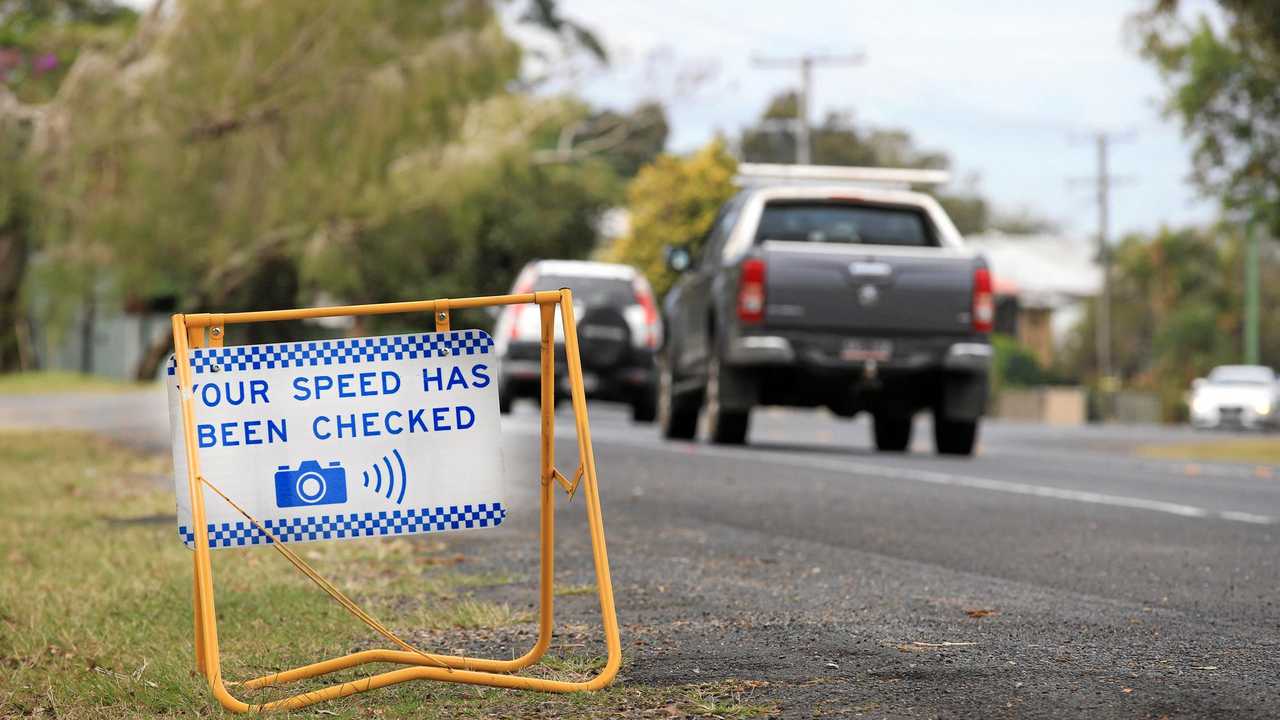
One common scenario where motorists might receive fines without being pulled over is through the use of mobile speed cameras and automated systems. These devices are strategically placed on roads to capture speeding violations, red light offenses, and other traffic infringements.

Can police fine you without pulling over Australia?

Mobile speed cameras use advanced technology to monitor vehicle speeds, and if a violation is detected, an automated system generates a fine that is then sent to the registered owner of the vehicle. This means that even if a police officer is not physically present at the time of the violation, you can still receive a fine through these automated processes.

Police Observations and Follow-up Actions

While mobile speed cameras cover a range of offenses, police officers can also issue fines based on their observations. In some cases, an officer might witness a traffic violation but choose not to pull the driver over immediately. Instead, they may note the details of the vehicle and its registration number to issue a fine later.

It’s important to note that if you receive a fine in the mail, it does not necessarily mean that you were observed by an officer at the time of the violation. Understanding the evidence collection methods employed by law enforcement is crucial in determining the validity of the fine.

Challenging Fines Issued Without a Direct Encounter

If you find yourself facing a fine without being pulled over, you have the right to challenge it. Australian law allows individuals to dispute fines, and the process typically involves providing evidence to support your case. This can include details about the alleged violation, the circumstances surrounding it, and any relevant documentation.

fine you without pulling over Australia?

When challenging a fine, it’s essential to seek legal advice to understand the best approach. Legal professionals specializing in traffic offenses can guide you through the process and help you present a strong case in court, if necessary.

Conclusion

While police officers in Australia generally pull over motorists to issue fines, the use of mobile speed cameras and automated systems introduces the possibility of receiving fines without a direct encounter. Understanding the authority of law enforcement, the technologies employed, and your rights as a driver is crucial in navigating the complexities of traffic enforcement. For sydney family criminal defence lawyers police pursuit laws see here.


Understanding the Police Pursuit Policy in Australia

Law enforcement agencies worldwide grapple with the challenging task of balancing public safety with the need to apprehend suspects. In Australia, police pursuit policies play a crucial role in guiding officers on when and how they can engage in high-speed chases. This article explores the nuances of the police pursuit policy in Australia, shedding light on the guidelines, considerations, and the impact on both law enforcement and the community.

The Evolution of Police Pursuit Policies

Australia, like many other countries, has seen the evolution of police pursuit policies over the years. Historically, pursuits were often initiated with little regard for potential risks, leading to tragic consequences. In response, law enforcement agencies have developed and refined pursuit policies to strike a balance between apprehending suspects and minimizing the danger posed to the public.

What is the police pursuit policy in Australia?

Key Components of Australian Police Pursuit Policies

Australian police pursuit policies are multifaceted, encompassing various elements designed to ensure responsible and effective law enforcement. Some key components include:

Risk Assessment Protocols

Before initiating a pursuit, officers are required to conduct a thorough risk assessment. This involves evaluating factors such as the severity of the suspected crime, the danger posed by the suspect, and the potential risks to public safety. The goal is to weigh the necessity of pursuit against the potential harm it may cause.

Communication and Coordination

Effective communication is paramount during a pursuit. Police officers are trained to maintain clear and constant communication with their colleagues, supervisors, and other relevant authorities. Coordination efforts help in managing the pursuit, making it safer for everyone involved.

Technology Integration

The use of technology has become integral to police pursuit policies. Advanced tools, such as GPS tracking and surveillance systems, aid law enforcement in monitoring suspects without resorting to high-speed chases. Technology is leveraged to enhance the efficiency and safety of apprehension strategies.

police pursuit policy in Australia?

Continual Training and Evaluation

Law enforcement agencies prioritize ongoing training for officers involved in pursuits. This includes both driving skills and decision-making processes. Regular evaluations ensure that officers are well-equipped to handle pursuits responsibly and make informed decisions under high-pressure situations.

The Role of Legislation in Shaping Pursuit Policies

Legislation plays a significant role in shaping police pursuit policies across Australian states and territories. While there are overarching principles, individual jurisdictions may have specific nuances in their policies. For instance, some regions may place stricter limitations on the types of offenses that warrant a pursuit, emphasizing the importance of aligning policies with local legislative frameworks.

Community Impact and Public Perception

The public’s perception of police pursuits is critical in shaping policy decisions. High-profile incidents and their subsequent media coverage can influence public opinion and, consequently, impact pursuit policies. Striking a balance between public safety, the apprehension of suspects, and maintaining public trust is a delicate challenge faced by law enforcement agencies.

The Aftermath: Reviewing Pursuit Incidents

Post-incident reviews are an integral part of the police pursuit policy landscape in Australia. These reviews assess the actions taken during a pursuit, analyzing the effectiveness of the response and identifying areas for improvement. Such evaluations contribute to the ongoing refinement of pursuit policies and the enhancement of officer training programs.

Legal Consequences and Accountability

In cases where pursuits result in harm or fatalities, legal consequences and accountability measures come into play. Law enforcement agencies are held accountable for ensuring that pursuits adhere to established policies, and officers may face disciplinary actions if procedures are not followed.

Conclusion: Striking the Right Balance

Australia’s police pursuit policies reflect a commitment to balancing the need for law enforcement with the safety of the public. Evolving in response to lessons learned from past incidents, these policies incorporate risk assessments, communication strategies, technology integration, legislative considerations, and ongoing training. Striking the right balance requires a continual commitment to reviewing and improving policies to ensure that law enforcement practices align with community expectations and evolving safety standards.

In conclusion, understanding the intricacies of the police pursuit policy in Australia sheds light on the complex considerations that law enforcement officers face daily. By prioritizing safety, accountability, and effective communication, Australian police pursuit policies aim to create a framework that minimizes risks while upholding the principles of justice and public welfare.

5.0
Based on 7 reviews
powered by Google
Halil Boz
09:48 09 May 23
After months of stress and anxiety, I was finally recommended to Rabia to sort some of my legal issues out. Rabia guided me throughout the whole process and got me an amazing outcome through the courts. Her proffesionilism and desire to get the best outcome for me took the worlds pressure off my shoulders. I didn't know how to return this favour so writing this review was the least I could do for not only a wonderful lawyer but an amazing human being. Please don't hesitate in reaching out to Rabia. It was the best decision I ever made. Thank You Rabia!!
Metin Salih
09:10 09 May 23
I would just like the share my experience with Rabia from Sydney Family and Criminal Defence Team. She worked very hard on my case and i ended up receiving a result I really was not expecting . She worked above and beyond my expectations and I couldn't recommend her highly enough. Thanks again Rabia for all the effort and long hours you put in to achieve what we did!
hulia boz
08:45 09 May 23
Professional and very very knowledgeable!
Wish I found them years ago.
Don’t settle for anything but the best!!
Shadia Ashrafi
07:58 09 May 23
Eda Boz
07:10 09 May 23