
What is the Strongest Type of Appeal?

In the realm of persuasion and communication, appeals play a pivotal role in influencing people’s opinions and decisions. The choice of appeal can significantly impact the effectiveness of a message. There are several types of appeals, each with its own unique strength and purpose. In this article, we will explore the various types of appeals and determine which one can be considered the strongest. What is the strongest type of appeal?

Understanding the Power of Appeals

Before delving into the comparison of different appeal types, let’s establish a fundamental understanding of what appeals are and why they matter.

What Are Appeals?

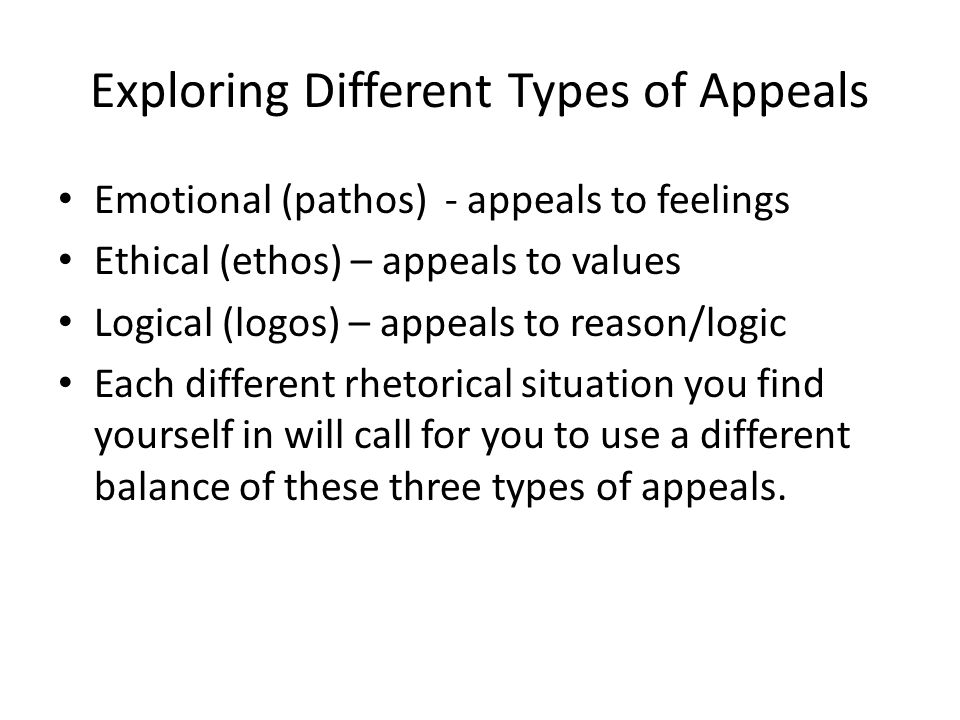
Appeals are rhetorical strategies used to persuade an audience. They are techniques or methods employed to elicit specific emotions, thoughts, or actions from the recipients of a message. Appeals can be categorized into three primary types:

What is the strongest type of appeal?
  1. Ethical Appeals (Ethos): Appeals to credibility and trustworthiness.
  2. Emotional Appeals (Pathos): Appeals to emotions and feelings.
  3. Logical Appeals (Logos): Appeals to reason and logic.

Each of these appeal types has its unique strengths and is suitable for various situations and audiences.

The Power of Ethical Appeals (Ethos)

Ethical appeals, often referred to as “Ethos,” center around establishing credibility and trust. These appeals rely on the reputation, authority, and expertise of the communicator. Ethical appeals can be incredibly powerful for the following reasons:

1. Building Trust

Trust is a fundamental aspect of persuasion. When an audience perceives the speaker or writer as credible and trustworthy, they are more likely to accept the message. Ethical appeals help establish this trust by showcasing the communicator’s knowledge and expertise in the subject matter.

2. Enhancing Persuasion

People tend to be more receptive to information from sources they trust. Ethical appeals can enhance the persuasiveness of a message by leveraging the communicator’s reputation. This is particularly effective when addressing a knowledgeable and discerning audience.

3. Fostering Long-term Relationships

Using Ethos in communication not only persuades but also helps build enduring relationships. When individuals consistently demonstrate credibility and trustworthiness, they are more likely to gain a loyal following or maintain long-term partnerships.
strongest type of appeal?

Harnessing the Power of Emotional Appeals (Pathos)

Emotional appeals, often referred to as “Pathos,” tap into human emotions and feelings. These appeals are potent tools for engaging and motivating audiences:

1. Evoking Strong Emotions

Emotional appeals can evoke powerful emotions such as joy, sadness, fear, anger, or empathy. These emotions can drive people to take action, whether it’s making a purchase, supporting a cause, or changing their behavior.

2. Creating Memorable Messages

Messages that evoke emotions are more likely to be remembered. People tend to recall emotionally charged stories and content better than dry, factual information. This makes emotional appeals effective in making a lasting impression.

3. Connecting on a Human Level

Pathos allows communicators to connect with their audience on a human level. By appealing to shared emotions and experiences, communicators can foster a sense of connection and empathy, making it easier to convey their message.

The Strength of Logical Appeals (Logos)

Logical appeals, often referred to as “Logos,” rely on reason, facts, and evidence. These appeals are grounded in rationality and are particularly effective when dealing with analytical audiences:

1. Providing Sound Reasoning

Logical appeals present a well-structured argument supported by evidence. They appeal to the audience’s intellect and ability to evaluate information critically. https://www.sydneyfamilycriminaldefencelawyers.com.au/appeals/

2. Addressing Skepticism

In situations where the audience is skeptical or requires convincing, Logos is a powerful tool. It can dispel doubts and provide a logical basis for accepting the message.

3. Enhancing Clarity and Understanding

Logos appeals promote clarity and understanding. They help convey complex information in a clear and organized manner, making it easier for the audience to grasp the message.

Which Appeal Is the Strongest?

The strength of an appeal depends on various factors, including the audience, context, and purpose of the communication. There is no one-size-fits-all answer to which appeal is the strongest, as each has its own unique advantages.

  • Ethical appeals (Ethos) are potent when the communicator’s credibility and trustworthiness are paramount.
  • Emotional appeals (Pathos) excel in engaging and motivating audiences by tapping into their emotions.
  • Logical appeals (Logos) are essential for persuading analytical audiences and providing a rational basis for decision-making.

In practice, the most effective communication often combines elements of all three appeals. The choice of which appeal to emphasize should be guided by a deep understanding of the target audience and the specific goals of the message.

Conclusion: The Power of Versatility

In conclusion, the question of which appeal is the strongest is nuanced. Ethical appeals (Ethos), emotional appeals (Pathos), and logical appeals (Logos) each bring their own unique strengths to the table. The strongest appeal is the one that aligns most effectively with the audience and the message’s objectives.

Effective communicators recognize the power of versatility. By skillfully blending these appeals and adapting them to the needs of the situation, they can create persuasive messages that resonate with a wide range of audiences. Ultimately, the strength of an appeal lies not in its isolation but in its strategic integration within a well-crafted message.

Appealing a Decision: 3 Reasons You Should Consider

In a world filled with rules and regulations, it’s not uncommon to find yourself facing decisions that you believe are unjust or incorrect. Whether it’s a legal judgment, a school admission denial, or even a rejection from your dream job, there are times when you may feel compelled to challenge these decisions. This is where the process of appealing comes into play, offering individuals the opportunity to seek a reconsideration of a decision. In this article, we will explore the three key reasons why you should consider filing an appeal. What are the 3 reasons to appeal?

1. Injustice Prevails: When the Decision is Unfair

One of the primary reasons for filing an appeal is when you believe that an injustice has occurred. This injustice can manifest in various forms, such as an unfair judgment in a legal case, an unjust academic evaluation, or a discriminatory employment decision. When you find yourself on the receiving end of such a decision, it can be frustrating and disheartening.

What are the 3 reasons to appeal?

a. Legal Battles: Seeking Justice in the Courtroom

In the realm of legal matters, appealing a court decision is often the last resort for individuals who believe they have been wronged. This could be a criminal conviction, a civil lawsuit, or even an immigration decision. Appeals allow individuals to present new evidence or argue that the initial decision was made in error. It’s a critical avenue for ensuring justice is served.

a. Educational Pursuits: Challenging Academic Decisions

When it comes to education, students may encounter situations where they believe they have been unfairly graded, denied admission to a preferred institution, or subjected to disciplinary action. In such cases, appealing is a way to seek redress and ensure that the educational system operates fairly and transparently.

a. Workplace Dilemmas: Fighting Discrimination and Unfairness

In the professional world, employees may face situations like wrongful termination, workplace discrimination, or unfavorable performance evaluations. Appealing such decisions can help protect your rights and ensure that employers adhere to the law and fair practices.

3 reasons to appeal

2. Errors and Mistakes: When the Decision is Flawed

Human beings are not infallible, and mistakes can happen in any decision-making process. Whether it’s a clerical error in legal paperwork, a miscalculation in academic grading, or a misinterpretation of facts in a job evaluation, errors can have significant consequences. When you suspect that the decision was flawed due to errors or mistakes, appealing is a logical step. For legal system appeals sydney see here.

a. Legal Errors: Correcting Mistakes in the Legal System

In the legal arena, appeals often focus on identifying errors in the application of the law, misconduct by legal professionals, or incorrect interpretation of evidence. Appellants may argue that crucial facts were overlooked or that the judge made procedural mistakes.

a. Academic Appeals: Addressing Grading and Evaluation Errors

In educational settings, appealing is essential when you believe there were grading mistakes, biased evaluation, or failure to follow established academic policies. Students have the right to challenge these errors and seek fair treatment.

a. Workplace Appeals: Rectifying Unfair Employment Decisions

In the workplace, appealing decisions based on errors or misunderstandings is crucial. This includes addressing issues like mistaken performance assessments, payroll discrepancies, or misapplied company policies. Appeals can help rectify these situations and ensure fair treatment.

3. Protecting Your Rights: When Your Fundamental Rights Are at Stake

Certain decisions can impact your fundamental rights and liberties, making it imperative to appeal if those rights are threatened. Whether it’s a denial of due process, a violation of constitutional rights, or an infringement upon your civil liberties, appeals can safeguard your freedoms.

a. Legal Rights: Upholding Constitutional Freedoms

In legal matters, appeals are essential to protect your constitutional rights. This includes cases involving freedom of speech, freedom of religion, the right to a fair trial, and protection from unlawful searches and seizures. Appealing ensures that your rights are respected and upheld.

a. Academic Freedom: Safeguarding Educational Rights

In educational contexts, students and faculty may encounter situations where academic freedom is compromised. Appealing can help maintain the integrity of academic institutions by challenging decisions that restrict free speech, hinder research, or violate the principles of academic freedom.

a. Workplace Rights: Defending Employment Rights

In the workplace, appealing is crucial to defend employees’ rights, such as protection from discrimination, harassment, and wrongful termination. Appealing can help hold employers accountable for violating these rights and ensure a fair and just work environment.

In conclusion, the decision to appeal should not be taken lightly, but it can be a vital tool in seeking justice, correcting errors, and safeguarding fundamental rights. Whether you are dealing with a legal matter, an educational dispute, or a workplace dilemma, understanding the reasons to appeal can empower you to navigate the process effectively and advocate for your rights and interests.

By considering the three key reasons discussed above—addressing injustice, correcting errors, and protecting your rights—you can make an informed decision about whether appealing is the right course of action for you. Remember that appealing a decision is a legitimate and valuable avenue for seeking fairness, accountability, and justice in various aspects of your life.

Grounds for Appeal in NSW, Australia: Your Comprehensive Guide

Understanding the Appeal Process in NSW

In NSW, Australia, individuals have the right to appeal various decisions made by government bodies, courts, and administrative tribunals. The appeal process is a fundamental aspect of the legal system, allowing citizens to challenge decisions they believe to be unjust, unlawful, or incorrect. This article explores the different grounds on which you can appeal in NSW and provides insights into the appeal process.

1. Legal Errors

One of the most common grounds for appeal in NSW is the presence of legal errors. This includes mistakes made by judges or magistrates during a trial, such as:

On what grounds can you appeal NSW?

Misinterpretation of the law: If you believe that the judge or magistrate has misunderstood or misapplied the law relevant to your case, you may have grounds for appeal.

Procedural errors: If there were significant procedural errors during your trial that affected the outcome, such as the mishandling of evidence or a failure to follow proper legal procedures, you may be able to appeal.

2. Factual Errors

Appeals can also be based on factual errors. If you believe that the court or tribunal made a mistake in assessing the facts of your case, you may have a basis for appeal. Common examples of factual errors include:

Misidentification of witnesses: If a key witness was misidentified or their testimony was inaccurately recorded, it could be grounds for appeal.

Failure to consider evidence: If you can demonstrate that the court or tribunal failed to consider important evidence that could have influenced the outcome, this may be a valid ground for appeal.

3. Unreasonable or Unjust Decisions

In some cases, you may believe that the decision reached was simply unreasonable or unjust. This is a subjective ground for appeal and can be challenging to prove. However, if you can provide compelling arguments and evidence to support your claim, the court may consider it. Remember that a mere disagreement with the outcome is generally not sufficient to appeal on this ground.

grounds can you appeal Victoria

4. New Evidence

If you discover new evidence that was not available at the time of your original trial and that could potentially impact the outcome of your case, you may have grounds for appeal. However, there are strict rules regarding the introduction of new evidence, and you will need to demonstrate its relevance and credibility. Find out more information here.

5. Procedural Impropriety

Procedural impropriety refers to situations where the proceedings were conducted improperly, leading to an unfair or unjust outcome. This can include:

Bias: If you believe that the judge or decision-maker showed bias during your case, it could be grounds for appeal. Bias can manifest as a preconceived opinion, favoritism, or hostility towards one party.

Denial of Natural Justice: If you were not given a fair opportunity to present your case, or if you were not allowed legal representation when it was your right, you may have a basis for appeal.

6. Jurisdictional Error

A jurisdictional error occurs when a court or tribunal exceeds its legal authority or acts outside the scope of its jurisdiction. If you believe that the decision-maker did not have the power to make the decision in your case, you can appeal on this ground.

The Appeal Process in NSW

If you believe you have valid grounds for appeal, it’s essential to understand the steps involved in the appeal process in NSW:

1. Lodge a Notice of Appeal

The first step is to lodge a Notice of Appeal with the appropriate court or tribunal. This document outlines the grounds for your appeal and the relief you are seeking.

2. Serve Documents

You will need to serve copies of the Notice of Appeal and supporting documents to all relevant parties, such as the opposing party, the court, and any government agencies involved.

3. Preparation for Appeal Hearing

The court will set a date for the appeal hearing. You must prepare your case thoroughly, gathering all necessary evidence and legal arguments to support your appeal.

4. Attend the Appeal Hearing

On the scheduled date, you and your legal representative (if you have one) will present your case before the court or tribunal. The opposing party will also have an opportunity to present their arguments.

5. Await the Decision

After the appeal hearing, the court or tribunal will consider the arguments and evidence presented and make a decision. This decision may affirm, overturn, or modify the original decision.

6. Further Appeals

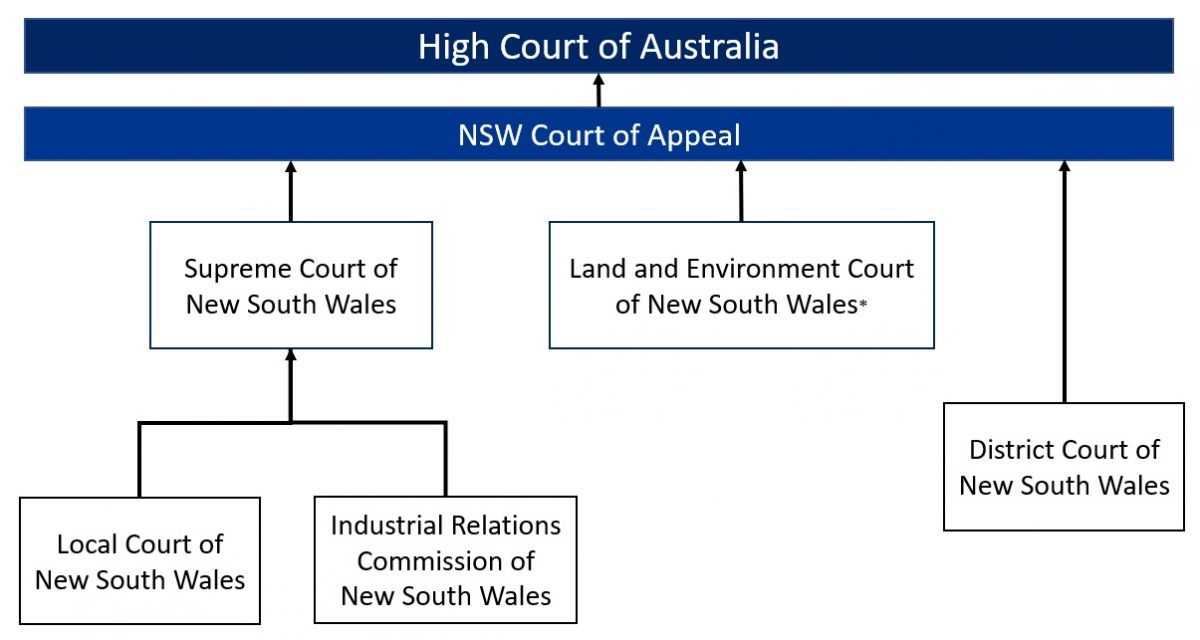
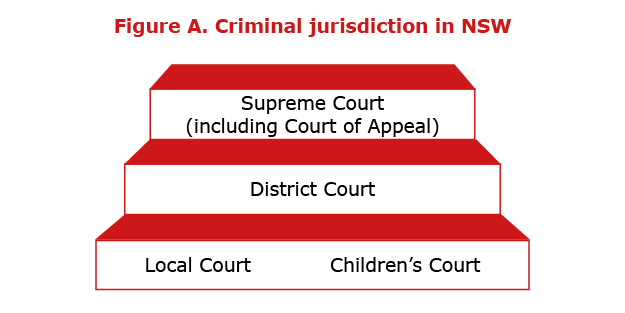
Depending on the outcome of your appeal, you may have the option to pursue further appeals in higher courts, such as the Court of Appeal or the High Court of Australia. However, such appeals are subject to specific criteria and must be carefully considered.

Conclusion

The right to appeal decisions in NSW is a crucial aspect of the legal system, ensuring that individuals have recourse when they believe a decision is unjust or erroneous. Understanding the grounds for appeal and the appeal process is essential if you find yourself in a situation where you wish to challenge a decision. Always seek legal advice to navigate the complexities of the appeals process effectively. Remember that each case is unique, and the success of an appeal depends on various factors, including the strength of your arguments and the evidence you can present.

How to Appeal a Case in Australia

Understanding the Appeal Process in Australia

If you find yourself in a legal situation where you believe a decision made by a court or tribunal in Australia is unjust, you have the right to appeal the case. The appeal process is an essential part of the Australian legal system, designed to ensure that justice is served. In this article, we will guide you through the steps of appealing a case in Australia, from understanding the grounds for appeal to the actual process of filing an appeal.

Grounds for Appeal

Before you initiate the appeal process, it’s crucial to understand the grounds on which you can appeal a case in Australia. Not every decision can be appealed, and there are specific criteria that must be met. Common grounds for appeal include:

How do I appeal a case in Australia?

1. Error of Law

If you believe that an error of law was made during your trial or hearing, you may have grounds for appeal. This could include misinterpretation or misapplication of the law by the judge or jury.

2. Procedural Irregularities

Appeals can also be based on procedural irregularities during the trial. This might include issues related to the admission of evidence, jury misconduct, or other procedural errors.

3. New Evidence

If new evidence emerges after your trial that could significantly impact the outcome of your case, you may be able to appeal. However, this evidence must not have been available or known during the original trial.

4. Unreasonable Verdict

If you believe that the verdict reached in your case is unreasonable or cannot be supported by the evidence presented, you may have grounds for appeal.

Steps to Appeal a Case

Once you’ve determined that you have valid grounds for appeal, you can proceed with the following steps:

appeal a case in Australia

1. Seek Legal Advice

Before taking any action, it’s essential to consult with an experienced lawyer who specializes in appeals. They will be able to assess the strength of your case and guide you through the process. For understanding legal appeals click here.

2. File a Notice of Appeal

To officially begin the appeal process, you must file a Notice of Appeal with the appropriate court or tribunal. This document outlines the reasons for your appeal and the relief you are seeking.

3. Prepare Your Case

Building a strong case for your appeal is crucial. This may involve gathering evidence, obtaining witness statements, and researching relevant legal precedents.

4. Attend the Appeal Hearing

Once your case is prepared, it will be scheduled for an appeal hearing. During this hearing, you and your legal representation will present your arguments to the appellate court or tribunal.

5. Await the Decision

After the appeal hearing, the court or tribunal will consider the arguments presented and make a decision. This decision may affirm, reverse, or modify the original judgment.

Options After an Appeal

Depending on the outcome of your appeal, you may have several options:

1. Accept the Decision

If the appeal is successful, and the decision is in your favor, you can accept the new judgment. This closes the case.

2. Further Appeals

If you are dissatisfied with the outcome of the appeal, you may have the option to make further appeals to higher courts, such as the Court of Appeal or the High Court of Australia, depending on the nature of your case.

3. Compliance with the New Judgment

If the appeal results in a modified judgment, you must comply with the terms of the new decision, which may involve additional legal proceedings.

Conclusion

Understanding how to appeal a case in Australia is essential if you believe that a legal decision has been unjustly made. By following the proper procedures and seeking legal advice, you can navigate the appeals process effectively. Remember that appealing a case can be a complex and time-consuming endeavor, so it’s crucial to have the guidance of a knowledgeable attorney every step of the way. By doing so, you can work towards achieving a fair and just outcome for your legal matter.

What is an Appeal in Law Australia?

If you’ve ever been involved in a legal case in Australia, you may have heard the term “appeal” thrown around. But what exactly does it mean, and how does it work within the Australian legal system? In this article, we will explore the concept of appeals in Australian law, the reasons behind filing an appeal, and the various stages involved in the process.

Understanding the Appeal Process

An appeal in Australian law refers to the process of seeking a review of a decision made by a lower court or tribunal. It allows parties dissatisfied with the outcome of a legal proceeding to challenge that decision in a higher court. Appeals are a fundamental part of the legal system, ensuring that errors in judgments or unfair rulings can be rectified.

What is an appeal in law Australia?

Reasons for Filing an Appeal

There are several reasons why someone might choose to file an appeal in Australia:

1. Errors of Law

One of the primary grounds for filing an appeal is the belief that the lower court or tribunal made an error in interpreting or applying the law. This could include misinterpretations of statutes, regulations, or legal precedents. Appellants argue that these errors resulted in an incorrect judgment.

2. Procedural Irregularities

Appeals can also be based on procedural irregularities during the initial trial. If a party can demonstrate that there were unfair or irregular procedures that may have affected the outcome, they may have a strong case for an appeal.

3. New Evidence

In some cases, new evidence may come to light after the trial has concluded, which could not have been presented during the initial proceedings. If this evidence is substantial and has the potential to change the outcome of the case, it may be grounds for an appeal.

4. Unreasonable or Excessive Sentence

In criminal cases, an appeal may be sought if the appellant believes that the sentence imposed by the lower court is unreasonably harsh or excessive given the circumstances of the case.

The Appeal Process in Australia

The appeal process in Australia typically involves the following stages:

appeal in law Australia

1. Notice of Appeal

The first step in filing an appeal is submitting a formal Notice of Appeal to the relevant court. This document outlines the grounds for the appeal and the relief sought. It is crucial to adhere to strict timeframes for filing the notice, as there are limitations on when an appeal can be lodged.

2. Preparing the Appeal Case

Once the notice is filed, the appellant and their legal team will prepare the appeal case. This includes gathering all relevant documents, transcripts of the previous proceedings, and legal arguments to support their position. https://www.sydneyfamilycriminaldefencelawyers.com.au/

3. Hearing the Appeal

The appeal is then scheduled for a hearing in the higher court. Both parties present their arguments, and the judges review the evidence and legal submissions. The higher court may either uphold the lower court’s decision, overturn it, or order a retrial.

4. Post-Appeal Options

If either party is dissatisfied with the outcome of the appeal, they may have further options, such as seeking leave to appeal to a higher court, depending on the nature of the case.

Conclusion

In Australia, an appeal is a critical legal process that allows parties to challenge decisions made by lower courts or tribunals. It serves as a safeguard against errors of law, procedural irregularities, and unjust outcomes. Understanding the grounds for appeal and the appeal process is essential for those involved in legal disputes. If you believe you have a valid reason for an appeal, consulting with an experienced legal professional is the first step to navigating this complex aspect of the Australian legal system.

In summary, an appeal in Australian law is a mechanism for seeking a review of lower court decisions, and it plays a vital role in ensuring justice and fairness within the legal system.

Understanding Appeals in the Legal System: A Comprehensive Guide

In the intricate world of law, appeals play a crucial role in ensuring justice and maintaining the integrity of the legal system. When a party to a legal case disagrees with the decision made by a trial court, they have the option to file an appeal. Appeals are a fundamental aspect of the legal process, allowing parties to seek a review of their case by a higher court. This article explores the various facets of appeals in the legal system, shedding light on the processes, reasons, and outcomes.

What Are Appeals?

An appeal is a legal procedure by which a party in a case requests a higher court to review and possibly overturn a decision made by a lower court. It is important to note that appeals are not retrials; instead, they focus on evaluating the correctness of the lower court’s decision based on points of law, rather than reexamining the facts of the case.

Grounds for Filing an Appeal

What are appeals in the legal system?

Appeals can be filed on various grounds, including:

Errors of Law: Perhaps the most common reason for filing an appeal, errors of law occur when a lower court makes a mistake in interpreting or applying the law. Parties can appeal if they believe the judge’s instructions to the jury were incorrect, or if the court misapplied legal principles.

Procedural Errors: If the lower court commits procedural errors that affect the fairness of the trial, such as improperly admitting or excluding evidence, this can be grounds for an appeal.

Misconduct: Instances of judicial misconduct or bias can be appealed. This includes situations where the judge displays partiality or engages in unethical behavior during the trial.

New Evidence: In some cases, new evidence may come to light after the trial that could have a significant impact on the case’s outcome. Parties may appeal to introduce this evidence.

Ineffective Assistance of Counsel: If a defendant believes that their attorney’s performance was so deficient that it deprived them of a fair trial, they may appeal based on ineffective assistance of counsel.

The Appeals Process

The appeals process is a structured and formalized procedure that varies from jurisdiction to jurisdiction. However, the general steps involved in the appeals process are as follows:

Filing the Notice of Appeal

The first step in filing an appeal is to submit a Notice of Appeal to the appropriate appellate court. This document formally notifies the court and the opposing party of the intent to appeal.

Transcript and Record Preparation

Both parties will work on preparing a transcript of the trial proceedings, which includes all relevant documents and transcripts of testimonies. This record forms the basis for the appellate court’s review.

appeals in the legal system

Appellate Briefs

Both the appellant (the party filing the appeal) and the appellee (the opposing party) will submit written arguments called appellate briefs. These documents present legal arguments and citations to support their positions.

Oral Argument

In some cases, the appellate court may allow oral arguments, where attorneys from both sides present their case in person. This step is not always required but can provide an opportunity for clarifications and additional arguments. https://www.sydneyfamilycriminaldefencelawyers.com.au/appeals/

Appellate Decision

After reviewing the case, the appellate court will issue a decision. This decision can include affirming the lower court’s decision, reversing it, remanding the case for further proceedings, or modifying the lower court’s decision.

Types of Appeals

Appeals can take on various forms, depending on the nature of the case and the specific issues being appealed. Some common types of appeals include:

Direct Appeals

Direct appeals involve the review of final judgments issued by trial courts. They focus on legal errors or issues that occurred during the trial.

Interlocutory Appeals

Interlocutory appeals occur before a final judgment is reached in a case. They address specific issues that can significantly impact the outcome of the case, such as disputes over evidence or jurisdiction.

Collateral Appeals

Collateral appeals are related to issues separate from the primary case, such as challenges to a sentence or claims of ineffective assistance of counsel.

The Outcome of Appeals

The outcome of an appeal can vary widely depending on the specific circumstances of the case and the arguments presented. Possible outcomes include:

Affirmation: The appellate court agrees with the lower court’s decision and upholds it.

Reversal: The appellate court finds errors in the lower court’s decision and reverses it, potentially leading to a new trial.

Remand: The case is sent back to the lower court for further proceedings, often to address specific issues or errors identified by the appellate court.

Modification: The appellate court may modify the lower court’s decision or sentence.

Conclusion

In the realm of the legal system, appeals serve as a crucial mechanism for ensuring that justice is served and that errors in lower court decisions are corrected. Understanding the grounds for filing an appeal, the appeals process, and the potential outcomes is essential for anyone involved in the legal system, whether as a litigant, attorney, or concerned citizen. Appeals provide a vital check and balance within the legal system, ensuring that justice remains not just blind but fair and accurate.

What Does Actively Malicious Damage Mean?

In the realm of cybersecurity, the term “actively malicious damage” carries significant weight. It represents a serious threat to individuals, organizations, and even nations. Understanding what actively malicious damage entails is crucial for safeguarding digital assets and mitigating potential risks. In this article, we will delve into the concept of actively malicious damage, its various forms, and strategies to protect against it.

Defining Actively Malicious Damage

It refers to intentional and harmful actions taken by individuals or groups with the objective of disrupting, compromising, or destroying computer systems, networks, data, or digital infrastructure. This type of cyber threat is characterized by its deliberate nature, as opposed to incidental damage caused by software bugs, hardware failures, or natural disasters.

Defining Actively Malicious Damage

Actively malicious damage refers to intentional and harmful actions taken by individuals or groups with the objective of disrupting, compromising, or destroying computer systems, networks, data, or digital infrastructure. This type of cyber threat is characterized by its deliberate nature, as opposed to incidental damage caused by software bugs, hardware failures, or natural disasters.

The Motives Behind

It is essential to understand the motives that drive individuals or groups to engage in such activities. These motives can vary widely, but some common reasons include:

What does actively malicious mean?
  1. Financial Gain: Cybercriminals may seek financial rewards through activities like hacking into banking systems, stealing sensitive financial information, or conducting ransomware attacks. For sydney family criminal defence lawyers read on.
  2. Revenge: Individuals or groups may target specific entities or individuals as an act of retaliation or vendetta, aiming to cause significant harm.
  3. Espionage: Nation-states or corporate entities may engage in actively malicious damage to gather intelligence, disrupt competitors, or gain a strategic advantage.
  4. Ideological Beliefs: Hacktivists, motivated by political or ideological beliefs, may target organizations or individuals whose actions they oppose.
  5. Personal Satisfaction: Some individuals engage in malicious activities for personal satisfaction, deriving pleasure from causing chaos or damage.

Forms of Actively Malicious Damage

Actively malicious damage can manifest in various forms, each posing distinct threats and challenges. Here are some common forms of actively malicious damage:

Malware Attacks

Malware, short for malicious software, includes viruses, worms, Trojans, and ransomware. These are designed to infiltrate systems, steal data, or disrupt operations.

Phishing and Social Engineering

Phishing attacks involve tricking individuals into revealing sensitive information, such as passwords or financial details. Social engineering manipulates human psychology to gain unauthorized access.

 Distributed Denial of Service (DDoS) Attacks

DDoS attacks overwhelm a target’s servers or network with excessive traffic, rendering them inaccessible to legitimate users.

Insider Threats

Insiders with access to an organization’s systems or data may intentionally or unintentionally cause harm, making them a significant threat.

Supply Chain Attacks

Attackers target vulnerabilities in a supply chain to compromise software or hardware components, affecting the integrity of the end product.

Protecting Against Actively Malicious Damage

Given the severity and prevalence of actively malicious damage, implementing robust cybersecurity measures is paramount. Here are some strategies to protect against these threats:

Regular Software Updates

Keep all software and systems up-to-date with the latest security patches to mitigate vulnerabilities that could be exploited.

Employee Training and Awareness

Educate employees about cybersecurity best practices, including recognizing phishing attempts and practicing good password hygiene.

Network Security Measures

Implement firewalls, intrusion detection systems, and encryption protocols to safeguard network traffic and data.

Access Control and Authentication

Enforce strict access controls and multifactor authentication to limit unauthorized access to sensitive systems and data.

Incident Response Plan

Develop and regularly update an incident response plan to efficiently address and mitigate the effects of malicious attacks when they occur.

Conclusion

It represents a persistent and evolving threat in the digital age. It is essential for individuals, businesses, and governments to stay vigilant, adapt to emerging threats, and implement proactive cybersecurity measures. By understanding the motives behind such damage and employing effective protective strategies, we can collectively work towards a more secure digital landscape.


Malicious Actions: Understanding and Protecting Against Online Threats

Introduction to Malicious Actions

In the digital age, our lives are increasingly intertwined with the internet. From personal communications to financial transactions, we rely on online platforms for various aspects of our daily routines. However, this dependence on the digital realm also exposes us to a plethora of threats in the form of malicious actions. This article delves into the world of malicious actions, providing a comprehensive understanding of what they are, the types of threats they encompass, and how individuals and businesses can protect themselves in an ever-evolving landscape of cyber dangers.

What are malicious actions?

Types of Malicious Actions

1. Cyberattacks

Cyberattacks are among the most prevalent forms of malicious actions. These encompass a wide range of activities designed to compromise the integrity, confidentiality, or availability of digital systems and data. Common examples include:

a. Phishing Attacks

Phishing attacks involve tricking individuals into revealing sensitive information, such as login credentials or credit card details. Cybercriminals often masquerade as trustworthy entities via email, social media, or fake websites.

a. Malware Infections

Malware, short for malicious software, encompasses viruses, worms, Trojans, and ransomware. These programs are designed to infiltrate systems and disrupt normal operations, steal data, or demand ransom payments.

a. Distributed Denial of Service (DDoS) Attacks

DDoS attacks flood a target website or server with an overwhelming volume of traffic, causing it to become inaccessible to legitimate users. These attacks are often carried out using botnets, networks of compromised devices.

malicious actions

2. Social Engineering

Social engineering attacks exploit human psychology rather than technical vulnerabilities. They manipulate individuals into divulging confidential information or performing actions that benefit the attacker. Some common social engineering tactics include:

a. Pretexting

Pretexting involves creating a fabricated scenario or pretext to obtain sensitive information. Attackers may pose as coworkers, service providers, or authorities to manipulate victims. Click this.

a. Baiting

Baiting attacks lure victims into downloading malicious software by promising enticing rewards, such as free software or entertainment. Once downloaded, the malware compromises the victim’s device.

3. Insider Threats

Insider threats arise from individuals within an organization who misuse their access privileges for malicious purposes. These threats can be accidental or intentional and may involve data theft, sabotage, or espionage.

Consequences of Malicious Actions

The consequences of malicious actions can be severe and far-reaching. They include:

1. Financial Losses

Cyberattacks can result in substantial financial losses for individuals and organizations. Ransomware attacks, in particular, demand hefty ransom payments, while data breaches may lead to lawsuits and regulatory fines.

2. Reputational Damage

A successful malicious action can tarnish an individual’s or company’s reputation. Trust is hard to regain once lost, and customers and clients may be hesitant to engage with entities that have suffered data breaches or security lapses.

3. Legal and Regulatory Consequences

Data breaches and other malicious actions often violate data protection and privacy laws. Organizations found in breach of these regulations may face legal actions and substantial fines.

Protecting Against Malicious Actions

1. Strong Passwords and Multi-Factor Authentication (MFA)

Creating complex, unique passwords for each online account and enabling MFA adds an extra layer of security, making it more challenging for attackers to gain unauthorized access.

2. Security Software and Regular Updates

Installing reputable antivirus and anti-malware software, as well as keeping operating systems and applications up to date, helps protect against malware and known vulnerabilities.

3. Employee Training

Educating employees about social engineering tactics and the importance of cybersecurity best practices is crucial. Phishing simulations and ongoing training programs can help raise awareness.

4. Data Encryption and Backup

Encrypting sensitive data and regularly backing it up ensures that even if a malicious action occurs, data can be recovered without major losses.

5. Network Security

Implementing firewalls, intrusion detection systems, and regular network monitoring can help defend against cyberattacks and detect threats in real-time.

Conclusion

Malicious actions are an unfortunate reality of our digital world. Understanding the types of threats they encompass and their potential consequences is the first step toward effective protection. By implementing robust cybersecurity measures and promoting a culture of security awareness, individuals and organizations can reduce their vulnerability and mitigate the risks associated with malicious actions. In this interconnected age, proactive defense is the key to staying safe online.


Accidental vs. Malicious: Understanding the Differences

Accidents and malicious actions are two distinct categories of events that can have a significant impact on various aspects of life, from technology and cybersecurity to personal relationships. While both types of actions can lead to adverse consequences, they differ in their intent, nature, and outcomes. In this article, we will explore the differences between accidental and malicious actions, highlighting their unique characteristics and the importance of distinguishing between them.

What is different between accidental and malicious?

Accidental Actions

Accidental actions, as the name suggests, occur unintentionally and without any harmful intent. They are the result of mistakes, errors, or oversights made by individuals, organizations, or systems. These actions often stem from negligence, lack of knowledge, or simple human error. Accidental actions can manifest in various contexts:

1. Technology

In the realm of technology, accidental actions can lead to data loss, system crashes, or software bugs. For example, a software developer might inadvertently introduce a coding error that causes a program to malfunction. While the consequences can be disruptive, they are not driven by malicious intent.

2. Personal Relationships

In personal relationships, accidental actions might involve saying something hurtful or forgetting an important date. These actions can strain relationships but are typically not intended to harm the other person deliberately.

Malicious Actions

Malicious actions, on the other hand, are characterized by harmful intent and deliberate actions taken to cause harm, disrupt, or gain an unfair advantage. These actions are often driven by personal gain, rivalry, revenge, or malicious ideologies. Here are some contexts where malicious actions are prevalent:

different between accidental and malicious

1. Cybersecurity

In the world of cybersecurity, malicious actions include hacking, phishing, and malware distribution. Cybercriminals engage in these activities with the explicit goal of stealing sensitive information, causing financial harm, or compromising security systems.

2. Legal and Criminal Activities

Malicious actions also extend to the legal domain, where they encompass criminal activities such as theft, fraud, and violence. In these cases, individuals consciously engage in actions that harm others or violate the law.

Why Distinguishing Between Accidental and Malicious Matters

Understanding the differences between accidental and malicious actions is crucial for several reasons:

1. Accountability

Accidental actions often warrant understanding, empathy, and corrective measures, while malicious actions may require legal consequences and sanctions. Distinguishing between the two ensures that individuals are held accountable appropriately. https://www.sydneyfamilycriminaldefencelawyers.com.au/malicious-damage/

2. Prevention

Recognizing the intent behind actions helps in developing preventive measures. Organizations can implement security protocols to safeguard against malicious attacks and create error-checking procedures to reduce accidental incidents.

3. Response

Responding to accidental and malicious actions differs significantly. While accidents may call for problem-solving and support, malicious actions may necessitate cybersecurity investigations, law enforcement involvement, or legal action.

Conclusion

Accidental and malicious actions may have similar outcomes, but their underlying causes and intent set them apart. Understanding these differences is essential in various aspects of life, from technology and cybersecurity to personal relationships and law enforcement. By distinguishing between accidental and malicious actions, we can appropriately address, prevent, and respond to each, ultimately fostering a safer and more secure environment.


What is a Malicious Offence?

In the realm of criminal law, the term “malicious offence” carries significant weight, implying deliberate wrongdoing that results in harm or damage to others. Understanding what constitutes a malicious offence is essential for both legal professionals and the general public. In this comprehensive guide, we will delve into the various aspects of malicious offences, their classifications, and their legal consequences.

Defining a Malicious Offence

A malicious offence refers to a criminal act committed with the intent to cause harm, damage, or injury to another person, property, or entity. The key element in a malicious offence is the presence of malicious intent, which distinguishes it from unintentional or accidental actions that may still lead to harm. Malicious intent signifies a deliberate and wrongful desire to inflict harm or damage.

What is a malicious Offence?

Types of Malicious Offences

Malicious offences encompass a wide range of actions, each falling under specific categories. Here are some common types:

1. Assault

Assault is a well-known malicious offence that involves intentionally causing apprehension of harm or physical contact with another person. It doesn’t necessarily require physical contact; the mere threat of harm can constitute assault.

2. Battery

Battery goes beyond assault, involving the actual physical contact or harm caused intentionally. It can vary in severity, from a minor shove to a serious physical attack.

3. Criminal Damage

Criminal damage encompasses actions like vandalism, graffiti, and property destruction, all carried out with malicious intent to harm or damage someone else’s property.

4. Malicious Mischief

Malicious mischief includes actions like tampering with another person’s belongings, trespassing, or engaging in behavior intended to cause annoyance, inconvenience, or harm.

5. Arson

Arson involves deliberately setting fire to property, whether it’s a building, vehicle, or any other structure. Arson is a grave malicious offence due to its potential for life-threatening consequences.

malicious Offence

6. Hate Crimes

Hate crimes are malicious offences committed against individuals or groups based on their race, religion, ethnicity, or other protected characteristics. These crimes carry severe penalties due to their discriminatory nature.

7. Stalking

Stalking is a form of harassment where the perpetrator exhibits a pattern of malicious behavior, such as unwanted following, communication, or threats, causing the victim to fear for their safety. For sydney family & criminal defence lawyers malicious damage read this.

Legal Consequences of Malicious Offences

Malicious offences are treated seriously under the law, and individuals found guilty of such acts can face significant legal consequences, including:

1. Criminal Charges

Individuals accused of malicious offences can be charged with various crimes, such as assault, battery, vandalism, or arson, depending on the nature of the offence.

2. Criminal Penalties

Convictions for malicious offences can result in penalties that may include fines, probation, community service, or even incarceration, depending on the severity of the offence.

3. Civil Liability

In addition to criminal penalties, individuals who commit malicious offences may also face civil lawsuits seeking compensation for the harm or damage caused to the victim.

4. Restitution

Courts may order convicted individuals to pay restitution to the victim to cover the costs of damage or medical bills resulting from the malicious offence.

Legal Defenses

It’s important to note that individuals accused of malicious offences have the right to defend themselves in court. Some common legal defenses include:

1. Self-Defense

If the accused can demonstrate that they acted to protect themselves or others from harm, self-defense may be a valid legal defense.

2. Lack of Intent

Malicious intent is a crucial element in these offences. If the accused can prove that they lacked the requisite intent to cause harm, the charges may be reduced or dismissed.

3. Mistaken Identity

In cases of mistaken identity, where the accused was not the actual perpetrator, a valid defense may be established.

Conclusion

Understanding what constitutes a malicious offence is essential for both individuals and legal professionals. Malicious offences encompass a range of actions, all characterized by deliberate intent to cause harm or damage. Legal consequences for these offences can be severe, including criminal charges, penalties, civil liability, and restitution. It is crucial to seek legal counsel and understand your rights if you are accused of a malicious offence. By staying informed and aware, we can work towards a safer and more just society where malicious intent is met with appropriate consequences.

5.0
Based on 7 reviews
powered by Google
Halil Boz
09:48 09 May 23
After months of stress and anxiety, I was finally recommended to Rabia to sort some of my legal issues out. Rabia guided me throughout the whole process and got me an amazing outcome through the courts. Her proffesionilism and desire to get the best outcome for me took the worlds pressure off my shoulders. I didn't know how to return this favour so writing this review was the least I could do for not only a wonderful lawyer but an amazing human being. Please don't hesitate in reaching out to Rabia. It was the best decision I ever made. Thank You Rabia!!
Metin Salih
09:10 09 May 23
I would just like the share my experience with Rabia from Sydney Family and Criminal Defence Team. She worked very hard on my case and i ended up receiving a result I really was not expecting . She worked above and beyond my expectations and I couldn't recommend her highly enough. Thanks again Rabia for all the effort and long hours you put in to achieve what we did!
hulia boz
08:45 09 May 23
Professional and very very knowledgeable!
Wish I found them years ago.
Don’t settle for anything but the best!!
Shadia Ashrafi
07:58 09 May 23
Eda Boz
07:10 09 May 23