
How Long Does it Take to Become a Criminal Lawyer in Australia?

Introduction

Becoming a criminal lawyer in Australia is a noble and rewarding career path that requires dedication, hard work, and a passion for upholding justice. Aspiring legal professionals who aim to defend the accused and ensure a fair trial process must undergo a rigorous educational journey and gain practical experience before they can practice as criminal lawyers. In this article, we’ll explore the steps involved in becoming a criminal lawyer in Australia and the estimated time it takes to achieve this goal.

1. Educational Requirements

To embark on the journey of becoming a criminal lawyer in Australia, aspiring individuals must complete a Bachelor of Laws (LLB) or a Juris Doctor (JD) degree. These degrees typically take three to four years to complete. During this time, students will gain a comprehensive understanding of the legal system, including various areas of law such as criminal law, contract law, tort law, and more.

2. Practical Legal Training (PLT)

After completing their LLB or JD, graduates are required to undertake Practical Legal Training (PLT) before they can be admitted as a lawyer in Australia. PLT is a practical course that provides hands-on experience and equips graduates with the necessary skills to practice law. The duration of PLT can vary, but it generally takes around six to nine months to complete.

How long does it take to become a criminal lawyer in Australia?

3. Admission as a Lawyer

Once PLT is successfully completed, graduates can apply for admission as a lawyer in their respective state or territory. The admission process involves meeting certain character requirements, completing the required paperwork, and paying the relevant fees. Upon admission, individuals can practice law in Australia, but they are not yet specialized in criminal law.

4. Specialization in Criminal Law

While becoming a qualified lawyer allows individuals to practice law, specializing in criminal law requires further steps. Aspiring criminal lawyers must gain practical experience in criminal law cases to develop their expertise in this field. They can do this by working as a solicitor or barrister in law firms that handle criminal cases.

4.1. Working as a Solicitor

Solicitors specializing in criminal law work directly with clients, providing legal advice, conducting research, and preparing legal documents. They may represent clients in court for less complex criminal matters. To gain valuable experience, solicitors may need to work in this capacity for at least two to three years.

become a criminal lawyer in Australia

4.2. Becoming a Barrister

Barristers, on the other hand, are advocates who represent clients in court, particularly in more complex criminal cases. Aspiring criminal lawyers may choose to become a barrister after gaining some experience as a solicitor. The path to becoming a barrister includes additional training, such as the Bar Practice Course, and securing a placement at a barrister’s chambers. This process can take an additional two to three years.

5. Continuous Professional Development (CPD)

To maintain their legal practicing certificate and stay up-to-date with changes in the legal landscape, criminal lawyers must engage in Continuous Professional Development (CPD). This involves attending seminars, workshops, and other educational activities related to criminal law. CPD requirements vary by jurisdiction, but criminal lawyers typically need to fulfill around 10 to 20 hours of CPD each year. For criminal defence lawyers see here.

Conclusion

Becoming a criminal lawyer in Australia is a demanding yet fulfilling journey. From completing a Bachelor of Laws or Juris Doctor degree to gaining practical experience as a solicitor or barrister, the process can take several years. However, the rewarding nature of this profession, where one gets to defend the accused and uphold justice, makes it all worthwhile. For those with a passion for the law and a commitment to making a difference in the lives of others, the path to becoming a criminal lawyer in Australia is a journey well worth taking.

By using relevant header tags and optimizing the content for SEO, this article aims to provide aspiring criminal lawyers with valuable information about the time and steps involved in pursuing their dream career. Whether in search engines or on legal websites, this article is designed to be easily indexed by Google, making it accessible to those seeking answers to their questions about becoming a criminal lawyer in Australia.


Why Do You Need a Criminal Defence Lawyer?

When faced with criminal charges, hiring a skilled and experienced criminal defence lawyer can be the difference between a favorable outcome and a life-altering conviction. Navigating the complexities of the legal system on your own can be overwhelming and risky, especially when your freedom and future are at stake. In this article, we will explore the critical reasons why you need a criminal defence lawyer to protect your rights, build a strong defence, and increase your chances of a successful resolution.

The Legal Expertise and Knowledge

Criminal defence lawyers possess a comprehensive understanding of the legal system, including its intricacies and procedures. They have spent years honing their skills and knowledge, specializing in defending individuals accused of various crimes. By leveraging their legal expertise, they can provide you with a strategic defence tailored to your unique case.

When facing criminal charges, you may be unaware of the potential consequences and long-term implications of your actions. A criminal defence lawyer will thoroughly explain the charges against you and help you comprehend the legal jargon that can be perplexing for the average person.

Protection of Your Rights

Criminal defence lawyers are staunch advocates for your rights. They ensure that you are treated fairly and justly throughout the legal process. From the moment you hire a defence lawyer, they act as a buffer between you and law enforcement, protecting you from any potential abuses or inappropriate questioning.

Why do you need a criminal Defence lawyer?

During police interrogations or questioning, it is common for individuals to make self-incriminating statements without fully understanding the consequences. A skilled criminal defence lawyer will advise you on what to say and, more importantly, what not to say, safeguarding your rights and preventing any inadvertent self-damage.

Building a Strong Defence Strategy

One of the primary roles of a criminal defence lawyer is to construct a robust defence strategy tailored to your specific case. They will investigate the evidence presented against you, scrutinizing every detail to identify any inconsistencies or constitutional violations. This thorough examination of evidence allows them to build a compelling case in your favor.

Moreover, defence lawyers can bring in expert witnesses, such as forensic specialists or medical professionals, to support your case. Their network of contacts and resources can be invaluable in challenging the prosecution’s evidence and strengthening your defence.

Negotiating Plea Bargains

Not every criminal case proceeds to trial. In many instances, a skilled criminal defence lawyer can negotiate with the prosecution to reach a plea bargain. A plea bargain involves the defendant agreeing to plead guilty to a lesser charge in exchange for a reduced sentence or other concessions.

criminal Defence lawyer

Without legal representation, you may be unaware of the potential for a plea bargain or be coerced into accepting an unfavorable deal. A criminal defence lawyer, however, will analyze the terms of the plea bargain and advise you on the best course of action, ensuring that your rights are protected throughout the negotiation process.

Experience in the Courtroom

Defending yourself in court can be a daunting and intimidating experience, especially if you are unfamiliar with courtroom procedures. Criminal defence lawyers are well-versed in courtroom etiquette and have extensive experience presenting cases before judges and juries.

They know how to navigate the legal formalities, present evidence persuasively, and deliver compelling arguments in front of the court. Their courtroom experience enhances your chances of success and ensures that your case is presented in the best possible light.

Emotional Support and Guidance

Being accused of a crime can be an emotionally overwhelming experience. A criminal defence lawyer not only provides legal guidance but also emotional support throughout the entire process.

They understand the stress and anxiety you may be experiencing and can offer reassurance and comfort during challenging times. Having someone on your side, fighting for your rights, can alleviate some of the burdens and help you stay focused on your defence strategy.

Exploring Alternative Resolutions

Aside from plea bargains, there may be other alternative resolutions that a criminal defence lawyer can explore. Depending on the circumstances of your case, they may recommend diversion programs, rehabilitation options, or community service instead of incarceration. https://www.sydneyfamilycriminaldefencelawyers.com.au/

By seeking alternative resolutions, a skilled lawyer aims to minimize the impact of criminal charges on your life and provide you with a chance to reform and make amends for any wrongdoing.

What Does a Criminal Lawyer Do in Australia?

When individuals find themselves facing criminal charges in Australia, the justice system can be complex and daunting to navigate. This is where a criminal lawyer plays a crucial role. A criminal lawyer is a legal professional who specializes in defending individuals or entities charged with criminal offenses. Their primary goal is to ensure that their clients’ rights are protected, and they receive a fair trial. Let’s explore the key responsibilities and tasks that criminal lawyers undertake in Australia.

1. Legal Consultation and Case Evaluation

One of the first steps a criminal lawyer takes when representing a client is to provide a legal consultation and thoroughly evaluate the case. During this process, the lawyer will gather essential information from the accused, review police reports, collect evidence, and assess the strength and weaknesses of the case against their client. This initial evaluation is crucial as it helps the lawyer develop a strategic defense plan tailored to the specific circumstances of the case.

2. Legal Representation in Court

Criminal lawyers are responsible for representing their clients in court proceedings. They attend hearings, trials, and, if necessary, appeals on behalf of their clients. During these court appearances, criminal lawyers use their legal expertise to present arguments, cross-examine witnesses, and challenge the prosecution’s evidence. Their goal is to build a robust defense that raises doubts about the prosecution’s case and ensures a fair trial for their clients.

What does a criminal lawyer do Australia?

2.1 Plea Bargaining

In some cases, a criminal lawyer may engage in plea bargaining with the prosecution. Plea bargaining involves negotiating with the prosecution to reach an agreement that leads to reduced charges or lesser penalties for the accused. This negotiation process requires strong negotiation skills and a deep understanding of the law.

3. Legal Advice and Guidance

Criminal lawyers are not only responsible for representing their clients in court; they also provide legal advice and guidance throughout the entire legal process. They explain the charges and potential consequences to their clients, ensuring they fully understand their situation and the available options. This advice can be crucial in helping the accused make informed decisions about their case, such as whether to accept a plea deal or proceed to trial.

3.1 Understanding Legal Rights

Part of a criminal lawyer’s role is to educate their clients about their legal rights. This includes the right to remain silent, the right to legal representation, and the right to a fair trial. By understanding their rights, the accused can actively participate in their defense and avoid self-incrimination.

criminal lawyer do Australia

4. Building a Strong Defense Strategy

Developing a solid defense strategy is at the core of a criminal lawyer’s responsibilities. They analyze the evidence, interview witnesses, and consult with experts, if necessary, to build a strong case for their client’s defense. The defense strategy may vary depending on the specific circumstances of the case, and it may involve challenging the credibility of witnesses, presenting an alibi, or proving the accused acted in self-defense. https://www.sydneyfamilycriminaldefencelawyers.com.au/our-services/

5. Negotiating Sentencing and Mitigation

If a client is found guilty or chooses to plead guilty, a criminal lawyer can still play a crucial role in the sentencing phase. They can advocate for a more lenient sentence by presenting mitigating factors, such as the defendant’s remorse, lack of prior convictions, or personal circumstances that may have contributed to the offense. Negotiating sentencing effectively can make a significant difference in the final outcome for the accused.

6. Legal Research and Keeping Abreast of Changes in the Law

Staying up-to-date with changes in legislation and legal precedents is vital for criminal lawyers. They conduct extensive legal research to find relevant case laws and precedents that can be applied to their clients’ cases. Staying informed about legal developments ensures that they can provide the most effective and current defense possible.

Conclusion

A criminal lawyer in Australia is a dedicated legal professional who plays a crucial role in safeguarding the rights of individuals facing criminal charges. From providing legal advice and representation in court to building a strong defense strategy, their expertise and commitment to justice are invaluable. If you find yourself facing criminal charges, seeking the assistance of an experienced and skilled criminal lawyer can make a significant difference in the outcome of your case.

Remember, the information provided in this article is for general informational purposes only and should not be considered legal advice. If you need legal assistance, consult a qualified criminal lawyer to discuss your specific situation.

The Most Common Type of Larceny: Exploring the Prevalence and Impact

Introduction

Larceny, a form of theft, is a crime that occurs when someone unlawfully takes another person’s property with the intent to permanently deprive them of its possession. It is a widespread offense that affects individuals and businesses worldwide. In this article, we delve into the most common type of larceny, examining its prevalence and impact on society.

Understanding Larceny

Larceny encompasses various subcategories, but one type stands out as the most prevalent:

Shoplifting

. Shoplifting involves stealing merchandise from retail stores without paying for it. This form of larceny accounts for a significant portion of theft-related incidents and has a considerable impact on both retailers and consumers.

The Prevalence of Shoplifting

Shoplifting is a pervasive issue that affects businesses of all sizes and locations. According to industry estimates, it is responsible for billions of dollars in losses each year. This type of larceny occurs in various settings, ranging from small convenience stores to large department stores. Its prevalence can be attributed to a combination of factors, including the ease of access to stores and the perceived low risk of getting caught.

What is the most common type of larceny?

The Impact on Retailers

Shoplifting poses significant challenges to retailers, both financially and operationally. The losses incurred due to stolen merchandise directly impact their bottom line, leading to reduced profitability. To compensate for these losses, retailers often need to increase prices, affecting honest customers. Additionally, shoplifting creates a hostile environment for employees and other customers, eroding trust and damaging the reputation of the business. https://www.sydneyfamilycriminaldefencelawyers.com.au/larceny/

The Impact on Consumers

While shoplifting primarily affects retailers, its consequences trickle down to consumers as well. Higher prices resulting from theft-related losses can burden individuals and families, particularly those with limited financial resources. Moreover, retailers may implement stricter security measures, such as surveillance cameras or increased employee monitoring, which can lead to a loss of privacy and a less enjoyable shopping experience for law-abiding customers.

The Legal Consequences

Shoplifting is a criminal offense that carries legal consequences. Penalties for larceny vary depending on jurisdiction and the value of the stolen goods. In many cases, shoplifters face fines, probation, mandatory counseling, or even imprisonment. Repeat offenders may receive more severe sentences. These legal repercussions aim to deter potential shoplifters and protect businesses from further losses.

Preventing Shoplifting

Retailers employ various strategies to combat shoplifting and minimize its impact. These include implementing security systems, training employees to recognize and report suspicious behavior, and utilizing technologies like electronic article surveillance (EAS) tags. Store layouts and product placement are also optimized to enhance visibility and discourage theft. Public awareness campaigns and partnerships with law enforcement agencies are additional measures that help prevent shoplifting.

common type of larceny

Conclusion

Shoplifting remains the most common type of larceny, posing significant challenges for both retailers and consumers. Its prevalence highlights the need for continued efforts to prevent and address this form of theft. By raising awareness, implementing effective security measures, and collaborating with relevant stakeholders, we can work towards reducing shoplifting incidents and creating a safer and more sustainable retail environment for everyone involved.

In summary, shoplifting is a pervasive crime that affects businesses, consumers, and society as a whole. By understanding its impact and taking proactive measures, we can strive to combat shoplifting and mitigate its consequences.

Is Larceny a Serious Indictable Offence in NSW?

Understanding Larceny Laws in New South Wales

In New South Wales (NSW), larceny is considered a serious indictable offence under the Crimes Act 1900. Larceny involves the unlawful taking and carrying away of someone else’s property without their consent and with the intent to permanently deprive the owner of it. The severity of the offence depends on various factors, such as the value of the stolen property and the circumstances surrounding the crime.

Distinguishing between Larceny and Petty Theft

Larceny is often used interchangeably with the term “theft,” but legally they have slight differences. Petty theft generally refers to the theft of low-value items, whereas larceny encompasses a broader range of stolen property values. In NSW, larceny is considered a serious indictable offence when the value of the stolen property exceeds $5,000.

The Penalties for Larceny in NSW

Is larceny a serious indictable offence NSW?

Being charged with larceny in NSW can have serious consequences. The severity of the penalties depends on the value of the stolen property and whether the case is dealt with in the Local Court or the District Court.

In the Local Court:

  • If the value of the stolen property is less than $2,000, the maximum penalty is a fine of up to $2,200 and/or imprisonment for up to 2 years.
  • If the value of the stolen property is between $2,000 and $5,000, the maximum penalty is a fine of up to $5,500 and/or imprisonment for up to 2 years.

In the District Court:

  • If the value of the stolen property exceeds $5,000, the penalties become more severe. The maximum penalty is imprisonment for up to 5 years.

Factors that Influence the Severity of Penalties

When determining the penalties for larceny, the court takes various factors into account:

  • Value of the stolen property: The monetary value of the stolen property plays a significant role in determining the severity of the penalties. Higher-value thefts are generally considered more serious.
  • Prior convictions: If the accused has a history of similar offences, it may result in more severe penalties.
  • Aggravating circumstances: The presence of aggravating factors, such as the use of violence or the involvement of a weapon, can lead to increased penalties.
  • Cooperation with law enforcement: Demonstrating cooperation with law enforcement during the investigation and prosecution may have a positive impact on the sentencing.

Defences for Larceny Charges

There are several defences that can be raised against larceny charges, including:

  • Lack of intent: If it can be proven that the accused did not have the intent to permanently deprive the owner of the property, it may be a valid defence.
  • Mistaken identity: If there is reasonable doubt regarding the identity of the person responsible for the theft, it can be a valid defence.
  • Consent: If the accused had reasonable grounds to believe they had the owner’s consent to take the property, it may be a valid defence.

Seeking Legal Advice

If you have been charged with larceny in NSW, it is crucial to seek legal advice promptly. A skilled criminal defence lawyer can assess your case, explain the potential consequences, and guide you through the legal process. Find what larceny is here.

larceny a serious indictable offence NSW

Remember, this article is not legal advice. Consult with a legal professional to obtain advice tailored to your specific situation.

Is Larceny an Indictable Offence?

Understanding Larceny and Its Legal Implications

Larceny, also known as theft, is a criminal offense that involves the unlawful taking and carrying away of someone else’s property with the intent to permanently deprive the owner of its possession. In legal terms, larceny is considered a serious offense, but whether it is classified as an indictable offense or not depends on the jurisdiction and the value of the stolen property.

What is an Indictable Offence?

An indictable offense, also known as a felony in some jurisdictions, is a crime that is generally more serious in nature and carries a higher punishment. These offenses often involve crimes such as murder, robbery, or drug trafficking. Indictable offenses are typically heard in higher courts, and the accused may face a trial by jury.

Is larceny an indictable offence?

Larceny and Its Classification

In many jurisdictions, the classification of larceny as an indictable offense or a less serious offense depends on the value of the stolen property. Generally, if the value of the stolen property exceeds a certain threshold, it may be considered an indictable offense.

For example, let’s consider a hypothetical jurisdiction where larceny is classified as an indictable offense if the stolen property exceeds $1,000 in value. In such a case, if someone steals property worth $1,500, they would be charged with an indictable offense of larceny. On the other hand, if the stolen property is valued below the threshold, it may be considered a misdemeanor or a less serious offense.

The Consequences of Larceny as an Indictable Offense

When larceny is classified as an indictable offense, the consequences for the accused can be severe. The potential penalties may include imprisonment, hefty fines, probation, restitution, or a combination thereof. The specific punishment will depend on the jurisdiction, the circumstances of the crime, and the criminal history of the offender.

In some cases, if the stolen property is of substantial value or if the accused has a prior criminal record, the punishment may be more severe. Repeat offenders or those involved in organized theft rings may face enhanced penalties under the law.

Legal Defenses in Larceny Cases

When charged with larceny as an indictable offense, the accused has the right to mount a legal defense. Some common defenses used in larceny cases include:

  • Claim of right: The accused may argue that they believed they had a right to the property in question, either due to a misunderstanding or a legitimate claim.
  • Mistaken identity: The defense may assert that the accused was misidentified as the perpetrator of the crime.
  • Lack of intent: Larceny requires the intent to permanently deprive the owner of their property. The defense may argue that there was no intention to permanently deprive the owner, thus negating the element of larceny.
  • Entrapment: The accused may claim that they were coerced or induced by law enforcement to commit the larceny, which they would not have done otherwise. For sydney family criminal defence lawyers larceny read on.

Conclusion

Larceny, or theft, is a criminal offense that can have serious legal implications. Whether it is considered an indictable offense or a less serious offense depends on the jurisdiction and the value of the stolen property. When charged with larceny as an indictable offense, the accused may face severe penalties, including imprisonment and fines. It is crucial to consult with an experienced criminal defense attorney to understand the specific laws and defenses applicable in your jurisdiction.

larceny an indictable offence

Disclaimer: This article is for informational purposes only and should not be considered legal advice. Consult with a qualified attorney for legal guidance regarding your specific situation.

Elements of Offence for Larceny: Understanding the Legal Requirements

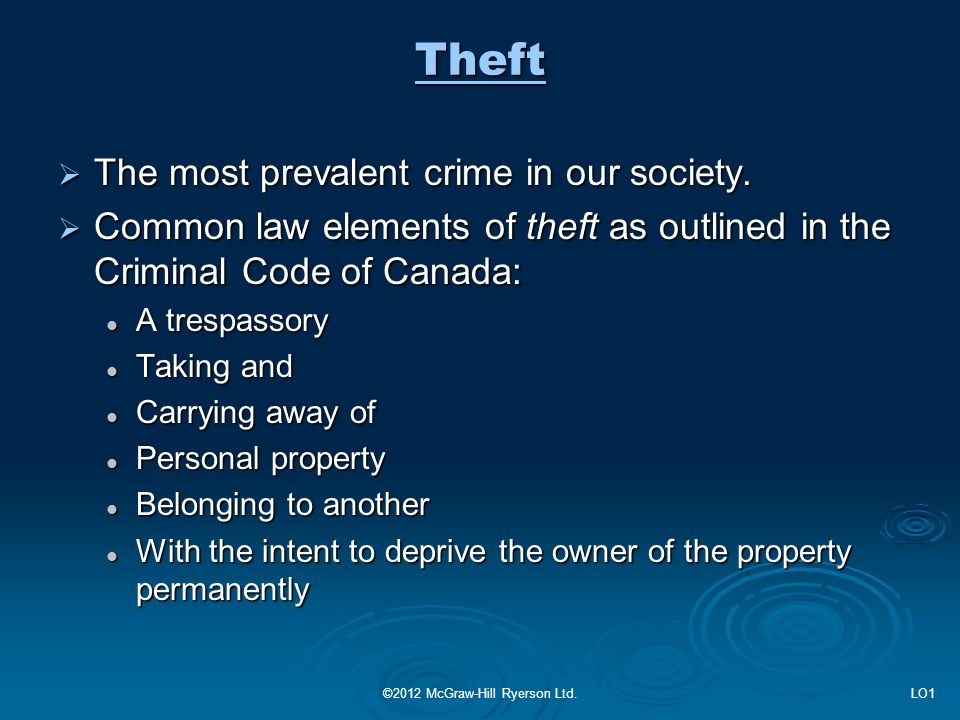
Larceny, also known as theft, is a serious criminal offense that involves the unlawful taking and carrying away of someone else’s property with the intent to permanently deprive them of it. In legal terms, certain elements must be present for an act to be considered larceny. Understanding these elements is crucial in determining guilt or innocence in a court of law. This article will delve into the essential elements of offense for larceny, providing a comprehensive overview of the legal requirements. What are the elements of offence for larceny?

1. The Taking and Carrying Away

 Defining the Act of Taking and Carrying Away

The first element of larceny involves the act of taking and carrying away someone else’s property. This requires physical control over the item in question, even if the distance traveled is minimal. The offender must have had control or custody of the property, whether by physically removing it from its original location or by exercising control over it while it remains in the same place.

 Importance of Unlawful Taking

The taking and carrying away must be unlawful. This means that the individual must not have a legal right or permission to possess or remove the property in question. If the accused has a legal right to the property or reasonably believes they have a right to possess it, they may not be guilty of larceny. However, if they exceed their authorized rights or obtain the property through fraudulent means, the act may still be considered larceny.

What are the elements of offence for larceny?

2. Property of Another

Ownership and Possession

The second element of larceny is that the property taken must belong to another person. The owner must have possessory rights and control over the item. It is important to note that property can be owned by an individual, a business, or even the government. The key consideration is that the accused did not have lawful ownership or possession of the property at the time of the offense.

Joint Ownership and Consent

In cases where property is jointly owned, larceny can still occur if one of the co-owners takes the property without the consent of the other owner(s). Consent plays a significant role in determining whether the act is larceny. If the owner willingly gives permission for someone to take their property, it may not be considered larceny, as the act lacks the requisite intent to permanently deprive.

3. Intent to Permanently Deprive

The Mental Element

The third and final element of larceny involves the intent to permanently deprive the owner of their property. The offender must have the specific mental state to withhold the property permanently from the owner’s possession. If the intent is temporary or the offender intends to return the property at a later time, it may not meet the requirement for larceny.

Degrees of Larceny

In some jurisdictions, larceny offenses may be further categorized into degrees, depending on the value of the stolen property or other factors. The severity of punishment may vary based on the degree of larceny committed. For larceny offences see here.

elements of offence for larceny

In conclusion, larceny is a criminal offense with specific elements that must be met for a conviction to occur. The act of taking and carrying away someone else’s property unlawfully, the property belonging to another person, and the intent to permanently deprive the owner are the essential elements of larceny. Understanding these elements is crucial in both legal practice and the broader public’s awareness of the law.

Understanding Acts of Larceny: Definition, Examples, and Consequences

Introduction

Larceny, often referred to as theft, is a crime that involves the unlawful taking and carrying away of someone else’s personal property with the intention to permanently deprive the owner of its possession. Acts of larceny encompass a wide range of illegal activities, from petty theft to grand theft, and can have serious legal consequences. This article aims to provide a comprehensive overview of acts of larceny, including their definition, examples, and the potential penalties associated with these offenses.

Defining Larceny

What is Larceny?

Larceny, as defined by the legal system, is the act of taking another person’s property without their consent and with the intent to permanently deprive them of its possession. It involves a wrongful taking, carrying away, or removal of someone else’s personal belongings, regardless of their value. The crucial elements of larceny include the absence of consent and the intention to permanently keep the property.

Elements of Larceny

To constitute an act of larceny, certain elements must be present:

Unlawful Taking: The property must be acquired unlawfully, without the owner’s consent. If the owner gives permission to take the property, even temporarily, larceny does not occur.

Carrying Away: The stolen property must be physically moved or carried away from its original location. However, the distance traveled is not a significant factor in determining whether larceny has been committed.

Intent to Permanently Deprive: The perpetrator must have the intention to permanently keep the property or prevent the rightful owner from recovering it. If the intent is to return the property, even after a period of time, it may not be considered larceny.

What are acts of larceny?

Examples of Acts of Larceny

Petty Theft

Petty theft refers to the theft of relatively low-value items. Examples of petty theft include shoplifting a small item from a store, stealing a bicycle, or taking personal belongings from someone’s unattended bag. While the value of the stolen items may vary depending on the jurisdiction, petty theft typically involves property worth below a certain monetary threshold.

Grand Theft

Grand theft involves the theft of more valuable property, exceeding the threshold set by law. The exact value that distinguishes grand theft from petty theft may differ based on jurisdiction. Examples of grand theft include stealing an expensive piece of jewelry, a high-end electronic device, or a motor vehicle.

Embezzlement

Embezzlement is a specific form of larceny where a person entrusted with someone else’s property or funds unlawfully converts or misappropriates them for personal gain. This often occurs in professional settings, such as when an employee siphons funds from their employer’s account or diverts company assets for personal use.

Robbery

Robbery is a more severe form of larceny that involves the theft of property through force, threat, or intimidation. Unlike other forms of larceny, robbery includes an element of violence or the fear of immediate harm. For instance, forcibly taking a purse from a person’s hand or using a weapon during the theft would be considered robbery.

Consequences of Acts of Larceny

Legal Penalties

The severity of legal penalties for acts of larceny varies based on several factors, including the value of the stolen property, the presence of aggravating circumstances, and the offender’s criminal history. Generally, larceny is considered a criminal offense and can result in fines, probation, community service, and imprisonment. Repeat offenders or those involved in grand theft may face more severe penalties.

acts of larceny

Non-Legal Consequences

Apart from the legal repercussions, acts of larceny can have long-lasting consequences on various aspects of an individual’s life. Being convicted of theft can damage one’s reputation, affecting employment prospects and personal relationships. Additionally, a criminal record can limit access to certain opportunities, such as housing or financial assistance.

Conclusion

Acts of larceny encompass a broad range of illegal activities involving the unlawful taking and carrying away of another person’s property. Whether it is petty theft, grand theft, embezzlement, or robbery, these acts can have serious consequences both legally and personally. Understanding the definition, examples, and potential penalties associated with acts of larceny is crucial to deter and prevent these offenses. By raising awareness and promoting a strong legal framework, society can work towards reducing the occurrence of such crimes and ensuring the protection of individuals’ property rights. https://www.sydneyfamilycriminaldefencelawyers.com.au/

Understanding Larceny: Types of Offences and Legal Implications

Introduction

Larceny is a criminal offence that involves the unlawful taking and carrying away of someone else’s property without their consent and with the intent to permanently deprive them of it. It is a serious crime with legal consequences that can vary depending on the jurisdiction and the specific circumstances of the case. In this article, we will delve into the various types of larceny offences, their elements, and the potential penalties that can be imposed. What type of offence is larceny?

Types of Larceny Offences

Petit Larceny

Petit larceny, also known as petty theft, refers to the theft of property with a relatively low value. The threshold for distinguishing between petit larceny and grand larceny varies by jurisdiction, but it generally involves theft of property worth less than a specified amount, such as $500 or $1,000. Petit larceny is considered a misdemeanor in most jurisdictions, and the penalties typically include fines, probation, community service, or a short-term jail sentence.

What type of offence is larceny?

Grand Larceny

Grand larceny involves the theft of property with a higher value, surpassing the threshold set by the jurisdiction. The threshold for grand larceny can vary significantly, ranging from $500 to several thousand dollars. In some jurisdictions, grand larceny is further categorized into degrees, such as first-degree grand larceny for theft of higher-value items. Grand larceny is a more serious offence than petit larceny and is usually classified as a felony. The penalties for grand larceny can include substantial fines, probation, community service, and a long-term prison sentence.

Embezzlement

Embezzlement is a form of larceny that occurs when someone entrusted with managing or controlling another person’s property fraudulently appropriates it for their own use. This offence commonly occurs in business or employment settings, where individuals in positions of trust manipulate funds or assets for personal gain. Embezzlement charges can range from misdemeanors to felonies, depending on the value of the misappropriated property. The penalties for embezzlement typically include fines, restitution, probation, and potentially imprisonment.

Shoplifting

Shoplifting is a specific type of larceny that involves the theft of merchandise from a retail store or establishment. It can include actions such as concealing items, altering price tags, or switching labels to pay a lower price. Shoplifting can be charged as either petit larceny or grand larceny, depending on the value of the stolen goods. Penalties for shoplifting can vary, but they often include fines, mandatory education programs, community service, and, in some cases, imprisonment. https://www.sydneyfamilycriminaldefencelawyers.com.au/larceny/

offence is larceny

Carjacking

Carjacking is a severe form of larceny that involves the theft of a motor vehicle from the owner using force, intimidation, or violence. This offence endangers the safety and well-being of the vehicle owner and can lead to additional charges beyond larceny, such as assault or kidnapping. Carjacking is considered a felony in most jurisdictions, and the penalties can be severe, including substantial fines and lengthy prison sentences.

Legal Implications and Defenses

Larceny offences are treated seriously by the legal system, and individuals charged with larceny face potential criminal records and long-term consequences. However, it is important to note that everyone is entitled to a defense. Common defenses in larceny cases can include:

Lack of intent: The defendant may argue that they did not have the intent to permanently deprive the owner of the property or that they believed they had a legitimate claim to it.

Mistaken identity: If there is doubt about the defendant’s identity as the perpetrator of the larceny, they can present evidence to support an alibi or show that they were not present at the scene.

Consent: The defendant may assert that they had the owner’s consent to take the property or that the owner willingly gave it to them.

Entrapment: In some cases, the defendant may argue that they were coerced or induced by law enforcement to commit the larceny, and therefore, it was not their original intent.

Insufficient evidence: If the prosecution fails to provide enough evidence to prove the elements of the larceny offence beyond a reasonable doubt, the defendant may be acquitted.

It is crucial for individuals facing larceny charges to consult with an experienced criminal defense attorney to understand their rights, build a strong defense strategy, and navigate the legal process effectively. What type of offence is larceny?

Conclusion

Larceny encompasses various types of property theft, ranging from petit larceny to grand larceny, embezzlement, shoplifting, and carjacking. These offences carry different legal implications and potential penalties, depending on the jurisdiction and circumstances involved. If you or someone you know is facing larceny charges, seeking legal counsel is essential to protect your rights and receive appropriate guidance throughout the legal proceedings. Remember, understanding the specific elements and defenses related to larceny can significantly impact the outcome of your case.

Understanding the Difference Between Robbery and Burglary

When it comes to crimes against property, two terms often come up: robbery and burglary. While they may seem similar at first glance, there are distinct differences between the two. Understanding these differences is crucial for both legal professionals and the general public. In this article, we will explore the disparities between robbery and burglary, shedding light on their definitions, elements, and legal implications.

Robbery: Unlawful Taking with Force or Threat

Definition:

Robbery refers to the act of taking someone else’s property unlawfully by using force or the threat of force. It involves a direct confrontation between the perpetrator and the victim, where intimidation or violence is used to coerce the victim into surrendering their belongings.

Elements:

For an act to be classified as a robbery, several elements must be present:

  • Unlawful taking: The property is taken without the owner’s consent or legal justification.
  • Force or threat: The perpetrator employs physical force, such as assault or violence, or threatens the victim with immediate harm.
  • Direct confrontation: The act occurs in the victim’s presence, or the victim is aware of the robbery and the force or threat involved.

Legal Implications:

Robbery is a serious crime that is typically classified as a felony. The severity of the offense depends on various factors, including the degree of violence used, the value of the stolen property, and the jurisdiction’s specific laws. Convictions for robbery can result in significant prison sentences and hefty fines.

What is the difference between robbery and burglary?
 What is the difference between robbery and burglary?

Burglary: Unlawful Entry with Intent to Commit a Crime

Definition:

Burglary refers to the act of entering a building or property unlawfully with the intent to commit a crime, usually theft or another felony. Unlike robbery, burglary does not require direct confrontation or the use of force against an individual. https://www.sydneyfamilycriminaldefencelawyers.com.au/robbery-offences/

Elements:

The following elements must be established for an act to be considered burglary:

  • Unlawful entry: The perpetrator gains access to a structure or property without permission, usually by breaking in or trespassing.
  • Intent: The individual enters the premises with the intention of committing a crime, such as theft, vandalism, or assault.

Legal Implications:

Burglary is also a serious offense and is typically classified as a felony. The specific penalties vary depending on the jurisdiction and the circumstances of the crime. Factors such as the type of structure targeted, the presence of weapons, and the value of stolen property can influence the severity of the charges and subsequent punishment.

The Key Differences and Similarities

between robbery and burglary

Distinguishing Factors:

The primary differences between robbery and burglary can be summarized as follows:

  • Direct confrontation: Robbery involves face-to-face interaction between the perpetrator and the victim, while burglary does not require such contact.
  • Force or threat: Robbery requires the use of force or the threat of force, whereas burglary does not necessitate either.
  • Intent: Robbery focuses on the act of taking property from a person through intimidation, while burglary emphasizes the act of illegally entering a structure with the intent to commit a crime.

Common Ground:

Despite their differences, robbery and burglary share a few similarities:

  • Unlawful acts: Both crimes involve unlawful acts, violating the rights of property owners.
  • Property-related crimes: Both offenses typically revolve around the unlawful acquisition or possession of property.
  • Legal consequences: Both robbery and burglary can lead to serious legal consequences, including imprisonment and fines.

In Conclusion

While the terms “robbery” and “burglary” are often used interchangeably in common parlance, it is important to understand their distinct legal definitions and implications. Robbery entails the use of force or the threat of force during the direct confrontation with the victim, while burglary involves unlawfully entering a property with the intent to commit a crime. These differences, although subtle, are crucial for legal professionals and the public to ensure accurate understanding and appropriate application of the law.

By clarifying the disparities between robbery and burglary, we can improve our knowledge of criminal law and contribute to a safer and more informed society.

5.0
Based on 7 reviews
powered by Google
Halil Boz
09:48 09 May 23
After months of stress and anxiety, I was finally recommended to Rabia to sort some of my legal issues out. Rabia guided me throughout the whole process and got me an amazing outcome through the courts. Her proffesionilism and desire to get the best outcome for me took the worlds pressure off my shoulders. I didn't know how to return this favour so writing this review was the least I could do for not only a wonderful lawyer but an amazing human being. Please don't hesitate in reaching out to Rabia. It was the best decision I ever made. Thank You Rabia!!
Metin Salih
09:10 09 May 23
I would just like the share my experience with Rabia from Sydney Family and Criminal Defence Team. She worked very hard on my case and i ended up receiving a result I really was not expecting . She worked above and beyond my expectations and I couldn't recommend her highly enough. Thanks again Rabia for all the effort and long hours you put in to achieve what we did!
hulia boz
08:45 09 May 23
Professional and very very knowledgeable!
Wish I found them years ago.
Don’t settle for anything but the best!!
Shadia Ashrafi
07:58 09 May 23
Eda Boz
07:10 09 May 23