
What Happens If Someone Is Guilty of Fraud?

What happens if someone is guilty of fraud?

Understanding the Consequences of Fraudulent Actions

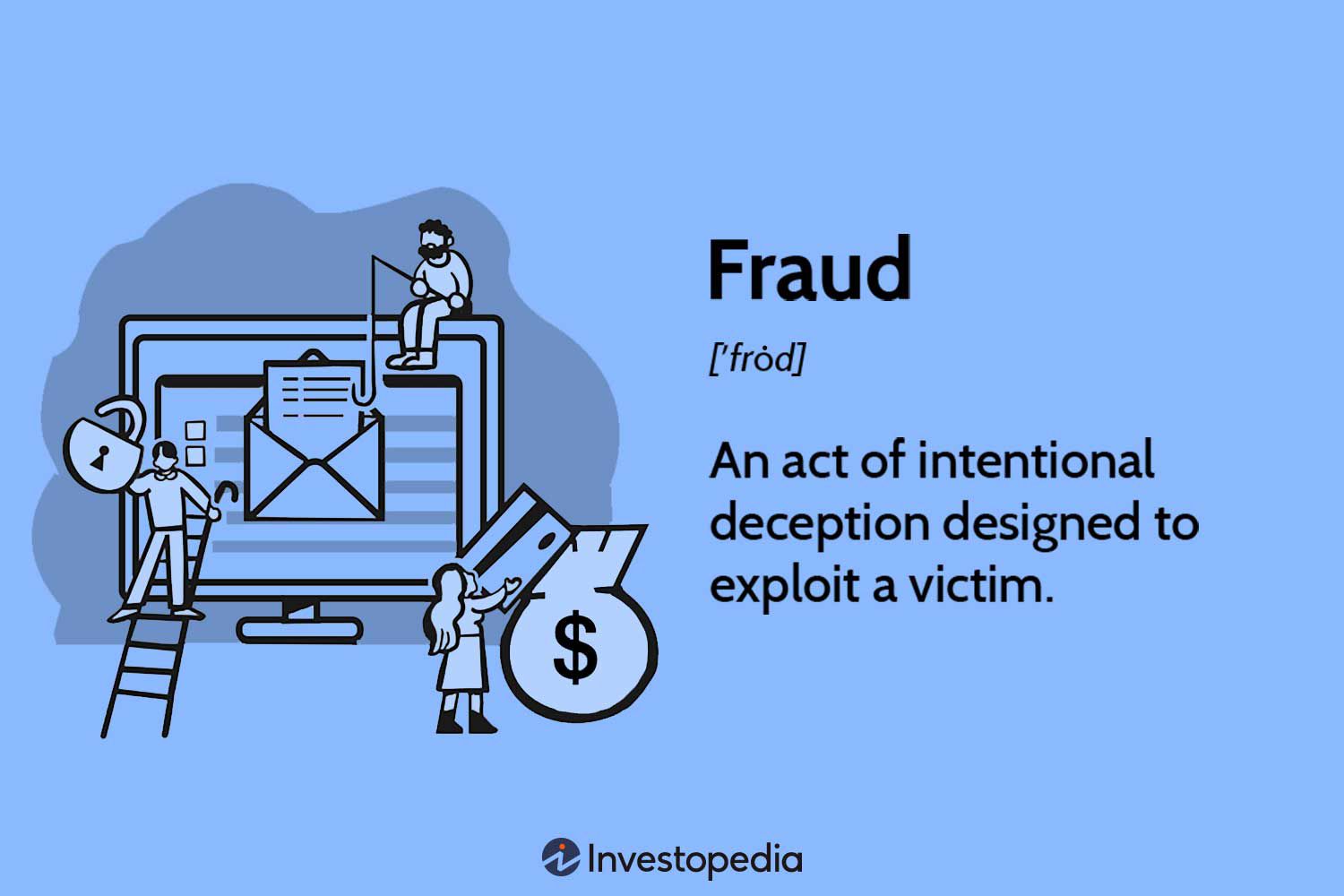
When someone is found guilty of fraud, it can have serious legal, financial, and reputational implications. Fraud is a criminal offense that involves intentional deception or misrepresentation for personal gain. Whether it’s committing identity theft, financial fraud, or insurance fraud, individuals who engage in fraudulent activities can face severe penalties. In this article, we will explore the consequences of fraud and the impact it can have on both the perpetrator and the victims. For criminal law fraud charges read on.

Legal Consequences of Fraud

Committing fraud is against the law, and those found guilty can face various legal consequences. The severity of the penalties depends on the nature and scale of the fraud committed. Here are some common legal repercussions:

  1. Fines: Individuals convicted of fraud may be required to pay substantial fines. The amount of the fines can vary greatly, depending on factors such as the amount of money involved, the harm caused to victims, and any previous convictions.
  2. Imprisonment: Fraudsters can face imprisonment as a result of their actions. The length of the sentence will be determined by the seriousness of the fraud and other factors considered by the court. In cases involving significant financial losses or multiple victims, the sentences can be quite lengthy.
  3. Restitution: Courts may order the guilty party to pay restitution to the victims to compensate for the losses they incurred. This can include repaying stolen funds, reimbursing legal fees, or providing compensation for damages caused by the fraud.
  4. Probation: In some cases, individuals convicted of fraud may be placed on probation. During this period, they are required to meet certain conditions, such as regularly reporting to a probation officer, attending counseling, or refraining from certain activities.
  5. Criminal Record: A conviction for fraud will result in a criminal record, which can have long-lasting effects on various aspects of the individual’s life. It can affect future employment opportunities, housing applications, and even their personal relationships.

Financial Consequences of Fraud

someone is guilty of fraud

The financial consequences of fraud can be significant and far-reaching. Both individuals and organizations can suffer substantial losses as a result of fraudulent activities. Some of the financial impacts include:

  • Loss of Funds: Fraud often involves the misappropriation or theft of money. Victims can lose their savings, investments, or other valuable assets as a result. In cases of corporate fraud, shareholders and investors may suffer substantial financial losses.
  • Legal Expenses: Fighting fraud can be a lengthy and costly process. Victims may need to hire lawyers, forensic accountants, and other experts to investigate the fraud and pursue legal action. These expenses can add up quickly and further strain the financial resources of the affected parties.
  • Damaged Credit: Fraudsters may use stolen identities to obtain credit in the victims’ names. This can lead to damaged credit scores and make it difficult for individuals to secure loans, mortgages, or other forms of credit in the future.
  • Increased Insurance Premiums: Insurance fraud, such as filing false claims or exaggerating losses, can result in increased premiums for both individuals and businesses. Insurance companies may also become more cautious and impose stricter requirements, making it harder for honest policyholders to obtain coverage at reasonable rates.

    Reputational Consequences of Fraud

    Fraud can have a devastating impact on the reputation of individuals and organizations involved. The loss of trust and credibility can lead to long-lasting consequences:

    • Damaged Personal Reputation: Individuals found guilty of fraud often face public scrutiny and backlash. Their personal and professional reputation can be tarnished, making it challenging to regain trust from friends, family, colleagues, and the community.
    • Business Reputation: Organizations involved in fraudulent activities can suffer significant damage to their brand and reputation. Customers may lose confidence in their products or services, leading to a decline in sales and potential legal actions from affected stakeholders.
    • Loss of Opportunities: Individuals or businesses with a tarnished reputation due to fraud may find it difficult to secure future employment, business partnerships, or investment opportunities. Others may be hesitant to associate with those who have been involved in fraudulent activities.
    • Regulatory Scrutiny: Fraudulent actions often attract the attention of regulatory authorities. This can result in investigations, fines, and increased regulatory oversight for individuals and organizations involved. Compliance requirements may become more stringent, placing additional burdens on the operations of affected parties.

    Preventing and Combating Fraud

    Given the serious consequences of fraud, it is crucial to prevent and combat these illegal activities. Various measures can be taken to mitigate the risks and protect individuals and businesses:

    1. Educating the Public: Raising awareness about different types of fraud, common scams, and preventive measures can help individuals become more vigilant and less susceptible to fraudulent schemes.
    2. Strengthening Security Measures: Implementing robust security measures, such as strong passwords, encryption, firewalls, and multi-factor authentication, can help protect personal and financial information from being compromised.
    3. Monitoring Financial Transactions: Regularly reviewing bank statements, credit reports, and other financial records can help identify suspicious activities and potential fraud. Reporting any discrepancies to the relevant authorities promptly is essential.
    4. Enhancing Internal Controls: Organizations should establish internal controls and procedures to detect and prevent fraud. This includes segregation of duties, regular audits, and implementing whistle-blower mechanisms to encourage employees to report fraudulent activities.
    5. Collaborating with Law Enforcement: Reporting suspected fraud to law enforcement agencies and providing them with any relevant information can aid in investigations and the prosecution of fraudsters.

    Conclusion

    Being guilty of fraud has severe consequences that extend beyond the legal realm. Fraud can lead to fines, imprisonment, restitution, and a permanent criminal record. The financial and reputational impacts can be devastating for both individuals and organizations involved. It is essential to raise awareness, strengthen preventive measures, and collaborate with law enforcement agencies to combat fraud effectively. By taking proactive steps, we can minimize the occurrence of fraud and protect ourselves and our communities from its harmful effects.


    Remember, the fight against fraud requires collective effort, and everyone has a role to play in promoting honesty, transparency, and ethical behavior. What happens if someone is guilty of fraud?

Charges for Fraud in Australia: Understanding the Legal Consequences

Introduction

Fraud is a serious offense that can have severe legal consequences in Australia. Defined as intentionally deceiving someone with the purpose of gaining a financial or personal advantage, fraud is taken seriously by the Australian legal system. In this article, we will delve into the charges associated with fraud in Australia, exploring the various types of fraud offenses and their penalties.

Types of Fraud Offenses

1. Fraudulent Misrepresentation

Fraudulent misrepresentation occurs when a person intentionally makes false statements or conceals important information with the intention to deceive another person or entity. This offense can involve various contexts, such as financial transactions, contracts, or the sale of goods and services. If found guilty of fraudulent misrepresentation, the penalties can range from fines to imprisonment, depending on the severity of the offense.

2. Credit Card Fraud

Credit card fraud involves the unauthorized use of someone else’s credit card or credit card information for personal gain. This offense can include activities such as making fraudulent purchases, obtaining cash advances, or creating counterfeit credit cards. Penalties for credit card fraud can vary depending on the amount of money involved and can result in significant fines and imprisonment.

3. Identity Theft

Identity theft refers to the act of unlawfully using someone else’s personal information, such as their name, date of birth, or financial details, without their consent. This crime can have severe financial and emotional consequences for the victim. In Australia, identity theft is treated as a serious offense, and individuals convicted of identity theft can face substantial penalties, including imprisonment.

4. Insurance Fraud

Insurance fraud involves making false or exaggerated claims to an insurance company in order to obtain benefits or compensation. This can include fabricating accidents, inflating the value of stolen items, or staging fraudulent events. Insurance fraud not only impacts the insurance industry but also leads to increased premiums for honest policyholders. In Australia, insurance fraud is punishable by law, and individuals found guilty can face imprisonment and hefty fines.

5. Cyber Fraud

With the increasing reliance on technology and the internet, cyber fraud has become a prevalent form of fraudulent activity. It encompasses various offenses, such as phishing scams, hacking, online identity theft, and the distribution of malware. Cyber fraud is a complex and evolving area of criminal activity, and penalties for cyber fraud offenses can range from fines to imprisonment, depending on the severity and scale of the offense.

What are the charges for fraud in Australia?

Penalties for Fraud

The penalties for fraud offenses in Australia vary depending on factors such as the type and scale of the offense, the amount of money involved, and the impact on victims. The legal system considers fraud a serious offense due to its financial and social implications. Penalties can include:

1. Imprisonment

Depending on the severity of the offense, individuals convicted of fraud may face imprisonment. The duration of the sentence will depend on the specific circumstances of the case and can range from months to several years.

2. Fines

Courts have the authority to impose fines on individuals found guilty of fraud. The amount of the fine will depend on the scale and nature of the offense, and it can range from a few thousand dollars to a substantial sum.

3. Restitution

In some cases, the court may order the convicted individual to pay restitution to the victims. Restitution involves reimbursing the victims for the financial losses they incurred due to the fraud.

4. Community Service

In addition to imprisonment, fines, and restitution, the court may also impose community service as a penalty for fraud offenses. Community service requires the convicted individual to contribute a specified number of hours to community-based activities, such as volunteering for charitable organizations or assisting in public service projects. This penalty aims to promote accountability and provide an opportunity for offenders to make amends to society.

5. Criminal Records

A conviction for fraud will result in a criminal record for the offender. Having a criminal record can have long-lasting consequences, impacting employment opportunities, travel prospects, and personal reputation. It is essential to understand that a fraud conviction can have far-reaching implications beyond the immediate legal penalties.

Reporting Fraud

To combat fraud effectively, it is crucial to report suspected fraudulent activities to the appropriate authorities. In Australia, individuals can report fraud to organizations such as the Australian Federal Police, state police agencies, or the Australian Securities and Investments Commission (ASIC), depending on the nature of the offense. Reporting fraud helps initiate investigations and ensures that offenders are held accountable for their actions. https://www.sydneyfamilycriminaldefencelawyers.com.au/

Conclusion

Fraud offenses carry significant legal consequences in Australia, reflecting the seriousness with which the legal system treats these offenses. Whether it is fraudulent misrepresentation, credit card fraud, identity theft, insurance fraud, or cyber fraud, individuals convicted of fraud can face imprisonment, fines, restitution, community service, and the long-term implications of having a criminal record. To protect society from the detrimental effects of fraud, it is crucial to remain vigilant, report suspected fraud, and work collectively to deter and prosecute fraudulent activities.

charges for fraud in Australia

What is the Charge for a Fraud Case?

Understanding Fraud Charges: A Comprehensive Overview

Introduction

Fraud is a serious criminal offense that involves intentional deception for personal gain. It encompasses a wide range of illicit activities designed to deceive individuals, organizations, or governments. When a person is accused of fraud, they may face severe legal consequences. In this article, we will explore the various aspects of fraud charges, including the types of fraud, potential penalties, and the legal process involved. What is the charge for fraud case?

Types of Fraud

Fraud can manifest in numerous forms, each with its own characteristics and legal implications. Here are some common types of fraud charges:

Securities Fraud

Securities fraud involves deceptive practices in the stock market or other financial markets. It may include insider trading, manipulation of stock prices, or spreading false information to influence investments. Securities fraud is often prosecuted by regulatory bodies like the Securities and Exchange Commission (SEC) or the Financial Industry Regulatory Authority (FINRA).

Identity Theft

Identity theft occurs when someone unlawfully obtains and uses another person’s personal information, such as Social Security numbers, credit card details, or bank account information, for financial gain. Perpetrators may open fraudulent accounts, make unauthorized purchases, or commit other fraudulent activities using the victim’s identity.

Insurance Fraud

Insurance fraud involves making false claims or providing misleading information to insurance companies to receive undeserved payouts. This can include staging accidents, inflating damages, or submitting fake documents to support a claim.

Bank Fraud

Bank fraud refers to any fraudulent activity targeting financial institutions or their customers. This can include forging checks, using stolen credit card information, or engaging in fraudulent loan schemes.

Wire Fraud

Wire fraud involves using electronic communication, such as phone calls, emails, or online platforms, to deceive individuals or organizations and fraudulently obtain money or assets. It often involves scams and schemes that manipulate victims into providing sensitive information or making payments.

What is the charge for fraud case?

Potential Penalties

The penalties for fraud convictions vary depending on the jurisdiction and the specific circumstances of the case. Generally, the severity of the punishment is determined by factors such as the amount of money involved, the impact on victims, and the defendant’s criminal history. Possible penalties may include:

Imprisonment

Fraud convictions can result in significant prison sentences, ranging from a few months to several years. In cases of large-scale fraud or repeat offenders, sentences can be even more severe. The duration of imprisonment may be influenced by the applicable laws and the court’s discretion.

Monetary Fines

Courts may impose fines as part of the penalty for fraud. The amount of the fine is typically determined based on the extent of the fraud, the financial harm caused, and the defendant’s ability to pay. These fines can range from a few thousand dollars to millions of dollars.

Restitution

In many fraud cases, courts order defendants to compensate the victims for their financial losses. This restitution is intended to restore the victims to their pre-fraudulent state and may involve repayment of stolen funds or reimbursement for damages suffered.

Probation

In certain cases, instead of or in addition to imprisonment, a court may sentence a convicted individual to probation. During the probation period, the offender is required to meet specific conditions, such as regularly reporting to a probation officer, attending counseling or rehabilitation programs, and refraining from further illegal activities. Violating the terms of probation can lead to additional penalties, including imprisonment.

Criminal Record

A fraud conviction results in a permanent criminal record, which can have far-reaching consequences. Having a criminal record can impact employment prospects, housing opportunities, and personal reputation. It may also restrict certain rights, such as the right to possess firearms or the ability to travel to certain countries.

Enhanced Punishments

In cases involving aggravated circumstances, such as fraud committed against vulnerable individuals or as part of organized crime, the court may impose enhanced punishments. These could include longer prison sentences, higher fines, or other measures aimed at deterring similar offenses.

The Legal Process

When an individual is charged with fraud, they go through a legal process that ensures their rights are protected and a fair trial is conducted. Here are the typical stages involved:

charge for fraud case

Investigation

The investigative phase begins when a suspected fraudulent activity is reported or discovered. Law enforcement agencies, regulatory bodies, or specialized fraud units then gather evidence, interview witnesses, and build a case against the accused.

Arrest and Charging

If there is sufficient evidence, the authorities may arrest the suspect and formally charge them with fraud. The charges specify the alleged fraudulent acts, the applicable laws violated, and the potential penalties.

Legal Representation

It is crucial for the accused to secure legal representation to navigate the complex legal proceedings. An attorney experienced in fraud cases can provide advice, build a defense strategy, and advocate on behalf of the defendant.

Pre-Trial Proceedings

Before the trial, various pre-trial proceedings take place, including arraignment, where the defendant enters a plea, and discovery, during which both the prosecution and defense exchange evidence and information. The defense may file motions to suppress evidence or dismiss the case if there are legal grounds.

Trial

If the case proceeds to trial, both sides present their arguments, call witnesses, and submit evidence to support their positions. The prosecution bears the burden of proving the defendant’s guilt beyond a reasonable doubt. The trial concludes with a verdict of either guilty or not guilty.

Appeals

Following a conviction, the defendant may have the right to appeal the decision. The appeals process focuses on errors in legal procedures or constitutional violations that may have affected the outcome of the trial. If successful, an appeal can lead to a new trial or the overturning of the conviction. https://www.sydneyfamilycriminaldefencelawyers.com.au/fraud-charges/

Sentencing

If the defendant is found guilty or pleads guilty, the court proceeds to the sentencing phase. The judge considers various factors, such as the severity of the offense, the defendant’s criminal history, and any mitigating or aggravating circumstances, in determining the appropriate penalties.

Conclusion

Fraud charges carry significant legal consequences due to the deceptive nature of the offenses and the potential harm inflicted on individuals and society. Understanding the types of fraud, potential penalties, and the legal process involved is essential for both individuals accused of fraud and those seeking to prevent and combat fraudulent activities. By raising awareness and promoting accountability, society can work towards reducing instances of fraud and protecting its members from financial and personal harm.

Can Provocation Be a Defense? Exploring the Legal Implications

Understanding the Role of Provocation in Criminal Defense

The Definition of Provocation

In the realm of criminal law, provocation refers to actions or words that incite or instigate another person to engage in illegal or aggressive behavior. Provocation can range from verbal insults to physical attacks, with the intention of arousing anger, resentment, or a violent response. While provocation can often lead to criminal acts, there are instances where it becomes a point of contention in the defense strategy of the accused. Can provocation be a defence?

Provocation as a Defense Strategy

The concept of provocation as a defense strategy revolves around the idea that the accused’s actions were a direct result of being provoked beyond reasonable limits. By presenting evidence of provocation, the defense aims to establish that the accused’s actions were not premeditated or rooted in malice, but rather a spontaneous reaction to an overwhelming and provocative situation.

The “Heat of Passion” Defense

One common application of provocation as a defense is the “heat of passion” defense. This defense asserts that the accused acted in the heat of the moment, without premeditation, due to an intense emotional state caused by the provocation. The argument is that under such circumstances, the accused should be held to a lower degree of culpability for their actions.

Can provocation be a defence?

Legal Standards and Precedents

The Objective Test

To determine the viability of the provocation defense, courts often apply an objective test. This test evaluates whether a reasonable person, facing similar circumstances and level of provocation, would have reacted in a similar manner. It takes into account factors such as the nature of the provocation, the accused’s mental state, and the immediacy of the response.

Partial Excuse or Mitigation of Offense

In jurisdictions where provocation is recognized as a defense, it typically functions as a partial excuse or mitigation of the offense rather than a complete defense. The extent to which provocation can reduce the severity of the charges or lead to a lesser sentence varies across jurisdictions.

Provocation and Self-Defense

Provocation can also be intertwined with self-defense claims. In some cases, the accused may argue that their actions were a reasonable response to a perceived threat arising from the provocation. The success of such a defense hinges on establishing that the accused genuinely believed they were in imminent danger and that their response was proportionate.

Criticisms and Controversies

Subjectivity and Bias

Critics of the provocation defense argue that it is inherently subjective and can lead to unjust outcomes. The determination of what constitutes provocation and whether it justifies a violent response can vary significantly based on individual perspectives, cultural norms, and societal biases. There is concern that the defense may disproportionately benefit certain individuals or perpetuate harmful stereotypes.

Discouraging Personal Responsibility

Another criticism is that the provocation defense may undermine personal responsibility for one’s actions. By attributing the accused’s conduct to external factors, such as provocation, some argue that it diminishes accountability and promotes a culture of excusing violent behavior.

Evolution of Legal Perspectives

Reforms and Restrictions

In response to the controversies surrounding the provocation defense, some jurisdictions have implemented reforms to restrict its scope. This includes imposing limitations on the types of provocation that can be considered, such as excluding verbal insults or actions that are not immediate threats to personal safety.

Shifting Focus to Restorative Justice

As an alternative to the traditional adversarial approach, some legal systems are exploring restorative justice principles. Restorative justice seeks to address the harm caused by an offense and promote healing for all parties involved. This approach encourages dialogue, accountability, and reconciliation rather than solely focusing on punishment. By adopting restorative justice practices, the emphasis shifts from determining guilt and assigning blame to fostering understanding and repairing the harm done.

provocation be a defence

Conclusion

The question of whether provocation can be a defense in criminal cases remains a complex and contentious issue. While some jurisdictions recognize provocation as a defense, others have limited its application or abolished it altogether. The objective test, the “heat of passion” defense, and the interplay with self-defense claims are factors considered in evaluating the viability of the defense.

However, criticisms surrounding subjectivity, bias, and the potential erosion of personal responsibility have prompted reforms and discussions on alternative approaches such as restorative justice. These shifts aim to prioritize healing, dialogue, and reconciliation rather than solely focusing on punishment. For sydney lawyers criminal law defences see here.

As legal systems continue to evolve, the debate around the role of provocation in criminal defense will persist. Striking a balance between ensuring justice for victims and accounting for the complexities of human behavior remains a challenging task. Ultimately, the determination of whether provocation can be a viable defense depends on the specific legal jurisdiction, the facts of the case, and the prevailing societal values and norms. Can provocation be a defence?

Understanding the Difference: Defence vs. Offence Legally

When it comes to legal proceedings, the terms “defence” and “offence” play a significant role in determining the strategies used by both prosecutors and defendants. It is crucial to understand the distinctions between these two concepts to navigate the legal system effectively. In this article, we delve into the definitions and implications of defence and offence, shedding light on their roles in legal matters. What is defence vs offence?

Defence: Protecting Rights and Interests

Definition of Defence

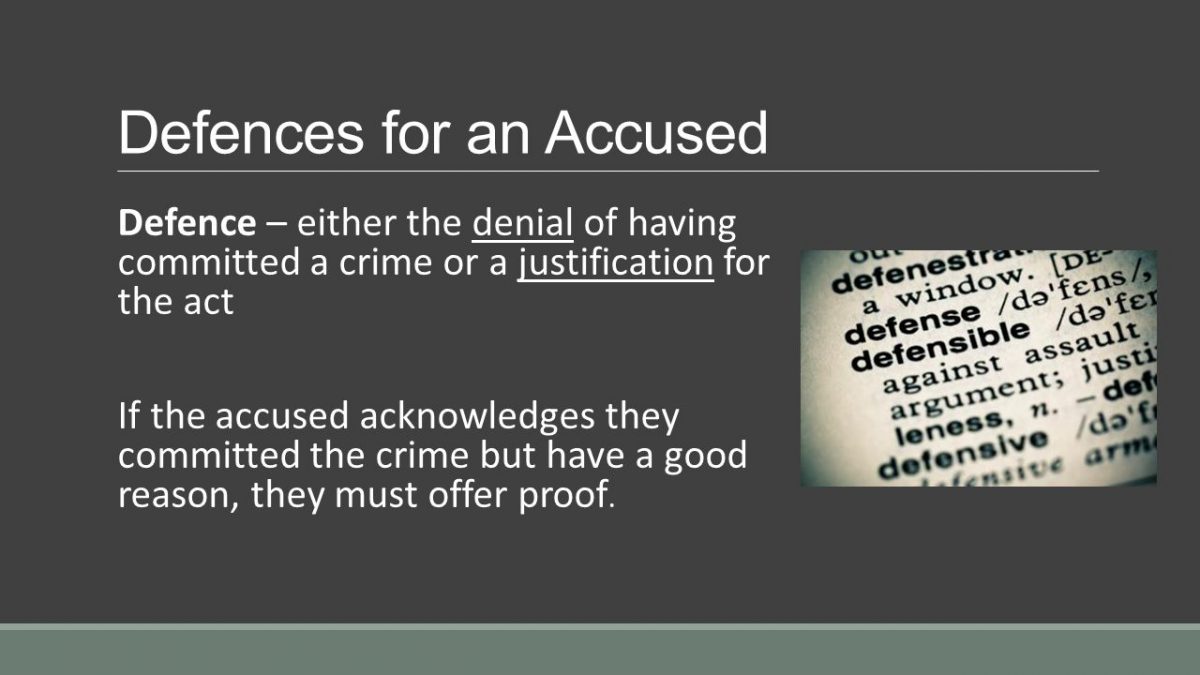
Defence, in the legal context, refers to the set of actions and strategies employed by a defendant or their legal representatives to protect their rights and interests. It is the means by which an individual or entity responds to allegations or charges brought against them in a court of law.

Role of Defence

The primary objective of a defence strategy is to challenge the evidence and arguments presented by the prosecution. It aims to create reasonable doubt in the minds of the judge or jury regarding the guilt of the defendant. Defence attorneys utilize various legal tactics, including cross-examination, presentation of evidence, and witness testimony, to support their client’s case.

Types of Defence

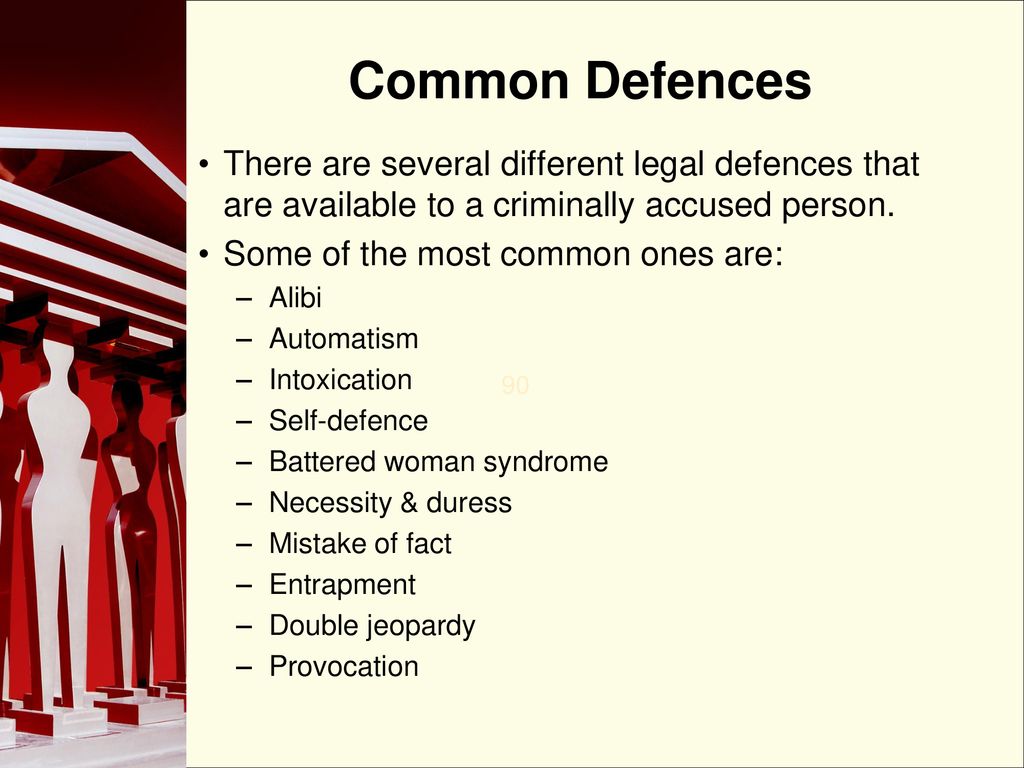
There are several types of defence that can be employed, depending on the nature of the case. Some common defence strategies include:

1. Alibi Defence

An alibi defence seeks to establish that the defendant was not present at the scene of the crime during the time of the incident. This defence typically relies on witness testimony, video surveillance footage, or any other evidence that can prove the defendant’s absence from the location where the alleged offence occurred.

What is defence vs Offence legally?

2. Self-Defence

Self-defence is a defence strategy used when the defendant’s actions are deemed necessary to protect themselves or others from harm or danger. It asserts that the defendant’s actions were a reasonable response to an immediate threat, and their intent was not to commit an offence but rather to defend themselves.

3. Lack of Intent

This defence argues that the defendant did not have the necessary intent to commit the alleged offence. It suggests that their actions were accidental, involuntary, or lacking the required mental state to be held criminally liable.

The Role of the Prosecutor in an Offence

While defence focuses on protecting the rights and interests of the accused, the role of the prosecutor is to present evidence and arguments to prove the guilt of the defendant. Prosecutors work on behalf of the state or government to establish that the accused has committed a crime beyond a reasonable doubt.

Offence: Accusations and Prosecution

Definition of Offence

An offence refers to a violation of the law or a criminal act committed by an individual or entity. It is an action that is considered illegal and can result in legal consequences such as fines, imprisonment, or other penalties if proven guilty.

The Role of the Prosecutor

The prosecutor’s primary responsibility is to gather evidence, interview witnesses, and build a strong case against the defendant. They must present their case convincingly to convince the judge or jury of the defendant’s guilt. The prosecutor’s objective is to prove the elements of the offence beyond a reasonable doubt, which requires establishing that the defendant had the necessary intent, committed the prohibited act, and that there was no valid defence present.

Prosecution Strategies

Prosecutors employ various strategies to build a solid case against the accused. Some common prosecution strategies include:

1. Presentation of Evidence

Prosecutors gather evidence such as witness testimonies, physical evidence, forensic analysis, and documentation to establish a clear narrative of the crime. They present this evidence in court to support their case and convince the judge or jury of the defendant’s guilt.

2. Examination of Witnesses

Prosecutors carefully question witnesses, including victims, experts, and law enforcement officers, to elicit crucial information that supports their case. Witness testimony plays a vital role in establishing the events surrounding the offence and the defendant’s involvement.

defence vs Offence legally

3. Legal Arguments

Prosecutors construct persuasive legal arguments based on statutes, case law, and legal principles to demonstrate that the defendant’s actions meet the criteria for the charged offence. They aim to convince the judge or jury that the defendant’s conduct was unlawful and deserving of punishment.

Conclusion

Defence and offence are two fundamental concepts in the legal system that shape the strategies employed by both defendants and prosecutors. While defence focuses on protecting the rights and interests of the accused, offence involves accusations and prosecution to establish guilt. Understanding these concepts is crucial for anyone involved in legal proceedings to effectively navigate the complexities of the justice system.

Whether you find yourself in the position of a defendant or are seeking to understand the dynamics of legal proceedings, recognizing the differences between defence and offence can provide valuable insights. By comprehending the roles, strategies, and objectives of both defence and offence, individuals can better navigate the legal landscape and ensure their rights are protected.

Disclaimer: This article is intended for informational purposes only and should not be construed as legal advice. For specific legal guidance, please consult with a qualified attorney. https://www.sydneyfamilycriminaldefencelawyers.com.au/defences/

Understanding the Concept of Defense in Legal Terms

Introduction

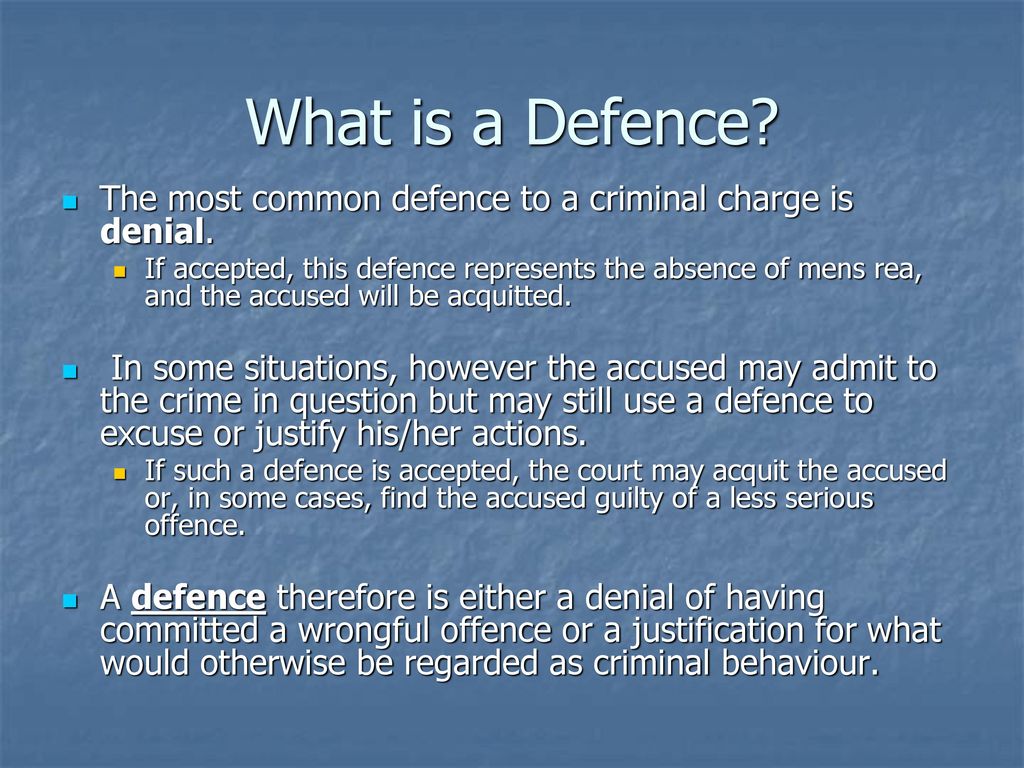
In the realm of law, defense is a crucial aspect of the legal process. It refers to the arguments and evidence presented by a defendant in order to challenge the prosecution’s case. This article provides a comprehensive overview of the concept of defense in legal terms, exploring its significance, types, and how it operates within the judicial system. What is a defence in legal terms?

The Significance of Defense

Defense plays a fundamental role in ensuring a fair and just legal system. It serves as a counterbalance to the prosecution’s case and helps prevent wrongful convictions. By presenting a defense, a defendant has the opportunity to challenge the evidence presented against them, question the credibility of witnesses, and provide alternative explanations or justifications for their actions.

Presumption of Innocence

One of the fundamental principles of the legal system is the presumption of innocence. Every individual is considered innocent until proven guilty. The burden of proof rests upon the prosecution to establish the guilt of the accused beyond a reasonable doubt. The defense’s role is to challenge the prosecution’s case and introduce doubt regarding the defendant’s guilt.

Types of Defense

There are various types of defense that can be employed depending on the circumstances of the case. Some common defense strategies include:

defence in legal terms

Alibi Defense: This defense asserts that the defendant was not present at the scene of the crime when it occurred. The defense presents evidence, such as witnesses or documentation, to support the claim of being elsewhere during the alleged offense.

Self-Defense: This defense argues that the defendant’s actions were taken in response to a perceived threat or danger. It asserts that the defendant’s actions were necessary to protect themselves or others from harm.

Mistaken Identity: This defense claims that the defendant has been wrongly identified as the perpetrator of the crime. It often involves challenging eyewitness testimony or presenting evidence to support an alternative suspect.

Insanity Defense: This defense asserts that the defendant should not be held criminally responsible for their actions due to a mental illness or defect. It requires the presentation of expert testimony and evidence to support the claim of the defendant’s mental state at the time of the offense.

Entrapment: This defense argues that the defendant was induced or coerced by law enforcement officials to commit a crime that they would not have otherwise committed. It seeks to demonstrate that the defendant’s actions were a result of entrapment rather than their own predisposition to commit the offense.

The Role of Defense Attorneys

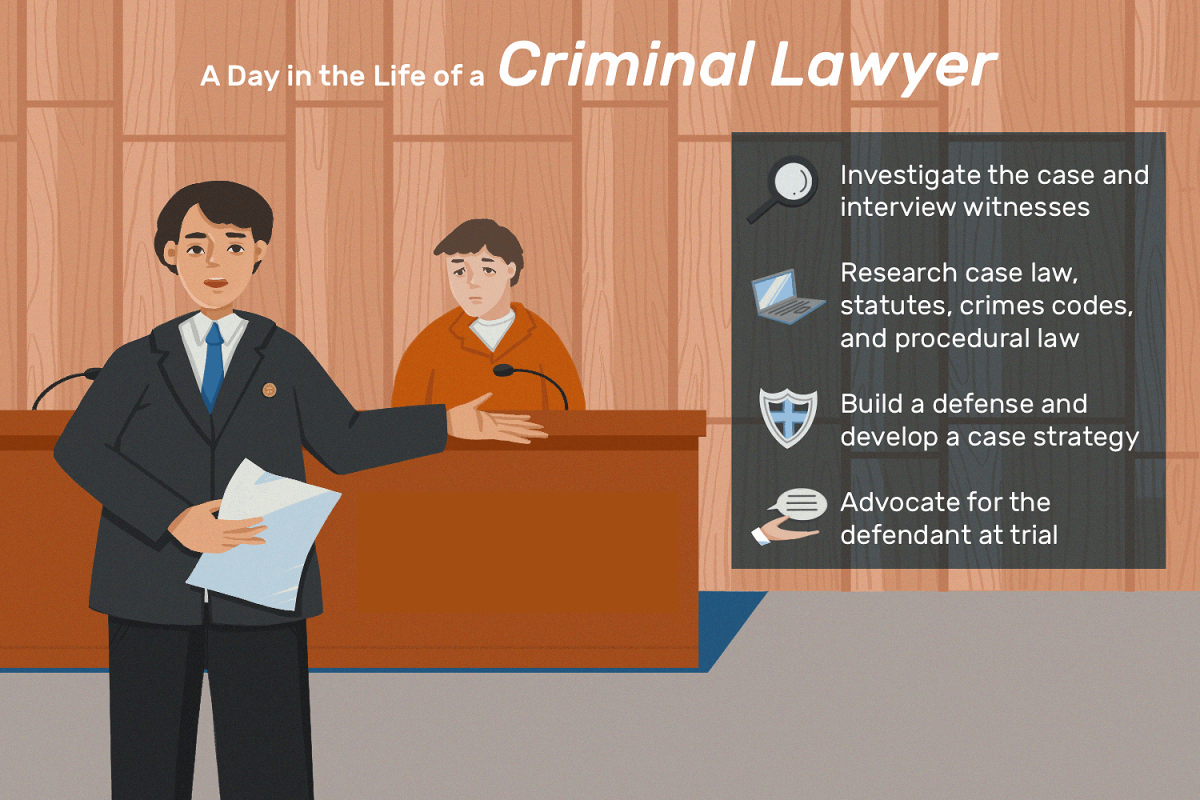
Defense attorneys are legal professionals who specialize in representing individuals accused of crimes. They play a vital role in safeguarding the rights of the accused and ensuring a fair trial. Defense attorneys are responsible for developing a strong defense strategy, gathering evidence, cross-examining witnesses, and advocating for their clients’ interests throughout the legal proceedings.

Challenges Faced by Defense Attorneys

Defense attorneys often face several challenges in their efforts to provide effective representation. Limited access to resources, time constraints, and public perception can all impact their ability to mount a robust defense. Furthermore, navigating complex legal procedures, maintaining client confidentiality, and addressing biases in the legal system are additional hurdles defense attorneys must overcome.

The Role of Prosecution and the Burden of Proof

It is important to note that while defense attorneys represent the accused, the prosecution represents the interests of the state or the victim. The prosecution is responsible for presenting evidence to establish the guilt of the accused beyond a reasonable doubt. The burden of proof rests with the prosecution, meaning they must provide sufficient evidence and arguments to convince the judge or jury of the defendant’s guilt. The defense’s role is to challenge the prosecution’s case, raise reasonable doubt, and present an alternative narrative. What is a defence in legal terms?

What is a defence in legal terms?

The Trial Process

During a trial, both the prosecution and the defense present their respective cases. The defense may call witnesses, introduce evidence, and cross-examine the prosecution’s witnesses. Defense attorneys have the opportunity to challenge the credibility and reliability of the evidence and witnesses presented by the prosecution. They can also present their own witnesses and evidence to support the defense’s position. For sydney family criminal law defences see here.

Plea Bargaining and Settlements

In some cases, the defense and the prosecution may engage in plea bargaining or reach a settlement agreement. Plea bargaining involves negotiations between the defense and the prosecution, where the defendant agrees to plead guilty to a lesser charge or accept a reduced sentence in exchange for a more lenient outcome. Settlements, on the other hand, typically occur in civil cases where the defense and the plaintiff agree to resolve the dispute outside of court.

Appeals and Post-Conviction Relief

If a defendant is convicted, they may have the right to appeal the decision. Appeals allow the defense to challenge legal errors or misconduct that may have occurred during the trial. The appellate court reviews the trial proceedings and determines whether the conviction should be upheld, reversed, or modified. In some cases, post-conviction relief options such as habeas corpus petitions or motions for a new trial may be available to defendants seeking to challenge their convictions based on new evidence or constitutional violations.

Conclusion

In the legal context, defense is a critical component of the judicial process. It ensures that individuals accused of crimes have the opportunity to challenge the prosecution’s case and present their own evidence and arguments. Defense attorneys play a crucial role in safeguarding the rights of the accused and advocating for a fair and just legal system. By understanding the concept of defense and its various strategies, we gain insight into the intricate workings of the legal system and its commitment to upholding justice. What is a defence in legal terms?

In summary, defense is the legal mechanism that allows individuals accused of crimes to present their case and challenge the prosecution’s evidence. It serves as a vital safeguard in maintaining the fairness and integrity of the legal system. Whether through alibi defenses, self-defense claims, or other strategies, the defense plays a crucial role in protecting the rights and interests of the accused. By recognizing the significance of defense, we promote a balanced and equitable judicial process.

Defences to Common Assault: Understanding Your Legal Options

When facing charges of common assault, it is essential to understand the available defences to protect your rights and ensure a fair legal process. The law recognizes several defences that individuals can utilize to challenge allegations of common assault, providing opportunities for exoneration or mitigation of penalties. In this article, we will explore some of the key defences to common assault, empowering you with the knowledge to navigate this complex legal landscape.

Self-Defence: Protecting Yourself and Others

One of the most common defences to common assault is self-defence, which asserts that the accused acted to protect themselves or others from harm. To successfully invoke self-defence, the following conditions must generally be met:

  • The accused believed that they or someone else were in imminent danger of physical harm.
  • The force used by the accused was reasonably proportionate to the perceived threat.
  • The accused had no reasonable opportunity to retreat or avoid the conflict.

It is crucial to gather evidence, such as witness testimonies or CCTV footage, to support your self-defence claim. Demonstrating that you reasonably believed in the necessity of your actions will strengthen your defence.

Consent: Establishing Voluntary Participation

In certain circumstances, consent can serve as a defence to common assault. If the alleged victim willingly participated in the activity that led to the assault and understood the potential risks involved, it may be argued that they consented to the physical contact.

What are the defences to common assault?

However, consent may be invalid under various circumstances, such as:

  • When obtained through fraud, deception, or coercion.
  • When given by someone incapable of providing informed consent, such as a minor or an individual with diminished mental capacity.
  • When the actions exceeded the scope of the consent given.

It is crucial to consult with a knowledgeable legal professional to assess the validity of consent as a defence in your specific case.

Defending Property: Protecting Your Assets

While the law places significant importance on protecting human life, it also recognizes the right of individuals to defend their property within reasonable limits. Defending property can be a valid defence to common assault in situations where:

  • The accused had a genuine belief that their property was in immediate danger of being damaged, stolen, or trespassed upon.
  • The force used by the accused was reasonably proportionate to the perceived threat to the property.

However, it is important to note that excessive force or retaliation beyond what is considered reasonable may undermine this defence.

Mistaken Identity: Challenging Incorrect Allegations

In some cases, individuals may find themselves wrongly accused of common assault due to mistaken identity. This defence asserts that the accused was not present at the scene of the alleged incident or can provide evidence proving their innocence.

If you can provide reliable alibi evidence, such as timestamps from security cameras, witness testimonies, or documentation showing your whereabouts during the time of the assault, it can significantly bolster your defence. Find criminal law defences here.

defences to common assault

Conclusion

When facing charges of common assault, understanding the available defences is crucial to protecting your rights and securing a fair outcome. Defences such as self-defence, consent, defending property, and mistaken identity can provide a strong legal footing to challenge the allegations against you.

What is a Defence to a Crime?

When individuals are accused of committing a crime, they have the right to present a defense in court. A defense is a legal strategy used to challenge the prosecution’s evidence and arguments in an effort to obtain an acquittal or a lesser punishment. In this article, we will explore various defenses that can be raised in criminal cases and their importance in ensuring a fair judicial process. What is a defence to a crime?

Types of Defenses

There are several different types of defenses that can be employed depending on the circumstances surrounding the alleged crime. Let’s take a closer look at some commonly used defenses:

1. Self-Defense

Self-defense is a defense strategy used when an individual claims to have acted in necessary and reasonable force to protect themselves or others from immediate harm or danger. It can be invoked when a person reasonably believes they are at risk of being injured or killed.

For example, if someone breaks into your house and threatens your life, you may be justified in using force to protect yourself. However, the level of force used must be proportionate to the threat faced.

2. Insanity Defense

The insanity defense is employed when the defendant argues that they were not mentally competent at the time of the crime, and therefore, should not be held criminally responsible for their actions. To successfully use this defense, the defendant must prove that they were unable to understand the nature or consequences of their actions due to a mental illness or defect.

It is important to note that the insanity defense is not frequently used, and when it is, it faces strict scrutiny and requires expert testimony to establish the defendant’s mental state at the time of the crime.

What is a defence to a crime?

3. Alibi Defense

An alibi defense is utilized when the accused presents evidence or witnesses to prove that they were not present at the scene of the crime when it occurred. This defense aims to establish that the defendant has an alibi, or a credible alternative location or activity, which makes their involvement in the crime impossible.

Supporting evidence such as surveillance footage, witness testimonies, or electronic records can play a crucial role in corroborating an alibi defense.

4. Consent Defense

The consent defense is often raised in cases involving certain types of crimes, such as assault or sexual offenses. It asserts that the alleged victim willingly and knowingly agreed to engage in the activity in question, thereby negating the element of force or lack of consent required for the crime.

However, it’s essential to understand that consent must be given freely and without coercion. Consent obtained through deception or under duress may not be considered valid.

The Importance of Defenses

The availability of defenses in criminal cases is crucial to maintaining a fair and just legal system. Here are a few reasons why defenses are important:

1. Presumption of Innocence

One of the fundamental principles of criminal law is the presumption of innocence. Every accused individual is presumed innocent until proven guilty. Defenses provide an opportunity for defendants to challenge the prosecution’s case and present evidence in their favor, ensuring that the burden of proof lies on the prosecution. What is a defence to a crime?

2. Protecting Individual Rights

Defenses act as safeguards to protect the rights of individuals accused of crimes. They ensure that defendants are given a fair chance to present their side of the story and protect their rights, such as the right to a fair trial, the right to confront witnesses, and the right to legal representation. Defenses help balance the power dynamics between the prosecution and the defense, ensuring that defendants are not unjustly convicted or punished.

3. Preventing Wrongful Convictions

Defenses play a vital role in preventing wrongful convictions. By allowing defendants to challenge the evidence and arguments put forth by the prosecution, defenses help uncover flaws, inconsistencies, or gaps in the case against the accused. This can lead to the discovery of new evidence, the exposure of misconduct, or the identification of alternative explanations for the alleged crime. As a result, innocent individuals have a better chance of proving their innocence and avoiding wrongful convictions.

4. Enhancing Public Confidence

A robust defense system helps instill public confidence in the justice system. When people see that defendants are given the opportunity to present their defenses, it reinforces the idea that the legal process is fair, transparent, and impartial. It demonstrates that everyone, regardless of the accusations they face, is entitled to a fair and thorough examination of the evidence against them.

defence to a crime

Conclusion

Defenses are essential components of the criminal justice system, allowing accused individuals to challenge the prosecution’s case and protect their rights. Whether it’s self-defense, an alibi, insanity, or consent, defenses provide an avenue for defendants to present their version of events and seek a just outcome. By ensuring a fair and balanced legal process, defenses contribute to the integrity and reliability of the justice system, helping to maintain public trust and confidence. https://www.sydneyfamilycriminaldefencelawyers.com.au/


Common Defences in Criminal Law: Exploring 3 Key Strategies

When it comes to criminal law, defendants have a range of defences available to protect their rights and establish their innocence. These defences are essential for ensuring a fair and just legal system. In this article, we will explore three commonly used defences in criminal law, shedding light on their significance and how they function in the courtroom. What 3 defences are commonly used in criminal law?

1. Self-Defence: Protecting One’s Life and Safety

Self-defence is a defence strategy used when an individual believes their actions were necessary to protect themselves from imminent harm or danger. It is an inherent right recognized by the legal systems of many countries, enabling individuals to use reasonable force to defend themselves or others.

In criminal cases, self-defence can serve as a complete defence, leading to an acquittal, or it can mitigate the charges against the defendant. To successfully claim self-defence, the following elements must typically be established:

The perceived threat:

The defendant must demonstrate that they genuinely believed they were facing an immediate threat of harm or death. The threat must have been reasonably perceived, meaning a reasonable person in the same situation would have also felt threatened.

Proportional response:

The force used in self-defence must be proportionate to the perceived threat. If the response exceeds what is reasonably necessary to protect oneself, the claim of self-defence may not hold up in court.

What 3 defences are commonly used in criminal law?

Reasonable belief:

The defendant must have had a genuine and reasonable belief that using force was necessary to prevent harm or danger. This belief must be objectively assessed, taking into account the circumstances known to the defendant at the time.

It is important to note that the specific requirements for self-defence can vary between jurisdictions. However, the core principles of the defence generally revolve around the perceived threat, proportional response, and reasonable belief.

2. Insanity Defence: When Mental State Alters Criminal Responsibility

The insanity defence is employed when a defendant claims that their mental state at the time of the offense should exempt them from criminal liability. It rests on the premise that individuals suffering from severe mental illness may not have the necessary capacity to understand their actions or differentiate right from wrong.

While the specifics of the insanity defence vary across jurisdictions, it often requires establishing the following elements:

Mental illness:

The defendant must demonstrate that they were suffering from a recognized mental illness or condition at the time of the offense. This could include conditions such as schizophrenia, bipolar disorder, or severe depression.

Cognitive impairment:

The mental illness must have impaired the defendant’s ability to understand the nature and consequences of their actions or to comprehend that their actions were morally or legally wrong.

Burden of proof:

The burden of proving insanity typically rests on the defendant. They must provide evidence supporting their claim, often involving expert testimony from mental health professionals.

It is essential to note that the insanity defence is controversial and can be challenging to successfully invoke. Legal systems strive to strike a delicate balance between protecting the rights of the mentally ill and ensuring public safety.

3. Alibi Defence: Establishing Presence Elsewhere

An alibi defence is a strategy used to prove that the defendant was not present at the scene of the crime when it occurred. By presenting evidence that establishes their whereabouts during the time of the offense, the defendant seeks to create reasonable doubt about their involvement in the crime.

To effectively use the alibi defence, several key elements must be established:

Presence elsewhere:

The defendant must provide compelling evidence that proves they were in a different location at the time the crime took place. This evidence can include surveillance footage, witness testimonies, electronic records, or any other form of documentation that confirms their presence elsewhere.

Reliability and credibility:

The alibi must be reliable and credible. The evidence and testimonies presented should be trustworthy and withstand scrutiny. It is crucial to establish that the alibi is not fabricated or manipulated to deceive the court.

defences used in criminal law

Corroboration:

A strong alibi is often supported by corroborating evidence or witnesses. This can include security camera footage, credit card receipts, phone records, or statements from individuals who can vouch for the defendant’s presence elsewhere. https://www.sydneyfamilycriminaldefencelawyers.com.au/defences/

It is important to note that the alibi defence can be challenging to prove, as the prosecution may attempt to undermine the credibility of the alibi witnesses or provide evidence that contradicts the defendant’s claims. Therefore, a solid alibi should be supported by comprehensive evidence and testimonies.

In conclusion, criminal law offers various defences that defendants can employ to protect their rights and establish their innocence. Self-defence allows individuals to use reasonable force to protect themselves or others from imminent harm. The insanity defence is based on the defendant’s mental state at the time of the offense, arguing that severe mental illness affected their capacity to understand their actions. The alibi defence aims to prove that the defendant was in a different location when the crime occurred, creating doubt about their involvement. Each defence requires a careful examination of the circumstances, evidence, and legal requirements to mount a strong case in court.

Remember, the availability and specifics of these defences may vary based on jurisdiction. If you find yourself facing criminal charges, it is crucial to consult with a qualified criminal defence attorney who can provide expert guidance tailored to your specific situation. By understanding the defences available to you, you can navigate the legal system more effectively and ensure a fair and just resolution to your case. What 3 defences are commonly used in criminal law?


Who is Eligible for Free Legal Aid in Australia?

Legal aid is an essential service that provides access to justice for individuals who may not be able to afford legal representation. In Australia, the government and various legal aid organizations offer free legal assistance to eligible individuals. This article explores the criteria for eligibility and the types of legal issues that qualify for free legal aid in Australia.

Eligibility Criteria for Free Legal Aid

Free legal aid in Australia is primarily provided to individuals who meet certain eligibility criteria. The specific criteria may vary slightly across different states and territories, but generally, the following factors are considered:

1. Financial Eligibility

One of the key factors determining eligibility for free legal aid is the individual’s financial situation. Typically, applicants must meet specific income and asset thresholds to qualify. These thresholds ensure that assistance is targeted towards those who genuinely cannot afford legal representation.

To determine financial eligibility, applicants are required to provide details of their income, assets, and liabilities. The legal aid organization will assess this information to determine if the applicant meets the financial criteria.

2. Nature and Merits of the Case

The nature and merits of the case are also taken into account when determining eligibility for free legal aid. Priority is usually given to cases with significant legal issues, such as criminal charges, family law matters, and cases involving a risk to personal safety or housing stability.

Who is eligible for free legal aid in Australia?

The legal aid organization will assess the complexity and potential impact of the case on the individual and the community. This evaluation helps prioritize cases where legal representation is crucial for a fair outcome.

3. Citizenship or Residency Status

Eligibility for free legal aid in Australia is generally restricted to Australian citizens and permanent residents. Temporary visa holders and individuals without legal status may have limited access to free legal aid, depending on the jurisdiction and the nature of their case.

However, it’s important to note that in some cases, temporary visa holders may be eligible for assistance in specific areas of law, such as family violence matters.

Types of Legal Issues Covered

Free legal aid in Australia covers a wide range of legal issues. Some common areas where eligible individuals can receive assistance include:

1. Criminal Law

Legal aid is often available for individuals facing criminal charges, ranging from minor offenses to serious crimes. This assistance ensures that everyone has access to legal representation and a fair trial.

2. Family Law

Family law matters, such as divorce, child custody, and domestic violence cases, are a common focus of free legal aid services. These cases involve sensitive issues that can significantly impact individuals and their families, and legal aid helps ensure that their rights are protected.

3. Civil Law

Free legal aid may also cover various civil law matters, including disputes related to contracts, property, employment, and consumer rights. Legal assistance can be invaluable in navigating these complex legal areas and achieving a just resolution.

4. Immigration and Refugee Law

Individuals facing immigration and refugee law issues may be eligible for free legal aid, particularly when their case involves potential human rights violations, deportation, or asylum claims. Legal aid organizations help these individuals understand their rights and provide representation throughout the legal process.

5. Social Welfare and Human Rights Law

Free legal aid in Australia also extends to social welfare and human rights law matters. This includes issues related to social security entitlements, disability rights, discrimination, and access to essential services. Legal aid organizations play a crucial role in advocating for the rights of vulnerable individuals and ensuring equal access to justice.

eligible for free legal aid in Australia

How to Apply for Free Legal Aid

If you believe you meet the eligibility criteria for free legal aid in Australia, you can apply through the respective legal aid commission or organization in your state or territory. Here are the general steps to follow:

1. Research and Gather Information

Start by researching the legal aid services available in your area. Visit the website of your state or territory’s legal aid commission to learn about the eligibility criteria, types of legal issues covered, and the application process. Gather all the necessary information and documents required for the application. For legal aid in sydney see here.

2. Complete the Application Form

Fill out the application form accurately and provide all the requested information. This typically includes personal details, financial information, and details about your case or legal issue. Be sure to attach any supporting documents required, such as income statements, identification documents, and relevant court or legal papers.

3. Submit the Application

Submit your completed application form and supporting documents to the legal aid commission or organization. You can usually submit your application online, by mail, or in person at their office. Ensure that you meet any deadlines specified for application submissions.

4. Application Assessment

Once your application is received, it will be assessed by the legal aid organization. They will review your eligibility based on the financial criteria, nature of the case, and other relevant factors. The assessment process may take some time, so be patient and await a response.

5. Outcome of the Application

After reviewing your application, the legal aid organization will notify you of the outcome. If your application is successful, you will be assigned a legal aid lawyer or provided with information on how to access the services you require. In case your application is unsuccessful, you may be provided with alternative options or referred to other resources that can assist you.

Conclusion

Free legal aid in Australia plays a vital role in ensuring access to justice for those who cannot afford legal representation. Eligibility for these services is primarily based on financial circumstances, the nature of the case, and citizenship or residency status. Various legal issues, including criminal law, family law, civil law, immigration and refugee law, and social welfare and human rights law, are covered by free legal aid services.

If you meet the eligibility criteria, it is important to research and apply for free legal aid through the appropriate legal aid commission or organization in your state or territory. By doing so, you can access the legal assistance you need to protect your rights, navigate the legal system, and achieve a fair resolution to your legal issues.


5.0
Based on 7 reviews
powered by Google
Halil Boz
09:48 09 May 23
After months of stress and anxiety, I was finally recommended to Rabia to sort some of my legal issues out. Rabia guided me throughout the whole process and got me an amazing outcome through the courts. Her proffesionilism and desire to get the best outcome for me took the worlds pressure off my shoulders. I didn't know how to return this favour so writing this review was the least I could do for not only a wonderful lawyer but an amazing human being. Please don't hesitate in reaching out to Rabia. It was the best decision I ever made. Thank You Rabia!!
Metin Salih
09:10 09 May 23
I would just like the share my experience with Rabia from Sydney Family and Criminal Defence Team. She worked very hard on my case and i ended up receiving a result I really was not expecting . She worked above and beyond my expectations and I couldn't recommend her highly enough. Thanks again Rabia for all the effort and long hours you put in to achieve what we did!
hulia boz
08:45 09 May 23
Professional and very very knowledgeable!
Wish I found them years ago.
Don’t settle for anything but the best!!
Shadia Ashrafi
07:58 09 May 23
Eda Boz
07:10 09 May 23