How COVID-19 Changed Larceny Trends Across Australia

The COVID-19 pandemic has reshaped many aspects of life worldwide, including crime patterns. In Australia, larceny—the unlawful taking of someone else’s property—has experienced notable changes during and after the pandemic. This article explores how COVID-19 affected larceny trends across Australian states and territories, the factors behind these shifts, and what these changes mean for law enforcement and communities moving forward.

Overview of Larceny in Australia Before COVID-19

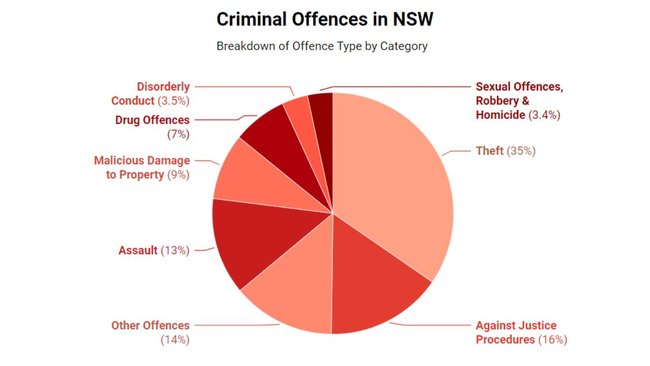
Prior to the pandemic, larceny was one of the most common criminal offences in Australia. This included a range of theft-related crimes such as shoplifting, burglary, and vehicle theft. While the rates fluctuated slightly year to year, the trend was relatively stable with some gradual increases in urban areas.

Common Larceny Offences Pre-Pandemic

  • Shoplifting: Predominantly in retail stores and supermarkets.
  • Burglaries: Break-ins targeting homes and businesses.
  • Vehicle Theft: Taking or stealing vehicles without consent.
  • Petty Theft: Theft of low-value items often committed opportunistically.

Law enforcement agencies had established targeted strategies to manage and reduce these offences, including community policing, CCTV monitoring, and public awareness campaigns.

Impact of COVID-19 Lockdowns on Larceny Rates

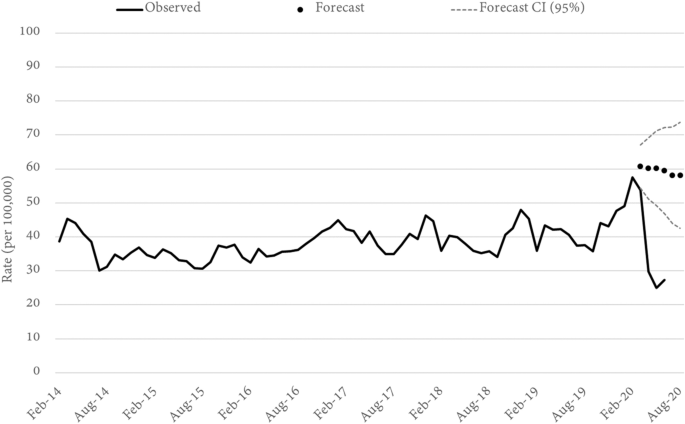
The onset of COVID-19 in early 2020 led to strict lockdowns and social restrictions across Australia. These changes had immediate and significant impacts on crime trends, including larceny.

Reduction in Traditional Theft Offences

During periods of lockdown, many areas saw a marked decrease in larceny rates, particularly shoplifting and burglaries. The closure of non-essential businesses and fewer people in public spaces limited opportunities for theft. Retail stores experienced fewer in-person customers, which directly reduced shoplifting incidents.

Similarly, residential burglaries declined as more people stayed at home, increasing natural surveillance and deterrence.

Shift in Crime Patterns

While some larceny offences decreased, others shifted. For example, online fraud and cyber theft surged as more people turned to e-commerce and digital platforms. Although not traditional larceny, these crimes reflected the evolving nature of property offences during the pandemic.

Post-Lockdown Larceny Trends

As restrictions eased and society began returning to normal, larceny patterns also changed. Several Australian states reported a resurgence in theft offences, but with some notable differences from pre-pandemic trends.

Increase in Opportunistic Thefts

With businesses reopening and foot traffic increasing, shoplifting incidents rose sharply in some areas. Retailers reported increased theft of higher-value items, sometimes linked to organised groups exploiting the post-lockdown chaos.

Impact of Economic Strain

The economic downturn caused by the pandemic contributed to an increase in certain types of larceny. Financial hardship led some individuals to commit theft out of necessity, particularly in vulnerable communities.

Changes in Police Responses

Law enforcement agencies adapted to the shifting landscape by increasing patrols in hotspot areas and using data analytics to predict and prevent theft. Collaboration between retailers and police also intensified to combat rising shoplifting rates.

Factors Influencing Changing Larceny Trends

Social and Economic Factors

COVID-19 brought significant social and economic disruption, including job losses, increased mental health challenges, and changes in routine. These factors contributed to altered criminal behaviour, including an increase in theft driven by financial need or desperation.

Technological Advancements and E-commerce

The surge in online shopping created new targets for theft, such as package theft (porch piracy) and online scams. These crimes, while different from traditional larceny, reflect the evolving risks in property offences during and after the pandemic.

Changes in Public Behaviour

The pandemic changed how people interact with public spaces and businesses. Increased security measures, such as CCTV and contactless payments, have influenced the methods and opportunities for larceny.

Law Enforcement Strategies in Response to New Trends

Community Policing and Awareness Campaigns

Police forces across Australia enhanced community engagement to encourage reporting and prevention of theft. Public education campaigns about securing property and reporting suspicious behaviour became more prominent.

Use of Technology

Increased deployment of surveillance technologies, data analytics, and cooperation with private security firms helped law enforcement identify theft patterns and respond effectively.

Targeted Operations Against Organised Retail Crime

Specialised police units were formed to address organised theft rings that exploited the post-pandemic reopening phase, recovering stolen goods and prosecuting offenders.

What Does the Future Hold for Larceny Trends in Australia?

While some pandemic-related larceny trends may subside as society fully reopens, others could persist or evolve further. Experts predict:

  • Continued growth in cyber-enabled theft and online scams.
  • Ongoing challenges with opportunistic theft in retail sectors.
  • Greater emphasis on technology-driven crime prevention.
  • Increased focus on addressing the social root causes of theft.

Ongoing monitoring and adaptive law enforcement strategies will be critical to managing larceny in the post-COVID era.

Conclusion

The COVID-19 pandemic significantly influenced larceny trends across Australia, causing temporary decreases in traditional theft offences during lockdowns, followed by shifts towards new forms of property crime and a resurgence in certain theft categories post-lockdown. Economic and social factors played a large role in these changes, requiring law enforcement to adapt quickly.

Understanding how COVID-19 shaped larceny trends is essential for policymakers, law enforcement, businesses, and communities to develop effective prevention strategies. As Australia moves forward, a combination of technology, community engagement, and addressing underlying social issues will be key to reducing larceny and protecting property rights.


Penalties for Larceny in Australia: What You Need to Know

Larceny, commonly referred to as theft, is a criminal offence that involves unlawfully taking someone else’s property with the intent to permanently deprive the owner of it. In Australia, larceny is taken seriously, and the penalties can be severe depending on the circumstances of the offence. This article will guide you through the key aspects of larceny penalties across different Australian states and territories, helping you understand the legal consequences you could face if charged.

Understanding Larceny Under Australian Law

Before exploring the penalties, it’s important to understand what constitutes larceny in Australia. Larceny generally involves the following elements:

  • The unlawful taking or appropriation of property.
  • The property belongs to someone else.
  • There is an intention to permanently deprive the owner of their property.

Each state and territory has its own legislation covering larceny and related theft offences, but the fundamental principles remain consistent across the country.

Types of Larceny and Theft Offences

Larceny can encompass a variety of offences, including:

  • Shoplifting
  • Burglary (entering premises to steal)
  • Robbery (theft involving violence or threat)
  • Embezzlement
  • Receiving stolen property

While these offences may carry different penalties, this article focuses on penalties related to standard larceny or theft offences.

Penalties for Larceny in Different Australian States

Penalties for larceny in Australia vary depending on the state or territory where the offence occurs, the value of the stolen property, and other factors such as whether the offender is a repeat offender or if violence was involved.

New South Wales (NSW)

In NSW, larceny is covered under the Crimes Act 1900. The maximum penalty for theft can be up to 10 years imprisonment depending on the severity of the offence. The penalties depend largely on the value of the stolen goods:

  • Goods under $3,000: Usually result in fines, community service, or shorter prison sentences.
  • Goods over $3,000: Can lead to longer imprisonment terms, particularly if aggravated by violence or repeat offences.

Victoria (VIC)

Victoria’s Crimes Act 1958 categorizes theft and larceny offences with penalties up to 10 years imprisonment for serious thefts. Minor thefts under $1,000 generally attract fines or community corrections orders.

Queensland (QLD)

In Queensland, larceny offences fall under the Criminal Code Act 1899. Theft penalties vary based on the value of property and circumstances:

  • Stealing property valued under $5,000: Maximum penalty of 3 years imprisonment.
  • Stealing property valued over $5,000 or aggravated theft: Penalties up to 14 years imprisonment.

Other States and Territories

Penalties in Western Australia, South Australia, Tasmania, Northern Territory, and Australian Capital Territory generally follow similar structures with maximum imprisonment terms ranging from 7 to 14 years, depending on the nature of the offence and value of stolen property.

Factors Affecting Larceny Penalties

Several factors influence the penalties imposed for larceny offences, including:

Value of Stolen Property

The higher the value of the stolen goods, the more severe the potential penalty. Many jurisdictions set thresholds to differentiate between petty theft and serious theft, with harsher penalties for higher-value theft.

Aggravating Factors

Aggravating circumstances can increase penalties and include:

  • Use or threat of violence (robbery)
  • Breaking and entering (burglary)
  • Repeat offences or prior criminal record
  • Theft from vulnerable victims

Mitigating Factors

Circumstances such as genuine remorse, restitution, cooperation with authorities, or first-time offences can sometimes lead to reduced penalties.

Legal Consequences Beyond Imprisonment

Penalties for larceny in Australia are not limited to imprisonment. Courts may impose various additional penalties and sanctions, such as:

Fines

Monetary penalties may be issued alone or alongside other punishments, especially for minor theft offences.

Community-Based Orders

Community service or probation orders aim to rehabilitate offenders without resorting to incarceration.

Restitution and Compensation

Courts can order offenders to compensate victims for stolen property or related damages.

Criminal Record and Future Implications

A conviction for larceny results in a criminal record that can affect employment, travel, and other aspects of life.

How to Respond If Charged with Larceny

Being charged with larceny in Australia is serious, and understanding your rights is crucial. If you face such charges, consider the following steps:

Seek Legal Advice

Consult a criminal defence lawyer experienced in theft cases to evaluate your case, advise on defences, and represent you effectively.

Understand Possible Defences

Common defences include lack of intent, mistaken identity, duress, and consent. Your lawyer can help identify relevant defences based on your circumstances.

Consider Early Resolution Options

Some cases may be resolved through plea bargaining or diversion programs, which can reduce penalties.

Conclusion

Penalties for larceny in Australia vary widely depending on jurisdiction, the value of stolen goods, and other circumstances. While minor thefts may result in fines or community orders, serious or repeat offences can lead to lengthy prison sentences. Understanding the potential legal consequences and seeking professional legal advice are essential if you are charged with larceny.

Whether you are a victim or accused, knowing the law helps you navigate the justice system more effectively. If facing a larceny charge, contact a qualified criminal lawyer immediately to protect your rights and explore your options.

Common Defences to a Larceny Charge in Australia

Larceny, or theft, is a serious criminal offense in Australia that involves unlawfully taking someone else’s property with the intent to permanently deprive them of it. Being charged with larceny can have significant legal consequences, including fines, community orders, and imprisonment. However, not every larceny charge results in conviction. There are several common legal defences that an accused person can use to challenge the charge and protect their rights. This article explores the most frequently used defences to larceny charges in Australia, how they work, and what you should know if you face such allegations.

Common Defences to a Larceny Charge in Australia

Understanding Larceny Charges in Australia

Before diving into the defences, it’s important to understand what constitutes larceny under Australian law. Larceny generally involves three key elements:

  • Taking property: The accused must have taken or assumed control over the property.
  • Belonging to another person: The property must belong to someone other than the accused.
  • Intent to permanently deprive: The accused intended to permanently keep or dispose of the property.

Prosecutors must prove these elements beyond a reasonable doubt to secure a conviction. If a defence successfully challenges any of these elements, the accused may be acquitted.

Common Defences to Larceny Charges

1. Lack of Intent to Permanently Deprive

One of the strongest defences to a larceny charge is disproving the intent to permanently deprive the owner of their property. In many cases, the accused may have taken property temporarily without the intention to keep it. For example, borrowing an item without permission but planning to return it later may negate the intent element.

This defence can be challenging to prove but can result in the dismissal of the charge if successful.

2. Consent or Permission

If the accused can prove that they had the owner’s consent or permission to take or use the property, a larceny charge cannot stand. Consent must be freely given and legitimate. For instance, if a person takes property believing they have permission, or if the owner explicitly allowed the taking, then there is no unlawful taking.

3. Mistaken Identity

Mistaken identity is another common defence where the accused claims they were wrongly identified as the person who committed the larceny. This can arise due to misidentification by witnesses or errors in evidence. Strong alibis or evidence placing the accused elsewhere at the time of the offense support this defence.

4. Honest Mistake

An honest mistake defence applies when the accused genuinely believed they had a legal right to the property. For example, if someone takes an item believing it is theirs or that they have purchased it, the absence of dishonest intent can negate the charge.

5. Duress or Coercion

In some situations, the accused may have been forced or threatened into committing larceny against their will. If duress or coercion can be proven, it may serve as a valid defence, excusing the accused from criminal liability.

6. Lack of Evidence

Sometimes, the prosecution’s case is weak or lacks sufficient evidence to prove beyond reasonable doubt that larceny occurred. Challenging the credibility of evidence, witness testimony, or procedural errors can lead to a dismissal or acquittal.

How These Defences Work in Court

When facing a larceny charge, the accused has the right to present a defence during the trial. The burden of proof lies with the prosecution, but the defence can introduce reasonable doubt by presenting evidence, witnesses, or arguments based on the defences outlined above.

Role of a Criminal Defence Lawyer

Engaging an experienced criminal defence lawyer is crucial to navigate the complexities of larceny cases. A lawyer can:

  • Assess the facts and evidence to determine the strongest defence.
  • Advise on the likelihood of success and possible outcomes.
  • Negotiate with prosecutors for reduced charges or alternative penalties.
  • Represent the accused in court and ensure their rights are protected.

Additional Considerations

Alternative Sentencing and Diversion Programs

In some cases, especially for first-time or minor offenses, courts may consider alternative sentencing options such as diversion programs, community service, or probation. These programs focus on rehabilitation rather than punishment and can be an option if the defence successfully demonstrates mitigating factors.

Impact of Prior Convictions

The accused’s criminal history can significantly influence the outcome of a larceny charge. Repeat offenders may face stricter penalties and fewer opportunities for alternative sentencing.

Conclusion

Being charged with larceny in Australia is a serious matter, but it’s important to remember that there are several common defences that can be used to challenge the charge. Defences such as lack of intent, consent, mistaken identity, honest mistake, duress, and insufficient evidence can all play a crucial role in securing an acquittal or reduced penalties.

If you or someone you know faces a larceny charge, seeking legal advice from a qualified criminal defence lawyer is essential. Early intervention and a strong defence strategy can make a significant difference in the outcome of the case.

Understanding your rights and the available defences empowers you to navigate the legal system with confidence.

Is Australia Too Soft on Larceny Crimes?

Larceny, commonly referred to as theft, is a prevalent issue in Australia, impacting individuals, businesses, and communities. However, a growing debate questions whether Australia’s legal system is too lenient on larceny crimes. Some argue that the penalties fail to deter offenders effectively, while others believe the current laws strike a fair balance between punishment and rehabilitation. This article explores the complexities of larceny laws in Australia, evaluates the arguments on both sides, and examines whether the country is truly “too soft” on larceny crimes.

Understanding Larceny and Theft Laws in Australia

Before diving into the debate on leniency, it’s important to understand what larceny entails in the Australian legal context. Larceny is broadly defined as the unlawful taking of someone else’s property with the intent to permanently deprive the owner of it. This crime falls under the broader category of theft, which is governed by state and territory laws throughout Australia.

Legal Definitions and Variations Across Jurisdictions

Each Australian state and territory has its own legislation that defines theft and prescribes penalties. For example:

  • New South Wales (NSW): The Crimes Act 1900 outlines theft and its penalties.
  • Victoria (VIC): Theft is covered under the Crimes Act 1958.
  • Queensland (QLD): Theft laws are in the Criminal Code Act 1899.

Despite minor differences, all jurisdictions consider factors such as the value of stolen property, the offender’s intent, and any aggravating circumstances when determining penalties.

Current Penalties for Larceny Crimes in Australia

The severity of punishment for larceny crimes in Australia largely depends on the value of the stolen goods and the circumstances of the offense. Penalties range from fines and community service orders to imprisonment.

Typical Sentences Based on Offense Severity

  • Minor Theft: Theft involving low-value property (often under $1,000) typically results in fines or community-based orders.
  • Moderate to High-Value Theft: Theft of more valuable property can lead to imprisonment, sometimes for several years.
  • Aggravated Theft: Cases involving violence, weapons, or repeat offenders attract harsher penalties.

Despite these penalties, some critics argue that fines and community service for minor larceny are insufficient deterrents, leading to questions about the effectiveness of current laws.

Arguments That Australia Is Too Soft on Larceny Crimes

Many believe that Australia’s approach to larceny is too lenient, citing rising theft rates and repeat offenses as evidence. Here are some common arguments:

1. High Rates of Recidivism

One major concern is the high rate of recidivism among theft offenders. Critics argue that because many offenders receive non-custodial sentences, such as fines or community orders, they are not sufficiently deterred from committing future crimes. Without strong consequences, offenders may perceive theft as a low-risk crime.

2. Impact on Victims and Businesses

The financial and emotional toll on victims, especially small businesses, can be significant. Shop owners often face increased costs due to theft, which can lead to higher prices for consumers or even business closures. Critics argue that the penalties don’t adequately reflect the harm caused.

3. Inconsistency Across Jurisdictions

Australia’s decentralized legal system means penalties vary widely between states and territories. This inconsistency can lead to perceptions of unfairness and “soft spots” where penalties are less strict, undermining the deterrent effect nationwide.

Counterarguments: Why Australia’s Larceny Laws Are Not Too Soft

On the other hand, many experts and policymakers argue that Australia’s theft laws appropriately balance punishment with rehabilitation and fairness. Here’s why:

1. Focus on Rehabilitation

Non-custodial sentences, such as community service and diversion programs, aim to rehabilitate offenders and reduce reoffending. Imprisonment is costly and can exacerbate social problems, whereas rehabilitation programs address underlying causes of criminal behavior.

2. Judicial Discretion and Case-by-Case Assessment

Judges consider each case individually, taking into account factors such as the offender’s background, the value of stolen goods, and circumstances of the crime. This flexibility helps ensure that penalties are proportionate and just.

3. Existing Penalties for Serious Offenses

For high-value or aggravated larceny, Australia’s laws impose strict penalties, including lengthy jail terms. The system reserves harsh punishments for serious offenders, demonstrating that it is not universally lenient.

Comparing Australia’s Approach Internationally

When compared to other countries, Australia’s approach to larceny can appear moderate. Some countries impose mandatory minimum sentences or harsher punishments for theft, while others prioritize restorative justice models similar to Australia’s.

Examples from Other Jurisdictions

  • United States: Theft penalties vary greatly by state, but some have mandatory jail time even for minor theft.
  • United Kingdom: Focuses on rehabilitation but can impose imprisonment for repeat offenders or high-value theft.
  • New Zealand: Similar to Australia, with emphasis on rehabilitation and proportionate sentencing.

This comparison highlights that Australia’s laws reflect a global trend toward balancing punishment with rehabilitation rather than simply imposing harsh sentences.

Potential Reforms and Public Opinion

There is ongoing public debate about whether reforms are needed to make larceny penalties tougher or more effective. Suggestions include:

  • Introducing harsher mandatory sentences for repeat offenders.
  • Increasing police resources and surveillance to prevent theft.
  • Expanding restorative justice programs to involve victims in the process.

However, any reform must carefully weigh the goals of deterrence, fairness, and rehabilitation.

Conclusion

The question “Is Australia too soft on larceny crimes?” does not have a simple answer. While some argue that current penalties fail to deter theft effectively, others believe the system’s focus on rehabilitation and judicial discretion provides a balanced approach. Ultimately, Australia’s theft laws aim to be fair and proportionate, with serious offenses punished accordingly.

As theft remains a challenge, continuous evaluation of laws and practices is essential to ensure they meet community expectations, protect victims, and reduce reoffending. Any changes to Australia’s approach to larceny must balance these complex and competing priorities.

If you want to learn more about theft laws or need legal advice regarding larceny offenses, consulting a qualified criminal lawyer is highly recommended.

Can You Go to Jail for Shoplifting in Australia?

Shoplifting is one of the most common theft-related crimes in Australia, yet many people remain unclear about the legal consequences it carries. A frequent question asked is: can you go to jail for shoplifting in Australia? The answer depends on various factors including the value of the stolen items, prior offenses, and the specific laws in each state or territory. This article will explore the legal framework surrounding shoplifting in Australia, potential penalties, and what you should know if you are accused of this crime.

What Is Shoplifting?

Shoplifting is the act of unlawfully taking goods from a retail store without paying for them. It is a type of theft and is treated as a criminal offense under Australian law. While it might seem like a minor crime, shoplifting can carry serious legal consequences, especially for repeat offenders or cases involving high-value items.

Can You Go to Jail for Shoplifting in Australia?

How Shoplifting Is Defined Under Australian Law

Each state and territory in Australia has its own legislation regarding theft and shoplifting, but generally, shoplifting involves the following elements:

  • Taking property from a store without the owner’s consent.
  • Intending to permanently deprive the store owner of the property.
  • The act is done dishonestly and without payment.

The act of concealment, such as hiding items in a bag or clothing, is often used as evidence of shoplifting intent.

Legal Consequences of Shoplifting in Australia

The consequences of shoplifting vary widely depending on the jurisdiction, the value of the stolen goods, and whether the offender has a criminal history. Below is a detailed overview of possible penalties across Australia.

Penalties Based on the Value of Stolen Goods

The value of the stolen items is a critical factor in determining penalties. Generally, shoplifting is divided into two categories:

  • Petty Theft or Minor Shoplifting: Theft of items below a certain value threshold (usually between $300 and $1,000).
  • Aggravated or Serious Theft: Theft involving items above the threshold or involving aggravating factors like breaking and entering.

For petty theft, penalties often include fines, community service, or diversion programs aimed at rehabilitation rather than punishment. More serious theft can lead to custodial sentences (jail time).

Can You Go to Jail for Shoplifting?

Yes, you can go to jail for shoplifting in Australia, but imprisonment is typically reserved for serious or repeat offenses. Here’s how this plays out in practice:

  • First-time Offenders: Courts may impose non-custodial penalties such as fines, probation, or community-based orders.
  • Repeat Offenders: Those with prior theft convictions are more likely to receive jail sentences.
  • High-Value or Aggravated Shoplifting: Cases involving expensive goods or additional criminal behavior (like using violence) often result in imprisonment.

The maximum jail terms for shoplifting can vary by state. For example, in New South Wales, theft can attract up to 5 years imprisonment depending on circumstances.

Shoplifting Laws Across Australian States and Territories

While the basic principle of theft is similar, each state and territory has unique legislation and sentencing guidelines for shoplifting.

New South Wales (NSW)

Under the Crimes Act 1900 (NSW), shoplifting is considered theft. For goods valued under $3,000, penalties include fines and community service, but more serious theft can lead to imprisonment up to 5 years.

Victoria (VIC)

The Crimes Act 1958 (VIC) governs theft offenses. Theft below $1,000 usually attracts fines or diversion, while higher amounts or repeat offenses can result in jail time.

Queensland (QLD)

Queensland’s Criminal Code Act 1899 classifies theft with penalties that vary depending on the value. Minor theft often leads to fines or probation; serious theft can lead to imprisonment for several years.

Other States and Territories

Western Australia, South Australia, Tasmania, the Australian Capital Territory, and the Northern Territory all have their own statutes, typically offering alternatives to imprisonment for first offenses but applying jail time for repeat or serious cases.

What Happens When You Are Caught Shoplifting?

If you are caught shoplifting, the retailer usually has several options, including:

  • Reporting the incident to the police.
  • Seeking a civil penalty or restitution.
  • Issuing a ban from the store.

Once the police are involved, you may be arrested or issued a notice to appear in court.

The Court Process for Shoplifting Charges

After arrest or charge, the case goes through the criminal justice system. You may:

  • Attend a hearing to plead guilty or not guilty.
  • Engage a lawyer to build a defense or negotiate a plea.
  • Face sentencing if found guilty, which can include fines, community service, or jail time.

Defending Against Shoplifting Charges

Being accused of shoplifting doesn’t automatically mean conviction. Defenses may include:

  • No Intent: Arguing there was no intention to steal (e.g., forgetting to pay).
  • Mistaken Identity: The wrong person was accused.
  • Consent: The item was taken with permission.

A skilled criminal defense lawyer can help assess evidence and improve your chances of a favorable outcome.

Preventing Shoplifting Charges

The best way to avoid jail time is to avoid shoplifting altogether. Here are some tips to stay out of trouble:

  • Always pay for items before leaving a store.
  • Avoid suspicious behavior like hiding merchandise.
  • If you face financial hardship, seek help from community services rather than stealing.

Conclusion

So, can you go to jail for shoplifting in Australia? The answer is yes, but it depends on the value of the stolen goods, the circumstances of the offense, and your criminal history. First-time and minor offenders often receive non-custodial sentences, while repeat or serious offenders face harsher penalties, including imprisonment.

Understanding the legal consequences of shoplifting and seeking legal advice if accused is crucial. Remember, shoplifting is a crime that can have lasting effects on your life and future opportunities.

If you or someone you know is facing shoplifting charges, consulting with an experienced criminal lawyer is highly recommended to navigate the legal system effectively.

What Is Larceny? Understanding Theft Laws in Australia

Larceny, commonly referred to as theft, is a criminal offense involving the unlawful taking of someone else’s property with the intent to permanently deprive the owner of it. In Australia, larceny is governed by specific theft laws that vary slightly across different states and territories. Understanding these laws is crucial for both victims and those accused of theft-related crimes. This article will provide a comprehensive overview of what larceny entails, how Australian theft laws work, and the legal consequences involved. What Is Larceny? Understanding Theft Laws in Australia

Defining Larceny: What Constitutes Theft?

Larceny is broadly defined as the unlawful taking and carrying away of someone else’s personal property with the intent to permanently deprive the owner of it. In Australia, this concept is typically categorized under theft laws, which cover a range of offenses related to unlawfully obtaining property.

Key Elements of Larceny

  • Taking Property: The physical act of taking possession of the property without consent.
  • Property Belongs to Another: The property must legally belong to someone else at the time of the theft.
  • Intent to Permanently Deprive: The person must intend not to return the property to its rightful owner.
  • Without Consent: The taking must occur without the owner’s permission or legal right.

While these elements are generally consistent, the exact legal definitions and terminology can differ depending on the jurisdiction within Australia.

What Is Larceny? Understanding Theft Laws in Australia

The Legal Framework of Theft in Australia

Theft laws in Australia are governed by both state and territory legislation, meaning the definition and penalties for larceny can vary. However, there is a strong consistency across jurisdictions due to the influence of common law and uniform legislation initiatives.

Commonwealth vs. State Laws

While theft is primarily a state matter, the Australian Commonwealth government also legislates certain theft-related offenses under federal law, especially concerning identity theft, cybercrime, and large-scale fraud.

Theft Acts Across Different States and Territories

  • New South Wales (NSW): Governed by the Crimes Act 1900 (NSW), which defines theft and outlines penalties.
  • Victoria (VIC): Covered under the Crimes Act 1958 (VIC) with specific provisions for theft.
  • Queensland (QLD): The Criminal Code Act 1899 (QLD) contains theft offenses.
  • Western Australia (WA), South Australia (SA), Tasmania (TAS), Australian Capital Territory (ACT), and Northern Territory (NT): Each jurisdiction has its own legislation governing theft, often similar in scope and intent.

Despite the jurisdictional differences, all Australian theft laws focus on the intent and unlawful taking of property as core components.

Types of Theft and Related Offenses

Larceny or theft is not limited to just taking physical items. Australian laws recognize several forms of theft and related offenses:

1. Simple Theft

This involves the straightforward unlawful taking of property without the use of force or deception. For example, shoplifting or taking an unattended item from a public place.

2. Robbery

Robbery involves theft combined with the use or threat of violence. It is considered a more serious crime and carries heavier penalties.

3. Burglary

Burglary involves entering a building or premises with the intent to commit theft or another serious crime.

4. Fraud and Deception

Obtaining property through dishonest means, such as false representation or trickery, is categorized separately under fraud laws but is closely related to theft.

Penalties for Larceny in Australia

Penalties for larceny in Australia vary depending on the severity of the offense, the value of the property stolen, and the offender’s criminal history. Generally, the punishment ranges from fines and community service to imprisonment.

Factors Influencing Penalties

  • Value of the Stolen Property: Higher value thefts attract more severe penalties.
  • Use of Violence or Weapons: Offenses involving violence or weapons typically result in harsher sentences.
  • Repeat Offenses: Repeat offenders face stricter consequences.
  • Mitigating Circumstances: Factors such as remorse, cooperation with authorities, and circumstances of the theft can influence sentencing.

Examples of Penalties

  • Minor Theft: May result in fines or community service.
  • Significant Theft: Can attract jail sentences ranging from several months to years.
  • Aggravated Theft (e.g., armed robbery): Penalties can be very severe, often exceeding 10 years imprisonment.

How to Protect Yourself From Larceny

While laws are in place to punish theft, prevention remains key. Here are some tips to protect your property:

  • Secure Your Belongings: Use locks, safes, and alarms to deter thieves.
  • Stay Vigilant: Be aware of your surroundings, especially in public places.
  • Use Surveillance: CCTV cameras can act as a deterrent and assist law enforcement.
  • Report Suspicious Activity: Early reporting can prevent theft and increase chances of recovery.

What to Do If You Are Accused of Larceny

Being accused of larceny in Australia is serious and requires immediate action. If you find yourself in this situation:

Seek Legal Advice

Contact a qualified criminal defense lawyer who understands theft laws in your state or territory. Legal representation is critical to ensure your rights are protected and to navigate the complexities of the criminal justice system.

Understand the Charges

Know the specific allegations against you and the potential consequences. This knowledge can help you and your lawyer build a strong defense.

Gather Evidence

Collect any evidence that may support your innocence or mitigate the charges, such as alibis, witness statements, or proof of consent.

Conclusion

Larceny, or theft, is a significant offense under Australian law, with clear definitions and substantial penalties. Understanding what constitutes larceny, the laws governing theft across different states and territories, and the types of theft offenses can help individuals protect themselves and respond appropriately if involved in such matters. Whether you are a victim seeking justice or someone accused of theft, being informed is the first step toward a fair outcome.

For personalized legal advice, always consult a licensed professional familiar with the laws in your jurisdiction. What Is Larceny? Understanding Theft Laws in Australia


Are Red Light Cameras Making Intersections Safer?

Red light cameras have been installed at thousands of intersections around the world in an effort to improve road safety and reduce dangerous driving behaviours. These automated systems are designed to deter motorists from running red lights — a leading cause of serious intersection crashes. But after years of implementation, one major question remains: Are red light cameras actually making intersections safer?

Are Red Light Cameras Making Intersections Safer?

Understanding How Red Light Cameras Work

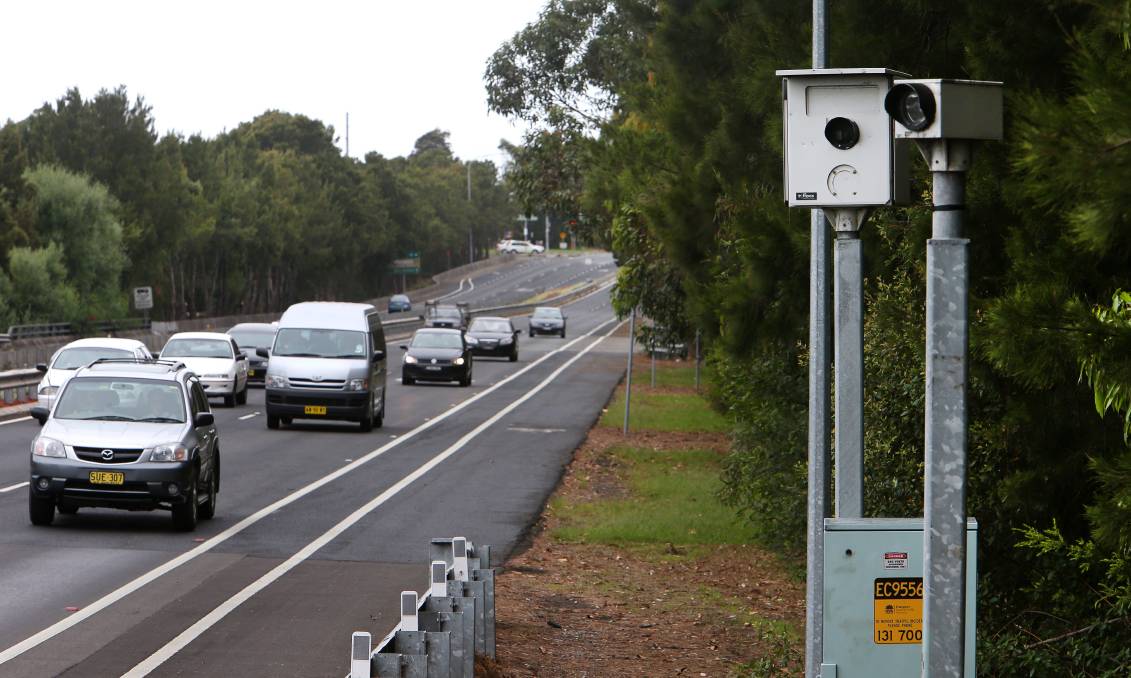
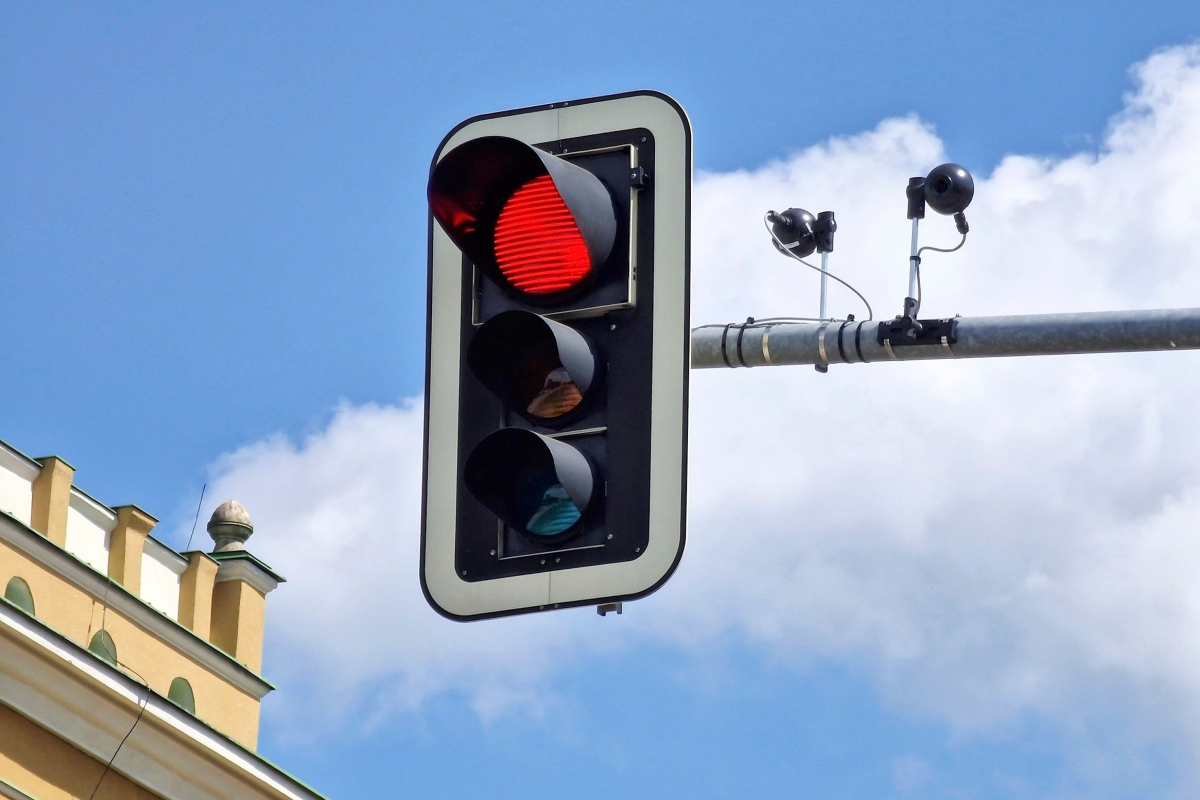
Red light cameras are typically mounted on poles at high-risk intersections. These systems work in conjunction with traffic signals and use ground sensors or radar to detect when a vehicle enters the intersection after the light has turned red. Once triggered, the camera captures:

  • Photos of the violating vehicle
  • The vehicle’s number plate
  • The exact time, date, and signal status

This evidence is reviewed by authorities, and if confirmed, a fine notice is mailed to the registered vehicle owner. In most jurisdictions, these offences also carry demerit points.

Why Red Light Running Is So Dangerous

Intersections are complex traffic environments where multiple roads, signals, and pedestrian crossings converge. When drivers run red lights, they risk causing high-speed T-bone or side-impact collisions — the types of crashes that are often fatal or lead to serious injury.

Common Causes of Red Light Running

  • Driver distraction or inattention
  • Speeding and inability to stop in time
  • Deliberate risk-taking behaviours
  • Unclear or poorly timed yellow lights

Governments introduced red light cameras as a proactive measure to reduce the frequency and severity of these dangerous events. But do the stats support their effectiveness?

What the Research Says About Red Light Cameras

Over the past two decades, numerous studies have analysed the impact of red light cameras on crash rates. Many have found that these systems are effective at reducing certain types of collisions — especially those directly related to red light running.

Reductions in T-Bone and Angle Collisions

According to the Insurance Institute for Highway Safety (IIHS), cities that use red light cameras have seen a 21% reduction in fatal red-light-running crashes. T-bone collisions, in particular, tend to decrease because drivers are more cautious when approaching signalised intersections.

Increase in Rear-End Collisions

One unexpected consequence, however, is a reported increase in rear-end crashes at intersections with red light cameras. These typically occur when drivers brake suddenly to avoid running a red light, and are hit by a following vehicle that does not stop in time.

While rear-end collisions are generally less severe than T-bone crashes, they still contribute to injury rates and vehicle damage.

Intersection Safety: A Balancing Act

The debate around red light cameras centres on how to balance enforcement with driver behaviour and safety outcomes. While it’s clear that the cameras reduce some types of crashes, the increase in others raises questions about how these systems are implemented.

Yellow Light Timing Is Critical

Studies show that one of the most effective ways to reduce both red-light violations and rear-end collisions is to extend yellow light durations. Drivers are more likely to stop safely if given a longer warning period. Some jurisdictions have increased yellow light durations by just 0.5 seconds and seen a dramatic drop in violations.

Driver Awareness and Signage

Clear signage and public awareness campaigns also play a crucial role. When drivers are informed about the presence of red light cameras and why they are used, compliance improves. Secret or poorly marked cameras often lead to public distrust and accusations of revenue raising.

Public Perception of Red Light Cameras

Public opinion on red light cameras is sharply divided. Supporters argue that cameras are necessary to hold reckless drivers accountable and protect innocent lives. Opponents claim the systems are unfair, invasive, and more about collecting fines than improving safety.

Common Public Concerns

  • Perceived use as a revenue stream rather than a safety measure
  • Lack of ability to contest fines easily
  • Fines issued to the vehicle owner, regardless of who was driving

In some regions, public pushback has led to the removal or scaling back of red light camera programs — even where they were shown to be effective.

Best Practices for Red Light Camera Programs

To maximise their impact and ensure fairness, red light camera programs must be implemented transparently and responsibly. Here are some of the best practices supported by experts:

  • Independent audits of camera locations and performance data
  • Fair and consistent yellow light timing based on intersection speed limits
  • Public notification of all camera locations
  • Clear appeals process for wrongly issued tickets

When these practices are followed, red light cameras are more likely to be accepted by the public and to deliver genuine safety benefits.

International Case Studies

Australia

In cities like Sydney and Melbourne, red light cameras are common. Independent evaluations have shown reductions in T-bone crashes at camera intersections, though rear-end collisions saw a small increase. Public education campaigns were key in gaining support.

United States

Some U.S. cities have removed red light cameras due to public pressure, despite evidence that they reduce fatal crashes. This has raised questions about balancing politics and public safety data.

United Kingdom

The UK has used combined speed and red light cameras, which have seen high compliance and fewer collisions. The country places strong emphasis on transparency and signage.

Conclusion: Are Red Light Cameras Making Intersections Safer?

The data suggests that red light cameras do improve intersection safety — particularly by reducing the most dangerous types of crashes. However, their effectiveness depends heavily on how they are implemented and managed.

When installed at high-risk intersections, with fair signal timing and clear communication, red light cameras can serve as a valuable tool in reducing road trauma. But if poorly managed, they risk undermining public trust and shifting focus from safety to revenue collection.

Ultimately, red light cameras are not a silver bullet, but when used responsibly, they contribute meaningfully to safer roads.


Red Light Cameras: A Necessary Evil?

Red light cameras have become a familiar sight at busy intersections around the world. Introduced to improve road safety and reduce traffic violations, these devices automatically photograph vehicles that run red lights, generating fines and demerit points. But with growing public backlash and questions about fairness and effectiveness, many are left wondering: Are red light cameras truly a road safety necessity, or are they just a necessary evil?

How Red Light Cameras Work

Red Light Cameras: A Necessary Evil?

Red light cameras are part of a broader category of automated traffic enforcement technologies. Typically installed at intersections, these systems use sensors embedded in the road to detect when a vehicle crosses the stop line after the traffic signal turns red. When this happens, the camera captures a series of images or video frames showing:

  • The vehicle in question
  • Its position relative to the stop line
  • The status of the traffic light at the time of entry

This evidence is reviewed by traffic authorities before a citation is issued. The registered owner of the vehicle receives the penalty notice in the mail, often including a hefty fine and demerit points.

The Case for Red Light Cameras

Advocates of red light cameras argue that these systems save lives by discouraging dangerous behaviour at intersections. Running a red light is one of the most common causes of serious crashes, including side-impact (T-bone) collisions, which often result in severe injury or death.

Key Safety Benefits

  • Deterrence: Knowing cameras are present, drivers are more likely to comply with traffic signals.
  • Reduced fatalities: Studies in various countries have shown a drop in fatal crashes at intersections equipped with red light cameras.
  • Cost-effective enforcement: Cameras operate 24/7, reducing the need for police to be physically present at intersections.

According to a study by the Insurance Institute for Highway Safety (IIHS), red light cameras in U.S. cities reduced fatal red-light-running crashes by 21%. Similar results have been reported in Australia, Canada, and the UK.

The Controversy: Public Distrust and Legal Challenges

Despite the apparent benefits, red light cameras remain highly controversial. Critics question both their effectiveness and their fairness, accusing governments of prioritising revenue over road safety.

Revenue Raising Allegations

One of the most common criticisms is that red light cameras are used as a cash grab rather than a safety measure. In some jurisdictions, red light camera fines generate tens or even hundreds of millions in annual revenue. This has led to a public perception that governments and private operators are more interested in profit than protection.

Shortened Yellow Lights

There have also been cases where yellow light durations were shortened at camera-equipped intersections—making it more likely for drivers to be caught running a red light. This practice has raised ethical and legal concerns, especially when it appears to increase fine revenue rather than improve safety.

Legal and Due Process Issues

In many countries, receiving a red light ticket does not come with the opportunity to face an officer or challenge the accusation in a meaningful way. The vehicle owner is often held responsible regardless of who was driving. This raises due process concerns, especially when administrative appeals are limited or unclear.

Do Red Light Cameras Actually Work?

Research on red light camera effectiveness has produced mixed results. While many studies show a reduction in T-bone crashes, some also report an increase in rear-end collisions. This happens when drivers slam on their brakes to avoid a ticket, leading to sudden stops and rear-end accidents.

Safety Trade-Offs

  • T-bone crashes ↓ at monitored intersections
  • Rear-end crashes ↑ especially when yellow lights are short
  • Overall crash severity ↓ but crash frequency may remain the same or increase

The effectiveness of red light cameras often depends on proper placement, fair signal timing, and transparency in their implementation.

Public Opinion: Support vs Resistance

Public sentiment toward red light cameras varies greatly. Some drivers welcome the added enforcement, especially in high-risk areas. Others see them as intrusive, unfair, and overly punitive.

Why Some People Support Red Light Cameras

  • They believe cameras improve road discipline
  • They have personally experienced accidents caused by red-light runners
  • They see technology as a necessary part of modern traffic systems

Why Many Oppose Them

  • They distrust the motives behind camera programs
  • They feel fines are excessive or poorly explained
  • They believe human discretion should still play a role in enforcement

Best Practices for Fair and Effective Use

If red light cameras are here to stay, governments must adopt best practices to ensure they are used ethically and effectively:

  • Independent oversight: Regular audits and public reporting to ensure transparency
  • Clear signage: Informing drivers of camera locations improves compliance and fairness
  • Longer yellow lights: Adequate yellow durations help prevent inadvertent violations
  • Accessible appeals: Fair and clear dispute processes protect the rights of drivers

Are Red Light Cameras a Necessary Evil?

The answer depends on how the technology is used. When implemented with transparency, oversight, and a genuine commitment to road safety, red light cameras can save lives. However, when deployed primarily for revenue generation or without fair legal recourse, they become a tool of injustice.

Ultimately, red light cameras may be a “necessary evil” in high-risk areas where enforcement is otherwise difficult—but they must be part of a larger strategy that includes public education, road design improvements, and legislative reform.

Conclusion

Red light cameras are not inherently good or evil—they are tools. Like any tool, their impact depends on how they are used. When prioritised for safety, supported by data, and backed by fair legal practices, they can make our roads safer. When misused or deployed without oversight, they erode public trust and raise serious concerns about justice and privacy.

For red light cameras to be truly effective, they must be seen not as a punishment device—but as part of a balanced, transparent, and data-driven approach to traffic enforcement.


Red Light Cameras and Due Process in Australia: Is It Fair?

Red light cameras are a common feature on Australian roads, used by state and territory governments to enforce traffic laws and improve road safety. While many Australians support initiatives to reduce dangerous driving, red light cameras have also drawn criticism—particularly around the question of due process and fairness. Are these automated systems legally and ethically just? Do they respect the rights of drivers under Australian law? This article explores the issue in depth.

How Do Red Light Cameras Work in Australia?

Red light cameras in Australia operate automatically. They are installed at major intersections and linked to traffic light systems. When a vehicle enters the intersection after the light turns red, the camera captures an image and records data including the vehicle’s number plate, speed, and the time elapsed since the light changed.

This information is reviewed by authorised officers before a penalty notice is issued and sent by mail to the registered vehicle owner. In most states, this includes a fine and demerit points added to the driver’s licence.

Red Light Camera Fines by State

  • New South Wales (NSW): $514 and 3 demerit points
  • Victoria: $503 and 3 demerit points
  • Queensland: $464 and 3 demerit points
  • Western Australia: $300 and 3 demerit points

The severity of penalties—and their automated issuance—raises important questions about fairness and the legal protections afforded to motorists.

What Is Due Process in the Australian Legal System?

While the term “due process” originates from U.S. constitutional law, Australia has its own legal protections under principles of natural justice and the rule of law. These principles ensure that decisions made by government bodies are lawful, fair, and reasonable.

Key Elements of Procedural Fairness in Australia

  • The right to be informed of a charge or allegation
  • The opportunity to respond or challenge the decision
  • The right to a fair hearing before an impartial authority

When a red light camera fine is issued, the recipient technically has the right to contest it in court. However, the automated nature of these fines and the high burden of proof on the motorist can make that process difficult, costly, and intimidating.

Is It Fair? Concerns About Red Light Cameras and Legal Rights

Critics argue that red light cameras can compromise procedural fairness in several ways, including the presumption of guilt, financial motives, and limited access to justice.

Presumption of Guilt and Burden of Proof

When a red light camera fine is issued, it is presumed that the registered owner was the driver—regardless of who was actually operating the vehicle. The onus is on the vehicle owner to prove otherwise. This effectively reverses the burden of proof, which contradicts the principle of “innocent until proven guilty.”

Limited Access to Appeal or Legal Representation

In many cases, disputing a red light camera fine means attending a local court. For most drivers, this involves time off work, legal fees, and uncertainty. These hurdles discourage many people from exercising their right to challenge, regardless of whether the fine is justified.

Revenue Raising vs. Road Safety

Many Australians believe red light cameras are more about revenue raising than safety. According to a 2023 RACV survey, over 60% of Victorian drivers said they believed speed and red light cameras were being used primarily to generate government income.

In New South Wales alone, revenue from red light and speed cameras exceeded $200 million in 2022. When the financial incentive is so strong, it raises doubts about the integrity of the system.

Do Red Light Cameras Actually Improve Road Safety?

Supporters of red light cameras argue that the deterrent effect reduces serious crashes at intersections. In some areas, this has been confirmed by government data. For example, Transport for NSW reported a 60% reduction in casualty crashes at red light camera sites.

However, other studies show that rear-end collisions can increase, as drivers stop abruptly to avoid a fine. Safety outcomes may also depend on how and where cameras are installed, and whether yellow light durations are sufficient.

Transparency in Camera Placement

One way to address fairness concerns is by publishing clear data about where cameras are installed and why. Most Australian states now publish lists of red light camera locations and crash statistics, but some argue this should be mandatory and subject to independent review.

How Can Drivers Challenge a Red Light Camera Fine?

If you believe a red light camera fine was issued in error or that you were not the driver, you have a few options:

  • Nominate another driver: If someone else was driving your car, you can nominate them online or via statutory declaration.
  • Request a review: You can request an internal review from the issuing authority, citing extenuating circumstances.
  • Go to court: You can contest the fine in court, though this may involve legal costs and a longer process.

However, legal experts have raised concerns that these processes are not easily accessible for people without legal representation or knowledge of their rights.

Calls for Reform in Automated Traffic Enforcement

In recent years, there have been growing calls for reform of automated traffic enforcement in Australia. Some proposals include:

  • Independent audits of red light camera operations and finances
  • Longer yellow light durations to reduce unintended violations
  • Transparent publication of revenue and crash data
  • More accessible appeals processes, including online tribunals

These reforms could help ensure that red light cameras serve their intended purpose—improving road safety—without compromising legal fairness.

Conclusion: Are Red Light Cameras in Australia Fair?

Red light cameras can play a valuable role in promoting safer roads, but the current system raises legitimate concerns about fairness, transparency, and access to justice. In Australia, where legal principles such as procedural fairness and the rule of law are foundational, it’s important that technology does not override the rights of individuals.

To restore public confidence, governments should prioritise transparency, independent oversight, and equitable access to appeals. Only then can red light cameras be seen not just as a tool for enforcement, but as a fair and lawful part of Australia’s traffic safety strategy.


Are Red Light Cameras Legal? A Look at the Laws by State (Australia)

Red light cameras are a familiar part of Australian roads, positioned at busy intersections across the country. But many drivers still wonder: Are red light cameras legal in Australia? And do laws vary between states and territories? In this guide, we explore the legal status of red light cameras in every Australian jurisdiction, explain how they work, and what you need to know to avoid fines. Are Red Light Cameras Legal? A Look at the Laws by State

What Are Red Light Cameras?

Red light cameras are automated enforcement tools that capture images of vehicles entering intersections after the traffic light has turned red. These systems aim to deter dangerous driving behaviour, particularly red-light running, which contributes to severe crashes.

How Do They Work?

These cameras are linked to traffic light systems. When a vehicle crosses the stop line after the light turns red, the camera captures images or video, recording the vehicle’s number plate. The driver (or vehicle owner) then receives a fine by mail.

Types of Offences Captured

  • Entering an intersection after the light turns red
  • Speeding through an intersection (in some locations, red light cameras also double as speed cameras)

Are Red Light Cameras Legal in Australia?

Yes, red light cameras are legal in all Australian states and territories. However, the operation, placement, and enforcement rules differ slightly between jurisdictions. Below is a breakdown of how each state and territory manages red light cameras.

Are Red Light Cameras Legal? A Look at the Laws by State

Red Light Camera Laws by Australian State and Territory

New South Wales (NSW)

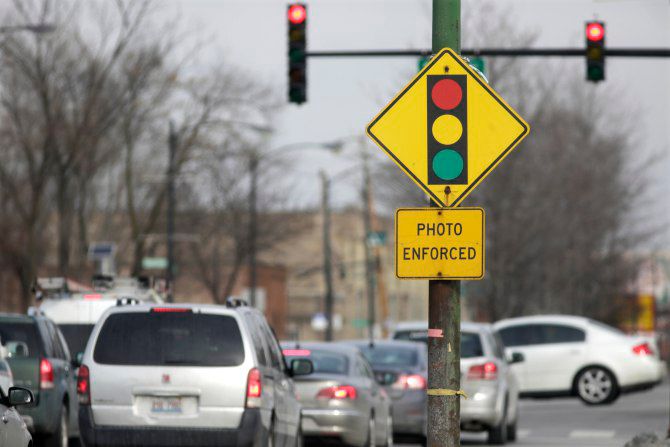
Red light cameras are widely used across NSW and are often combined with speed detection. The cameras are managed by Transport for NSW. Locations must be published online, and warning signs are required before camera zones.

Penalty: $464 fine and 3 demerit points (as of 2025)

Victoria (VIC)

Victoria has one of the most extensive traffic camera networks in the country. Red light and speed camera offences are strictly enforced. The Road Safety Camera Commissioner oversees fairness and transparency in camera operations.

Penalty: $462 fine and 3 demerit points

Queensland (QLD)

In Queensland, red light cameras are managed by the Department of Transport and Main Roads. Many intersections use combined red light/speed cameras. Warning signs are not legally required, although some locations have them.

Penalty: $464 fine and 3 demerit points

Western Australia (WA)

WA uses both fixed and mobile red light cameras. The WA Police Force manages the operation. The law mandates that fines be issued to the registered vehicle owner unless they can nominate another driver.

Penalty: $300 fine and 3 demerit points

South Australia (SA)

Red light and speed cameras are used throughout metropolitan Adelaide and regional centres. The South Australia Police manage enforcement. There is no legal requirement for signage ahead of camera intersections.

Penalty: $503 fine and 3 demerit points

Tasmania (TAS)

Tasmania uses fewer red light cameras compared to larger states, but they are still present at key intersections. Managed by the Department of State Growth, Tasmania focuses enforcement in urban areas like Hobart and Launceston.

Penalty: $346 fine and 3 demerit points

Australian Capital Territory (ACT)

The ACT uses combined red light and speed cameras. They are overseen by the Justice and Community Safety Directorate. Locations are published publicly, and warning signs are present in most cases.

Penalty: $451 fine and 3 demerit points

Northern Territory (NT)

The NT has a small number of red light cameras, mainly in Darwin. Enforcement is handled by NT Police. The use of cameras has been expanding in recent years due to increasing road safety initiatives.

Penalty: $300+ fine and 3 demerit points (varies)

Are Warning Signs Required?

Whether or not warning signs are required depends on the jurisdiction. For example:

  • Required: NSW, ACT (mostly)
  • Not required: VIC, QLD, SA, WA

However, many jurisdictions voluntarily install signs to promote deterrence rather than revenue collection.

What Happens If You Get a Red Light Fine?

Receiving the Notice

Red light camera fines are issued by mail to the registered owner of the vehicle. The notice includes the date, time, and location of the offence, as well as photographic evidence.

Contesting the Fine

If you believe the fine was issued in error, you can request a review or appeal the matter in court. Valid reasons may include stolen plates, incorrect vehicle identification, or medical emergencies.

Demerit Points & License Suspension

All states apply 3 demerit points for a red light offence. Accumulating too many points within a set period may result in license suspension.

Do Red Light Cameras Improve Safety?

Studies across Australia show red light cameras reduce T-bone crashes and high-speed intersection collisions. However, some evidence suggests they may increase rear-end crashes due to drivers braking suddenly to avoid fines.

Public Perception

While most Australians support road safety measures, some view red light cameras as revenue-raising tools rather than safety initiatives. Transparency, signage, and proper oversight help improve public trust.

Summary Table: Red Light Camera Penalties by State

State/Territory Fine Amount Demerit Points Signage Required?
NSW $464 3 Yes
VIC $462 3 No
QLD $464 3 No
WA $300 3 No
SA $503 3 No
TAS $346 3 Varies
ACT $451 3 Yes (mostly)
NT $300+ 3 Varies

Conclusion

Red light cameras are legal in all Australian states and territories and play a significant role in road safety enforcement. While laws and practices vary slightly across jurisdictions, the key takeaway is consistent: stopping at red lights is not only a legal obligation but a vital part of keeping roads safe. To avoid fines and demerit points, always obey traffic signals and remain alert at intersections. Are Red Light Cameras Legal? A Look at the Laws by State


5.0
Based on 7 reviews
powered by Google
Halil Boz
09:48 09 May 23
After months of stress and anxiety, I was finally recommended to Rabia to sort some of my legal issues out. Rabia guided me throughout the whole process and got me an amazing outcome through the courts. Her proffesionilism and desire to get the best outcome for me took the worlds pressure off my shoulders. I didn't know how to return this favour so writing this review was the least I could do for not only a wonderful lawyer but an amazing human being. Please don't hesitate in reaching out to Rabia. It was the best decision I ever made. Thank You Rabia!!
Metin Salih
09:10 09 May 23
I would just like the share my experience with Rabia from Sydney Family and Criminal Defence Team. She worked very hard on my case and i ended up receiving a result I really was not expecting . She worked above and beyond my expectations and I couldn't recommend her highly enough. Thanks again Rabia for all the effort and long hours you put in to achieve what we did!
hulia boz
08:45 09 May 23
Professional and very very knowledgeable!
Wish I found them years ago.
Don’t settle for anything but the best!!
Shadia Ashrafi
07:58 09 May 23
Eda Boz
07:10 09 May 23