

How COVID-19 Changed Larceny Trends Across Australia
The COVID-19 pandemic has reshaped many aspects of life worldwide, including crime patterns. In Australia, larceny—the unlawful taking of someone else’s property—has experienced notable changes during and after the pandemic. This article explores how COVID-19 affected larceny trends across Australian states and territories, the factors behind these shifts, and what these changes mean for law enforcement and communities moving forward.
Overview of Larceny in Australia Before COVID-19
Prior to the pandemic, larceny was one of the most common criminal offences in Australia. This included a range of theft-related crimes such as shoplifting, burglary, and vehicle theft. While the rates fluctuated slightly year to year, the trend was relatively stable with some gradual increases in urban areas.
Common Larceny Offences Pre-Pandemic
- Shoplifting: Predominantly in retail stores and supermarkets.
- Burglaries: Break-ins targeting homes and businesses.
- Vehicle Theft: Taking or stealing vehicles without consent.
- Petty Theft: Theft of low-value items often committed opportunistically.
Law enforcement agencies had established targeted strategies to manage and reduce these offences, including community policing, CCTV monitoring, and public awareness campaigns.
Impact of COVID-19 Lockdowns on Larceny Rates
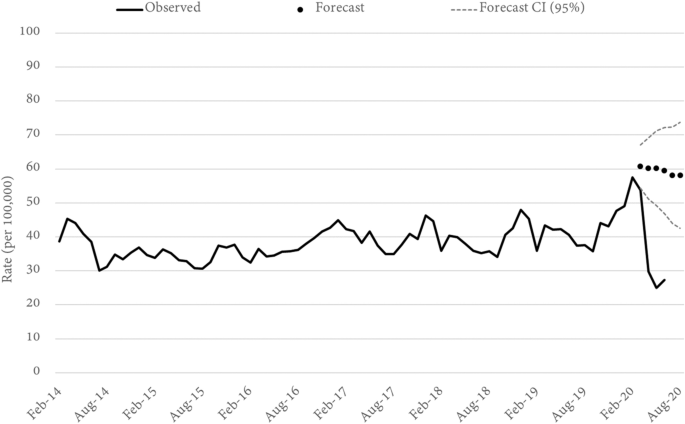
The onset of COVID-19 in early 2020 led to strict lockdowns and social restrictions across Australia. These changes had immediate and significant impacts on crime trends, including larceny.
Reduction in Traditional Theft Offences
During periods of lockdown, many areas saw a marked decrease in larceny rates, particularly shoplifting and burglaries. The closure of non-essential businesses and fewer people in public spaces limited opportunities for theft. Retail stores experienced fewer in-person customers, which directly reduced shoplifting incidents.
Similarly, residential burglaries declined as more people stayed at home, increasing natural surveillance and deterrence.
Shift in Crime Patterns
While some larceny offences decreased, others shifted. For example, online fraud and cyber theft surged as more people turned to e-commerce and digital platforms. Although not traditional larceny, these crimes reflected the evolving nature of property offences during the pandemic.
Post-Lockdown Larceny Trends
As restrictions eased and society began returning to normal, larceny patterns also changed. Several Australian states reported a resurgence in theft offences, but with some notable differences from pre-pandemic trends.
Increase in Opportunistic Thefts
With businesses reopening and foot traffic increasing, shoplifting incidents rose sharply in some areas. Retailers reported increased theft of higher-value items, sometimes linked to organised groups exploiting the post-lockdown chaos.
Impact of Economic Strain
The economic downturn caused by the pandemic contributed to an increase in certain types of larceny. Financial hardship led some individuals to commit theft out of necessity, particularly in vulnerable communities.
Changes in Police Responses
Law enforcement agencies adapted to the shifting landscape by increasing patrols in hotspot areas and using data analytics to predict and prevent theft. Collaboration between retailers and police also intensified to combat rising shoplifting rates.
Factors Influencing Changing Larceny Trends
Social and Economic Factors
COVID-19 brought significant social and economic disruption, including job losses, increased mental health challenges, and changes in routine. These factors contributed to altered criminal behaviour, including an increase in theft driven by financial need or desperation.
Technological Advancements and E-commerce
The surge in online shopping created new targets for theft, such as package theft (porch piracy) and online scams. These crimes, while different from traditional larceny, reflect the evolving risks in property offences during and after the pandemic.
Changes in Public Behaviour
The pandemic changed how people interact with public spaces and businesses. Increased security measures, such as CCTV and contactless payments, have influenced the methods and opportunities for larceny.
Law Enforcement Strategies in Response to New Trends
Community Policing and Awareness Campaigns
Police forces across Australia enhanced community engagement to encourage reporting and prevention of theft. Public education campaigns about securing property and reporting suspicious behaviour became more prominent.
Use of Technology
Increased deployment of surveillance technologies, data analytics, and cooperation with private security firms helped law enforcement identify theft patterns and respond effectively.
Targeted Operations Against Organised Retail Crime
Specialised police units were formed to address organised theft rings that exploited the post-pandemic reopening phase, recovering stolen goods and prosecuting offenders.
What Does the Future Hold for Larceny Trends in Australia?
While some pandemic-related larceny trends may subside as society fully reopens, others could persist or evolve further. Experts predict:
- Continued growth in cyber-enabled theft and online scams.
- Ongoing challenges with opportunistic theft in retail sectors.
- Greater emphasis on technology-driven crime prevention.
- Increased focus on addressing the social root causes of theft.
Ongoing monitoring and adaptive law enforcement strategies will be critical to managing larceny in the post-COVID era.
Conclusion
The COVID-19 pandemic significantly influenced larceny trends across Australia, causing temporary decreases in traditional theft offences during lockdowns, followed by shifts towards new forms of property crime and a resurgence in certain theft categories post-lockdown. Economic and social factors played a large role in these changes, requiring law enforcement to adapt quickly.
Understanding how COVID-19 shaped larceny trends is essential for policymakers, law enforcement, businesses, and communities to develop effective prevention strategies. As Australia moves forward, a combination of technology, community engagement, and addressing underlying social issues will be key to reducing larceny and protecting property rights.