


How Long Does a Criminal Appeal Take in Australia? Timeline and Tips
When facing a criminal conviction or sentence in Australia, one of the most pressing questions for an appellant is: how long will an appeal take? The process of lodging a criminal appeal involves multiple steps, strict deadlines, preparation of documents and, ultimately, a hearing. This article outlines typical timelines across Australian jurisdictions, explains the factors that influence how long a criminal appeal takes, and provides practical tips for respondents, appellants and legal practitioners. How Long Does a Criminal Appeal Take in Australia? Timeline and Tips
Understanding the Criminal Appeal Process in Australia
Before diving into timelines, it’s important to understand the key stages of a criminal appeal. While processes vary by state and territory, most criminal appeals share the following sequential steps:
1. Notice of Appeal or Notice of Intention to Appeal
The first step is filing a formal notice signalling your intention to appeal either the conviction, the sentence, or both. In most states, the notice must be filed within 28 days of the sentence date. Some jurisdictions allow for a “Notice of Intention to Appeal” to preserve your rights while your lawyer prepares the formal documents.
2. Appeal Book, Grounds and Submissions
After filing the notice, the appellant must prepare an appeal book, outline the grounds of appeal (what is alleged to have gone wrong), and file written submissions. This stage often involves gathering trial transcripts, evidence and expert opinions. The time this takes varies depending on the complexity of the case and the availability of the trial materials.
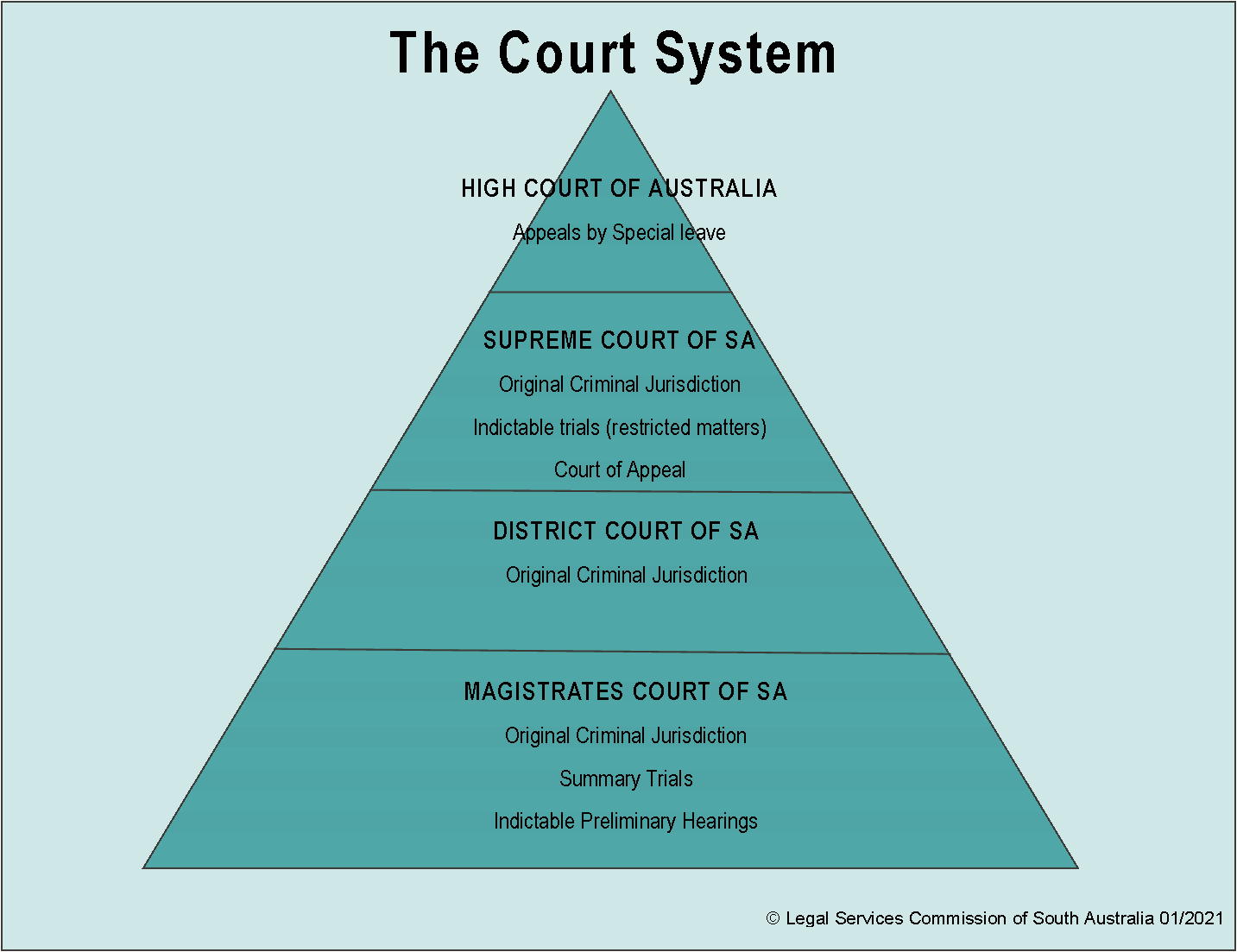
3. Listing for Hearing and Judgment
Once the procedural steps are complete, the matter is listed for hearing before the appeal court. The hearing is usually limited to legal argument rather than a full retrial of facts. An appeal to the Court of Criminal Appeal can take at least six months and often more than a year from start to finish. After the hearing, judgment may be given on the day or reserved for later, depending on complexity.
Typical Time-Frames: What the Law and Practice Show
It’s difficult to give a “one size fits all” answer, but here are the typical timelines and benchmarks across Australian jurisdictions.
Time Limits for Lodging the Appeal
Most states and territories require the notice of appeal to be filed within 21 to 28 days of conviction or sentence. For example: – In New South Wales and Victoria, appeals must generally be lodged within 28 days. – In South Australia, the timeframe is usually 21 days. – In Western Australia, an appeal from a magistrate’s decision must also be commenced within 28 days.
If a party misses the deadline, they must apply for an extension of time or leave to file out of time, which can add delay and uncertainty. Courts generally require a good reason for the delay and evidence that the appeal has merit.
Hearing and Judgment Duration
Many appeals are relatively short hearings—often lasting less than a day—but the overall process takes much longer. After the hearing, the court may reserve its decision and issue written reasons later. This can take several weeks or even months depending on how complex the case is and the court’s workload.
Benchmarks and Historical Averages
Historically, most criminal appeals in supreme courts across Australia are finalised within 12 months. However, complex appeals involving serious crimes or multiple grounds can take longer. The time from filing to hearing can range between three to six months, with another few months for judgment delivery.
Thus, a realistic timeframe for many criminal appeals—from filing the notice to receiving the final judgment—is between six months and twelve months, though some may extend beyond a year.
Factors That Influence How Long a Criminal Appeal Takes
Several variables affect the timeline of a criminal appeal in Australia.
Complexity of the Case
Appeals involving serious offences such as homicide or large-scale fraud take longer than simpler matters. The more transcript pages, exhibits and legal issues there are, the more time is needed for preparation and for the court to consider the issues.
Jurisdiction and Court Resources
Each state and territory has different caseloads and resources. Some courts may have backlogs or limited availability for appeal hearings, which can delay proceedings. The larger states like New South Wales and Victoria often experience longer listing times due to higher case volumes.
Availability of Transcripts and Records
Delays in producing trial transcripts and records of evidence are common reasons for appeal delays. It is important to request transcripts as early as possible to avoid waiting weeks or months for them to be prepared.
Leave or Permission to Appeal
In some cases, especially where the appeal concerns sentence severity rather than conviction, the appellant must seek “leave to appeal” (permission). This additional step can add time, as the court must first determine whether the case is reasonably arguable before listing it for a full hearing.
Reserved vs. Immediate Judgments
Sometimes, the appeal court delivers its judgment immediately after the hearing. More often, the decision is “reserved”, meaning the judges take additional time to prepare written reasons. Reserved decisions can add several months to the process.
Practical Tips to Navigate and Manage Appeal Timelines
Here are some practical ways to help manage your criminal appeal efficiently and reduce delays.
Meet Filing Deadlines Promptly
File your Notice of Appeal or Notice of Intention to Appeal within the required period—usually 28 days. Missing the deadline means applying for an extension of time, which adds cost, complexity, and uncertainty.
Prepare Early – Transcripts, Exhibits and Grounds
Begin obtaining trial transcripts, exhibits, and other materials as soon as possible. Your legal team can then review them to identify potential grounds of appeal. Early preparation reduces the risk of procedural delays later in the process.
Engage Experienced Appeal Counsel
Appeals are highly technical. Engaging an experienced criminal appeal lawyer ensures that the case is properly framed and deadlines are met. An experienced advocate can also identify the strongest legal grounds and discard weaker ones to streamline the process.
Maintain Communication with the Court Registry
Stay in contact with the court registry for updates on listing dates, transcript status and procedural steps. Being proactive helps keep the case moving forward and ensures you are aware of any requirements or scheduling changes.
Plan for Possible Reserved Judgment
Even after the appeal hearing, you might need to wait for a reserved decision. Manage expectations accordingly, especially if the appellant is in custody. Your lawyer can help explore interim options such as bail pending appeal if appropriate.
Manage Expectations and Stay Informed
While every appellant hopes for a quick outcome, the reality is that most appeals take several months. Staying informed about each stage helps manage expectations and reduces stress during what can be a lengthy legal process.
Conclusion
In summary, the timeline for a criminal appeal in Australia depends on a variety of factors—jurisdiction, case complexity, transcript availability, and court workload. Generally:
You must file your notice of appeal within 21 to 28 days of conviction or sentence.
The full appeal process, from filing to judgment, typically takes six to twelve months, though complex matters may take longer.
Early preparation, timely filing and experienced legal representation can significantly reduce avoidable delays.
If you or someone you know is considering a criminal appeal, seek professional advice as early as possible. The sooner the process begins, the better the chances of keeping within strict deadlines and achieving a fair outcome. How Long Does a Criminal Appeal Take in Australia? Timeline and Tips