

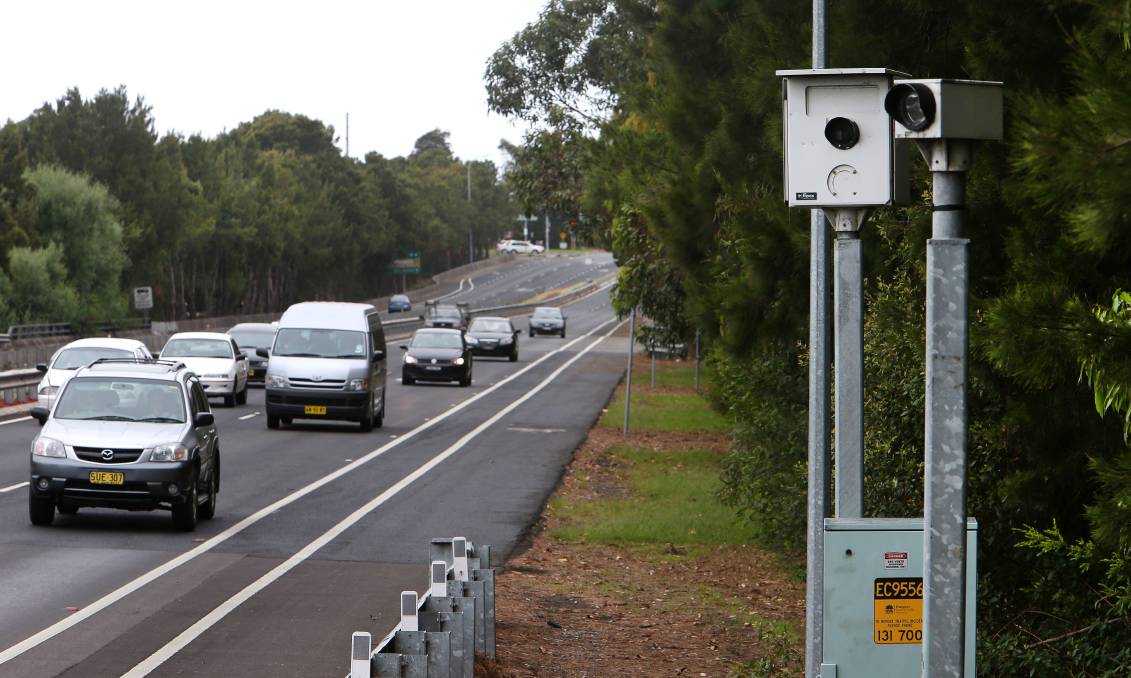
How Red Light Cameras Work: Everything You Need to Know
Red light cameras have become a common sight at intersections around the world. Designed to improve traffic safety and reduce accidents, these automated systems capture images of vehicles that run red lights. But how exactly do they work? In this comprehensive guide, we’ll break down everything you need to know about red light cameras — from their technology and installation to legal implications and controversies.
What Are Red Light Cameras?
Red light cameras are automated enforcement devices installed at intersections to monitor vehicles that enter the intersection after the traffic signal has turned red. When a driver runs a red light, the camera system captures photographic or video evidence, which can be used to issue a traffic violation citation.
The Purpose of Red Light Cameras
The primary goal of red light cameras is to deter drivers from running red lights, thereby reducing the number of T-bone collisions, which are often severe and cause significant injuries. By encouraging safer driving behavior, these cameras aim to improve overall traffic safety.
How Do Red Light Cameras Work?
The technology behind red light cameras combines sensors, cameras, and timing systems to accurately detect and document red light violations.
Sensors and Detection Systems
Red light cameras are typically paired with induction loop sensors embedded in the pavement at the stop line of an intersection. These sensors detect the presence of a vehicle and the exact moment it crosses the stop line after the traffic light has turned red.
- Induction Loops: These are wire loops installed beneath the road surface. When a vehicle passes over the loop, it disrupts the magnetic field, signaling the system to activate the camera.
- Radar or Infrared Sensors: Some newer systems use radar or infrared to detect vehicle movement, providing an alternative to induction loops.
Camera Operation and Image Capture
Once the sensors detect a vehicle running a red light, the camera is triggered to capture high-resolution images or video footage. Typically, two photos are taken:
- Photo One: Shows the vehicle approaching the intersection as the light turns red.
- Photo Two: Shows the vehicle inside the intersection during the red light phase.
These images usually include the license plate of the vehicle, the traffic signal status, date, time, and location of the violation. Many cameras also capture video clips as supplementary evidence.
Where Are Red Light Cameras Installed?
Red light cameras are strategically installed at intersections with a high frequency of red light violations or traffic accidents. Transportation authorities analyze crash data, traffic flow, and violation rates to determine which intersections would benefit most from automated enforcement.
Common Installation Locations
- Busy urban intersections with frequent red light running incidents.
- Intersections with a history of severe T-bone or side-impact collisions.
- Areas with high pedestrian traffic to improve safety.
- Intersections near schools or sensitive zones where safety is a priority.
Benefits of Red Light Cameras
Red light cameras have been praised for their ability to enhance traffic safety and change driver behavior. Here are some key benefits:
Improved Traffic Safety
Studies have shown that red light cameras can significantly reduce the number of red light violations and related crashes. By deterring risky driving behaviors, they help lower injury rates and save lives.
Automated Enforcement
Unlike manual enforcement by police officers, red light cameras operate 24/7, providing consistent monitoring without the need for a physical presence at intersections. This helps optimize law enforcement resources.
Revenue for Municipalities
Fines collected from red light camera tickets can generate revenue for local governments, which is often reinvested in traffic safety programs and infrastructure improvements.
Controversies and Criticisms of Red Light Cameras
Despite their benefits, red light cameras have faced criticism and controversy in many communities.
Are Red Light Cameras a Safety Tool or a Revenue Generator?
One common criticism is that some jurisdictions prioritize revenue collection over safety. Opponents argue that cameras are placed more to increase ticket issuance than to prevent accidents.
Accuracy and False Tickets
There have been concerns about the accuracy of red light cameras, including false positives where drivers are ticketed unfairly. Issues can arise due to sensor malfunction, improper camera calibration, or unclear images.
Impact on Rear-End Collisions
While red light cameras reduce T-bone crashes, some studies indicate a slight increase in rear-end collisions at camera-equipped intersections. This is often attributed to drivers abruptly stopping to avoid tickets.
Legal Considerations for Red Light Camera Tickets
If you receive a ticket from a red light camera, it is important to understand your legal rights and options.
How Are Tickets Issued?
Red light camera tickets are typically mailed to the registered vehicle owner. These citations usually include photographic evidence of the violation.
Challenging a Red Light Camera Ticket
You can often contest a red light camera ticket by requesting the evidence, questioning the camera’s accuracy, or presenting proof that you were not the driver. Some jurisdictions allow you to appear in court or pay a fine to settle the matter.
The Future of Red Light Cameras
Advancements in technology continue to improve red light camera systems, with newer models incorporating AI, better sensors, and integration with other smart city infrastructure.
Integration with Smart Traffic Management
Future systems may use AI to analyze traffic patterns in real-time and adjust signal timings dynamically, reducing congestion while still enforcing red light compliance.
Enhanced Data Analytics
Data collected from red light cameras can be used to improve urban planning, identify high-risk intersections, and implement targeted safety measures.
Conclusion
Red light cameras play a significant role in modern traffic safety by deterring red light violations and reducing dangerous collisions. While they are not without controversy, understanding how these systems work can help drivers navigate the roads more safely and respond appropriately if caught by one. As technology evolves, red light cameras are likely to become even more sophisticated, supporting safer and smarter cities worldwide.
Whether you view them as a helpful safety tool or a strict enforcement mechanism, red light cameras are an important part of today’s traffic management landscape.