

Licence Appeal Process Explained: Step-by-Step Guide to Regaining Your Driving Privileges
Losing your driver licence due to suspension or revocation can be overwhelming. However, understanding the licence appeal process is essential if you want to challenge the suspension and potentially restore your driving privileges. This article explains the licence appeal process in detail, guiding you through each step and offering tips to improve your chances of success.
What is a Licence Appeal?
A licence appeal is a formal request to contest a driver licence suspension or revocation. When your licence is suspended, you typically have the right to appeal the decision through an administrative hearing or court process. This allows you to present your case, challenge the grounds for suspension, and seek reinstatement of your licence.
Appeals are crucial for those who believe the suspension was unfair or want to demonstrate rehabilitation or mitigating factors.
Common Reasons for Licence Suspension
Before initiating an appeal, it’s important to understand why licences get suspended. Common causes include:
Driving under the influence (DUI) or driving while intoxicated (DWI)
Accumulating excessive traffic violation points
Failure to pay traffic fines or appear in court
Driving without valid insurance
Medical conditions impacting driving ability
Knowing the reason helps you tailor your appeal to address the specific issues.
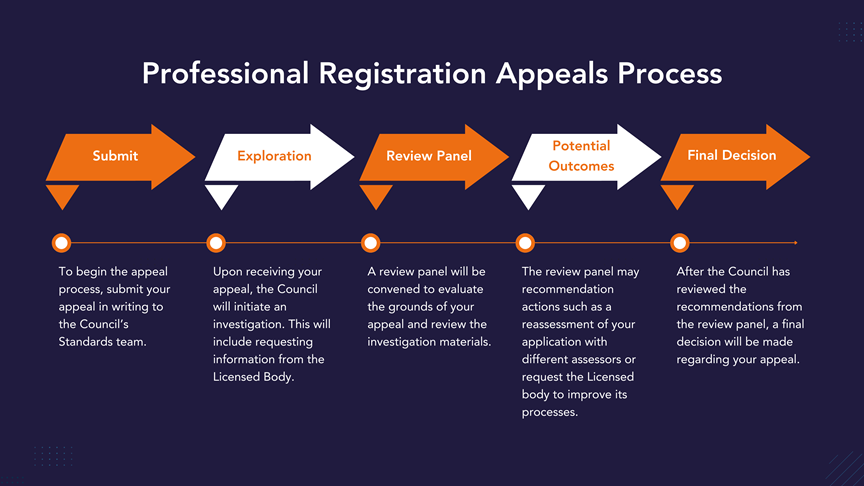
Step-by-Step Licence Appeal Process
Step 1: Receive Suspension Notice
The process starts when you receive a formal suspension notice from the department of motor vehicles (DMV) or the relevant authority. This notice will explain the reason for suspension, duration, and instructions on how to appeal.
Step 2: Understand Your Rights and Appeal Options
The suspension notice usually includes information on your right to appeal and the deadlines involved. It’s critical to understand these rights and ensure you don’t miss the filing window—appeals often must be filed within 10 to 30 days of receiving the notice.
Research your jurisdiction’s appeal procedures as they can vary.
Step 3: File Your Appeal
To initiate the appeal, you must submit the required paperwork. This may involve:
Filling out an appeal form
Writing a formal appeal letter explaining why you contest the suspension
Requesting a hearing
Ensure you follow the instructions carefully and submit your appeal before the deadline.
Step 4: Prepare for the Hearing
Many appeals require an administrative hearing where you will present your case. Preparation is essential:
Gather supporting evidence such as medical records, proof of course completions, or witness statements
Organize your documents logically
Practice explaining your case clearly and calmly
Consider legal representation if your case is complex
Step 5: Attend the Hearing
At the hearing, you will have the opportunity to present your arguments, answer questions, and submit evidence. Hearings are typically conducted by a DMV hearing officer or administrative law judge.
Maintain professionalism and stick to facts during your presentation.
Step 6: Receive the Decision
After the hearing, you will receive a written decision. The suspension may be upheld, reduced, or overturned depending on the evidence and arguments.
If your appeal is successful, you may have to comply with reinstatement requirements such as paying fees, attending traffic school, or undergoing medical evaluations.
Tips to Improve Your Licence Appeal Success
Act Quickly: Meet all deadlines and start your appeal as soon as possible.
Be Thorough: Provide clear, well-organized evidence supporting your case.
Stay Professional: Remain respectful and factual during hearings and communications.
Seek Legal Advice: Consult an attorney if you face complex legal issues or serious violations.
Address the Suspension Reason: Directly tackle the grounds for suspension and show corrective actions taken.
Common Questions About the Licence Appeal Process
Can I drive while my appeal is pending?
In most cases, the suspension remains active during the appeal process. However, some jurisdictions may issue a temporary permit under specific circumstances.
What if I miss the appeal deadline?
Missing the deadline often means losing your right to appeal. Contact the DMV or a legal expert immediately to explore possible exceptions or alternative remedies.
How long does the appeal process take?
The duration varies widely but typically takes a few weeks to several months, depending on the complexity of your case and local procedures.
Conclusion
Understanding the licence appeal process is vital if you want to challenge a suspension and get back on the road legally. By acting promptly, preparing thoroughly, and presenting a clear, well-supported case, you improve your chances of a successful appeal.
If you’re unsure about any step, consider consulting a legal professional who specializes in traffic law or licence appeals. Taking control of the process is the first step toward regaining your driving privileges.