
NSW Offensive Language Laws Explained
Using offensive language can sometimes lead to legal consequences in New South Wales (NSW). Whether it’s in public, during an argument, or online, understanding the laws around offensive language is crucial to avoid fines or charges. This article breaks down the key points of NSW offensive language laws, what counts as offensive language, and how the law is applied in real life.
What Are Offensive Language Laws in NSW?
In NSW, offensive language laws primarily fall under the Summary Offences Act 1988. Section 4A of this Act makes it an offence to use offensive, obscene, or indecent language in a public place or within hearing of a public place. These laws are designed to protect the public from language that can cause distress or disturb the peace.
Key Legal Definition
Offensive language is defined broadly but typically means language that is likely to offend, insult, or humiliate others. This includes swearing, racial slurs, or any words considered indecent or obscene by reasonable community standards.
Where Do These Laws Apply?
The law applies mainly in public places, such as streets, parks, public transport, and any place open to the public. It also covers instances where offensive language can be heard from a public place, even if the speaker is not physically there.

When Can You Be Charged for Offensive Language in NSW?
Simply using strong language does not always lead to charges. NSW Police officers must consider context, intent, and the reaction of those who heard the language before issuing a fine or charge.
Examples of Offences
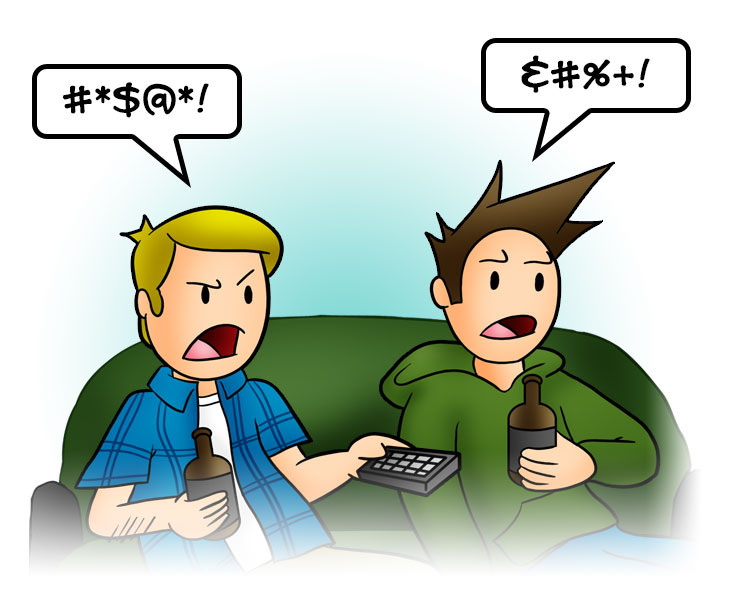
- Swearing loudly in a public park during a dispute
- Using racial or discriminatory slurs in public
- Shouting obscene words on public transport
When Swearing Is Not an Offence
Context is everything. Swearing among friends in a private conversation or using language without intent to offend is less likely to result in legal action. Additionally, isolated use of mild profanity might be overlooked unless it is aggressive or causes disturbance.
Penalties for Offensive Language in NSW
If found guilty of using offensive language in public, individuals can face penalties ranging from fines to warnings. The current maximum fine under Section 4A of the Summary Offences Act is around $550.
Infringement Notices and Court Appearances
Often, police issue an infringement notice (on-the-spot fine) for minor incidents. In more serious or repeated cases, offenders may be required to appear in court, potentially facing higher fines or other penalties.
How Are Offensive Language Laws Enforced?
Police enforcement focuses on balancing public order with individual rights. Officers assess the situation carefully, considering the complainant’s perspective and the context of the language used.
Role of Police Discretion
Police have discretion when deciding to issue fines or warnings. They typically intervene when language causes fear, distress, or disrupts public peace. If the language is part of a heated argument or used aggressively, officers are more likely to act.
Complaints from the Public
Most charges arise from complaints made by members of the public offended or disturbed by the language. Police may attend the scene to investigate and decide if enforcement is appropriate.
Offensive Language and Freedom of Speech
Australia values freedom of speech, but this right is not absolute. Offensive language laws aim to balance freedom of expression with community standards and respect for others.
Limits on Free Speech
While you can express opinions freely, using offensive or abusive language in public spaces can lead to legal consequences. This prevents speech that can harm social harmony or incite violence.
Controversies and Criticisms
Some critics argue that offensive language laws are vague and can be misused to suppress free expression. Others believe they are necessary to maintain public order and protect vulnerable groups.
Using Offensive Language Online in NSW
While the Summary Offences Act targets public places, offensive language online may be addressed under different laws, such as the Crimes Act 1900 and the Criminal Code Act 1995 (Cth) relating to cyberbullying, harassment, and threats.
When Online Language Becomes a Crime
Threats, hate speech, and severe harassment made via social media or messaging platforms can lead to criminal charges. NSW police and federal authorities may investigate such offenses under cybercrime laws.
What To Do If You Are Charged With Offensive Language
If you receive a fine or court summons for offensive language, it’s important to understand your rights and options.
Seeking Legal Advice
Consulting a lawyer familiar with NSW criminal and summary offences can help you assess the case and decide whether to contest the charge or accept the penalty.
Possible Defences
- No intention to offend
- Language was not heard by the complainant
- Language used in a private context
- Police did not follow proper procedures
Summary: Key Points About NSW Offensive Language Laws
- Offensive language in public places is an offence under the Summary Offences Act 1988.
- The law protects the community from language likely to offend or disturb the peace.
- Context, intent, and impact are critical factors in enforcement.
- Penalties include fines and possible court appearances.
- Freedom of speech is respected but limited to protect public order.
- Online offensive language may fall under cybercrime laws.
- Legal advice is recommended if charged with offensive language offences.
Understanding NSW offensive language laws helps you avoid legal trouble and respect community standards. While strong language might sometimes feel necessary, being mindful of your surroundings and the law can keep you safe from fines or legal action.