

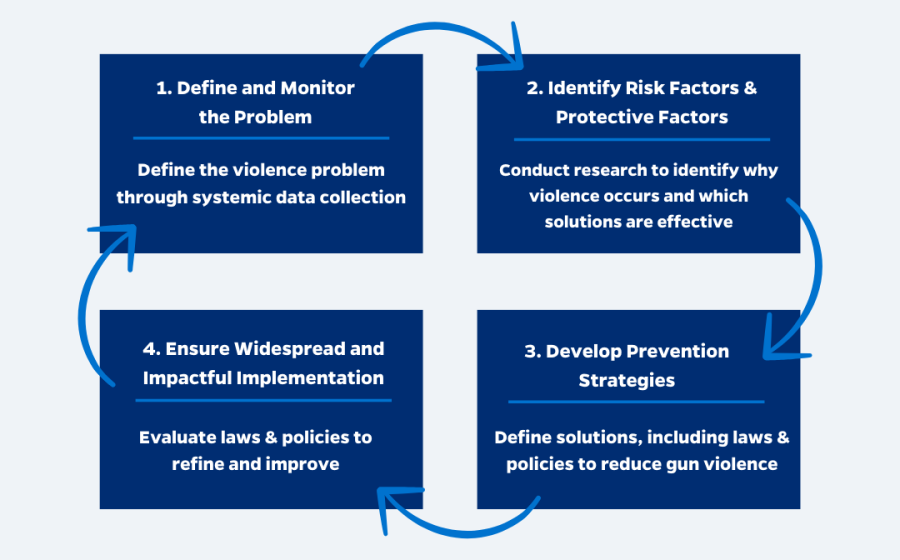
Policy Gaps in Preventing Firearm-Related Public Endangerment
Firearm-related public endangerment remains a critical concern worldwide, despite numerous laws aimed at regulating gun ownership and usage. While many countries have established comprehensive firearm policies, gaps in legislation and enforcement often leave communities vulnerable to dangerous incidents involving guns. This article explores the key policy gaps that hinder effective prevention of firearm-related public endangerment, examines real-world consequences, and suggests areas for reform to improve public safety.
Understanding Firearm-Related Public Endangerment
Firearm-related public endangerment refers to situations where firearms pose a risk to the safety and wellbeing of the general public. This can include accidental discharges in crowded places, reckless firing, unlawful use, and criminal activities involving guns.
Scope and Impact
Public endangerment caused by firearms can lead to:
- Injuries and fatalities
- Heightened community fear and reduced quality of life
- Economic costs related to healthcare, law enforcement, and legal proceedings
- Strained emergency and medical services
Despite policy efforts, firearm incidents continue to occur, indicating underlying gaps in prevention measures.
Key Policy Gaps in Firearm Regulation
Several critical policy shortcomings contribute to ongoing firearm-related public endangerment.
Lack of Comprehensive Background Checks
Many jurisdictions lack thorough and uniform background check systems for firearm purchasers. Incomplete checks allow prohibited individuals, such as those with criminal records or severe mental health issues, to acquire guns.
Moreover, private sales and gun shows often operate without mandatory background screening, creating loopholes that undermine public safety.
Inadequate Enforcement of Safe Storage Laws
Although safe storage laws exist in many places, enforcement remains inconsistent. Insufficient inspections and low penalties for violations mean that many firearms are stored insecurely, increasing risks of accidental discharge, theft, and unauthorized access.
Limited Regulation of High-Risk Firearms
Policies often fail to adequately restrict access to high-capacity magazines and semi-automatic rifles, which are frequently used in mass shootings and public attacks. This regulatory gap allows dangerous weapons to remain accessible.
Fragmented Firearm Databases
Many regions lack a centralized, real-time national firearm registry. Fragmented databases hinder law enforcement’s ability to track firearms used in crimes and identify patterns of misuse or illegal trafficking.
The Role of Enforcement and Resources
Policy gaps are compounded by enforcement challenges and resource limitations.
Underfunded Regulatory Agencies
Agencies responsible for firearm regulation and enforcement often face budgetary constraints, reducing their capacity to conduct compliance checks, investigate illegal firearm sales, and respond promptly to threats.
Training Deficiencies Among Law Enforcement
Inadequate training on firearm laws and threat assessment can impair effective intervention in potentially dangerous situations, allowing risks to escalate.
Case Studies Highlighting Policy Failures
Real-world incidents demonstrate how policy gaps contribute to firearm-related public endangerment.
The Christchurch Mosque Shootings (2019)
The tragic mass shooting in Christchurch, New Zealand, exposed weaknesses in firearm acquisition policies, particularly concerning the ease of access to semi-automatic weapons. The shooter legally obtained firearms despite previous warning signs, revealing shortcomings in background checks and mental health assessments.
The United States Gun Show Loophole
In the U.S., private firearm sales and gun shows frequently occur without mandatory background checks in many states. This loophole facilitates the purchase of guns by prohibited individuals and undermines overall gun control efforts.
Potential Reforms to Address Policy Gaps
Addressing firearm-related public endangerment requires closing policy gaps through targeted reforms.
Implement Universal Background Checks
Expanding background checks to cover all firearm transactions, including private sales, can help prevent guns from reaching dangerous individuals.
Strengthen Safe Storage Laws and Enforcement
Increasing penalties for unsafe storage and conducting regular compliance inspections can reduce accidents and thefts.
Restrict Access to High-Risk Firearms
Implementing tighter controls on semi-automatic rifles and high-capacity magazines reduces the potential for mass casualty events.
Create Centralized Firearm Registries
A comprehensive national registry enables law enforcement to track firearms effectively and identify illegal trafficking.
Increase Funding and Training for Enforcement Agencies
Allocating more resources and specialized training enhances the ability of authorities to enforce laws and prevent firearm-related dangers.
Conclusion: Bridging the Gap for Safer Communities
Policy gaps in firearm regulation significantly contribute to public endangerment and undermine efforts to create safer communities. By recognizing these gaps and implementing comprehensive reforms—ranging from universal background checks to enhanced enforcement—governments can better prevent firearm-related incidents. Bridging these gaps is essential not only for reducing gun violence but also for fostering public trust and ensuring the safety of all citizens.