

Red Light Cameras: A Necessary Evil?
Red light cameras have become a familiar sight at busy intersections around the world. Introduced to improve road safety and reduce traffic violations, these devices automatically photograph vehicles that run red lights, generating fines and demerit points. But with growing public backlash and questions about fairness and effectiveness, many are left wondering: Are red light cameras truly a road safety necessity, or are they just a necessary evil?
How Red Light Cameras Work
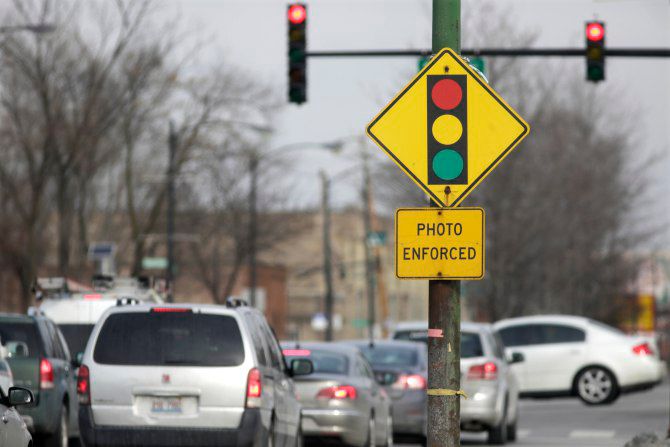
Red light cameras are part of a broader category of automated traffic enforcement technologies. Typically installed at intersections, these systems use sensors embedded in the road to detect when a vehicle crosses the stop line after the traffic signal turns red. When this happens, the camera captures a series of images or video frames showing:
- The vehicle in question
- Its position relative to the stop line
- The status of the traffic light at the time of entry
This evidence is reviewed by traffic authorities before a citation is issued. The registered owner of the vehicle receives the penalty notice in the mail, often including a hefty fine and demerit points.
The Case for Red Light Cameras
Advocates of red light cameras argue that these systems save lives by discouraging dangerous behaviour at intersections. Running a red light is one of the most common causes of serious crashes, including side-impact (T-bone) collisions, which often result in severe injury or death.
Key Safety Benefits
- Deterrence: Knowing cameras are present, drivers are more likely to comply with traffic signals.
- Reduced fatalities: Studies in various countries have shown a drop in fatal crashes at intersections equipped with red light cameras.
- Cost-effective enforcement: Cameras operate 24/7, reducing the need for police to be physically present at intersections.
According to a study by the Insurance Institute for Highway Safety (IIHS), red light cameras in U.S. cities reduced fatal red-light-running crashes by 21%. Similar results have been reported in Australia, Canada, and the UK.
The Controversy: Public Distrust and Legal Challenges
Despite the apparent benefits, red light cameras remain highly controversial. Critics question both their effectiveness and their fairness, accusing governments of prioritising revenue over road safety.
Revenue Raising Allegations
One of the most common criticisms is that red light cameras are used as a cash grab rather than a safety measure. In some jurisdictions, red light camera fines generate tens or even hundreds of millions in annual revenue. This has led to a public perception that governments and private operators are more interested in profit than protection.
Shortened Yellow Lights
There have also been cases where yellow light durations were shortened at camera-equipped intersections—making it more likely for drivers to be caught running a red light. This practice has raised ethical and legal concerns, especially when it appears to increase fine revenue rather than improve safety.
Legal and Due Process Issues
In many countries, receiving a red light ticket does not come with the opportunity to face an officer or challenge the accusation in a meaningful way. The vehicle owner is often held responsible regardless of who was driving. This raises due process concerns, especially when administrative appeals are limited or unclear.
Do Red Light Cameras Actually Work?
Research on red light camera effectiveness has produced mixed results. While many studies show a reduction in T-bone crashes, some also report an increase in rear-end collisions. This happens when drivers slam on their brakes to avoid a ticket, leading to sudden stops and rear-end accidents.
Safety Trade-Offs
- T-bone crashes ↓ at monitored intersections
- Rear-end crashes ↑ especially when yellow lights are short
- Overall crash severity ↓ but crash frequency may remain the same or increase
The effectiveness of red light cameras often depends on proper placement, fair signal timing, and transparency in their implementation.
Public Opinion: Support vs Resistance
Public sentiment toward red light cameras varies greatly. Some drivers welcome the added enforcement, especially in high-risk areas. Others see them as intrusive, unfair, and overly punitive.
Why Some People Support Red Light Cameras
- They believe cameras improve road discipline
- They have personally experienced accidents caused by red-light runners
- They see technology as a necessary part of modern traffic systems
Why Many Oppose Them
- They distrust the motives behind camera programs
- They feel fines are excessive or poorly explained
- They believe human discretion should still play a role in enforcement
Best Practices for Fair and Effective Use
If red light cameras are here to stay, governments must adopt best practices to ensure they are used ethically and effectively:
- Independent oversight: Regular audits and public reporting to ensure transparency
- Clear signage: Informing drivers of camera locations improves compliance and fairness
- Longer yellow lights: Adequate yellow durations help prevent inadvertent violations
- Accessible appeals: Fair and clear dispute processes protect the rights of drivers
Are Red Light Cameras a Necessary Evil?
The answer depends on how the technology is used. When implemented with transparency, oversight, and a genuine commitment to road safety, red light cameras can save lives. However, when deployed primarily for revenue generation or without fair legal recourse, they become a tool of injustice.
Ultimately, red light cameras may be a “necessary evil” in high-risk areas where enforcement is otherwise difficult—but they must be part of a larger strategy that includes public education, road design improvements, and legislative reform.
Conclusion
Red light cameras are not inherently good or evil—they are tools. Like any tool, their impact depends on how they are used. When prioritised for safety, supported by data, and backed by fair legal practices, they can make our roads safer. When misused or deployed without oversight, they erode public trust and raise serious concerns about justice and privacy.
For red light cameras to be truly effective, they must be seen not as a punishment device—but as part of a balanced, transparent, and data-driven approach to traffic enforcement.