

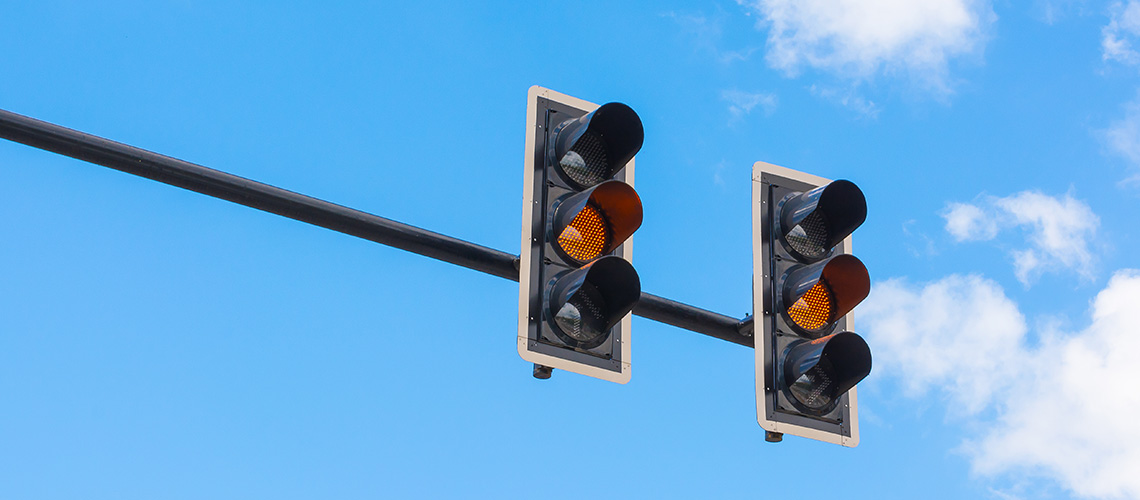
Red Light Cameras and Due Process in Australia: Is It Fair?
Red light cameras are a common feature on Australian roads, used by state and territory governments to enforce traffic laws and improve road safety. While many Australians support initiatives to reduce dangerous driving, red light cameras have also drawn criticism—particularly around the question of due process and fairness. Are these automated systems legally and ethically just? Do they respect the rights of drivers under Australian law? This article explores the issue in depth.
How Do Red Light Cameras Work in Australia?
Red light cameras in Australia operate automatically. They are installed at major intersections and linked to traffic light systems. When a vehicle enters the intersection after the light turns red, the camera captures an image and records data including the vehicle’s number plate, speed, and the time elapsed since the light changed.
This information is reviewed by authorised officers before a penalty notice is issued and sent by mail to the registered vehicle owner. In most states, this includes a fine and demerit points added to the driver’s licence.
Red Light Camera Fines by State
- New South Wales (NSW): $514 and 3 demerit points
- Victoria: $503 and 3 demerit points
- Queensland: $464 and 3 demerit points
- Western Australia: $300 and 3 demerit points
The severity of penalties—and their automated issuance—raises important questions about fairness and the legal protections afforded to motorists.
What Is Due Process in the Australian Legal System?
While the term “due process” originates from U.S. constitutional law, Australia has its own legal protections under principles of natural justice and the rule of law. These principles ensure that decisions made by government bodies are lawful, fair, and reasonable.
Key Elements of Procedural Fairness in Australia
- The right to be informed of a charge or allegation
- The opportunity to respond or challenge the decision
- The right to a fair hearing before an impartial authority
When a red light camera fine is issued, the recipient technically has the right to contest it in court. However, the automated nature of these fines and the high burden of proof on the motorist can make that process difficult, costly, and intimidating.
Is It Fair? Concerns About Red Light Cameras and Legal Rights
Critics argue that red light cameras can compromise procedural fairness in several ways, including the presumption of guilt, financial motives, and limited access to justice.
Presumption of Guilt and Burden of Proof
When a red light camera fine is issued, it is presumed that the registered owner was the driver—regardless of who was actually operating the vehicle. The onus is on the vehicle owner to prove otherwise. This effectively reverses the burden of proof, which contradicts the principle of “innocent until proven guilty.”
Limited Access to Appeal or Legal Representation
In many cases, disputing a red light camera fine means attending a local court. For most drivers, this involves time off work, legal fees, and uncertainty. These hurdles discourage many people from exercising their right to challenge, regardless of whether the fine is justified.
Revenue Raising vs. Road Safety
Many Australians believe red light cameras are more about revenue raising than safety. According to a 2023 RACV survey, over 60% of Victorian drivers said they believed speed and red light cameras were being used primarily to generate government income.
In New South Wales alone, revenue from red light and speed cameras exceeded $200 million in 2022. When the financial incentive is so strong, it raises doubts about the integrity of the system.
Do Red Light Cameras Actually Improve Road Safety?
Supporters of red light cameras argue that the deterrent effect reduces serious crashes at intersections. In some areas, this has been confirmed by government data. For example, Transport for NSW reported a 60% reduction in casualty crashes at red light camera sites.
However, other studies show that rear-end collisions can increase, as drivers stop abruptly to avoid a fine. Safety outcomes may also depend on how and where cameras are installed, and whether yellow light durations are sufficient.
Transparency in Camera Placement
One way to address fairness concerns is by publishing clear data about where cameras are installed and why. Most Australian states now publish lists of red light camera locations and crash statistics, but some argue this should be mandatory and subject to independent review.
How Can Drivers Challenge a Red Light Camera Fine?
If you believe a red light camera fine was issued in error or that you were not the driver, you have a few options:
- Nominate another driver: If someone else was driving your car, you can nominate them online or via statutory declaration.
- Request a review: You can request an internal review from the issuing authority, citing extenuating circumstances.
- Go to court: You can contest the fine in court, though this may involve legal costs and a longer process.
However, legal experts have raised concerns that these processes are not easily accessible for people without legal representation or knowledge of their rights.
Calls for Reform in Automated Traffic Enforcement
In recent years, there have been growing calls for reform of automated traffic enforcement in Australia. Some proposals include:
- Independent audits of red light camera operations and finances
- Longer yellow light durations to reduce unintended violations
- Transparent publication of revenue and crash data
- More accessible appeals processes, including online tribunals
These reforms could help ensure that red light cameras serve their intended purpose—improving road safety—without compromising legal fairness.
Conclusion: Are Red Light Cameras in Australia Fair?
Red light cameras can play a valuable role in promoting safer roads, but the current system raises legitimate concerns about fairness, transparency, and access to justice. In Australia, where legal principles such as procedural fairness and the rule of law are foundational, it’s important that technology does not override the rights of individuals.
To restore public confidence, governments should prioritise transparency, independent oversight, and equitable access to appeals. Only then can red light cameras be seen not just as a tool for enforcement, but as a fair and lawful part of Australia’s traffic safety strategy.