

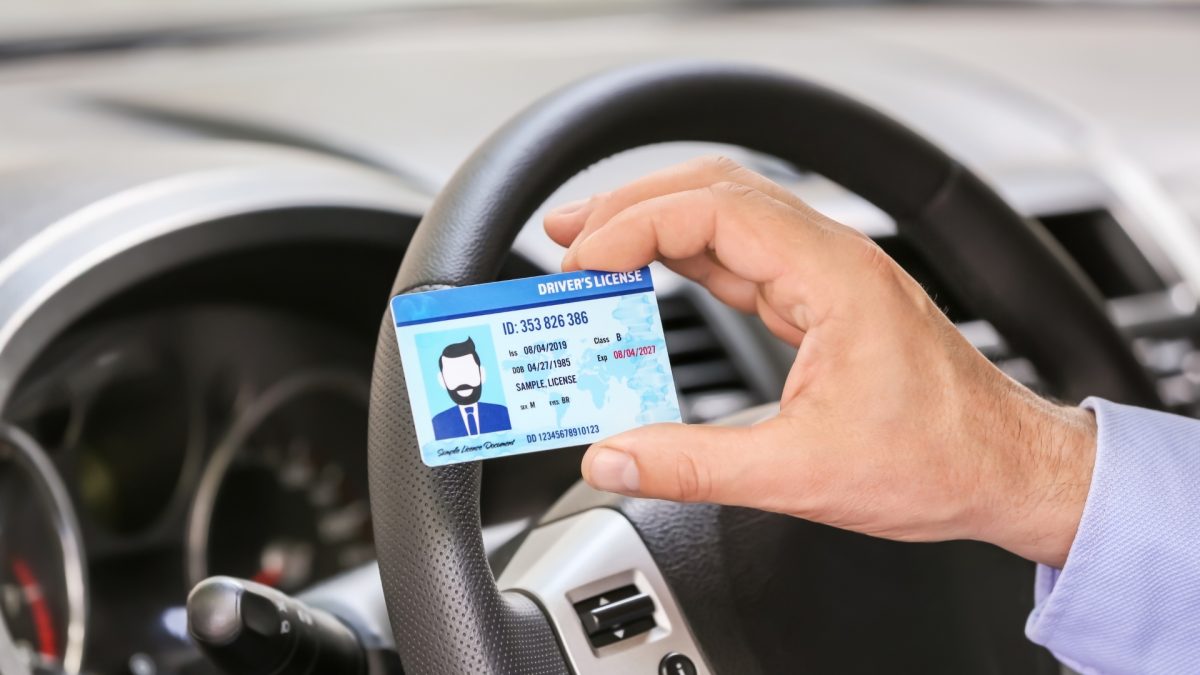
Tips for Winning Licence Appeals: How to Get Your Driving Privileges Back
Losing your driver licence due to suspension or revocation can be a major setback. However, if you believe the suspension was unjustified or there are valid reasons to regain your driving rights, you can file an appeal. Winning a licence appeal requires careful preparation, understanding of the process, and presenting a strong case. This article covers essential tips for winning licence appeals to help you successfully restore your driving privileges.
Understanding Licence Appeals
Before diving into the tips, it’s important to understand what a licence appeal involves. A licence appeal is a formal request to challenge the suspension or revocation of your driver licence. Appeals are typically submitted to the department of motor vehicles (DMV) or an administrative hearing board.
Successful appeals often depend on presenting valid reasons, evidence, and procedural arguments to convince the authorities that the suspension should be lifted or reduced.

Key Tips for Winning Your Licence Appeal
1. Act Quickly and Meet All Deadlines
Time is crucial when appealing a licence suspension. Most jurisdictions set strict deadlines—sometimes as short as 10 to 30 days—from the date you receive your suspension notice. Missing the deadline usually means losing your right to appeal.
Immediately review the suspension notice, note the deadline, and start preparing your appeal without delay.
2. Understand the Reason for Your Suspension
Knowing exactly why your licence was suspended or revoked is critical. Common reasons include:
DUI or DWI convictions
Accumulating too many traffic violation points
Failure to pay fines or appear in court
Driving without insurance
Medical reasons affecting your ability to drive
Understanding the specific grounds for suspension will help you focus your appeal on addressing those issues.
3. Gather Strong Supporting Evidence
Your appeal is only as strong as the evidence you present. Collect all relevant documents that can support your case, such as:
Medical records proving fitness to drive
Proof of completing DUI education or rehabilitation programs
Traffic school certificates
Witness statements or affidavits
Police reports or incident details that challenge the suspension reason
Organize your evidence clearly and reference it during your appeal.
4. Write a Clear and Concise Appeal Letter
If the appeal process requires submitting a written statement, make sure your letter is well-structured and professional. Key points to include:
Your full name, licence number, and contact details
Clear explanation of why you are appealing
Relevant facts and evidence supporting your claim
Any mitigating circumstances or corrective actions you have taken
A respectful request to reinstate your licence
Avoid emotional language; stick to facts and remain polite.
5. Prepare Thoroughly for the Hearing
Many licence appeals involve an administrative hearing. Preparation is key:
Practice explaining your case clearly and confidently
Organize all documents and bring copies for the hearing panel
Anticipate questions and prepare answers
Consider hiring a lawyer or advocate experienced in licence appeals
Being well-prepared increases your chances of a favorable outcome.
6. Highlight Mitigating Circumstances
If there are factors that lessen your responsibility or demonstrate reform, emphasize these in your appeal. Examples include:
Attending rehabilitation or alcohol education programs
Evidence of clean driving record before the incident
Medical conditions that have been treated
Financial hardship or family obligations affected by the suspension
Mitigating circumstances can persuade decision-makers to grant leniency.
7. Stay Professional and Respectful Throughout the Process
How you present yourself matters. Be polite and professional in all communications and during hearings. Avoid blaming officials or using aggressive language. A respectful approach can positively influence the outcome.
Common Mistakes to Avoid in Licence Appeals
Missing Deadlines
Failing to file your appeal on time is the most common and avoidable mistake.
Providing Insufficient Evidence
Appeals without supporting documentation are often dismissed.
Being Unprepared for the Hearing
Not practicing or organizing your materials can weaken your case.
Relying on Emotional Appeals
Stick to facts and legal grounds rather than emotional pleas.
Ignoring Legal Advice
Consulting an attorney can significantly improve your chances.
What Happens After You Win Your Licence Appeal?
If your appeal is successful, the suspension will be lifted or reduced, and you can resume driving, sometimes under certain conditions such as probation or restricted privileges. Make sure to comply with all reinstatement requirements like paying fees or attending courses.
If your appeal is denied, you may have options for further appeals or alternative legal remedies. Consult a legal expert to explore next steps.
Conclusion
Winning a licence appeal requires timely action, a clear understanding of the suspension reasons, strong evidence, and professional presentation. By following these tips and avoiding common mistakes, you can maximize your chances of regaining your driving privileges.
Remember, preparation and respect go a long way in appeals. If your case is complex, don’t hesitate to seek legal assistance to guide you through the process.