


What Is Larceny? Understanding Theft Laws in Australia
Larceny, commonly referred to as theft, is a criminal offense involving the unlawful taking of someone else’s property with the intent to permanently deprive the owner of it. In Australia, larceny is governed by specific theft laws that vary slightly across different states and territories. Understanding these laws is crucial for both victims and those accused of theft-related crimes. This article will provide a comprehensive overview of what larceny entails, how Australian theft laws work, and the legal consequences involved. What Is Larceny? Understanding Theft Laws in Australia
Defining Larceny: What Constitutes Theft?
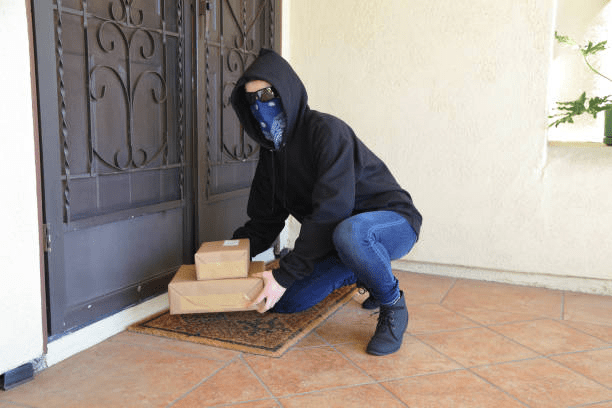
Larceny is broadly defined as the unlawful taking and carrying away of someone else’s personal property with the intent to permanently deprive the owner of it. In Australia, this concept is typically categorized under theft laws, which cover a range of offenses related to unlawfully obtaining property.
Key Elements of Larceny
- Taking Property: The physical act of taking possession of the property without consent.
- Property Belongs to Another: The property must legally belong to someone else at the time of the theft.
- Intent to Permanently Deprive: The person must intend not to return the property to its rightful owner.
- Without Consent: The taking must occur without the owner’s permission or legal right.
While these elements are generally consistent, the exact legal definitions and terminology can differ depending on the jurisdiction within Australia.
The Legal Framework of Theft in Australia
Theft laws in Australia are governed by both state and territory legislation, meaning the definition and penalties for larceny can vary. However, there is a strong consistency across jurisdictions due to the influence of common law and uniform legislation initiatives.
Commonwealth vs. State Laws
While theft is primarily a state matter, the Australian Commonwealth government also legislates certain theft-related offenses under federal law, especially concerning identity theft, cybercrime, and large-scale fraud.
Theft Acts Across Different States and Territories
- New South Wales (NSW): Governed by the Crimes Act 1900 (NSW), which defines theft and outlines penalties.
- Victoria (VIC): Covered under the Crimes Act 1958 (VIC) with specific provisions for theft.
- Queensland (QLD): The Criminal Code Act 1899 (QLD) contains theft offenses.
- Western Australia (WA), South Australia (SA), Tasmania (TAS), Australian Capital Territory (ACT), and Northern Territory (NT): Each jurisdiction has its own legislation governing theft, often similar in scope and intent.
Despite the jurisdictional differences, all Australian theft laws focus on the intent and unlawful taking of property as core components.
Types of Theft and Related Offenses
Larceny or theft is not limited to just taking physical items. Australian laws recognize several forms of theft and related offenses:
1. Simple Theft
This involves the straightforward unlawful taking of property without the use of force or deception. For example, shoplifting or taking an unattended item from a public place.
2. Robbery
Robbery involves theft combined with the use or threat of violence. It is considered a more serious crime and carries heavier penalties.
3. Burglary
Burglary involves entering a building or premises with the intent to commit theft or another serious crime.
4. Fraud and Deception
Obtaining property through dishonest means, such as false representation or trickery, is categorized separately under fraud laws but is closely related to theft.
Penalties for Larceny in Australia
Penalties for larceny in Australia vary depending on the severity of the offense, the value of the property stolen, and the offender’s criminal history. Generally, the punishment ranges from fines and community service to imprisonment.
Factors Influencing Penalties
- Value of the Stolen Property: Higher value thefts attract more severe penalties.
- Use of Violence or Weapons: Offenses involving violence or weapons typically result in harsher sentences.
- Repeat Offenses: Repeat offenders face stricter consequences.
- Mitigating Circumstances: Factors such as remorse, cooperation with authorities, and circumstances of the theft can influence sentencing.
Examples of Penalties
- Minor Theft: May result in fines or community service.
- Significant Theft: Can attract jail sentences ranging from several months to years.
- Aggravated Theft (e.g., armed robbery): Penalties can be very severe, often exceeding 10 years imprisonment.
How to Protect Yourself From Larceny
While laws are in place to punish theft, prevention remains key. Here are some tips to protect your property:
- Secure Your Belongings: Use locks, safes, and alarms to deter thieves.
- Stay Vigilant: Be aware of your surroundings, especially in public places.
- Use Surveillance: CCTV cameras can act as a deterrent and assist law enforcement.
- Report Suspicious Activity: Early reporting can prevent theft and increase chances of recovery.
What to Do If You Are Accused of Larceny
Being accused of larceny in Australia is serious and requires immediate action. If you find yourself in this situation:
Seek Legal Advice
Contact a qualified criminal defense lawyer who understands theft laws in your state or territory. Legal representation is critical to ensure your rights are protected and to navigate the complexities of the criminal justice system.
Understand the Charges
Know the specific allegations against you and the potential consequences. This knowledge can help you and your lawyer build a strong defense.
Gather Evidence
Collect any evidence that may support your innocence or mitigate the charges, such as alibis, witness statements, or proof of consent.
Conclusion
Larceny, or theft, is a significant offense under Australian law, with clear definitions and substantial penalties. Understanding what constitutes larceny, the laws governing theft across different states and territories, and the types of theft offenses can help individuals protect themselves and respond appropriately if involved in such matters. Whether you are a victim seeking justice or someone accused of theft, being informed is the first step toward a fair outcome.
For personalized legal advice, always consult a licensed professional familiar with the laws in your jurisdiction. What Is Larceny? Understanding Theft Laws in Australia