
Penalties for Illicit Drug Driving in NSW

Driving under the influence of illicit drugs is a serious offense in New South Wales (NSW), with stringent penalties designed to deter individuals from engaging in this dangerous behavior. This article provides an in-depth look at the penalties associated with illicit drug driving in NSW, including fines, license disqualification, and potential criminal charges. Understanding these penalties is crucial for ensuring compliance with the law and maintaining road safety.

Overview of Illicit Drug Driving Laws in NSW

Illicit drug driving involves operating a vehicle while under the influence of illegal substances such as marijuana, cocaine, or ecstasy. NSW laws are strict in addressing this issue to protect public safety and maintain the integrity of road use.

Types of Drugs Tested

NSW authorities conduct roadside drug testing to detect the presence of illicit drugs. The primary drugs tested for include:

Cannabis (Marijuana): Known for impairing cognitive functions and reaction times.
Cocaine: A stimulant that can cause erratic behavior and impaired judgment.
Ecstasy (MDMA): A drug that can affect mood, perception, and motor skills.

These substances are identified through oral fluid tests, which are conducted at random checkpoints or during traffic stops.

Penalties for Illicit Drug Driving

The penalties for illicit drug driving in NSW are severe and can have long-lasting effects on a driver’s personal and professional life. The severity of the penalties depends on various factors, including the drug detected, the driver’s history, and whether the offense resulted in an accident.

Fines and Infringement Notices

One of the primary penalties for illicit drug driving is a substantial fine. The amount of the fine can vary based on the specific circumstances of the offense but is generally set at a level designed to be a significant deterrent. Fines are issued alongside infringement notices, which are recorded on the driver’s traffic record and can impact future insurance premiums and employment opportunities.

License Disqualification

Drivers convicted of illicit drug driving face mandatory disqualification from driving. The length of the disqualification period depends on several factors, including:

Penalties for Illicit Drug Driving in NSW

First Offense: For a first-time offense, the disqualification period typically ranges from several months to a year.
Repeat Offenses: If the driver has a history of drug driving offenses, the disqualification period can be extended significantly. Repeat offenders may face disqualification for multiple years.

During the disqualification period, drivers are prohibited from operating any motor vehicle, and driving privileges will only be restored after meeting specific conditions. https://www.sydneyfamilycriminaldefencelawyers.com.au/

Criminal Charges and Court Proceedings

In more serious cases, illicit drug driving can lead to criminal charges. This is especially true if the drug driving offense is coupled with other serious driving violations or results in an accident causing injury or damage. Criminal charges may lead to:

Court Appearances: Drivers charged with drug driving must appear in court, where they will face a judge who will determine the appropriate penalties.
Jail Time: Depending on the severity of the offense and the driver’s history, jail time may be imposed. This is more likely in cases involving repeat offenses or significant harm.

Criminal convictions can have severe implications, including a permanent criminal record and long-term impacts on personal and professional life.

Additional Consequences of Illicit Drug Driving

Aside from the direct penalties, illicit drug driving can lead to several additional consequences:

Impact on Employment

A conviction for illicit drug driving can negatively affect employment opportunities. Many employers conduct background checks and may view drug driving offenses unfavorably. This can impact current job status and future career prospects.

Increased Insurance Costs

Drivers convicted of illicit drug driving may experience higher insurance premiums. Insurance companies often view drug driving offenses as a significant risk factor, leading to increased costs for coverage.

Rehabilitation and Education Programs

In some cases, drivers may be required to complete rehabilitation or education programs as part of their penalty. These programs are designed to address substance abuse issues and educate drivers about the risks associated with drug driving. Successfully completing these programs may be required for regaining driving privileges.

What to Do if Charged with Illicit Drug Driving

If you are charged with illicit drug driving in NSW, it is crucial to take the following steps:

Seek Legal Advice

Consulting with a qualified lawyer who specializes in traffic law is essential. A legal professional can provide guidance on how to navigate the legal process, represent you in court, and help you understand the potential outcomes of your case.

Prepare for Court

If your case goes to court, be prepared to present any evidence or information that may support your defense. This could include medical records, witness statements, or other relevant documentation. Your lawyer will assist in preparing your case and advocating on your behalf.

Understand Your Rights

Be aware of your rights throughout the legal process. This includes understanding your right to remain silent, the right to legal representation, and the right to challenge any evidence presented against you.

Preventing Illicit Drug Driving

The best way to avoid the penalties associated with illicit drug driving is to prevent it from occurring in the first place. Here are some strategies:

Educate Yourself on Drug Effects

Understanding the effects of illicit drugs on your ability to drive is crucial. Educate yourself about how different substances can impair your cognitive and motor functions.

Plan Ahead

If you are using drugs or medications that may affect your driving, plan alternative transportation options. This could include using public transport, arranging a ride with a friend, or utilizing ridesharing services.

Consult Healthcare Providers

If you are prescribed medication that may impair your driving, consult with your healthcare provider. They can offer advice on how to manage your medication and its impact on your ability to drive safely.

Conclusion

The penalties for illicit drug driving in NSW are designed to deter dangerous behavior and ensure road safety. By understanding the potential fines, license disqualification periods, and criminal charges, drivers can make informed decisions and avoid the severe consequences of drug driving. For personalized legal advice and representation, consider consulting with a traffic law expert to navigate any charges effectively.

Drug Driving Laws in NSW: What You Need to Know

Driving under the influence of drugs is a serious offense in New South Wales (NSW) and can lead to severe legal consequences. Understanding the laws surrounding drug driving is crucial for ensuring road safety and avoiding legal trouble. This guide covers the key aspects of drug driving laws in NSW, including the types of drugs tested, penalties, and what to do if you find yourself in a situation involving drug driving. Drug Driving Laws in NSW: What You Need to Know

Understanding Drug Driving Offenses

Drug driving refers to operating a vehicle while impaired by drugs, whether they are illegal substances, prescription medications, or over-the-counter drugs. In NSW, the laws concerning drug driving are designed to keep roads safe by targeting drivers who are under the influence and unable to drive safely.

Types of Drugs Tested

NSW authorities test for a variety of substances that can impair driving. These substances fall into three main categories:

Illicit Drugs: This category includes substances like marijuana, ecstasy, and cocaine. These drugs are commonly tested during roadside drug tests and are known for their ability to significantly impair cognitive and motor functions.

Prescription Medications: Certain prescription medications, such as opioids and benzodiazepines, can impair driving. It is important to be aware of the effects of any prescribed medication and consult with a healthcare provider about its impact on your ability to drive.

Over-the-Counter Medications: Some over-the-counter medications, like cold and flu remedies, can also impair driving. These medications often contain ingredients that can cause drowsiness or affect concentration.

Roadside Drug Testing

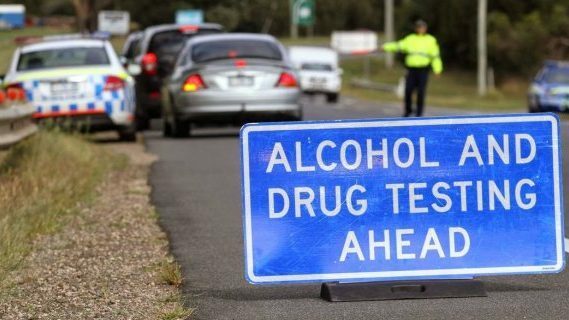
NSW police conduct roadside drug testing to ensure drivers are not under the influence of drugs. These tests are usually carried out using oral fluid tests, which detect the presence of drugs in a driver’s saliva. The process is similar to breath testing for alcohol and is designed to identify recent drug use.

If a driver tests positive for drugs, they may be required to undergo further testing at a police station, where a more accurate analysis of their drug levels will be conducted.

Penalties for Drug Driving in NSW

The penalties for drug driving in NSW are severe and can have a significant impact on your life. The specific penalties vary based on the circumstances of the offense, including the type and amount of drug detected, as well as any prior driving offenses.

Drug Driving Laws in NSW: What You Need to Know

Fines and Infringement Notices

Drivers caught drug driving may face substantial fines. The amount of the fine can vary, but it is generally significant enough to deter individuals from driving under the influence. In addition to fines, drivers may receive an infringement notice, which can impact their driving record.

License Disqualification

Drug driving offenses often result in a disqualification from driving. The length of the disqualification period depends on the severity of the offense and whether it is a repeat occurrence. In some cases, drivers may face a disqualification period of several months or even years. https://www.sydneyfamilycriminaldefencelawyers.com.au/speeding-street-racing/

Criminal Charges

In more serious cases, drug driving can lead to criminal charges. This is particularly true if the drug driving offense is coupled with other serious driving offenses or if it results in an accident causing injury or damage. Criminal charges can lead to court appearances and potential jail time, depending on the severity of the case.

What to Do If You’re Charged with Drug Driving

If you find yourself charged with drug driving in NSW, it’s important to understand your rights and take appropriate steps to address the situation.

Seek Legal Advice

Consulting with a qualified legal professional is crucial if you are charged with drug driving. A lawyer specializing in traffic law can provide guidance on how to handle the charges, represent you in court, and help you understand the potential outcomes and penalties.

Prepare for Court

If your case goes to court, be prepared to present any evidence or information that may support your case. This could include medical records, statements from witnesses, or other relevant documentation. Your lawyer will help you prepare for court and present your case effectively.

Understand the Impact on Your Record

A drug driving conviction can have long-term effects on your driving record and personal life. It is important to understand these impacts and take steps to mitigate any negative consequences. This may include completing any required programs or assessments as part of your sentence.

Preventing Drug Driving

Prevention is key to avoiding drug driving offenses and ensuring road safety. Here are some steps you can take:

Know the Effects of Drugs

Educate yourself about the effects of both illegal and legal drugs on your ability to drive. Understanding how different substances can impair your driving can help you make informed decisions and avoid driving under the influence.

Plan Ahead

If you are taking medication that may affect your driving, plan ahead by arranging alternative transportation options. This can include using public transport, arranging a ride with a friend, or using a ridesharing service.

Communicate with Your Doctor

If you are prescribed medication that may impact your ability to drive, communicate openly with your healthcare provider. They can provide guidance on how the medication may affect you and suggest alternatives if necessary.

Conclusion

Drug driving laws in NSW are designed to protect all road users by preventing impaired driving. By understanding the types of drugs tested, the penalties for drug driving, and the steps to take if charged, you can stay informed and make responsible choices. Remember, the best way to avoid drug driving offenses is to be aware of how substances affect your ability to drive and to plan accordingly.

For more information or legal advice, consider consulting with a traffic law expert who can provide personalized guidance based on your specific situation.

Penalties for Malicious Damage in NSW

Malicious damage is a serious offense in New South Wales (NSW), involving the intentional or reckless destruction of someone else’s property. The legal system in NSW imposes various penalties for those convicted of malicious damage, reflecting the severity of the offense and the impact on the victims. This article will explore the penalties associated with malicious damage in NSW, including factors influencing sentencing, and provide insights into potential outcomes for those facing charges.

Understanding Malicious Damage Offenses

Malicious damage in NSW is governed by Section 195 of the Crimes Act 1900. This section defines malicious damage as the intentional or reckless destruction or damage of property belonging to another person. The nature of the offense and the penalties imposed can vary depending on the extent of the damage, the intent of the accused, and other relevant factors.

Types of Malicious Damage Offenses

Malicious damage can encompass a range of activities, including:
– **Arson:** Deliberately setting fire to property.
– **Property Destruction:** Vandalizing or breaking items.
– **Interference:** Tampering with essential services or infrastructure.

Each type of malicious damage can be treated differently under the law, with varying penalties based on the specifics of the case.

Factors Influencing Penalties for Malicious Damage

The penalties for malicious damage depend on several factors, including the severity of the damage, the intent of the accused, and any aggravating or mitigating circumstances.

Severity of the Damage

The extent of the damage caused is a significant factor in determining the penalty. More severe damage, such as extensive property destruction or damage to critical infrastructure, generally attracts harsher penalties. Courts consider the financial cost of the damage, the impact on the victim, and any potential safety risks.

Penalties for Malicious Damage in NSW

Intent and Recklessness

The intent or recklessness of the accused plays a crucial role in sentencing. If the damage was caused intentionally, with clear intent to harm, or through reckless behavior, the penalties are likely to be more severe. Accidental damage or cases where the accused had no intention to cause harm may result in less severe penalties.

Aggravating and Mitigating Factors

Several factors can influence the final penalty:
– **Aggravating Factors:** These include a prior criminal record, the use of violence, or the targeting of vulnerable individuals. The presence of these factors can lead to increased penalties.
– **Mitigating Factors:** These may include a lack of prior offenses, genuine remorse, or cooperation with authorities. Such factors can lead to reduced penalties or more lenient sentencing.

Penalties for Malicious Damage in NSW

Penalties for malicious damage can vary widely, depending on whether the offense is classified as a summary or indictable offense and the specifics of the case.

Summary Offenses

Summary offenses are typically less severe cases of malicious damage and are dealt with in the Local Court. Penalties for summary offenses can include:
– **Fines:** Financial penalties imposed by the court, reflecting the cost of the damage and the severity of the offense.
– **Community Service:** Court-ordered service to benefit the community as a form of restitution and rehabilitation.
– **Suspended Sentences:** A custodial sentence that is suspended, meaning the offender does not serve time in prison unless they commit another offense.

Indictable Offenses

More severe cases of malicious damage, such as those involving significant destruction or endangerment, are considered indictable offenses and are tried in higher courts such as the District Court. Penalties for indictable offenses can include:
– **Imprisonment:** Sentences that involve serving time in prison, with durations varying based on the severity of the offense. Maximum prison terms for malicious damage can be significant, particularly for serious or repeat offenders.
– **Large Fines:** Substantial financial penalties reflecting the serious nature of the damage and the offender’s culpability.
– **Reparation Orders:** Court orders requiring the offender to pay compensation to the victim for the damage caused.

Additional Considerations in Sentencing

In addition to the primary penalties, courts may impose additional considerations or requirements as part of the sentencing process.

Restitution and Compensation

Courts may order offenders to pay restitution or compensation to the victims. This financial restitution aims to cover the cost of repairs or replacement of damaged property. Compensation orders are designed to help victims recover from the impact of the offense and are an important aspect of sentencing in malicious damage cases.

Rehabilitation Programs

For offenders who are deemed to have the potential for rehabilitation, courts may impose participation in rehabilitation programs. These programs are designed to address underlying issues, such as substance abuse or anger management, that may have contributed to the offending behavior. Successful completion of rehabilitation programs can sometimes influence the sentencing outcome and demonstrate the offender’s commitment to change.

Appeals and Review

Offenders who believe that their sentence was too harsh or that the trial was unfair may have the right to appeal the decision. An appeal involves a review of the case by a higher court to determine if there were legal errors or if the sentence should be adjusted. It is essential to seek legal advice if considering an appeal, as the process can be complex and requires a solid legal foundation.

Conclusion

Penalties for malicious damage in NSW vary based on the nature of the offense, the extent of the damage, and the intent of the accused. Understanding these penalties and the factors that influence sentencing is crucial for anyone involved in a malicious damage case.

If you are facing charges of malicious damage, seeking legal representation is essential. An experienced criminal lawyer can provide guidance on navigating the legal system, understanding potential penalties, and developing a defense strategy. By being informed and proactive, you can better manage the legal process and work towards the most favorable outcome in your case.

Malicious Damage vs. Vandalism in NSW

In New South Wales (NSW), malicious damage and vandalism are both criminal offenses involving the destruction of property. While these terms are often used interchangeably, they have distinct legal definitions and implications. Understanding the differences between malicious damage and vandalism is crucial for anyone facing charges or involved in legal matters concerning property damage. This article will explore these two offenses, their legal definitions, and how they are prosecuted in NSW. Malicious Damage vs. Vandalism in NSW

Understanding Malicious Damage and Vandalism

Before delving into the distinctions between malicious damage and vandalism, it’s important to define each term and understand their legal contexts.

Malicious Damage

Malicious damage refers to the intentional or reckless destruction of someone else’s property. In NSW, this offense is governed by Section 195 of the Crimes Act 1900. To be convicted of malicious damage, the prosecution must prove that the accused acted with intent or recklessness and that their actions resulted in damage to the property.

Examples of malicious damage include:
– **Arson:** Setting fire to property with the intent to cause damage.
– **Property Destruction:** Breaking windows or slashing tires.
– **Interference:** Tampering with electrical systems or other critical infrastructure.

Malicious damage can be prosecuted as either a summary or indictable offense, depending on the severity of the damage and the circumstances of the case.

Vandalism

Vandalism is a broader term that encompasses various forms of property damage, often characterized by its aimless or destructive nature. In NSW, vandalism is commonly associated with the act of defacing or damaging property, particularly public or private property, without any legitimate purpose. While vandalism can be a form of malicious damage, it also includes other acts of property destruction.

Examples of vandalism include:
– **Graffiti:** Unauthorised markings or drawings on walls and surfaces.
– **Tagging:** Applying symbols or signatures to property as a form of personal expression.
– **Public Destruction:** Damaging public facilities or monuments.

Vandalism can lead to criminal charges under different sections of the Crimes Act 1900 or local council regulations, depending on the nature of the act and its impact.

Legal Definitions and Differences

Understanding the legal distinctions between malicious damage and vandalism is essential for navigating the legal system and determining the appropriate legal response.

Legal Definition of Malicious Damage

Under Section 195 of the Crimes Act 1900, malicious damage occurs when a person “intentionally or recklessly destroys or damages property belonging to another person.” The key elements of this offense are the intent or recklessness of the accused and the resulting damage to the property. Malicious damage is generally considered a more severe offense, particularly when it involves significant destruction or critical infrastructure.

Legal Definition of Vandalism

Vandalism is less clearly defined in the Crimes Act 1900 but is addressed through various provisions related to property damage and public disorder. Vandalism often involves defacing property or committing acts of destruction with little regard for the consequences. It can be prosecuted under different sections of the Crimes Act or local council regulations, which may vary depending on the nature and severity of the offense.

Prosecution and Penalties

The prosecution and penalties for malicious damage and vandalism differ based on the specifics of each offense and the legal framework under which they are charged.

Prosecution of Malicious Damage

Malicious damage can be prosecuted as either a summary or indictable offense, depending on the extent of the damage and the circumstances. Summary offenses are dealt with in the Local Court and typically involve less severe cases, while indictable offenses are handled in higher courts such as the District Court.

The prosecution must prove that the accused acted with intent or recklessness and that their actions resulted in property damage. Penalties for malicious damage can include fines, community service, or imprisonment, depending on the severity of the offense and any aggravating or mitigating factors.

Prosecution of Vandalism

Vandalism is generally prosecuted under different provisions, which may include local council regulations or specific sections of the Crimes Act. The prosecution must establish that the accused committed an act of property damage, though the focus may be on the nature of the act and its impact rather than the intent or recklessness.

Penalties for vandalism can also vary widely and may include fines, community service, or other sanctions depending on the nature of the vandalism and its consequences.

Defenses and Legal Considerations

If you are facing charges of malicious damage or vandalism, understanding potential defenses and legal considerations is crucial for building a strong case.

Defenses Against Malicious Damage

Common defenses against malicious damage charges include:
– **Lack of Intent or Recklessness:** Demonstrating that the damage was accidental or that you did not act with intent or recklessness.
– **Claim of Right:** Arguing that you believed you had a legal right to damage the property.
– **Duress or Coercion:** Proving that you were forced to commit the damage under threat or pressure.

Defenses Against Vandalism

Possible defenses against vandalism charges include:
– **Lack of Evidence:** Arguing that there is insufficient evidence to prove that you committed the vandalism.
– **Permission:** Showing that you had permission to mark or alter the property in question.
– **Mistake of Fact:** Demonstrating that you were mistaken about the ownership or permission related to the property.

Conclusion

While malicious damage and vandalism both involve the destruction of property, they differ in legal definitions, prosecution, and penalties. Understanding these differences is essential for anyone facing charges or involved in legal matters related to property damage.

If you are accused of malicious damage or vandalism, seeking legal advice from an experienced criminal lawyer is crucial. A skilled lawyer can help you understand the charges, explore potential defenses, and work towards the best possible outcome in your case.

Malicious Damage and Your Legal Rights in NSW

Facing accusations of malicious damage can be a daunting experience. Understanding your legal rights in New South Wales (NSW) is crucial to navigating the legal system and ensuring a fair outcome. This article will explore what constitutes malicious damage, your rights during the legal process, and how to protect yourself if you’re accused of this serious offense.

What is Malicious Damage?

Malicious damage is a criminal offense involving the intentional or reckless destruction of someone else’s property. In NSW, this offense is governed by Section 195 of the Crimes Act 1900. To better understand your legal rights, it’s essential to grasp what malicious damage entails and how it is defined under the law.

Legal Definition Under NSW Law

According to Section 195 of the Crimes Act 1900, an individual is guilty of malicious damage if they “intentionally or recklessly destroy or damage property belonging to another person.” The critical elements of this offense include the intent or recklessness of the accused and the resulting damage to the property. This damage can range from physical destruction, like vandalism or arson, to non-physical interference with property.

Malicious Damage and Your Legal Rights in NSW

Examples of Malicious Damage

Common examples of malicious damage include:
– **Graffiti:** Unauthorised marking or defacing property.
– **Vandalism:** Breaking windows, slashing tires, or damaging other items.
– **Arson:** Deliberately setting fire to property.
– **Cyber Vandalism:** Hacking or otherwise damaging digital systems.

Understanding these examples helps clarify what actions may be considered malicious damage and the seriousness of such charges.

Your Legal Rights When Accused of Malicious Damage

If you are accused of malicious damage, it’s crucial to understand your legal rights throughout the legal process. These rights ensure that you are treated fairly and have the opportunity to present your case effectively.

Right to Remain Silent

One of your fundamental rights is the right to remain silent. You are not obliged to answer questions or provide information to the police that could incriminate you. While you must provide your name and address, you can choose not to answer other questions until you have legal representation. Exercising this right can prevent self-incrimination and is a critical part of defending yourself against malicious damage charges.

Right to Legal Representation

You have the right to seek legal advice and representation. If charged with malicious damage, it is essential to contact a qualified criminal lawyer who can provide guidance on the best course of action, represent you in court, and help develop a defense strategy. Legal representation ensures that your rights are protected and that you receive a fair trial.

Right to a Fair Trial

The right to a fair trial is a cornerstone of the justice system. This means you are entitled to a hearing before an impartial judge or magistrate, and the prosecution must prove their case beyond a reasonable doubt. During the trial, you have the opportunity to challenge the evidence presented against you, present your defense, and question witnesses. Ensuring that you receive a fair trial is crucial to achieving a just outcome.

Steps to Take If Accused of Malicious Damage

Being accused of malicious damage requires prompt and strategic action. Here are the key steps to take to protect your rights and build a strong defense.

Seek Legal Advice Immediately

As soon as you are aware of the charges, seek legal advice. A criminal lawyer with experience in handling malicious damage cases can provide crucial support and guidance. They will help you understand the charges, assess the evidence against you, and develop a defense strategy tailored to your situation.

Gather Evidence and Documentation

Collect any evidence that may support your defense. This can include:
– **Witness Statements:** Statements from individuals who can testify about the incident or your involvement.
– **Physical Evidence:** Any items or documents that may demonstrate your innocence or refute the prosecution’s claims.
– **Alibis:** Information or evidence that proves you were not at the scene of the alleged offense.

Prepare for Court

If the case proceeds to court, work closely with your lawyer to prepare for the trial. This involves reviewing evidence, understanding the legal arguments that will be presented, and preparing for cross-examination. Your lawyer will guide you through this process and ensure that you are well-prepared to present your case.

Possible Defenses Against Malicious Damage Charges

Several defenses may be available depending on the circumstances of your case. Understanding these defenses can help you and your lawyer develop a strategy to challenge the charges effectively.

Lack of Intent or Recklessness

One common defense is that the damage was accidental or that you did not act with the intent or recklessness required for a malicious damage charge. If you can demonstrate that the damage occurred without any intention to cause harm or as a result of an honest mistake, this defense may be effective.

Claim of Right

The “claim of right” defense applies if you genuinely believed that you had a legal right to damage the property. For example, if you thought the property belonged to you or that you had permission to alter it, this defense may be used to argue that you did not commit malicious damage.

Duress or Coercion

If you were forced to commit the damage under duress or coercion, this may serve as a defense. Proving that you were threatened or pressured into causing the damage can help establish that you did not act voluntarily.

Conclusion

Understanding malicious damage and your legal rights in NSW is essential for effectively navigating the legal system if you face such charges. By knowing what constitutes malicious damage, understanding your rights, and taking the appropriate steps, you can better protect yourself and ensure a fair legal process.

If you are accused of malicious damage, seeking legal representation promptly is crucial. An experienced criminal lawyer will help you understand the charges, develop a strong defense, and work towards the best possible outcome in your case.

How Malicious Damage is Prosecuted in NSW Courts

Malicious damage is a serious criminal offense in New South Wales (NSW), with significant legal consequences. When a person is charged with malicious damage, the case is typically prosecuted in the NSW courts, where the prosecution must prove specific elements to secure a conviction. This article provides a detailed overview of how malicious damage is prosecuted in NSW courts, including the legal process, the role of evidence, and potential defenses.

Understanding Malicious Damage Under NSW Law

Before delving into the prosecution process, it is essential to understand what constitutes malicious damage under NSW law. Malicious damage involves the intentional or reckless destruction or damage of property belonging to another person. The offense is governed by Section 195 of the Crimes Act 1900, which outlines the legal parameters for prosecution.

The Legal Definition of Malicious Damage

Under Section 195 of the Crimes Act 1900, malicious damage occurs when an individual “intentionally or recklessly destroys or damages property belonging to another person.” The key elements that must be proven in court are the intent or recklessness of the accused and the resultant damage to the property. This can include physical damage, such as breaking windows, or non-physical damage, like interfering with electrical systems.

Types of Malicious Damage Cases

Malicious damage can be prosecuted as either a summary or indictable offense, depending on the severity of the damage and the circumstances of the case. Summary offenses are handled in the Local Court and typically involve less severe cases, while indictable offenses are more serious and are dealt with in higher courts, such as the District Court.

The Prosecution Process for Malicious Damage in NSW

The prosecution process for malicious damage begins with the police investigation and proceeds through several stages, including charging, evidence gathering, and the court trial. Each step is crucial in determining the outcome of the case.

Police Investigation and Charging

When an allegation of malicious damage is made, the police will investigate the incident to gather evidence. This may include taking witness statements, collecting physical evidence, and examining any available video footage. If sufficient evidence is found, the police will charge the individual with malicious damage.

Once charged, the accused will receive a Court Attendance Notice (CAN), which outlines the charges and the date they are required to appear in court. The CAN marks the official start of the court process.

The Role of the Prosecutor

In NSW, the prosecution is typically handled by the Office of the Director of Public Prosecutions (DPP) or police prosecutors, depending on the severity of the offense. The prosecutor’s role is to present the evidence against the accused and prove beyond a reasonable doubt that the accused committed the offense of malicious damage.

The prosecution will rely on various types of evidence, including witness testimonies, expert opinions, and physical evidence. The burden of proof lies with the prosecution, meaning they must establish all elements of the offense to secure a conviction.

How Malicious Damage is Prosecuted in NSW Courts

Evidence in Malicious Damage Cases

Evidence plays a critical role in the prosecution of malicious damage cases. The types of evidence that may be presented include:

– **Witness Testimonies:** Statements from individuals who witnessed the alleged damage can provide crucial information about the events leading up to the incident and the actions of the accused.

– **Physical Evidence:** Items such as damaged property, tools used to cause damage, or fingerprints can be used to link the accused to the crime.

– **Expert Testimony:** Experts, such as forensic analysts or damage assessors, may provide insights into the nature and extent of the damage, helping to establish the intent or recklessness of the accused.

– **Video Footage:** CCTV or mobile phone footage can serve as compelling evidence if it captures the accused committing the act of malicious damage.

Defense Strategies in Malicious Damage Cases

Defending against malicious damage charges requires a thorough understanding of the law and the ability to challenge the prosecution’s evidence. Several defense strategies may be employed, depending on the specifics of the case.

Lack of Intent or Recklessness

One of the most common defenses against malicious damage charges is the argument that the accused did not act with intent or recklessness. If the defense can demonstrate that the damage was accidental or that the accused had no intention of causing harm, the charges may be reduced or dismissed.

Claim of Right

The defense of “claim of right” can be used when the accused believed they had a lawful right to damage the property. For example, if there was a genuine belief that the property belonged to the accused or that they had permission to alter it, this defense could be effective.

Duress or Coercion

Another possible defense is that the accused was forced to commit the act under duress or coercion. If it can be proven that the accused was threatened or pressured into causing the damage, this may serve as a valid defense that could lead to an acquittal.

The Court Process for Malicious Damage Cases

Once the case reaches the court, it will go through several stages, including a plea, trial, and sentencing if the accused is found guilty. Understanding the court process can help the accused prepare and navigate the legal system effectively.

Plea and Mention

At the first court appearance, known as a mention, the accused will be asked to enter a plea of guilty or not guilty. If the accused pleads guilty, the court will move directly to sentencing. If the plea is not guilty, the case will proceed to trial, where the prosecution and defense will present their arguments.

The Trial Process

During the trial, both the prosecution and defense will have the opportunity to present evidence, examine witnesses, and make arguments. The judge or magistrate will then consider the evidence and determine whether the prosecution has proven the case beyond a reasonable doubt.

If the accused is found guilty, the court will move to the sentencing phase, where penalties will be determined based on the severity of the offense and any mitigating or aggravating factors.

Sentencing for Malicious Damage

Sentencing for malicious damage can vary widely, depending on the nature of the offense and the circumstances of the case. Penalties may include fines, community service, or imprisonment. In some cases, the court may also order restitution, requiring the accused to compensate the property owner for the damage caused.

Conclusion

Malicious damage is a serious offense in NSW, and the prosecution process involves a thorough examination of evidence and legal arguments. Understanding how malicious damage is prosecuted in NSW courts can help individuals navigate the legal system, whether they are facing charges or seeking to defend their rights.

If you are accused of malicious damage, it is crucial to seek legal advice from an experienced criminal lawyer. A skilled lawyer can help you understand your options, develop a defense strategy, and work towards the best possible outcome in your case.

What Constitutes Malicious Damage in NSW?

Malicious damage is a serious offense in New South Wales (NSW), with significant legal implications. Understanding what constitutes malicious damage under NSW law is essential for anyone who wants to stay on the right side of the law or who might be facing accusations of this crime. In this article, we will explore the legal definition of malicious damage, provide examples of actions that fall under this category, and discuss the legal consequences of being convicted of such an offense.

Legal Definition of Malicious Damage in NSW

Malicious damage refers to the intentional or reckless destruction or damage of property that belongs to another person. The key elements that the prosecution must prove in a malicious damage case include the intent or recklessness of the accused and the resulting damage to the property.

Malicious Damage Under Section 195 of the Crimes Act 1900

In NSW, malicious damage is governed by Section 195 of the Crimes Act 1900. According to the Act, an individual commits the offense if they “intentionally or recklessly destroy or damage property belonging to another person.” This definition encompasses both physical and non-physical forms of damage, including vandalism, graffiti, and interference with property that results in loss or inconvenience to the owner.

Intent vs. Recklessness

For a charge of malicious damage to be upheld, it must be demonstrated that the accused acted either intentionally or recklessly. Intent refers to the purposeful action taken to cause damage, while recklessness involves taking actions with a disregard for the potential consequences. For example, if someone knowingly throws a rock at a window, breaking it, this would be considered intentional malicious damage. On the other hand, if someone recklessly drives a vehicle into a fence, damaging it, this would also qualify as malicious damage due to the reckless nature of the act.

Examples of Malicious Damage in NSW

Malicious damage can take many forms, ranging from minor acts of vandalism to more severe destruction of property. Understanding the different scenarios that can be classified as malicious damage can help individuals avoid actions that could lead to criminal charges.

Common Forms of Malicious Damage

Some common examples of malicious damage include:

– **Graffiti:** Spray-painting or defacing public or private property with graffiti is one of the most common forms of malicious damage. This includes tagging buildings, vehicles, or public spaces without permission.

– **Vandalism:** Acts of vandalism such as breaking windows, slashing tires, or smashing objects on someone else’s property are also classified as malicious damage.

– **Arson:** Deliberately setting fire to property, whether it’s a building, vehicle, or other assets, is considered a severe form of malicious damage.

– **Tampering with Utilities:** Damaging electrical wiring, plumbing systems, or other essential utilities can be classified as malicious damage, particularly if it results in significant inconvenience or harm.

– **Destruction of Personal Property:** Intentionally damaging someone else’s belongings, such as destroying a phone, computer, or other valuable items, can lead to malicious damage charges.

Cyber Vandalism and Non-Physical Damage

In today’s digital age, malicious damage can also extend to non-physical actions. Cyber vandalism, such as hacking into someone’s system to delete files or interfere with operations, can also be prosecuted under malicious damage laws. Additionally, interfering with systems that control essential services, such as security systems or transportation networks, can be considered malicious damage even if no physical property is directly harmed.

Legal Consequences of Malicious Damage in NSW

The penalties for malicious damage in NSW can vary depending on the severity of the offense and the circumstances of the case. Convictions can lead to significant legal consequences, including fines, community service, and imprisonment.

Summary Offenses and Penalties

For less severe cases of malicious damage, the offense may be dealt with summarily in the Local Court. In these instances, the maximum penalty is two years of imprisonment or a fine of up to $5,500, or both. These penalties apply to cases where the damage is considered minor or where the accused has no prior criminal history.

What Constitutes Malicious Damage in NSW?

Indictable Offenses and Severe Penalties

In more severe cases, particularly those involving significant property damage or harm to individuals, the offense may be treated as an indictable offense, which is heard in a higher court. The maximum penalty for an indictable offense of malicious damage is five years of imprisonment. The court may impose a harsher sentence if the damage was extensive, the accused has a history of similar offenses, or if there were aggravating factors such as committing the crime as part of a group. https://www.sydneyfamilycriminaldefencelawyers.com.au/

Restitution and Compensation Orders

In addition to criminal penalties, individuals convicted of malicious damage may also be required to pay restitution or compensation to the victim. This can include covering the costs of repairs or replacement of the damaged property. The court may issue a restitution order, requiring the offender to make financial amends to the property owner, which can be a significant financial burden in addition to any fines or imprisonment.

Defenses Against Malicious Damage Charges

Facing charges of malicious damage can be overwhelming, but several defenses can be raised depending on the circumstances of the case. Understanding these defenses is crucial for anyone accused of this offense.

Lack of Intent or Accident

One of the most common defenses against a malicious damage charge is the argument that the damage was accidental or that there was no intent to cause harm. If the accused can demonstrate that the damage occurred without intention or recklessness, they may be acquitted. For instance, if a person accidentally causes damage while trying to prevent a greater harm, this could be a valid defense.

Claim of Right

The defense of “claim of right” applies when the accused genuinely believed they had a legal right to damage the property. This might occur in situations where there is a dispute over ownership or rights to the property. If the accused can prove that they believed they were entitled to act as they did, they may avoid conviction.

Duress or Coercion

Another defense is that the accused was forced to commit the act of malicious damage under duress or coercion. If it can be shown that the accused was threatened or coerced into causing the damage, this may serve as a defense that could lead to the charges being dismissed.

Conclusion

Malicious damage is a serious offense in NSW with far-reaching legal consequences. Understanding what constitutes malicious damage, the legal definition under the Crimes Act 1900, and the potential penalties for such an offense is essential for anyone facing accusations or seeking to avoid legal trouble. By being aware of the common forms of malicious damage and the defenses available, individuals can better navigate the legal system and protect their rights.

If you or someone you know is facing charges of malicious damage, it is crucial to seek legal advice promptly. An experienced criminal lawyer can provide guidance on the best defense strategies and help ensure that your case is handled fairly and justly.

Malicious Damage in NSW: Legal Consequences and Defenses

Malicious damage is a serious criminal offense in New South Wales (NSW), carrying significant legal consequences. Understanding the laws surrounding malicious damage, as well as the potential defenses available, is crucial for anyone facing such charges. This article explores the legal framework for malicious damage in NSW, the penalties associated with a conviction, and the common defenses that can be employed in court.

What is Malicious Damage?

Malicious damage refers to the intentional destruction or damage of property belonging to another person. This can include a wide range of actions, from graffiti and vandalism to more severe acts such as arson or breaking windows. The key element that differentiates malicious damage from other types of property damage is the intent behind the action.

Legal Definition of Malicious Damage in NSW

In NSW, malicious damage is defined under Section 195 of the Crimes Act 1900. According to the Act, a person is guilty of malicious damage if they “intentionally or recklessly destroy or damage property belonging to another.” The law covers both physical and non-physical damage, such as interfering with the operation of a device or system.

Examples of Malicious Damage

Some common examples of malicious damage include:
– Graffitiing walls or public property
– Breaking windows or doors
– Slashing tires on a vehicle
– Setting fire to property
– Damaging electrical or plumbing systems

Legal Consequences of Malicious Damage in NSW

The penalties for malicious damage in NSW can vary depending on the severity of the offense and the circumstances surrounding the case. The court will consider factors such as the extent of the damage, the value of the property, and whether the act was premeditated.

Penalties for Malicious Damage

The penalties for malicious damage can range from fines to imprisonment. For minor offenses, the court may impose a fine or community service. However, for more serious cases, particularly those involving significant property damage or harm to others, the penalties can be much harsher.

– **Summary Offenses:** For cases tried in the Local Court, the maximum penalty is two years imprisonment or a fine of up to $5,500, or both.
– **Indictable Offenses:** For cases heard in a higher court, the maximum penalty can be up to five years imprisonment.

Aggravating Factors

Certain aggravating factors can lead to more severe penalties, such as:
– The offense was committed as part of a group or gang activity
– The damage was caused to essential public infrastructure, such as hospitals or schools
– The offender has a previous criminal record
– The act resulted in a significant financial loss to the victim

Restitution and Compensation

In addition to criminal penalties, offenders may also be ordered to pay restitution or compensation to the victim. This can cover the cost of repairs or replacement of the damaged property.

Common Defenses Against Malicious Damage Charges

Facing a charge of malicious damage can be daunting, but there are several defenses that may be available, depending on the circumstances of the case. It’s important to seek legal advice to determine the best course of action.

Malicious Damage in NSW: Legal Consequences and Defenses

Lack of Intent

One of the most common defenses is to argue that there was no intent to cause damage. If the defendant can demonstrate that the damage was accidental or unintentional, they may be able to avoid a conviction. For example, if the damage occurred during a dispute or in the course of self-defense, it may not be considered malicious.

Claim of Right

The defense of “claim of right” applies when the defendant genuinely believed they had a legal right to damage the property. This might occur in situations where there is a dispute over ownership or rights to the property. If the defendant can prove that they believed they were entitled to act as they did, they may be acquitted of the charges.

Duress

Another defense is duress, where the defendant claims they were forced to commit the act of malicious damage due to threats or coercion by another person. If successful, this defense can result in the charges being dismissed.

Mistaken Identity

In some cases, the defense may argue that the defendant was not the person who committed the damage. If there is insufficient evidence to prove that the defendant was responsible, they may be acquitted.

Insanity or Mental Impairment

If the defendant was suffering from a mental illness or impairment at the time of the offense, this could serve as a defense. The court may find that the defendant lacked the capacity to understand their actions, leading to a verdict of not guilty by reason of mental illness.

The Importance of Legal Representation

If you are facing charges of malicious damage in NSW, it is essential to seek legal representation. An experienced criminal lawyer can help you understand your rights, evaluate the evidence against you, and develop a defense strategy. Legal representation is crucial to navigating the complexities of the legal system and achieving the best possible outcome in your case.

Choosing the Right Lawyer

When selecting a lawyer to represent you, consider their experience in handling malicious damage cases, their knowledge of the local court system, and their ability to communicate effectively. A good lawyer will provide you with a clear understanding of your legal options and work diligently to protect your interests.

Legal Aid and Support Services

For those who cannot afford private legal representation, legal aid services may be available. These services offer assistance to individuals who meet certain eligibility criteria and can provide valuable support throughout the legal process.

Conclusion

Malicious damage is a serious offense in NSW, with significant legal consequences. Understanding the nature of the charge, the potential penalties, and the defenses available is crucial for anyone facing such allegations. Whether you are accused of minor vandalism or more serious property damage, having knowledgeable legal representation can make all the difference in your case. If you find yourself in this situation, seek legal advice promptly to ensure that your rights are protected and that you have the best possible defense.

Navigating Police Pursuit Laws in NSW

Navigating police pursuit laws in New South Wales (NSW) can be complex, especially with recent updates aimed at improving road safety and managing high-speed chases. Understanding these laws is crucial for both drivers and law enforcement officers to ensure compliance and safety. This article provides a comprehensive guide to navigating police pursuit laws in NSW, covering the key aspects of the legislation, the implications for drivers, and best practices for handling pursuits.

Overview of NSW Police Pursuit Laws

NSW police pursuit laws are designed to regulate how and when police officers can engage in high-speed chases. These laws aim to balance the need for effective law enforcement with the imperative of protecting public safety.

Key Provisions of the Law

Recent updates to the police pursuit laws include several important provisions:

Criteria for Initiating Pursuits

Officers must now adhere to stricter criteria before initiating a pursuit. This includes evaluating the seriousness of the offense, assessing potential risks to public safety, and considering alternative methods for apprehending suspects.

Navigating Police Pursuit Laws in NSW

Enhanced Risk Assessment Protocols

Updated protocols require officers to continuously assess the risks associated with a pursuit. This includes evaluating factors such as traffic conditions, road environments, and the behavior of the suspect.

Technology and Communication

The use of technology, such as GPS tracking and in-car cameras, is mandated to ensure that pursuits are monitored effectively. Communication between officers involved in the pursuit and control centers must be maintained to ensure coordinated efforts and safety.

Implications for Drivers

Understanding the implications of police pursuit laws is essential for drivers to navigate these situations safely and legally.

Legal Consequences of Evading Police

Evading police during a pursuit can lead to severe legal consequences, including:

Charges and Penalties

Drivers who attempt to evade police may face charges such as failure to stop, dangerous driving, and even reckless driving. Penalties for these offenses can include fines, imprisonment, and license disqualification.

Impact on Driving Record

A conviction related to evading police can have long-term effects on a driver’s record. This includes increased insurance premiums, difficulty obtaining insurance, and a permanent criminal record.

Rights and Responsibilities During a Pursuit

Drivers have certain rights and responsibilities during a police pursuit:

Right to Remain Silent

Drivers have the right to remain silent if questioned by police during or after a pursuit. While they must provide personal details, they are not obligated to answer questions that could incriminate them.

Responsibility to Pull Over Safely

If a driver is aware of a police pursuit, they are responsible for pulling over safely and following instructions from officers. This helps to ensure their safety and the safety of others on the road.

Best Practices for Handling a Police Pursuit

If you find yourself involved in a police pursuit, following best practices can help to manage the situation effectively and minimize risks.

Complying with Police Instructions

Complying with police instructions is crucial during a pursuit:

Safe Stopping Procedures

When instructed to pull over, do so in a safe location away from traffic. Use your indicators and avoid sudden movements that could be perceived as threatening.

Maintaining Calm and Composed Behavior

Remain calm and composed during the encounter. Avoid making sudden movements or aggressive gestures that could escalate the situation.

Seeking Legal Advice

If you are involved in a pursuit or face charges related to evasion, seeking legal advice is essential:

Consulting a Lawyer

Contact a lawyer as soon as possible to understand your rights and options. A lawyer can provide guidance on handling the legal process and help you navigate any charges you may face.

Preparing for Court

If charges are filed, work with your lawyer to prepare for court. This may include gathering evidence, preparing statements, and understanding the potential outcomes of your case.

Challenges and Considerations

Navigating police pursuit laws involves several challenges and considerations for both drivers and law enforcement officers.

Balancing Safety and Law Enforcement

A key challenge is balancing the need for effective law enforcement with the imperative of public safety:

Ensuring Effective Apprehension

Law enforcement must ensure that updated pursuit laws do not hinder their ability to apprehend suspects involved in serious crimes. This involves finding a balance between safety and the need to enforce the law.

Adapting to New Protocols

Both drivers and law enforcement must adapt to new protocols and technologies. Officers need training on updated procedures, while drivers must be aware of their rights and responsibilities.

Public Perception and Trust

Public perception of police pursuits and the effectiveness of the laws can influence overall trust in law enforcement:

Building Trust through Transparency

Law enforcement agencies must maintain transparency in their operations and reporting to build public trust. This includes clear communication about the goals and outcomes of pursuit laws.

Addressing Public Concerns

Addressing concerns and misconceptions about police pursuits can help ensure that the public remains informed and supportive of law enforcement efforts.

Conclusion

Navigating police pursuit laws in NSW requires a clear understanding of the legal provisions, implications for drivers, and best practices for handling pursuits. By adhering to updated criteria, complying with police instructions, and seeking legal advice when necessary, drivers can manage these situations effectively. Law enforcement agencies must balance the need for effective policing with public safety, continuously adapting to new protocols and technologies. Transparent communication and addressing public concerns are key to maintaining trust and ensuring that pursuit laws achieve their intended goals.

The Impact of NSW Police Pursuit Laws on Driver Behavior

The introduction and modification of police pursuit laws in New South Wales (NSW) have significantly influenced driver behavior across the state. These laws, designed to enhance public safety and manage the risks associated with high-speed chases, have led to various changes in how drivers react during such incidents. This article examines the impact of NSW police pursuit laws on driver behavior, including how these laws affect driving patterns, safety, and the overall effectiveness of law enforcement.

Overview of NSW Police Pursuit Laws

NSW police pursuit laws govern the conditions under which law enforcement officers can initiate and continue a pursuit. Recent changes have aimed to reduce the risks associated with high-speed chases while ensuring that pursuits are conducted safely and within legal boundaries.

Key Provisions of the Updated Laws

The revised pursuit laws include several key provisions:

Stricter Criteria for Initiating Pursuits: Officers must now assess the seriousness of the offense and potential risks before starting a chase.
Enhanced Protocols: Clear guidelines for communication, risk assessment, and the use of technology during pursuits have been established.
Increased Accountability: Post-pursuit reviews and public reporting requirements are now in place to ensure transparency and accountability.

The Impact of NSW Police Pursuit Laws on Driver Behavior

Effects on Driver Behavior

The impact of these laws on driver behavior is multifaceted, influencing how drivers respond to police pursuits and their overall driving habits.

Increased Caution and Compliance

One of the primary effects of the updated pursuit laws is an increase in driver caution and compliance with traffic regulations.

Reduced Instances of Evasion

As the risks associated with evading police have become more apparent, many drivers are less likely to flee from a pursuit. The potential for severe legal consequences, including substantial fines, imprisonment, and long-term impacts on one’s driving record, has deterred drivers from attempting to evade law enforcement.

Improved Adherence to Traffic Laws

Drivers are more likely to adhere to traffic laws and signals, knowing that the likelihood of a pursuit being initiated over minor infractions is reduced. This increased compliance contributes to overall road safety.

Changes in Driving Patterns

The updated pursuit laws have also influenced driving patterns, affecting how drivers behave in various situations.

Enhanced Awareness of Pursuit Risks

Drivers are more aware of the risks associated with police pursuits and are less likely to engage in high-speed chases or reckless driving. This awareness has led to more cautious driving behaviors, especially in high-traffic areas or under adverse weather conditions.

Adaptation to New Technologies

With the increased use of technology in pursuits, such as GPS tracking and surveillance cameras, drivers are adapting by modifying their behaviors. Knowing that their actions are more likely to be recorded and analyzed, drivers are more conscious of their driving practices.

Impact on Driver Safety

The changes in NSW police pursuit laws have had a significant impact on driver safety, influencing both the safety of those involved in pursuits and the general public.

Reduction in High-Speed Chases

The stricter criteria and enhanced protocols for pursuits have led to a reduction in high-speed chases. This decrease in dangerous pursuits has contributed to a lower incidence of accidents and injuries related to police chases.

Increased Public Safety

By reducing the frequency and intensity of pursuits, the updated laws have enhanced public safety. The focus on minimizing risks and using technology to track suspects has helped to prevent accidents and protect both drivers and pedestrians.

Challenges and Considerations

While the updated pursuit laws have had positive effects, there are also challenges and considerations associated with their implementation.

Balancing Safety and Law Enforcement Effectiveness

One of the ongoing challenges is balancing the need for public safety with the effectiveness of law enforcement. While the laws aim to reduce risks, they must also ensure that officers can effectively apprehend suspects and enforce the law.

Effectiveness in Apprehending Suspects

There is a need to ensure that the updated pursuit laws do not hinder the ability of law enforcement to apprehend suspects, particularly those involved in serious crimes. Finding the right balance between safety and effectiveness is crucial.

Adaptation by Law Enforcement

Law enforcement agencies must continuously adapt to the evolving laws and technologies. This includes training officers on new protocols, utilizing advanced tracking technologies, and maintaining effective communication during pursuits.

Public Perception and Trust

Public perception of police pursuits and the effectiveness of the new laws can influence overall trust in law enforcement.

Building Public Trust

Transparent reporting and accountability measures are essential for building public trust. By demonstrating that pursuits are conducted safely and within legal boundaries, law enforcement can foster greater community confidence.

Addressing Concerns

Addressing concerns and misconceptions about police pursuits and the impact of the new laws can help to ensure that the public remains informed and supportive of law enforcement efforts.

Conclusion

The impact of NSW police pursuit laws on driver behavior reflects a significant shift towards increased caution, compliance, and safety on the roads. The updated laws have led to a reduction in high-speed chases, improved adherence to traffic regulations, and enhanced public safety. However, challenges remain in balancing the need for effective law enforcement with the goal of minimizing risks. By continuously adapting to new technologies, addressing public concerns, and maintaining transparency, law enforcement can ensure that the pursuit laws achieve their intended goals and contribute to a safer driving environment in NSW.

5.0
Based on 7 reviews
powered by Google
Halil Boz
09:48 09 May 23
After months of stress and anxiety, I was finally recommended to Rabia to sort some of my legal issues out. Rabia guided me throughout the whole process and got me an amazing outcome through the courts. Her proffesionilism and desire to get the best outcome for me took the worlds pressure off my shoulders. I didn't know how to return this favour so writing this review was the least I could do for not only a wonderful lawyer but an amazing human being. Please don't hesitate in reaching out to Rabia. It was the best decision I ever made. Thank You Rabia!!
Metin Salih
09:10 09 May 23
I would just like the share my experience with Rabia from Sydney Family and Criminal Defence Team. She worked very hard on my case and i ended up receiving a result I really was not expecting . She worked above and beyond my expectations and I couldn't recommend her highly enough. Thanks again Rabia for all the effort and long hours you put in to achieve what we did!
hulia boz
08:45 09 May 23
Professional and very very knowledgeable!
Wish I found them years ago.
Don’t settle for anything but the best!!
Shadia Ashrafi
07:58 09 May 23
Eda Boz
07:10 09 May 23