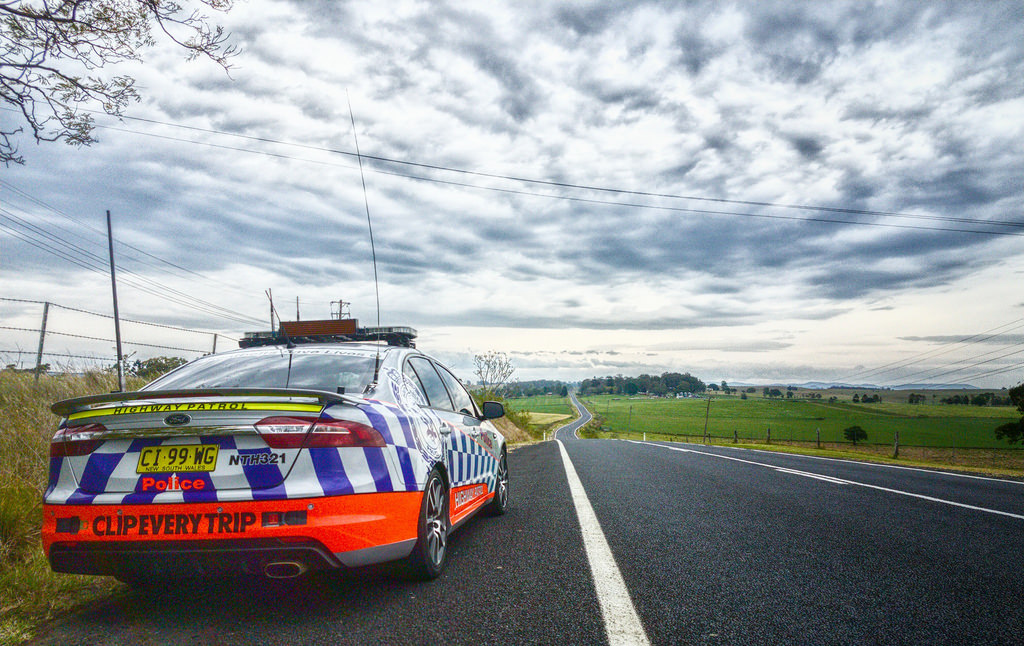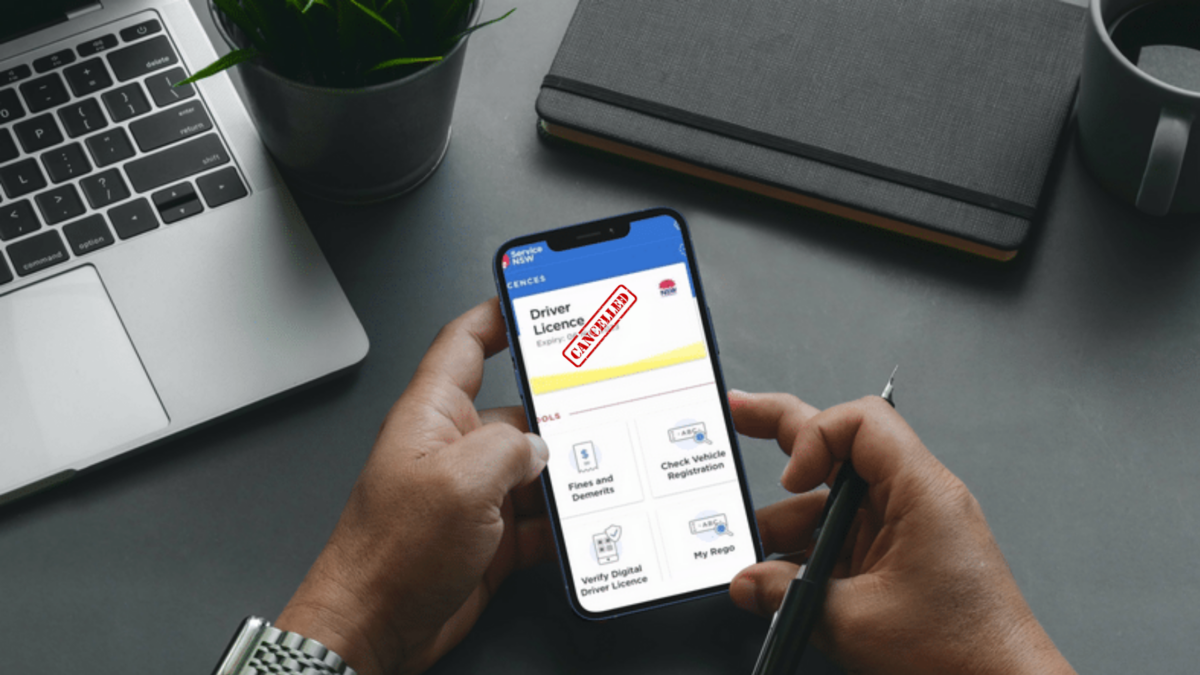

Understanding Your Rights During a Police Pursuit in NSW

Police pursuits are intense and high-stress situations that can have significant legal and personal consequences. Understanding your rights during a police pursuit in New South Wales (NSW) is crucial to navigating these scenarios effectively. This article delves into the rights you have if you find yourself involved in a police pursuit, the legal implications, and the best practices for handling such situations.

Rights During a Police Pursuit

Knowing your rights during a police pursuit can help protect you from potential abuses and ensure you handle the situation appropriately. Here are the key rights you should be aware of:

Right to Legal Representation

You have the right to legal representation if you are detained or arrested as part of a police pursuit. This right ensures that you can receive professional legal advice and support throughout the legal process.

Access to a Lawyer

If you are arrested, you can request access to a lawyer at any time. The police are required to inform you of your right to legal representation and provide you with the opportunity to contact a lawyer. It is advisable to exercise this right to ensure your legal interests are protected.

Legal Advice During Interrogations

During interrogations or interviews, you have the right to consult with your lawyer before answering any questions. This ensures that you do not inadvertently incriminate yourself and that you understand the implications of your statements.

Understanding Your Rights During a Police Pursuit in NSW

Right to Remain Silent

You have the right to remain silent when questioned by police. While you must provide your personal details, such as name and address, you are not obligated to answer any further questions that could potentially incriminate you.

Implications of Remaining Silent

Exercising your right to remain silent does not imply guilt and cannot be used against you in court. It is a protective measure that allows you to avoid self-incrimination and seek legal advice. https://www.sydneyfamilycriminaldefencelawyers.com.au/

When to Exercise Your Right

You should consider exercising your right to remain silent if you are unsure about the legal implications of your answers or if you feel pressured to provide information that may be used against you.

Right to Fair Treatment

You are entitled to fair and respectful treatment by police officers during a pursuit or arrest. This includes the right to be free from excessive force, harassment, or unlawful detention.

Excessive Force and Misconduct

If you believe that police officers have used excessive force or engaged in misconduct, you have the right to file a complaint with the relevant authorities. Documenting any incidents and seeking legal advice can help you address these issues effectively.

Unlawful Detention

If you believe that your detention was unlawful, you have the right to challenge it. This may involve filing a complaint or seeking legal recourse through the courts to ensure that your rights are upheld.

Legal Consequences of Evading Police Pursuit

Evading a police pursuit can lead to serious legal consequences. Understanding these consequences is essential to making informed decisions during a pursuit.

Charges for Fleeing Police

In NSW, fleeing from police can result in various charges, including:

Failure to Stop

Under Section 51B of the Crimes Act 1900, failing to stop for police when directed is an offense. Penalties can include fines, imprisonment, and a criminal record.

Dangerous Driving

If your attempt to evade police involves dangerous driving, you may face additional charges under the Road Transport Act 2013. These charges can lead to harsher penalties, including longer imprisonment terms and significant fines.

Impact on Driving Record and License

A conviction related to evading police can have severe implications for your driving record and license.

License Disqualification

Convictions for evading police can lead to the disqualification of your driver’s license for an extended period. This can impact your ability to drive legally and may require you to complete additional requirements before reinstatement.

Increased Insurance Costs

A criminal record and driving offenses related to police pursuits can result in increased insurance premiums or difficulty obtaining insurance coverage.

Best Practices During a Police Pursuit

If you find yourself involved in a police pursuit, following these best practices can help ensure your safety and protect your legal rights.

Comply with Police Instructions

The safest approach during a police pursuit is to comply with the instructions given by police officers. Pull over safely and follow their directions to avoid escalating the situation.

Safety First

Ensure that you pull over in a safe location, such as the side of the road or a designated stopping area. Avoid sudden movements or actions that could be perceived as threatening.

Documenting the Interaction

If possible, document the interaction with police officers by noting details such as the time, location, and the actions taken by both you and the officers. This information can be useful if you need to file a complaint or seek legal advice later.

Seek Legal Advice Promptly

If you are involved in a police pursuit or face charges related to evasion, seek legal advice as soon as possible. A lawyer can provide guidance on your rights, help you navigate the legal process, and work to achieve the best possible outcome.

Contacting a Lawyer

You can contact a lawyer immediately if you are arrested or detained. If you are not in custody, consider scheduling a consultation to discuss your situation and understand your legal options.

Preparing for Court

If charges are filed against you, work with your lawyer to prepare for court. This may involve gathering evidence, preparing statements, and understanding the potential outcomes of your case.

Conclusion

Understanding your rights during a police pursuit in NSW is essential for navigating these high-stress situations effectively. By knowing your rights, understanding the legal consequences of evading police, and following best practices, you can protect yourself legally and ensure that your interactions with law enforcement are handled appropriately. If you find yourself involved in a police pursuit, prioritizing safety, complying with police instructions, and seeking legal advice are crucial steps in managing the situation and safeguarding your rights.
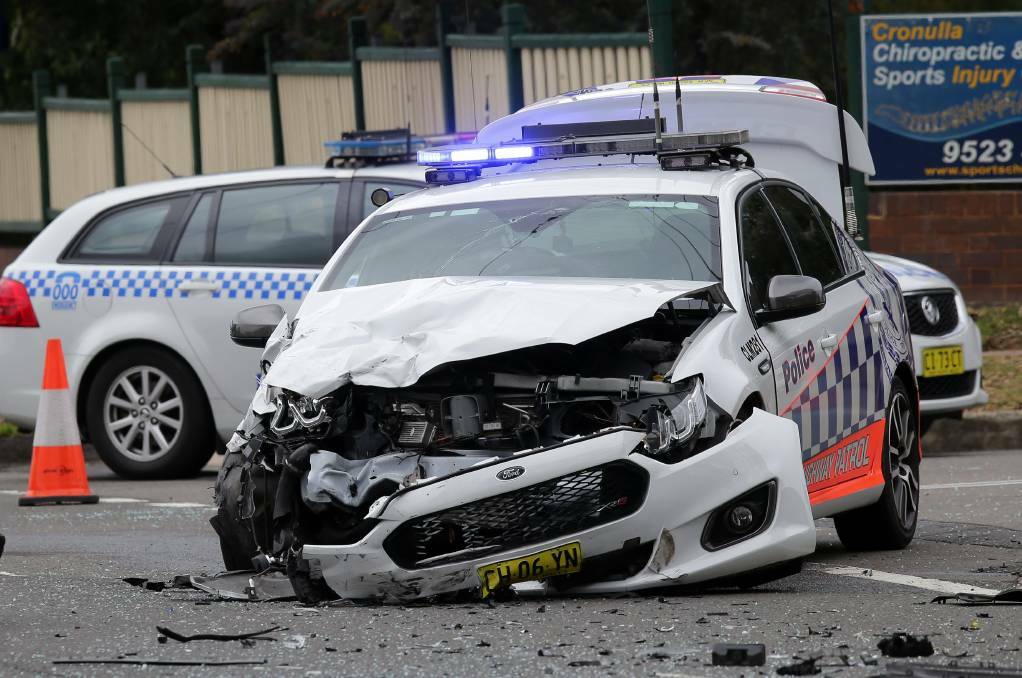
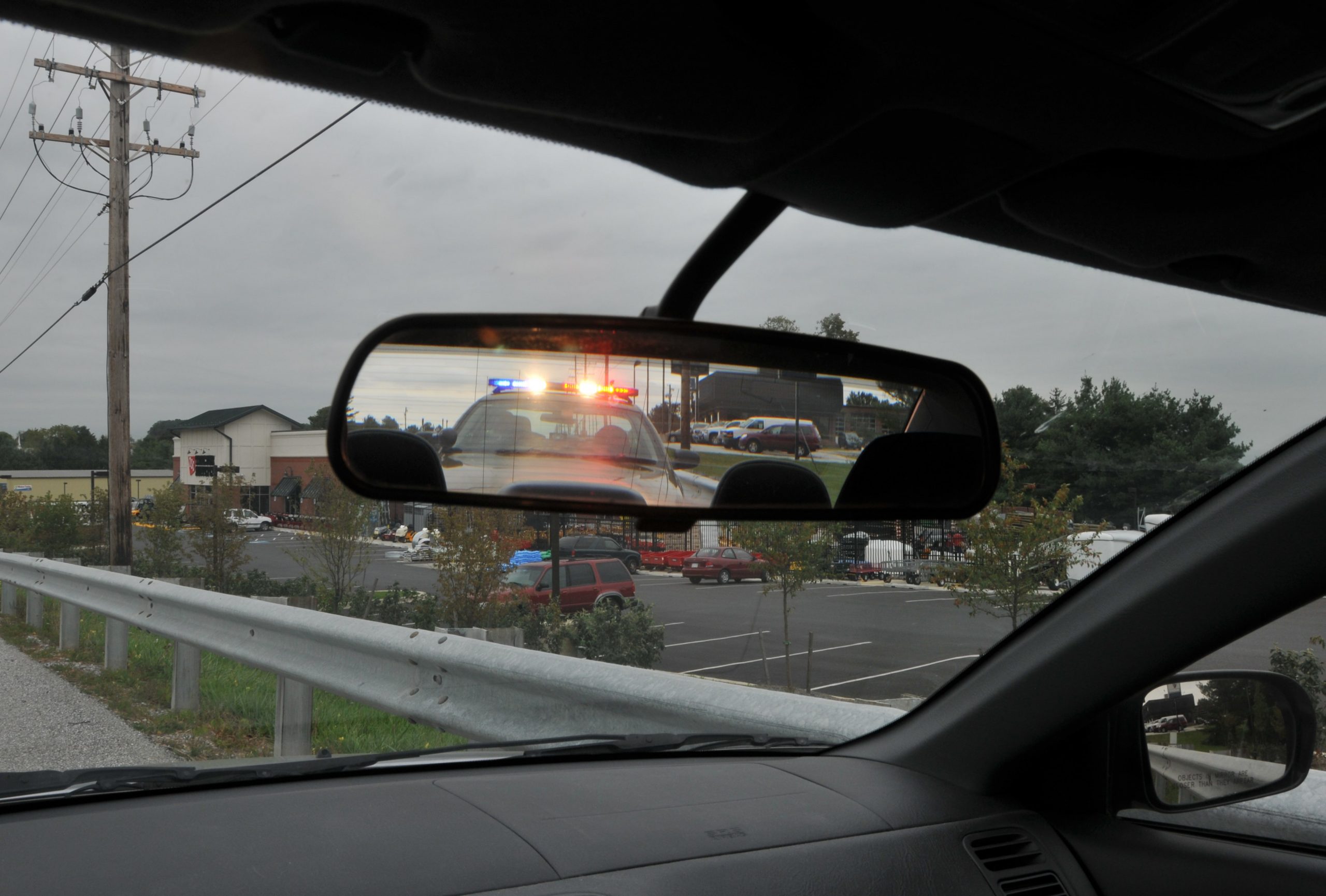
Key Changes in NSW Police Pursuit Laws

In recent years, New South Wales (NSW) has seen significant updates to its police pursuit laws. These changes aim to enhance public safety, protect officers, and provide clear guidelines for handling high-risk situations. This article explores the key changes in NSW police pursuit laws, highlighting the reasons behind these modifications, the new protocols in place, and the potential impacts on law enforcement and public safety.

Why Changes Were Necessary

The decision to revise police pursuit laws in NSW was driven by several factors, including the need to reduce the risks associated with high-speed chases, the increasing complexity of modern policing, and public demand for greater accountability and transparency.

Reducing Public and Officer Risk

High-speed pursuits pose significant dangers to both the public and police officers. These chases often occur in high-traffic areas, increasing the likelihood of accidents. The updated laws aim to mitigate these risks by establishing stricter protocols and criteria for initiating and continuing pursuits.

Technological Advancements

With advances in technology, law enforcement has access to more tools for tracking and apprehending suspects without resorting to dangerous pursuits. The law changes reflect a shift towards using technology, such as GPS tracking and surveillance, to apprehend suspects safely.

Accountability and Oversight

Public concern over the accountability of police actions has grown, leading to a push for clearer regulations and oversight. The updated laws include provisions for increased transparency in pursuit incidents and more robust review processes to ensure that pursuits are justified and conducted appropriately.

Key Changes in the Law

The revisions to NSW police pursuit laws include several key changes designed to improve safety and accountability. These changes cover the criteria for initiating pursuits, the protocols officers must follow, and the review mechanisms in place.

Stricter Criteria for Initiating Pursuits

Under the new laws, the criteria for initiating a police pursuit have become more stringent. Officers must now consider the severity of the suspected offense, the potential risk to public safety, and the likelihood of successfully apprehending the suspect without endangering others.

Seriousness of the Offense

Pursuits are generally limited to cases involving serious offenses, such as violent crimes or situations where the suspect poses an immediate threat to public safety. Minor traffic violations or non-violent crimes are typically not considered sufficient grounds for a pursuit.

Risk Assessment

Before initiating a pursuit, officers must conduct a risk assessment considering factors such as road conditions, traffic, weather, and the presence of pedestrians. This assessment helps determine whether the potential benefits of apprehending the suspect outweigh the risks involved.

Enhanced Pursuit Protocols

The updated laws provide clearer protocols for officers to follow during pursuits, ensuring that actions are consistent and justifiable.

Communication and Coordination

During a pursuit, communication between the pursuing officers and police headquarters is crucial. The new regulations require continuous updates on the situation, including the reasons for the pursuit, the route being taken, and any changes in circumstances. Commanding officers at headquarters have the authority to terminate the pursuit if the risks become too great.

Use of Technology

The new laws encourage the use of technology, such as dash cams, body cameras, and GPS tracking, to monitor pursuits and collect evidence. These tools help ensure that pursuits are conducted safely and transparently, providing valuable information for post-incident reviews.

Post-Pursuit Review and Accountability

One of the most significant changes in the updated laws is the emphasis on post-pursuit review and accountability.

Review Processes

All pursuits are subject to a formal review process to evaluate the actions taken and the decisions made. This review aims to determine whether the pursuit was conducted in accordance with the law and whether the risks were appropriately managed. The findings from these reviews can lead to policy changes, additional training for officers, or disciplinary action if necessary.

Transparency and Public Reporting

The new laws require more detailed public reporting of pursuit incidents. This includes data on the number of pursuits, the reasons for initiating them, and their outcomes. Increased transparency helps build public trust in law enforcement and ensures that police actions are subject to public scrutiny.

Impacts of the Changes

The changes to NSW police pursuit laws have had several important impacts, both within law enforcement and the broader community.

Improved Safety

The stricter criteria for initiating pursuits and enhanced protocols have led to a reduction in high-speed chases, thereby decreasing the risks to public safety. The emphasis on using technology has also contributed to safer methods of tracking and apprehending suspects.

Increased Accountability

The emphasis on post-pursuit reviews and public reporting has increased accountability within the police force. Officers are more aware of the need to justify their actions and decisions, leading to more cautious and considered approaches to pursuits.

Community Trust

By prioritizing public safety and increasing transparency, the changes have helped to rebuild trust between the police and the community. The public can be more confident that police pursuits are conducted responsibly and only when necessary.

Conclusion

The key changes in NSW police pursuit laws reflect a commitment to balancing effective law enforcement with the safety and rights of the public. By establishing stricter criteria for pursuits, enhancing protocols, and increasing accountability, these changes aim to reduce the risks associated with police chases and ensure that law enforcement actions are justified and transparent. As these laws continue to evolve, they provide a framework for safer, more responsible policing in NSW.

Legal Implications of Evading Police Pursuit in NSW

Evading a police pursuit is a serious offense with significant legal consequences in New South Wales (NSW). The act of fleeing from law enforcement can lead to various charges, each carrying severe penalties. Understanding these legal implications is crucial for all drivers, as the risks extend beyond immediate arrest to long-term impacts on one’s driving record, employment opportunities, and personal life. This article explores the legal consequences of evading a police pursuit in NSW, including relevant laws, potential charges, and the broader effects on individuals’ lives.

What Constitutes Evading a Police Pursuit?

Evading a police pursuit occurs when a driver fails to stop for law enforcement officers who are signaling them to pull over. This situation can escalate rapidly, involving high speeds and dangerous maneuvers, putting the driver, police, and public at risk.

Definition and Key Elements

The legal definition of evading a police pursuit in NSW involves several key elements:

Intent to Avoid Arrest: The driver must be aware that they are being pursued and make a deliberate attempt to avoid being stopped.
Failure to Stop: The driver continues to drive despite clear signals from police officers, such as sirens, lights, or verbal commands, to pull over.
Dangerous Driving: Often, evasion involves reckless or dangerous driving behaviors, which can exacerbate the legal charges.

Legal Implications of Evading Police Pursuit in NSW

Relevant Laws and Offenses

Several laws in NSW specifically address the offense of evading police pursuit. These laws impose harsh penalties to deter such dangerous behavior and ensure public safety.

Failing to Stop for Police

Under Section 51B of the Crimes Act 1900, it is an offense to fail to stop a vehicle when directed by a police officer. This offense can lead to severe consequences, especially if it results in harm or potential harm to others.

Dangerous and Reckless Driving

Drivers who evade police pursuits often engage in dangerous driving behaviors. Under the Road Transport Act 2013, dangerous driving includes speeding, running red lights, and other reckless actions that endanger public safety. Such behaviors can result in additional charges and increased penalties.

Aggravating Circumstances

If the act of evading police results in injury or death, or if it involves aggravating circumstances like high-speed chases or driving under the influence, the charges and penalties can be significantly heightened. The presence of these factors can elevate the offense to more serious criminal charges, such as manslaughter or causing grievous bodily harm.

Penalties for Evading Police Pursuit

The penalties for evading a police pursuit in NSW are designed to reflect the severity of the offense and its potential to cause harm.

Fines and Imprisonment

Offenders can face substantial fines, which vary depending on the specifics of the offense. In severe cases, imprisonment is a common consequence, with sentences ranging from months to several years. The exact duration depends on factors such as prior criminal history, the nature of the evasion, and any resulting harm.

License Disqualification

A conviction for evading police can lead to the disqualification of the offender’s driver’s license. This disqualification can be for an extended period, often several years, and is particularly likely if the offense involved dangerous driving. https://www.sydneyfamilycriminaldefencelawyers.com.au/

Criminal Record

Being convicted of evading police pursuit results in a criminal record, which can have long-term repercussions. A criminal record can affect employment opportunities, particularly in professions requiring a clean record, and can also impact travel opportunities, as some countries deny entry to individuals with criminal histories.

Broader Implications and Considerations

Beyond the immediate legal consequences, evading a police pursuit can have broader implications for an individual’s life.

Impact on Employment and Education

A criminal conviction can severely impact one’s ability to secure employment or pursue education. Many employers and educational institutions conduct background checks, and a criminal record can disqualify candidates from consideration.

Insurance and Financial Consequences

Drivers with a record of evading police are often classified as high-risk by insurance companies, leading to significantly higher premiums. In some cases, obtaining insurance can become difficult or impossible, further complicating daily life.

Mental and Social Impact

The stress of legal proceedings, potential imprisonment, and the stigma associated with a criminal record can have profound effects on an individual’s mental health and social relationships. The consequences extend beyond legal penalties, affecting personal well-being and social standing.

Conclusion

Evading a police pursuit in NSW carries serious legal consequences, including fines, imprisonment, license disqualification, and a lasting criminal record. The ramifications of such an offense extend beyond the courtroom, affecting various aspects of an individual’s life. It is crucial for all drivers to understand the severe penalties associated with evading police and to comply with law enforcement instructions. Public safety is paramount, and the laws are designed to deter reckless behaviors that put everyone at risk.

Understanding Police Pursuit Laws in NSW

In New South Wales (NSW), police pursuits are highly regulated to ensure the safety of the public, the officers involved, and the suspects. The rules and guidelines governing police pursuits are stringent, reflecting the seriousness of these high-stakes situations. In this article, we’ll explore the key aspects of police pursuit laws in NSW, including when a pursuit is justified, the protocols officers must follow, and the legal consequences for suspects involved in these pursuits. Understanding Police Pursuit Laws in NSW

What Are Police Pursuit Laws?

Police pursuit laws in NSW are designed to regulate the conditions under which police officers may engage in chasing a suspect vehicle. These laws are part of the broader legal framework that aims to balance law enforcement needs with public safety.

Definition of a Police Pursuit

A police pursuit is defined as an event where a police officer in a vehicle follows another vehicle to detain its occupants. This situation typically arises when the driver of the pursued vehicle is attempting to evade the police, often due to engaging in criminal activities, traffic offenses, or other illegal actions.

Understanding Police Pursuit Laws in NSW

When Is a Police Pursuit Justified?

Police pursuits are not taken lightly due to the inherent risks involved. In NSW, a pursuit is justified only under specific circumstances, which include:

Serious Offenses

Police pursuits are primarily justified when the occupants of the pursued vehicle are suspected of committing serious offenses. These offenses may include violent crimes, major traffic violations, or situations where the suspect poses a significant threat to public safety. https://www.sydneyfamilycriminaldefencelawyers.com.au/police-pursuit/

Public Safety Considerations

Officers must weigh the necessity of a pursuit against the potential danger to the public. A pursuit may be terminated if it is deemed too dangerous, especially in densely populated areas or when traffic conditions make it hazardous.

Protocols for Police Pursuits

NSW police officers must adhere to strict protocols during pursuits to minimize risks and ensure accountability.

Communication and Command

During a pursuit, communication with police headquarters is crucial. Officers must inform dispatch and other units of their actions, including the reasons for the pursuit, the vehicle’s description, and the direction of travel. Commanding officers may authorize the continuation or termination of the pursuit based on real-time assessments.

Use of Force and Roadblocks

The use of force during a pursuit is tightly controlled. Officers may use roadblocks or other methods to safely bring a pursuit to an end. However, the use of force must always be proportionate to the threat posed by the suspect and the circumstances of the situation.

Legal Consequences for Suspects

Individuals who attempt to evade police in NSW face severe legal repercussions. The penalties vary based on the nature of the offense and the outcome of the pursuit.

Charges and Penalties

Suspects involved in police pursuits can be charged with a range of offenses, including:

Failing to Stop for Police: This charge applies when a driver fails to pull over when signaled by police. The penalties can include fines, license disqualification, and imprisonment.
Dangerous Driving: If the suspect’s actions during the pursuit are deemed reckless, they may face charges of dangerous driving. Penalties can include longer imprisonment terms and harsher fines.
Additional Criminal Charges: If the pursuit was initiated due to other criminal activities, suspects may face additional charges related to those offenses.

Impact on Driving Record and Licensing

A conviction related to a police pursuit can have a long-lasting impact on a person’s driving record. It may result in the suspension or cancellation of their driver’s license, increased insurance premiums, and difficulty obtaining insurance in the future.

Police Training and Public Awareness

NSW police officers undergo extensive training to handle pursuit situations safely and effectively. The public is also educated on the importance of complying with police signals and the dangers of fleeing from law enforcement.

Training Programs for Officers

Officers receive specialized training in defensive driving, pursuit tactics, and decision-making under pressure. This training helps ensure that officers can safely conduct pursuits while minimizing risks to the public.

Public Education Campaigns

Public awareness campaigns are conducted to inform citizens about the consequences of evading police and the importance of obeying traffic laws. These campaigns aim to reduce the incidence of police pursuits by encouraging compliance with law enforcement.

Conclusion

Police pursuit laws in NSW are carefully crafted to balance the need for law enforcement with the safety of the community. Understanding these laws helps the public comprehend the serious nature of pursuits and the consequences of fleeing from police. It is crucial for drivers to comply with police instructions and understand the severe penalties associated with evading law enforcement.

By following these laws and protocols, NSW aims to ensure that police pursuits are conducted safely and effectively, with minimal risk to all parties involved.


The Process for Dealing with a Suspended License in NSW

Having your driver’s license suspended in New South Wales (NSW) can be a frustrating experience. However, understanding the process for dealing with a suspended license is essential to navigate the legal implications and work towards reinstatement. This article will provide an overview of the key steps involved, penalties you may face, and helpful tips for moving forward.

Understanding License Suspension in NSW

A license suspension occurs when your driving privileges are temporarily revoked due to various reasons, including traffic violations, failure to pay fines, or accumulating demerit points. In NSW, the Roads and Maritime Services (RMS) is responsible for managing these suspensions, and they follow strict guidelines for enforcement.

The Process for Dealing with a Suspended License in NSW

Common Reasons for Suspension

Some common reasons why drivers may find themselves with a suspended license include:

  • Accumulating too many demerit points
  • Driving under the influence of drugs or alcohol
  • Failing to pay court-ordered fines
  • Serious traffic offenses

Penalties for Driving with a Suspended License

Driving while your license is suspended is considered a serious offense in NSW. If caught, you may face significant penalties, including:

Fines and Infringements

The monetary penalties can be substantial, with fines typically ranging from several hundred to over a thousand dollars, depending on the specifics of the offense. Furthermore, you may incur additional costs related to legal fees or court appearances.

Further Suspension or Disqualification

In some cases, driving while suspended may lead to an extended suspension period or a complete disqualification from driving for a defined period. This can complicate your ability to regain driving privileges in the future.

Steps to Address a Suspended License

If you find yourself with a suspended license, it’s crucial to take proactive steps to resolve the situation. Here are the essential steps to follow:

1. Confirm the Suspension Details

The first step is to confirm the details of your suspension. You can check your driving record through the RMS website or by contacting them directly. This will help you understand the reasons for your suspension and the duration of the penalty.

2. Understand Your Rights

Familiarize yourself with your rights regarding the suspension. If you believe the suspension was issued in error or under unfair circumstances, you may have the option to contest it in court.

3. Seek Legal Advice

Consider consulting with a legal professional specializing in traffic law. They can provide guidance on the best course of action, help you understand your legal standing, and represent you if you decide to contest the suspension.

4. Complete Required Obligations

If your license was suspended due to unpaid fines or demerit points, ensure that you complete any required obligations. This may include paying fines, attending traffic offender programs, or fulfilling community service requirements.

Reinstating Your License

Once the suspension period has ended and all obligations have been fulfilled, you can begin the process of reinstating your license.

1. Gather Necessary Documents

Before applying for reinstatement, gather all necessary documentation, including proof of payment for any outstanding fines and evidence of completion of any required courses or programs.

2. Apply for Reinstatement

To reinstate your license, submit your application to the RMS. This can typically be done online, by mail, or in person. Be prepared to pay any applicable fees associated with the reinstatement process.

3. Await Confirmation

Once you have submitted your application, wait for confirmation from the RMS regarding the status of your reinstatement. They may contact you for additional information or to schedule a hearing if necessary.

Conclusion

Dealing with a suspended license in NSW can be challenging, but understanding the process and taking the necessary steps can make the experience more manageable. By confirming the suspension details, seeking legal advice, and completing all required obligations, you can work towards regaining your driving privileges. Always remember to adhere to traffic laws to avoid future suspensions and penalties.

For further assistance or guidance, consider consulting with a legal professional or contacting the RMS directly for more information on your specific situation.


Challenges of Driving with a Suspended License in NSW

Driving with a suspended license in New South Wales (NSW) presents significant legal and practical challenges. This article examines the implications of this offence, the risks involved, and the potential consequences for those who choose to drive despite suspension.

Understanding License Suspension in NSW

Reasons for License Suspension

In NSW, a driver’s license may be suspended for several reasons, including:

– **Accumulation of Demerit Points**: Exceeding the limit of demerit points due to traffic violations.
– **Serious Offences**: Committing serious traffic offences such as drink driving, drug driving, or reckless driving.
– **Unpaid Fines**: Accumulating unpaid traffic fines can result in automatic suspension.
– **Medical Conditions**: Certain medical conditions that impair driving ability may lead to suspension.
– **Court Orders**: Specific legal rulings can also impose driving bans.

Understanding the reason for your suspension is crucial as it directly impacts your legal standing and options for reinstatement.

Legal Consequences of Driving While Suspended

Driving with a suspended license is considered a criminal offence in NSW. The potential legal consequences include:

– **Fines**: You may face fines of up to $3,300.
– **Imprisonment**: First-time offenders can be imprisoned for up to six months, while repeat offenders may face up to 12 months.
– **Extended Suspension**: Further driving violations can lead to additional suspension periods, complicating the process of regaining your license.

Challenges of Driving with a Suspended License in NSW

Practical Challenges of Driving with a Suspended License

Increased Risk of Being Caught

Driving with a suspended license poses the obvious risk of being pulled over by law enforcement. Random license checks and routine traffic stops can easily lead to detection. Being caught can result in significant legal repercussions, including fines and imprisonment.

Impact on Employment and Daily Life

For many individuals, losing the ability to drive can severely impact their daily lives and employment. Commutes to work, school, or essential appointments may become difficult or impossible, leading to potential job loss or missed opportunities. Public transportation may not always be a viable alternative, especially in rural areas with limited services.

Insurance Implications

Driving with a suspended license can have long-term implications for your auto insurance. If you are caught driving without a valid license, insurers may classify you as a high-risk driver, leading to higher premiums or even denial of coverage. Moreover, if you are involved in an accident while driving on a suspended license, your insurance may refuse to cover the damages, leaving you financially liable.

Psychological and Social Consequences

Emotional Stress and Anxiety

The fear of being caught driving with a suspended license can create significant emotional stress and anxiety. The worry about potential legal repercussions, combined with the challenges of daily life without a license, can negatively impact mental health.

Social Stigma

Driving while suspended can carry a social stigma. Friends, family, and colleagues may view the act as irresponsible, leading to strained relationships and potential isolation. A suspended license can also impact your ability to participate in social activities that require transportation.

Legal Alternatives and Solutions

Seeking Legal Advice

If you find yourself in a situation where you have driven with a suspended license, it is advisable to seek legal counsel. A qualified traffic lawyer can provide valuable insights into your case, help you understand the potential consequences, and explore options for mitigating penalties.

Consider Alternative Transportation Options

Instead of risking the penalties associated with driving while suspended, consider alternative transportation options. Public transport, carpooling, rideshare services, or biking can serve as practical solutions while you work on reinstating your license.

Reinstating Your License

Understanding the Reinstatement Process

If your license has been suspended, it is essential to understand the process for reinstatement. This typically involves:

– Completing the suspension period.
– Paying any outstanding fines.
– Fulfilling additional requirements, such as attending a driver education course or obtaining medical clearance if applicable.

Consulting the Transport for NSW (TfNSW) website or a legal professional can help you navigate the reinstatement process effectively.

Preventing Future Suspensions

To avoid future license suspensions, stay informed about traffic laws and regulations. Regularly monitor your demerit points and address any fines promptly. If you believe a penalty is unjust, consider appealing within the designated timeframe.

Conclusion

Driving with a suspended license in NSW is fraught with legal, practical, and social challenges. The potential for severe penalties, coupled with the impact on your daily life and mental well-being, makes it essential to avoid this risky behaviour. If you find yourself in a suspended situation, seek legal advice and explore your options for reinstatement. By remaining informed and compliant with traffic laws, you can protect your driving privileges and maintain your quality of life.

Driving While Suspended in NSW: What You Need to Know

Driving while suspended in New South Wales (NSW) is a serious offence that can lead to severe legal consequences. This article explores the implications, penalties, and options available for individuals caught in this situation.

Understanding License Suspension in NSW

Reasons for License Suspension

A driving license can be suspended for various reasons in NSW, including:

– Accumulation of demerit points: Exceeding the threshold of demerit points can lead to automatic suspension.
– Serious traffic offences: Offences like drink driving, reckless driving, or driving under the influence of drugs.
– Unpaid fines: Failing to pay certain fines can result in license suspension.
– Medical conditions: Health issues that affect driving capability can also lead to suspension.
– Court orders: Certain legal judgments may impose a driving ban.

Understanding the specific reason for your suspension is crucial, as it impacts your legal standing and the possibility of appeal.

Notification of Suspension

When your license is suspended, Transport for NSW (TfNSW) will send you a notification outlining the reason, duration, and effective date of the suspension. It’s essential to comply with this notice to avoid further legal complications.

Driving While Suspended in NSW

Legal Penalties for Driving While Suspended

Fines and Imprisonment

Driving with a suspended license is considered a criminal offence in NSW. If caught, you may face:

– A fine of up to $3,300.
– Imprisonment for up to six months for a first offence.
– Imprisonment for up to 12 months for repeat offences.

The penalties are more severe for repeated violations, reflecting the seriousness with which the law treats this offence.

Impact on Future Driving Privileges

Being convicted of driving while suspended can lead to additional suspension periods. The court may impose longer suspensions for future driving-related offences, making it even more challenging to regain your driving rights. https://www.sydneyfamilycriminaldefencelawyers.com.au/driving-whilst-disqualified-suspended/

Legal Defences and Options

Possible Legal Defences

If you are charged with driving while suspended, it is important to explore potential defences. Some valid defences may include:

– Lack of proper notification regarding the suspension.
– Errors in the suspension process or documentation.
– Medical exemptions that justify your need to drive.

Consulting with a traffic lawyer can help you assess the strength of your case and prepare an effective defence strategy.

Seeking Legal Representation

Engaging a qualified traffic lawyer is crucial if you face charges for driving while suspended. A lawyer can provide invaluable assistance in understanding the legal process, representing you in court, and working to achieve the best possible outcome.

Reinstating Your License

Meeting Conditions for Reinstatement

After serving your suspension period, you may need to meet specific conditions to reinstate your driving privileges. These conditions can include:

– Paying any outstanding fines.
– Completing a driver education or awareness course.
– Providing medical clearance if your suspension was health-related.

It’s essential to check with TfNSW for specific requirements related to your situation.

Importance of Compliance

Complying with all terms of your suspension is vital. Attempting to drive during the suspension can lead to further legal issues, complicating the reinstatement process and potentially resulting in additional penalties.

Preventing Future Suspensions

Stay Informed About Traffic Laws

One effective way to avoid license suspension is by staying informed about traffic regulations in NSW. Regularly monitoring your demerit points and adhering to road safety rules can help maintain your driving privileges.

Challenging Unjust Penalties

If you believe you have been unfairly penalized, you have the right to appeal. The appeal process typically involves submitting a written request to the appropriate authority, detailing why the penalty is unjust. Timeliness is critical, as there are strict deadlines for lodging appeals.

Conclusion

Driving while suspended in NSW carries significant consequences that can impact your life for years to come. Understanding the reasons for suspension, the legal penalties, and your rights is crucial if you find yourself in this situation. Seeking legal advice and representation can help navigate the complexities of the legal system and work towards the best possible outcome.

By remaining informed about traffic laws and regulations, you can minimize the risk of suspension and protect your driving rights. If you face charges for driving while suspended, don’t hesitate to consult a traffic lawyer to explore your options and mitigate the impact on your future.

Consequences of Driving While Suspended in NSW

Driving while your license is suspended in New South Wales (NSW) can lead to severe legal ramifications. This article outlines the potential consequences, the legal framework surrounding the offence, and the options available to those who find themselves in this situation.

Understanding License Suspension in NSW

What Causes License Suspension?

A driving license can be suspended for various reasons in NSW, including:

– Accumulation of demerit points
– Serious traffic violations, such as drink driving or reckless driving
– Unpaid fines
– Medical conditions affecting driving ability
– Court orders

Each cause has its legal implications, and it’s essential to comprehend the specific reason behind your suspension.

Notification of Suspension

When your license is suspended, you will receive a formal notification from Transport for NSW (TfNSW). This notification outlines the grounds for the suspension, the duration, and the effective date. It’s critical to adhere to the terms outlined in this notice to avoid further penalties.

Legal Penalties for Driving While Suspended

Fines and Imprisonment

Driving while suspended is treated as a criminal offence in NSW. If caught, you could face:

– A fine of up to $3,300
– Imprisonment for up to six months for a first offence
– Imprisonment for up to 12 months for repeat offences

The penalties escalate with repeated violations, reflecting the seriousness of the offence.

Increased Suspension Period

In addition to fines and potential jail time, driving while suspended can result in an extended suspension of your license. The court may impose additional suspension periods, making it even harder to regain driving privileges.

Consequences of Driving While Suspended in NSW

Impact on Your Criminal Record

Long-Term Consequences

A conviction for driving while suspended will appear on your criminal record, which can have lasting repercussions. This may affect employment opportunities, particularly in jobs requiring driving, and could complicate international travel plans.

Implications for Future Offences

Having a driving while suspended conviction can lead to harsher penalties for any future traffic violations. Courts may view repeat offenders more critically, resulting in increased fines, longer suspension periods, or imprisonment.

Defences Against Driving While Suspended Charges

Possible Legal Defences

If charged with driving while suspended, it may be possible to challenge the charges based on various legal grounds, including:

– Lack of proper notification of suspension
– Errors in the suspension process
– Medical exemptions

Consulting with a traffic lawyer can provide clarity on your situation and help build a robust defence.

Seeking Legal Advice

Engaging a qualified traffic lawyer is essential if facing charges for driving while suspended. They can guide you through the legal process, advocate on your behalf in court, and work to achieve the best possible outcome.

Reinstating Your License

Meeting Requirements

Once your suspension period has expired, you must fulfill specific requirements to reinstate your license. These may include:

– Paying any outstanding fines
– Completing a driver education course
– Providing medical documentation if applicable

It is crucial to check with TfNSW for any specific steps you must take to regain your driving privileges.

Importance of Compliance

Complying with suspension terms is essential to avoid additional legal troubles. Attempting to drive during the suspension can result in further legal penalties, complicating the reinstatement process.

Preventing License Suspension

Understanding Traffic Laws

One of the most effective ways to avoid license suspension is by staying informed about traffic laws and regulations in NSW. Regularly monitoring your demerit points, promptly paying fines, and adhering to safe driving practices can help protect your driving rights.

Challenging Fines and Penalties

If you believe a fine or penalty has been unjustly issued, you have the right to appeal. The appeal process generally requires submitting a written application to the relevant authority, detailing why the penalty is unjust. Acting promptly is critical, as there are often strict time limits for lodging an appeal.

Conclusion

The consequences of driving while suspended in NSW are significant and can have lasting implications on your life. Understanding the reasons for suspension, the associated legal penalties, and your rights is vital for anyone facing this situation. If you find yourself charged with driving while suspended, seeking legal representation can help navigate the complexities of the legal system and work towards the best possible outcome.

By remaining informed and compliant with traffic regulations, you can avoid the risks associated with license suspension and maintain your driving privileges.


How to Reinstate Your License After Suspension in NSW

Getting your driver’s license suspended in New South Wales (NSW) can be a stressful experience. However, understanding the process to reinstate it can help you get back on the road legally. This guide will walk you through the steps necessary to reinstate your license after a suspension in NSW.

Understanding the Reason for Suspension

Types of Suspensions

Before you can reinstate your license, it’s crucial to understand why it was suspended. The Roads and Maritime Services (RMS) in NSW can suspend your license for various reasons, including:

  • Accumulating too many demerit points
  • Driving under the influence of alcohol or drugs
  • Serious traffic offenses
  • Unpaid fines

Check the Suspension Notice

When your license is suspended, you will receive a suspension notice. This notice will detail the reason for the suspension and the duration. It’s essential to keep this notice as it will provide information on when you can begin the reinstatement process.

Serving the Suspension Period

Mandatory Suspension Period

In most cases, you must serve the entire suspension period before you can apply for reinstatement. The length of the suspension period varies depending on the offense. For example, a suspension due to demerit points might last for three months, while a suspension for a serious offense could be longer.

Appealing the Suspension

In certain circumstances, you may be able to appeal the suspension. To appeal, you must lodge an application with the local court. Keep in mind that there are strict time limits for lodging an appeal, so act quickly if you believe there are grounds for your appeal.

How to Reinstate Your License After Suspension in NSW

Preparing for Reinstatement

Paying Outstanding Fines

Before your license can be reinstated, ensure all fines and penalties are paid. Unpaid fines can prevent the reinstatement of your license. You can check and pay fines online through the Service NSW website. https://www.sydneyfamilycriminaldefencelawyers.com.au/

Completing Required Courses

Depending on the reason for your suspension, you may be required to complete specific courses. For instance, if your license was suspended due to a DUI offense, you might need to complete a Traffic Offender Intervention Program. Check the requirements on your suspension notice.

Gathering Documentation

Prepare the necessary documentation before you apply for reinstatement. This typically includes:

  • Proof of identity (e.g., passport, birth certificate)
  • Proof of address (e.g., utility bill, lease agreement)
  • Suspension notice
  • Receipt of paid fines

Applying for Reinstatement

Online Application

The easiest way to apply for license reinstatement is online through the Service NSW website. Log in to your account, navigate to the ‘Reinstate License’ section, and follow the prompts to submit your application.

In-Person Application

If you prefer, you can apply for reinstatement in person at a Service NSW center. Bring all the necessary documentation and be prepared to fill out the required forms. An appointment may be needed, so check ahead of time.

Reinstatement Fees

There are fees associated with reinstating your license. These fees vary based on the type of suspension and how long your license has been suspended. Ensure you have the means to pay these fees when you apply.

After Reinstatement

Receiving Your License

Once your application is approved, you will receive a new driver’s license. This may be sent to you by mail or you may need to collect it in person from a Service NSW center.

Understanding Conditions and Restrictions

After reinstatement, your license may come with certain conditions or restrictions. For example, you might be placed on a good behavior period or be required to install an alcohol interlock device in your vehicle. Ensure you understand and comply with these conditions to avoid further penalties.

Preventing Future Suspensions

Maintaining a Clean Driving Record

To avoid future suspensions, it’s important to maintain a clean driving record. This includes obeying traffic laws, paying fines on time, and avoiding risky behaviors such as speeding or driving under the influence.

Enrolling in Defensive Driving Courses

Consider enrolling in a defensive driving course to improve your driving skills and knowledge. These courses can help you become a safer driver and may also provide benefits such as reduced insurance premiums.

Staying Informed

Stay informed about changes to traffic laws and regulations in NSW. Regularly check the RMS and Service NSW websites for updates that could affect your driving privileges.

Conclusion

Reinstating your driver’s license after a suspension in NSW requires careful attention to detail and adherence to specific steps. By understanding the reason for your suspension, serving the mandatory period, and following the correct procedures for reinstatement, you can get back on the road legally and safely. Always strive to be a responsible driver to prevent future suspensions and ensure your continued ability to drive.


Caught Driving While Suspended in NSW: What You Need to Know

Driving while suspended in New South Wales (NSW) is a serious offence that can have significant legal consequences. Understanding the laws, penalties, and your rights is crucial if you find yourself in this situation. This article will guide you through the key aspects of driving with a suspended license in NSW, helping you navigate the legal landscape effectively.

Understanding License Suspension in NSW

Reasons for License Suspension

There are several reasons why your driving license might be suspended in NSW. These include:

– Accumulation of demerit points
– Serious traffic offences such as drink driving
– Unpaid fines
– Medical reasons
– Court-ordered suspensions

Each of these reasons has specific legal implications, and it’s important to understand why your license has been suspended to address the issue appropriately.

Notification of Suspension

When your license is suspended, you will receive a notification from Transport for NSW (TfNSW). This notification will outline the reason for your suspension, the duration of the suspension, and the effective date. It is crucial to read this notice carefully and comply with the suspension period to avoid further legal complications.

Penalties for Driving While Suspended

Legal Consequences

Driving while your license is suspended is considered a serious offence in NSW. If you are caught driving with a suspended license, you may face the following penalties:

– A fine of up to $3,300
– Imprisonment for up to six months for a first offence
– Imprisonment for up to 12 months for subsequent offences
– Additional suspension periods
– A criminal record

The severity of the penalties depends on the circumstances of your offence and whether you have any prior convictions for similar offences.

Impact on Your Criminal Record

A conviction for driving while suspended will appear on your criminal record, which can have long-term consequences for your employment prospects, travel opportunities, and more. It is essential to seek legal advice if you are charged with this offence to explore your options for minimizing the impact on your record.

Caught Driving While Suspended in NSW

Defences and Legal Options

Challenging the Suspension

In some cases, you may have grounds to challenge the suspension of your license. This could be due to administrative errors, medical conditions, or other extenuating circumstances. Consulting with a traffic lawyer can help you determine if you have a valid defence and assist you in navigating the legal process.

Seeking Legal Representation

If you are charged with driving while suspended, it is highly advisable to seek legal representation. A qualified traffic lawyer can provide valuable advice on your case, represent you in court, and work to achieve the best possible outcome. They can also help you understand the legal proceedings and prepare a strong defence.

Preventing License Suspension

Staying Informed

One of the best ways to avoid license suspension is to stay informed about the traffic laws and regulations in NSW. Regularly checking your demerit points, paying fines promptly, and adhering to road safety rules can help you maintain your driving privileges.

Appealing Fines and Penalties

If you believe a fine or penalty has been issued unfairly, you have the right to appeal. The appeal process typically involves submitting a written application to the relevant authority, explaining why you believe the penalty is unjust. It is important to act quickly, as there are often strict time limits for lodging an appeal. https://www.sydneyfamilycriminaldefencelawyers.com.au/driving-whilst-disqualified-suspended/

Reinstating Your License

Completing the Suspension Period

To have your license reinstated, you must complete the full suspension period as specified by TfNSW. Driving before the suspension period is over can result in additional penalties and further complicate your situation.

Meeting Reinstatement Requirements

Once your suspension period is over, you may need to meet certain requirements before your license is reinstated. These requirements can include:

– Paying any outstanding fines
– Completing a driver education course
– Providing medical clearance if the suspension was for medical reasons

Make sure to check with TfNSW for any specific requirements related to your suspension.

Conclusion

Driving while suspended in NSW is a serious offence with significant legal consequences. Understanding the reasons for suspension, the penalties involved, and your legal options can help you navigate this challenging situation. If you find yourself facing charges, seeking legal representation is crucial to achieving the best possible outcome. By staying informed and adhering to road safety regulations, you can prevent license suspension and maintain your driving privileges.

Remember, it is always better to comply with a suspension notice and address the underlying issues rather than risk further legal complications by driving while suspended.

5.0
Based on 7 reviews
powered by Google
Halil Boz
09:48 09 May 23
After months of stress and anxiety, I was finally recommended to Rabia to sort some of my legal issues out. Rabia guided me throughout the whole process and got me an amazing outcome through the courts. Her proffesionilism and desire to get the best outcome for me took the worlds pressure off my shoulders. I didn't know how to return this favour so writing this review was the least I could do for not only a wonderful lawyer but an amazing human being. Please don't hesitate in reaching out to Rabia. It was the best decision I ever made. Thank You Rabia!!
Metin Salih
09:10 09 May 23
I would just like the share my experience with Rabia from Sydney Family and Criminal Defence Team. She worked very hard on my case and i ended up receiving a result I really was not expecting . She worked above and beyond my expectations and I couldn't recommend her highly enough. Thanks again Rabia for all the effort and long hours you put in to achieve what we did!
hulia boz
08:45 09 May 23
Professional and very very knowledgeable!
Wish I found them years ago.
Don’t settle for anything but the best!!
Shadia Ashrafi
07:58 09 May 23
Eda Boz
07:10 09 May 23