
Understanding Sexual Touching Laws in New South Wales (NSW)

The Importance of Respecting Boundaries

In New South Wales (NSW), like in many other jurisdictions, the law is clear when it comes to sexual touching—it must be consensual. Understanding the legal framework surrounding sexual touching is crucial to ensuring respectful and lawful behavior in intimate settings. Legal Insights into Sexual Touching in NSW

Defining Sexual Touching

Sexual touching refers to any physical contact of a sexual nature without the consent of all parties involved. This includes touching of intimate body parts such as breasts, genitals, or buttocks, as well as any other contact that may be construed as sexual in nature.

Consent is Key

Consent is the cornerstone of lawful sexual activity. In NSW, consent must be voluntary, active, and ongoing. It cannot be obtained through force, coercion, or deception. Furthermore, consent can be revoked at any time, and a lack of resistance does not imply consent.

 Legal Insights into Sexual Touching in NSW
Legal Insights into Sexual Touching in NSW

Legal Framework in NSW

In NSW, sexual touching offenses are governed by the Crimes Act 1900. Section 61HA of the Act defines the offense of “Sexual Touching Without Consent.” This offense carries serious penalties, including imprisonment, and is treated with utmost seriousness by the legal system.

Penalties for Sexual Touching Without Consent

The penalties for sexual touching without consent vary depending on the circumstances of the offense. In cases where the victim is under the age of consent (16 years old in NSW), the penalties are particularly severe and may include lengthy imprisonment.

Defenses to Sexual Touching Charges

It’s important to note that there are limited defenses available to those accused of sexual touching offenses. Claiming ignorance of the victim’s lack of consent or mistaken belief in consent is not a valid defense. Only genuine mistakes, such as reasonable belief in the victim’s consent based on all available information, may be considered by the court.

Respecting Boundaries in Practice

Respecting boundaries is not only a legal requirement but also a moral imperative. Individuals should always seek explicit consent before engaging in any form of sexual touching. This includes respecting verbal cues, body language, and any indications of discomfort from the other party.

Communicating Consent

Effective communication is key to ensuring that all parties involved are comfortable and consenting to sexual activity. This may involve discussing boundaries, desires, and expectations openly and honestly before engaging in any physical intimacy.

Understanding Power Dynamics

It’s crucial to recognize and address power imbalances that may exist in intimate relationships or encounters. This includes situations where one party holds authority or influence over the other, as consent given under duress or coercion is not valid.

Conclusion

Respecting boundaries and obtaining consent are fundamental principles that underpin lawful and ethical sexual behavior in NSW. Understanding the legal framework surrounding sexual touching is essential for promoting a culture of respect, safety, and accountability. By prioritizing consent and respecting the autonomy of others, we can create healthier and more respectful relationships and communities.

By adhering to these principles, individuals can not only avoid legal repercussions but also contribute to a society where all individuals are free from sexual harassment, assault, and exploitation. Let’s strive to create a culture where consent is valued, boundaries are respected, and everyone can engage in intimate relationships free from fear or harm.

Understanding Sexual Touching Laws in NSW: Clarity and Consent

Introduction

In recent years, there has been a growing emphasis on clarity and consent in all aspects of human interaction, particularly in the realm of sexual activity. In New South Wales (NSW), Australia, laws governing sexual touching are designed to ensure that all parties involved understand their rights and responsibilities, and that consent is given freely and enthusiastically. This article aims to provide an overview of these laws, emphasizing the importance of clarity and consent in sexual encounters. Clarity and Consent: NSW Laws Governing Sexual Touching

The Legal Framework

Definition of Sexual Touching

In NSW, sexual touching is broadly defined as any intentional touching of another person’s body in a sexual manner without their consent. This includes touching of intimate body parts such as the genitals, breasts, or buttocks, as well as any other part of the body if it is done for sexual gratification or arousal.

Consent

Consent is a fundamental aspect of any sexual interaction in NSW. According to the law, consent must be freely and voluntarily given by all parties involved. This means that consent cannot be obtained through coercion, manipulation, or intimidation, and it must be given enthusiastically and with full understanding of the nature of the act.

Capacity to Consent

In order for consent to be valid, the person giving it must have the capacity to do so. This means that they must be of legal age (which is 16 in NSW), mentally competent, and not under the influence of drugs or alcohol to the point where they are unable to make informed decisions.

Clarity in Communication

Communication of Consent

Clarity in communication is essential for ensuring that all parties involved understand each other’s boundaries and desires. Consent should be communicated explicitly and verbally, rather than assumed based on non-verbal cues or past behavior. It is important to ask for consent before engaging in any sexual activity, and to respect the other person’s response, whether it is a yes, no, or maybe.

Revoking Consent

It is also important to recognize that consent can be revoked at any time. If at any point during a sexual encounter, one party expresses discomfort or withdraws their consent, the other party must immediately stop the activity. Failure to do so can constitute sexual assault under NSW law.

Legal Consequences

Sexual Assault

Clarity and Consent: NSW Laws Governing Sexual Touching

Engaging in sexual touching without consent is a serious offense under NSW law and can result in criminal charges of sexual assault. The penalties for sexual assault vary depending on the severity of the offense, but can include imprisonment and/or fines. It is important to understand that ignorance of the law is not a valid defense, and consent obtained through deception or fraud is not considered valid.

Impact on Victims

The impact of sexual assault can be profound and long-lasting, resulting in physical, emotional, and psychological harm to the victim. It is essential for survivors to seek support from friends, family, and professional services, and to know that they are not alone. Reporting sexual assault to the police can be a difficult decision, but it is an important step towards seeking justice and holding perpetrators accountable for their actions.

Conclusion

In conclusion, clarity and consent are paramount in all sexual interactions in NSW. Understanding the laws governing sexual touching, communicating openly and honestly with partners, and respecting each other’s boundaries are essential for promoting healthy and consensual relationships. By prioritizing clarity and consent, we can create a culture of respect and mutual understanding where all individuals feel safe and empowered to express their sexuality freely. For sexual touching laws in nsw see here.

NSW Laws Governing Sexual Touching

Understanding Sexual Boundaries in New South Wales (NSW)

In New South Wales (NSW), as in any other jurisdiction, the law defines and regulates sexual boundaries to ensure consent, respect, and safety. Understanding these boundaries is crucial for individuals, professionals, and the broader community to navigate relationships and interactions appropriately. This article explores the legal perspectives on sexual touching in NSW, shedding light on what constitutes acceptable behavior and what crosses the line into unlawful conduct.

The Legal Framework

In NSW, the legal framework governing sexual touching is primarily outlined in the Crimes Act 1900. Section 61HA of the Act defines sexual touching as any touching of a person’s body (whether directly or through clothing) for sexual arousal or sexual gratification, without the person’s consent. This provision encompasses a wide range of behaviors, from unwanted groping to more overtly sexual acts.

Consent

Central to the understanding of sexual boundaries is the concept of consent. Consent must be voluntary, informed, and enthusiastic. It cannot be coerced or obtained through deception. In NSW, the law recognizes that consent cannot be given if a person is asleep, unconscious, intoxicated, or otherwise incapacitated. Moreover, a lack of verbal or physical resistance does not imply consent. Individuals must actively and affirmatively express their willingness to engage in sexual activity.

Legal Perspectives on Sexual Touching in NSW

Age of Consent

Another critical aspect of sexual boundaries is the age of consent. In NSW, the age of consent is 16 years old. This means that individuals under the age of 16 cannot legally consent to sexual activity, regardless of their willingness or perceived maturity. Engaging in sexual touching with a person under the age of consent is a criminal offense, regardless of whether the perpetrator is aware of the person’s age.

Defining Sexual Touching

The definition of sexual touching in NSW is broad and inclusive. It encompasses not only direct skin-to-skin contact but also touching through clothing if the intention is for sexual arousal or gratification. This definition acknowledges the diverse ways in which individuals may experience and express their sexuality, ensuring that the law remains relevant and effective in addressing evolving social norms and behaviors.

Legal Consequences

Sexual touching without consent is a serious offense under NSW law and can result in criminal charges. Depending on the circumstances, perpetrators may face charges ranging from indecent assault to sexual assault. These offenses carry significant penalties, including imprisonment, fines, and registration as a sex offender. Moreover, convictions for sexual offenses can have lasting repercussions on a person’s personal and professional life.

Reporting and Seeking Help

Victims of sexual touching are encouraged to report the incident to the police and seek support from relevant services, such as sexual assault counseling centers and victim support organizations. Reporting the offense can lead to a criminal investigation and prosecution, holding the perpetrator accountable for their actions. Additionally, seeking help can facilitate the healing process for victims and provide them with access to resources and assistance.

Educational Initiatives

To prevent sexual touching and promote healthy relationships, educational initiatives play a crucial role. Schools, community organizations, and government agencies should provide comprehensive sex education programs that cover topics such as consent, boundaries, and respectful behavior. By equipping individuals with the knowledge and skills to navigate interpersonal relationships safely and respectfully, these initiatives contribute to creating a culture of consent and mutual respect. https://www.sydneyfamilycriminaldefencelawyers.com.au/

Conclusion

Understanding sexual boundaries is essential for fostering healthy, respectful relationships and preventing sexual misconduct. In NSW, the law provides clear guidelines on what constitutes acceptable behavior and what crosses the line into unlawful conduct. By respecting the principles of consent, understanding the age of consent, and recognizing the broad definition of sexual touching, individuals can contribute to creating a safer and more inclusive community for all. It is incumbent upon everyone to uphold these principles and work towards a society free from sexual violence and exploitation.

As society evolves, so too must our understanding and enforcement of sexual boundaries. By staying informed, promoting education, and advocating for change, we can create a future where consent is respected, boundaries are honored, and everyone can live free from the fear of sexual harm.

Sexual Touching in NSW

Navigating Consent: Understanding NSW Laws on Sexual Touching

The Importance of Consent

In recent years, conversations around consent have become increasingly important, highlighting the significance of understanding laws pertaining to sexual touching, particularly in New South Wales (NSW), Australia. Consent is the cornerstone of any healthy sexual interaction, emphasizing the necessity of mutual agreement and respect between individuals. Without consent, any form of sexual touching is considered unlawful and can lead to serious legal consequences. Navigating Consent: Understanding NSW Laws on Sexual Touching

Understanding NSW Laws

In NSW, laws regarding sexual touching are outlined in the

Crimes Act 1900

. According to Section 61HA of the Act, sexual touching without consent is considered an offense. This includes any form of intentional touching of another person’s intimate parts, such as genitalia, breasts, or buttocks, without their consent. It’s crucial to note that consent must be freely and voluntarily given, and individuals must have the capacity to give consent. This means that individuals under the influence of drugs or alcohol, minors, or those with cognitive impairments cannot legally provide consent.

Navigating Consent: Understanding NSW Laws on Sexual Touching

The law also recognizes that consent can be withdrawn at any time. If an individual initially consents to sexual touching but later decides to revoke that consent, any continued sexual activity becomes unlawful. This highlights the importance of ongoing communication and respect for boundaries in sexual encounters.

Penalties for Non-Consensual Sexual Touching

The penalties for non-consensual sexual touching in NSW are severe.

Section 61HA

of the Crimes Act stipulates that the maximum penalty for this offense is imprisonment for 14 years. Additionally, individuals convicted of sexual offenses may be required to register as sex offenders, which can have long-term consequences on their personal and professional lives.

It’s essential to understand that ignorance of the law is not a valid defense. Even if a person claims to have been unaware that the other party did not consent to sexual touching, they can still be held accountable for their actions. This underscores the importance of obtaining clear and unequivocal consent before engaging in any form of sexual activity.

Seeking Consent: Best Practices

To ensure that sexual encounters are consensual and lawful, it’s crucial to prioritize communication and respect for boundaries. Here are some best practices for seeking consent:

1. Communicate Openly:

Before engaging in any sexual activity, openly communicate with your partner about desires, boundaries, and expectations. Respect their autonomy and be receptive to their verbal and non-verbal cues.

2. Obtain Verbal Consent:

Verbal consent is clear and unambiguous. Ask for permission before initiating any form of sexual touching and ensure that your partner is comfortable and willing to proceed.

3. Pay Attention to Body Language:

Non-verbal cues, such as body language and facial expressions, can also indicate consent or discomfort. Pay attention to your partner’s cues and be prepared to adjust your actions accordingly.

4. Respect Boundaries:

If your partner expresses discomfort or withdraws consent at any point, respect their decision immediately. Pressuring or coercing someone into sexual activity is never acceptable.

5. Check for Capacity:

Ensure that both parties are capable of providing consent. If either party is intoxicated, incapacitated, or unable to understand the nature of the activity, consent cannot be given.

By adhering to these best practices, individuals can foster a culture of consent and mutual respect in their sexual relationships, thereby reducing the risk of non-consensual sexual touching and its associated legal ramifications.

Conclusion

In conclusion, understanding NSW laws on sexual touching is essential for promoting consent and preventing sexual misconduct. By recognizing the importance of consent, respecting boundaries, and prioritizing communication, individuals can engage in healthy and lawful sexual interactions. It’s imperative to remember that consent is not only a legal requirement but also a fundamental aspect of ethical and respectful behavior. By navigating consent conscientiously, we can create safer and more equitable communities for all. https://www.sydneyfamilycriminaldefencelawyers.com.au/sexual-touching/

Overview of NSW Cultivation Laws

In New South Wales (NSW), the cultivation of certain plants is regulated by strict laws to maintain public safety and prevent the spread of invasive species. It’s crucial for residents and gardeners to understand these regulations to avoid any legal consequences. This article focuses on prohibited plants in NSW and the associated laws governing their cultivation. NSW’s Cultivation Laws: Prohibited Plants

Understanding Prohibited Plants

Definition and Classification

Prohibited plants in NSW refer to species deemed harmful to the environment, agricultural activities, or public health. These plants are listed under various legislative acts, including the Noxious Weeds Act 1993 and the Biosecurity Act 2015. The classification of prohibited plants is based on their potential to cause harm, invasiveness, and difficulty in controlling their spread.

Examples of Prohibited Plants

Some well-known examples of prohibited plants in NSW include:

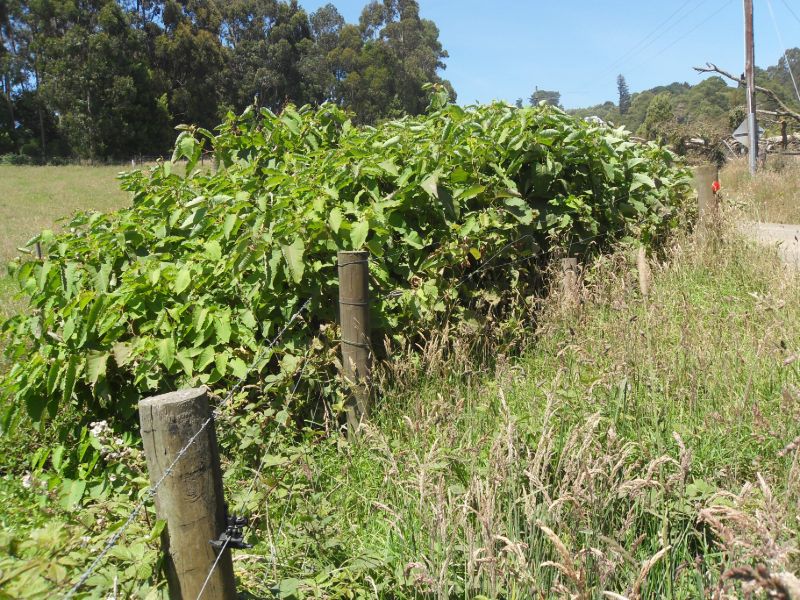
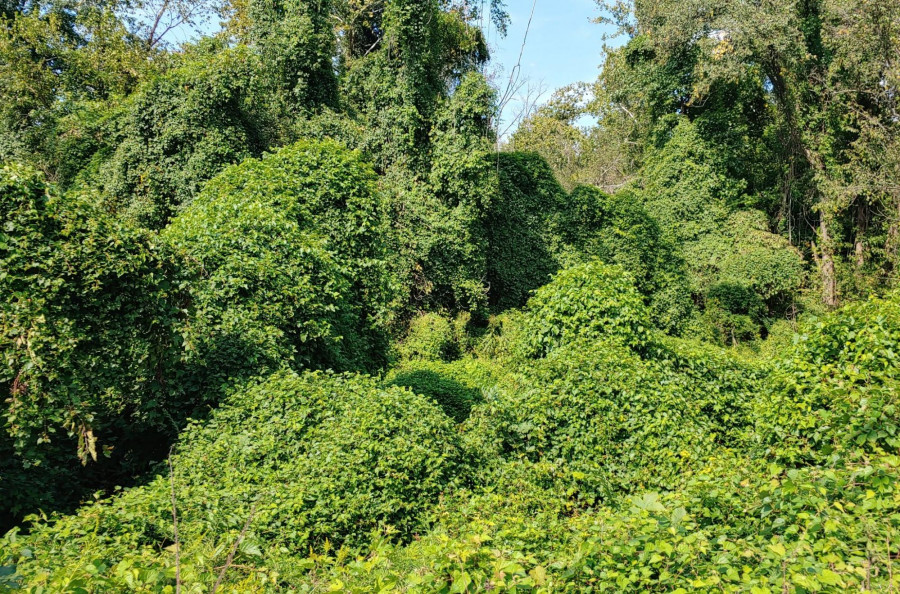
  • Kudzu (Pueraria montana): A fast-growing vine known for its invasive nature, kudzu can smother native vegetation and disrupt ecosystems.
  • Salvinia (Salvinia molesta): A floating aquatic fern that forms dense mats, blocking sunlight and oxygen from reaching aquatic environments, leading to the decline of native species.
  • Blackberry (Rubus fruticosus): While commonly cultivated for its fruit, certain varieties of blackberry are considered noxious weeds in NSW due to their aggressive growth and ability to outcompete native vegetation.

NSW Cultivation Laws: Prohibited Plants

Legal Restrictions

The cultivation, sale, and transport of prohibited plants are strictly regulated in NSW. Under the Noxious Weeds Act 1993, it is illegal to knowingly cultivate or knowingly supply prohibited plants. Penalties for violating these laws can include fines and even imprisonment, depending on the severity of the offense.

NSW's Cultivation Laws: Prohibited Plants
NSW’s Cultivation Laws: Prohibited Plants

Permitted Activities

While the cultivation of prohibited plants is generally prohibited, there are some exceptions for specific purposes, such as scientific research, education, or conservation efforts. However, individuals or organizations intending to engage in such activities must obtain the necessary permits from the relevant authorities, such as the NSW Department of Primary Industries or local councils.

Enforcement and Compliance

NSW authorities actively enforce cultivation laws regarding prohibited plants to prevent their spread and minimize environmental damage. Compliance inspections may be conducted, and individuals found in violation of the regulations may face enforcement actions, including fines and orders to eradicate or control the prohibited plants on their property.

Impacts of Prohibited Plants

Environmental Damage

Prohibited plants pose significant threats to biodiversity and ecosystem stability. They can outcompete native vegetation, alter habitat structures, and disrupt natural processes, leading to the decline of native species and the loss of ecosystem services.

Economic Costs

The presence of prohibited plants can also result in substantial economic costs for agricultural industries, landowners, and government agencies. Control and eradication efforts require significant resources, including labor, equipment, and chemical treatments, which can strain budgets and divert funding from other conservation priorities.

Prohibited Plants

Public Health Risks

Some prohibited plants may also pose risks to public health. For example, certain species can cause allergic reactions or skin irritation upon contact. Additionally, invasive plants like giant hogweed (Heracleum mantegazzianum) produce toxic sap that can cause severe burns and blistering if exposed to sunlight.

Conclusion

Understanding NSW’s cultivation laws regarding prohibited plants is essential for maintaining environmental integrity, protecting biodiversity, and ensuring public safety. By complying with these regulations and being vigilant about the plants they cultivate, residents and gardeners can contribute to the preservation of NSW’s natural heritage and prevent the spread of invasive species. Remember, when in doubt about a plant’s legal status, it’s always best to consult with local authorities or trusted experts to avoid any potential legal issues. Click this to read on.

Understanding NSW’s Prohibited Plant Cultivation Guidelines

Prohibited plant cultivation is a serious offense in New South Wales (NSW), Australia. To ensure compliance and prevent illegal activities, the NSW government has established stringent guidelines governing the cultivation of prohibited plants. Understanding these guidelines is essential for individuals and businesses involved in agriculture, horticulture, or any related activities. NSW’s Prohibited Plant Cultivation Guidelines

What are Prohibited Plants?

Prohibited plants are those species deemed harmful to the environment, economy, or public health. They include invasive weeds, toxic plants, and species with the potential to spread diseases. Examples of prohibited plants in NSW include Salvinia molesta (Giant Salvinia), Lantana camara (Lantana), and Asparagus fern (Asparagus aethiopicus).

NSW's Prohibited Plant Cultivation Guidelines
NSW’s Prohibited Plant Cultivation Guidelines

Prohibited Plant Cultivation Guidelines

The NSW government has established clear guidelines regarding the cultivation of prohibited plants. It is illegal to knowingly cultivate, propagate, or distribute prohibited plants without proper authorization. Violators may face hefty fines, imprisonment, or both.

Authorized Cultivation

Under specific circumstances, individuals or organizations may obtain authorization for cultivating prohibited plants. This typically involves obtaining permits from relevant government authorities, such as the NSW Department of Primary Industries or local councils. Authorization is granted only after thorough assessment and adherence to strict conditions.

Regulated Activities

Authorized cultivation of prohibited plants is subject to stringent regulations to mitigate risks and prevent their spread. These regulations may include containment measures, regular inspections, and reporting requirements. Failure to comply with regulations can result in permit revocation and legal consequences.

Penalties for Non-Compliance

The NSW government imposes severe penalties on individuals or businesses found guilty of non-compliance with prohibited plant cultivation guidelines. Fines can range from hundreds to thousands of dollars, depending on the severity of the offense. In extreme cases, imprisonment may be imposed. For sydney family criminal defence lawyers prohibited plant laws see here.

Cultivation Guidelines

Environmental Impact

Illegal cultivation of prohibited plants can have significant environmental consequences. Invasive species can outcompete native flora, disrupt ecosystems, and reduce biodiversity. They may also pose threats to agriculture, forestry, and natural habitats, leading to economic losses.

Compliance Measures

To ensure compliance with prohibited plant cultivation guidelines, individuals and businesses must undertake proactive measures. This includes staying informed about relevant regulations, seeking necessary permits, implementing appropriate containment measures, and reporting any suspected illegal activities to authorities.

Education and Awareness

Efforts to combat illegal plant cultivation should be complemented by education and awareness campaigns. Increasing public awareness about the dangers of prohibited plants and the importance of compliance can help prevent violations and protect the environment.

Conclusion

Adhering to NSW’s prohibited plant cultivation guidelines is crucial for safeguarding the environment, economy, and public health. By understanding the regulations, obtaining necessary permits, and complying with containment measures, individuals and businesses can contribute to preserving biodiversity and preventing the spread of harmful species.

Remember, ignorance of the law is not an excuse. Stay informed, stay compliant, and play your part in protecting NSW’s natural heritage.

Botanical Boundaries: NSW Prohibited Plant Laws

Understanding NSW Prohibited Plant Laws

Introduction to Prohibited Plants

In New South Wales (NSW), the cultivation and possession of certain plant species are regulated under strict laws due to their potential risks to the environment, agriculture, or public health. These plants, commonly referred to as prohibited plants, are subject to specific regulations to prevent their spread and ensure the safety of communities. Botanical Boundaries: NSW Prohibited Plant Laws

Legal Framework

The Biosecurity Act 2015

The primary legislation governing prohibited plant laws in NSW is the Biosecurity Act 2015. This comprehensive law empowers authorities to manage biosecurity risks, including the importation, movement, and cultivation of prohibited plants. It provides the legal framework for enforcing restrictions and implementing measures to safeguard the state’s biodiversity.

Botanical Boundaries: NSW Prohibited Plant Laws

Key Provisions

The Biosecurity Act 2015 categorizes prohibited plants into different classes based on their level of risk and potential impact. It outlines specific provisions regarding the possession, cultivation, and disposal of these plants, along with penalties for non-compliance.

Permitting and Licensing

Individuals or businesses intending to cultivate prohibited plants may be required to obtain permits or licenses from relevant authorities. These permits ensure that cultivation activities are conducted in a controlled manner, minimizing the risk of unintended consequences such as environmental damage or public safety hazards.

Declared Noxious Weeds

Certain plant species are designated as declared noxious weeds under NSW legislation. These weeds pose significant threats to agriculture, natural ecosystems, and human health. Landholders have a legal obligation to control declared noxious weeds on their properties and prevent their spread to neighboring areas.

Cultivation Guidelines

Secure Cultivation Practices

When cultivating permitted plants in NSW, it’s essential to implement secure cultivation practices to prevent their escape into the wild. This may involve using enclosed structures such as greenhouses or implementing physical barriers to contain the plants and minimize their impact on the surrounding environment.

Monitoring and Reporting

Regular monitoring of cultivated plants is crucial to detect any signs of pest infestations, diseases, or unintended spread. Timely reporting of any suspicious findings to relevant authorities facilitates prompt action to mitigate risks and prevent the further spread of prohibited plants. For information on cultivate prohibited plants see here.

 NSW Prohibited Plant Laws

Risk Mitigation Strategies

Educational Outreach

Raising awareness among the community about the risks associated with prohibited plants is essential for promoting responsible cultivation practices. Educational initiatives aimed at informing the public about alternative plant species and the importance of biodiversity conservation can help mitigate the spread of prohibited plants.

Species Selection

Choosing non-invasive or low-risk plant species for cultivation reduces the potential negative impacts on the environment and agriculture. Prioritizing native species or those with minimal environmental impact contributes to sustainable gardening practices and helps protect the state’s biodiversity.

Conclusion

Navigating the complexities of NSW prohibited plant laws requires a comprehensive understanding of the legal framework, cultivation guidelines, and risk mitigation strategies. By adhering to regulations, implementing responsible cultivation practices, and promoting awareness within the community, individuals can contribute to safeguarding the environment and ensuring the sustainability of NSW’s botanical landscape.

Growth Guidelines: Cultivating Prohibited Plants in NSW

Understanding Prohibited Plants

In New South Wales (NSW), certain plants are designated as prohibited due to their potential risks to the environment, human health, or agriculture. These include but are not limited to species such as cannabis, certain types of bamboo, and declared noxious weeds. It’s crucial for residents to familiarize themselves with the regulations surrounding these plants before considering their cultivation. Growth Guidelines: Cultivating Prohibited Plants in NSW

Legal Considerations and Regulations

NSW Legislation on Prohibited Plants

Growth Guidelines: Cultivating Prohibited Plants in NSW

The legal framework surrounding prohibited plants in NSW is primarily governed by the Biosecurity Act 2015. This legislation empowers authorities to regulate the import, movement, and cultivation of specified plants to mitigate risks to biosecurity and public safety.

Permitting and Licensing

Individuals or businesses intending to cultivate prohibited plants may require permits or licenses from relevant authorities. This process ensures compliance with regulatory requirements and helps prevent unauthorized cultivation that could pose threats to the ecosystem.

Cultivation Guidelines

Secure and Controlled Environments

When cultivating prohibited plants, it’s essential to maintain a secure and controlled environment to prevent their spread beyond intended boundaries. This could involve using enclosed spaces such as greenhouses or indoor facilities to minimize the risk of escape into the wild.

Monitoring and Reporting

Regular monitoring of cultivated plants is crucial to detect any signs of disease, pest infestations, or unintended spread. Prompt reporting of any suspicious findings to relevant authorities facilitates swift action to contain potential threats and protect the environment.

Cultivating Prohibited Plants in NSW

Risk Mitigation Strategies

Species Selection

Choosing non-invasive or low-risk species for cultivation can help mitigate the potential negative impacts associated with prohibited plants. Prioritizing native species or those with minimal environmental impact contributes to sustainable gardening practices.

Education and Awareness

Raising awareness among the community about the risks associated with prohibited plants fosters a culture of responsible cultivation. Education initiatives aimed at promoting alternative plant species and highlighting the importance of biodiversity conservation play a vital role in mitigating risks.

Conclusion

Cultivating prohibited plants in NSW requires adherence to strict regulations and responsible practices to mitigate potential risks to the environment and public safety. By understanding the legal requirements, implementing appropriate cultivation guidelines, and prioritizing risk mitigation strategies, individuals can contribute to safeguarding the biodiversity and ecological balance of the region.

NSW Plant Prohibition: Cultivation Guidelines

Introduction

In New South Wales (NSW), regulations regarding the cultivation of certain plants are in place to protect the environment and public safety. Understanding these guidelines is crucial for individuals and businesses involved in agriculture, horticulture, or gardening within the state. This article aims to provide comprehensive insights into the NSW plant prohibition laws and cultivation guidelines. NSW Plant Prohibition: Cultivation Guidelines

Understanding NSW Plant Prohibition Laws

What Plants are Prohibited?

NSW enforces strict regulations on the cultivation of certain plant species classified as invasive, noxious, or potentially harmful to the environment and native flora and fauna. These prohibited plants include but are not limited to:

  • African Boxthorn
  • Blackberry Nightshade
  • Lantana
  • Prickly Pear
  • Salvinia
  • Water Hyacinth

Reasons for Prohibition

The NSW government prohibits the cultivation of these plants due to various reasons, including their ability to:

  • Outcompete native species
  • Disrupt ecosystems
  • Cause environmental damage
  • Pose health risks to humans and animals

Cultivation Guidelines

Compliance with Regulations

To ensure compliance with NSW plant prohibition laws, individuals and businesses involved in plant cultivation must adhere to the following guidelines:

  • Obtain necessary permits: Before cultivating any plants, obtain the required permits from relevant authorities.
  • Know the prohibited species: Familiarize yourself with the list of prohibited plants to avoid unintentional cultivation.
  • Dispose of prohibited plants responsibly: If you come across prohibited plants, remove and dispose of them following the recommended methods to prevent their spread.
  • Report sightings: Report any sightings of prohibited plants to local authorities promptly.

Alternative Plant Options

Instead of cultivating prohibited plants, consider using native or non-invasive species in landscaping, gardening, and agricultural practices. Native plants are better suited to local environments and support biodiversity while minimizing the risk of invasive species introduction.

Penalties for Non-Compliance

Fines and Legal Consequences

Non-compliance with NSW plant prohibition laws can result in severe penalties, including fines and legal actions. Individuals or businesses found cultivating prohibited plants may face fines of up to thousands of dollars, depending on the severity of the violation.

Environmental Impact

The cultivation of prohibited plants can have far-reaching environmental consequences, including:

  • Disruption of ecosystems
  • Loss of native biodiversity
  • Degradation of soil quality
  • Increased risk of wildfires

Conclusion

Adhering to NSW plant prohibition laws and cultivation guidelines is essential for protecting the environment, native species, and public safety. By understanding which plants are prohibited and following the recommended practices, individuals and businesses can contribute to preserving NSW’s natural ecosystems and biodiversity.

In summary, cultivating alternative plant species, obtaining necessary permits, and reporting sightings of prohibited plants are integral steps in ensuring compliance and minimizing the risk of environmental harm. Let’s work together to safeguard NSW’s natural heritage for future generations. https://www.sydneyfamilycriminaldefencelawyers.com.au/

 Understanding NSW Prohibited Plant Cultivation Laws: What You Need to Know

Introduction to Prohibited Plant Cultivation Laws

The cultivation of certain plants is subject to strict regulations in New South Wales (NSW), Australia. These regulations are in place to control the growth and distribution of plants that are deemed to pose risks to public health, safety, and the environment. Understanding these laws is crucial for individuals and businesses involved in agriculture, horticulture, or any form of plant cultivation within the state. NSW Prohibited Plant Cultivation Laws.

Key Provisions of Prohibited Plant Cultivation Laws

Designated Prohibited Plants

Under the NSW legislation, certain plants are designated as prohibited and are subject to strict regulations regarding their cultivation. These plants are typically classified based on their potential to cause harm to the environment, agricultural industry, or human health. Examples of prohibited plants in NSW include noxious weeds, invasive species, and plants containing controlled substances.

Legal Requirements for Cultivation

Individuals or businesses intending to cultivate plants in NSW must adhere to specific legal requirements outlined in the legislation. This includes obtaining necessary permits or licenses for cultivating certain prohibited plants. Failure to comply with these requirements can result in legal consequences, including fines and penalties.

Restrictions on Cultivation Locations

Prohibited plant cultivation laws also dictate where certain plants can be cultivated. For instance, cultivating certain invasive species or noxious weeds may be prohibited in residential areas, agricultural lands, or near water bodies to prevent their spread and protect native ecosystems.

Enforcement and Penalties

Authorities in NSW actively enforce prohibited plant cultivation laws to ensure compliance and prevent the proliferation of harmful plant species. Penalties for violating these laws can vary depending on the severity of the offense and may include fines, seizure of plants, or legal action.

Implications for Individuals and Businesses

Agricultural Industry

For individuals and businesses operating within the agricultural industry in NSW, compliance with prohibited plant cultivation laws is essential. Failure to adhere to these regulations can not only result in legal repercussions but also pose risks to crop quality, biodiversity, and ecosystem stability.

Horticultural Sector

In the horticultural sector, where the cultivation of ornamental plants is common, understanding and complying with NSW prohibited plant cultivation laws is crucial. Nurseries, garden centers, and landscapers must ensure that the plants they cultivate and sell do not violate any regulations to avoid potential fines and reputational damage.

Home Gardeners

Even for home gardeners, awareness of prohibited plant cultivation laws is important. Planting invasive species or noxious weeds in home gardens can have detrimental effects on the local environment and neighboring properties. It is essential for home gardeners to research and select plants that are safe and legal to cultivate in their area.

 Cultivation Laws

Conclusion

Prohibited plant cultivation laws play a vital role in protecting the environment, agricultural industry, and public health within the state. Individuals and businesses involved in plant cultivation must familiarize themselves with these laws to ensure compliance and avoid potential legal consequences. By understanding the regulations and adhering to them diligently, we can collectively contribute to the preservation of NSW’s natural ecosystems and agricultural sustainability. https://www.sydneyfamilycriminaldefencelawyers.com.au/cultivate-prohibited-plant/

5.0
Based on 7 reviews
powered by Google
Halil Boz
09:48 09 May 23
After months of stress and anxiety, I was finally recommended to Rabia to sort some of my legal issues out. Rabia guided me throughout the whole process and got me an amazing outcome through the courts. Her proffesionilism and desire to get the best outcome for me took the worlds pressure off my shoulders. I didn't know how to return this favour so writing this review was the least I could do for not only a wonderful lawyer but an amazing human being. Please don't hesitate in reaching out to Rabia. It was the best decision I ever made. Thank You Rabia!!
Metin Salih
09:10 09 May 23
I would just like the share my experience with Rabia from Sydney Family and Criminal Defence Team. She worked very hard on my case and i ended up receiving a result I really was not expecting . She worked above and beyond my expectations and I couldn't recommend her highly enough. Thanks again Rabia for all the effort and long hours you put in to achieve what we did!
hulia boz
08:45 09 May 23
Professional and very very knowledgeable!
Wish I found them years ago.
Don’t settle for anything but the best!!
Shadia Ashrafi
07:58 09 May 23
Eda Boz
07:10 09 May 23