NSW Speeding: Avoiding Legal Snares

Understanding Speeding Laws in New South Wales (NSW)

Speeding tickets can be a serious hassle, but in New South Wales (NSW), they can also lead to legal consequences that are far more severe than just a fine. It’s crucial to understand the laws surrounding speeding in NSW to avoid falling into legal snares that could have long-lasting implications. NSW Speeding: Avoiding Legal Snares.
NSW Speeding: Avoiding Legal Snares

Speeding Penalties in NSW

NSW has strict penalties for speeding, which vary depending on the severity of the offence. For example, if you’re caught driving 10 km/h over the speed limit, you might receive a fine and demerit points on your license. However, if you’re caught speeding excessively or in a school zone, the penalties can be much more severe, including license suspension or even imprisonment.

Demerit Points and License Suspension

Every speeding offence in NSW comes with demerit points. These points accumulate on your driving record, and if you accrue too many within a specific period, your license can be suspended. For novice drivers, the threshold for demerit points is lower, making it even more critical to obey speed limits.

Defenses Against Speeding Charges

While it’s essential to abide by speed limits to avoid penalties, there are instances where you may have a valid defense against a speeding charge in NSW. Understanding these defenses can help you navigate the legal process more effectively.

Challenging the Accuracy of Speed Measurement Devices

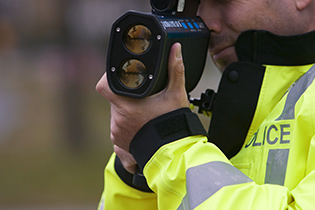
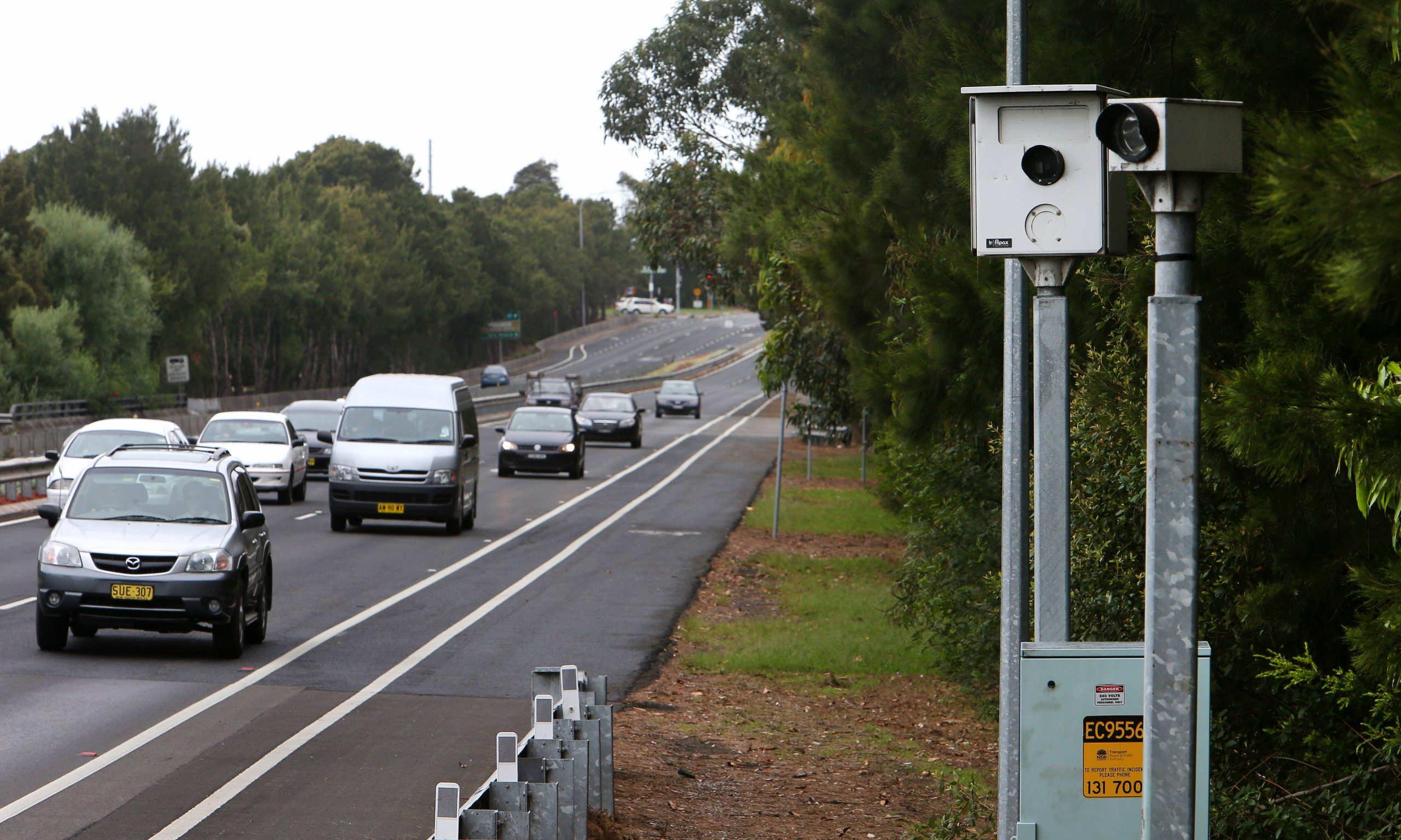
One common defense against speeding charges is to challenge the accuracy of the speed measurement device used by law enforcement. This could include radar guns, speed cameras, or LIDAR devices. If there are issues with calibration or operation, it may cast doubt on the accuracy of the speed reading.
Avoiding Legal Snares

Necessity or Emergency Situations

In some cases, drivers may have a valid defense if they were speeding out of necessity, such as to avoid an accident or respond to an emergency situation. However, this defense is only applicable in specific circumstances and must be supported by evidence.

Legal Assistance for Speeding Charges

When facing speeding charges in NSW, seeking legal assistance can be invaluable. A qualified traffic lawyer can help you understand your rights, assess the evidence against you, and develop a defense strategy tailored to your case. For sydney family criminal defence lawyers speed drivers see here.

Negotiating Reduced Penalties

In many cases, a skilled traffic lawyer can negotiate with prosecutors to have speeding charges reduced to lesser offences with reduced penalties. This could mean avoiding license suspension, hefty fines, or other severe consequences.

Representation in Court

If your case goes to court, having legal representation is crucial. A traffic lawyer can advocate on your behalf, present evidence and arguments in your defense, and work to achieve the best possible outcome for your case.

Conclusion

Speeding charges in NSW can have significant consequences, including fines, demerit points, license suspension, and even imprisonment. To avoid falling into legal snares, it’s essential to understand speeding laws in NSW, know your rights, and seek legal assistance when needed. By obeying speed limits and being aware of potential defenses, you can protect yourself from the legal ramifications of speeding.

Introduction

NSW Street Racing: Rules of the Road. Street racing, a dangerous and illegal activity, has been a concern for authorities in New South Wales (NSW), Australia, for many years. The thrill of high-speed races through city streets can lead to devastating consequences, including accidents resulting in injuries or fatalities. To combat this issue, NSW has implemented strict regulations and penalties for those caught engaging in street racing.

Understanding the Law

In NSW, street racing falls under the jurisdiction of the Road Transport Act 2013 and the Crimes Act 1900. According to these laws, street racing is defined as the act of driving a motor vehicle in a race or speed trial on a road or road-related area. This includes not only organized races but also impromptu competitions between drivers on public roads.

Penalties for Street Racing

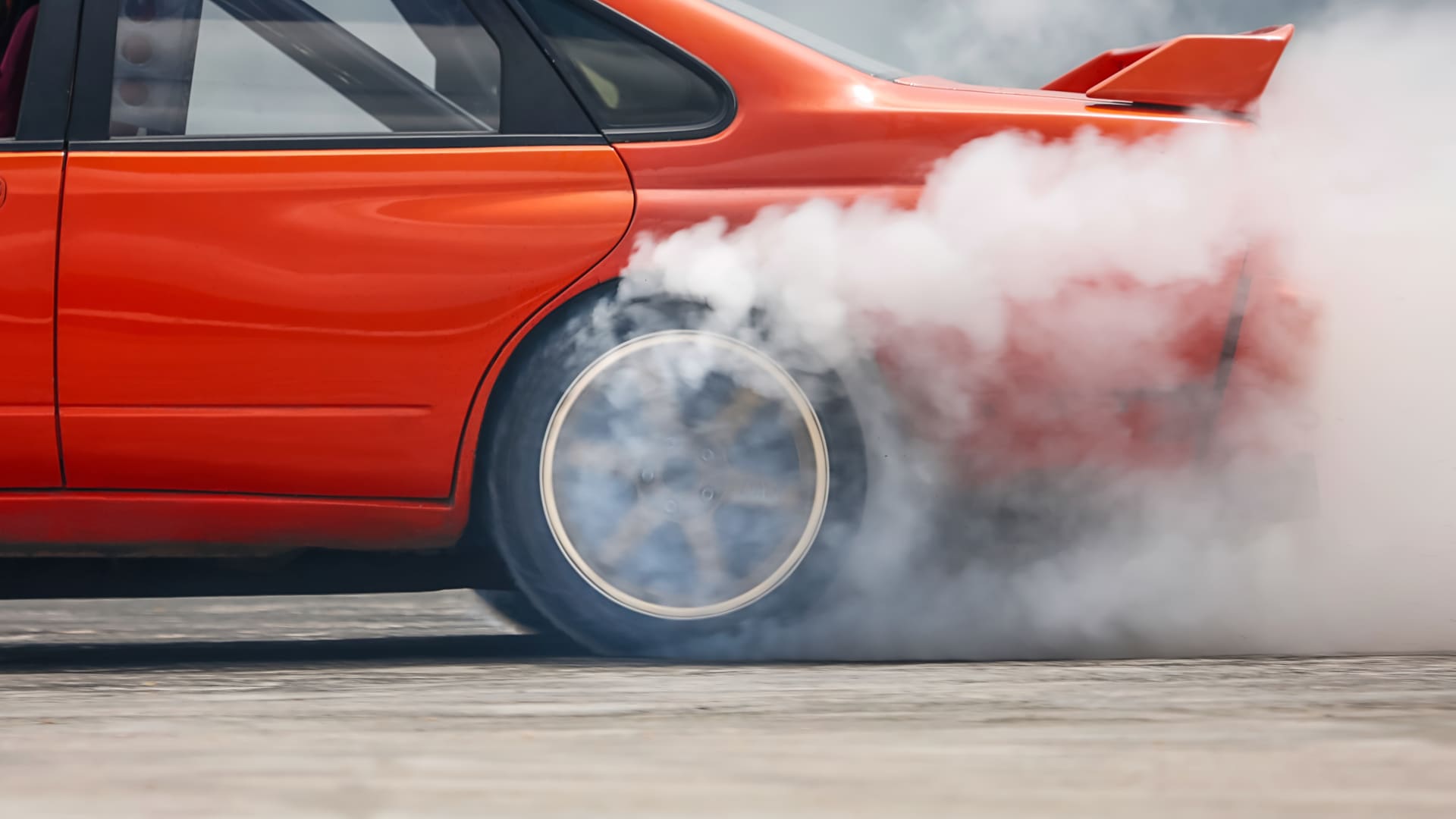
The penalties for street racing in NSW are severe. Offenders can face hefty fines, license suspensions, vehicle confiscation, and even imprisonment. For a first offense, individuals may receive fines of up to $3,300, along with a license suspension of up to 12 months. Subsequent offenses can lead to higher fines, longer license suspensions, and the possibility of vehicle confiscation.

NSW Street Racing: Rules of the Road

Safe Alternatives

Instead of engaging in illegal street racing, enthusiasts can explore legal alternatives to satisfy their need for speed. NSW offers various racing tracks and facilities where individuals can participate in sanctioned races in a controlled environment. These venues provide a safe space for drivers to enjoy high-speed driving without endangering themselves or others on public roads.

Authorized Racing Events

Authorized racing events in NSW are regulated by governing bodies such as Motorsport Australia. These events adhere to strict safety standards and are conducted under the supervision of trained officials. Participants must follow specific rules and regulations to ensure the safety of all involved. By participating in authorized racing events, enthusiasts can enjoy the adrenaline rush of racing while minimizing the risks associated with street racing.

Education and Awareness

To combat street racing effectively, education and awareness campaigns are essential. Authorities in NSW actively promote safe driving practices and emphasize the dangers of illegal street racing through various channels, including social media, public service announcements, and community outreach programs. By raising awareness about the consequences of street racing, authorities hope to deter individuals from participating in this reckless activity.

Rules of the Road

Community Engagement

Community engagement plays a vital role in addressing the issue of street racing. Local law enforcement agencies work closely with community members to identify areas where street racing is prevalent and implement strategies to deter illegal activities. By fostering partnerships between law enforcement and the community, authorities can gather valuable intelligence and mobilize resources to combat street racing effectively.

Conclusion

Street racing poses significant risks to drivers, passengers, and pedestrians alike. In NSW, strict laws and penalties are in place to deter individuals from engaging in this dangerous activity. By understanding the law, exploring safe alternatives, and promoting education and awareness, we can work together to ensure safer roads for everyone. Let us strive to enjoy the thrill of speed responsibly, leaving illegal street racing in the rearview mirror.

By adhering to the rules of the road and embracing legal racing opportunities, enthusiasts can satisfy their need for speed without putting lives at risk. Together, we can make a difference and promote a culture of safe and responsible driving in NSW.

This article is intended for informational purposes only and should not be construed as legal advice. Individuals should familiarize themselves with local laws and regulations regarding street racing in their respective jurisdictions.

Introduction to Street Racing in NSW

Street racing has long been a concern in New South Wales (NSW), posing significant risks to both participants and innocent bystanders. The NSW legal framework is stringent when it comes to street racing, with severe penalties in place to deter individuals from engaging in this dangerous activity. Understanding the legal ramifications is crucial for anyone tempted to participate in street racing or for those seeking to comprehend the consequences.

The Legal Definition of Street Racing

Street Racing: NSW Legal Framework

Under NSW law, street racing is defined as the act of driving a motor vehicle in a speed trial, race, or acceleration test on a public road. This definition encompasses not only formal races but also informal contests of speed between vehicles. It’s essential to recognize that street racing isn’t limited to organized events but can also occur spontaneously on public roads.

Penalties for Street Racing in NSW

The penalties for street racing in NSW are severe, reflecting the government’s commitment to deterring this dangerous behavior. Offenders face hefty fines, lengthy license suspensions, and even imprisonment, depending on the circumstances. For instance, a first-time offender may receive a fine of up to $3,300 and a license suspension of up to six months. Subsequent offenses attract even harsher penalties, including longer license suspensions and possible imprisonment.

Legal Consequences Beyond Penalties

Beyond the direct penalties imposed by the legal system, street racing convictions can have far-reaching consequences. Individuals convicted of street racing offenses may find it challenging to obtain car insurance at affordable rates, if at all. Additionally, a criminal record resulting from a street racing conviction can impact employment prospects and travel opportunities, as some countries may deny entry to individuals with certain criminal convictions.

Risks to Public Safety

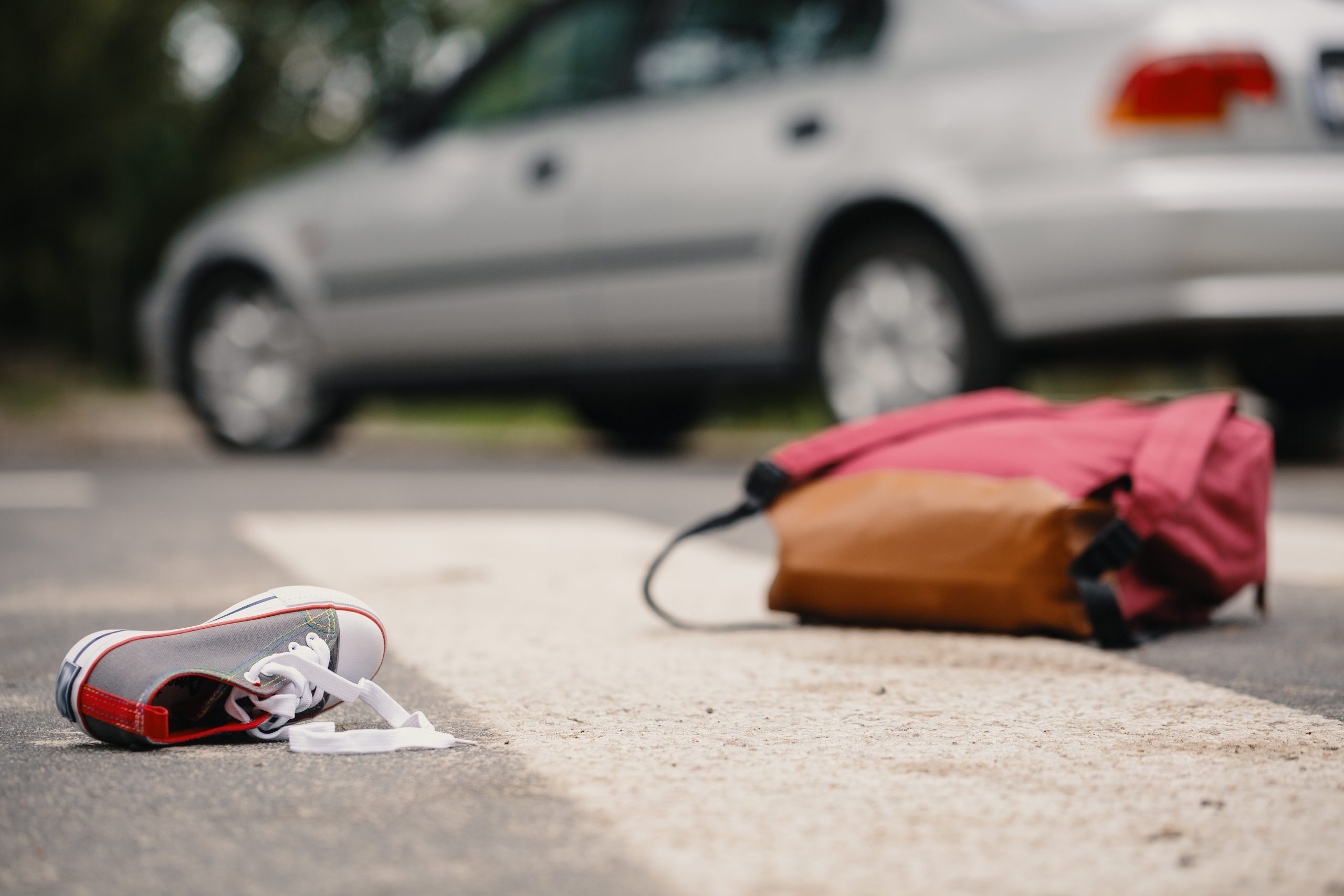
Street racing poses significant risks to public safety, with innocent bystanders often bearing the brunt of the consequences. High-speed collisions resulting from street racing can cause severe injuries and fatalities, not only to the drivers involved but also to pedestrians and occupants of other vehicles. The potential for collateral damage underscores the importance of enforcing strict penalties for street racing offenses.

Legal Defenses and Mitigating Factors

While the legal framework surrounding street racing in NSW is stringent, there may be legal defenses and mitigating factors that individuals facing charges can leverage. These may include lack of intent, coercion, or procedural errors by law enforcement. Additionally, demonstrating remorse and a commitment to rehabilitation may influence sentencing outcomes.

NSW Legal Framework

Seeking Legal Counsel

If facing charges related to street racing in NSW, it’s crucial to seek legal counsel from a qualified attorney experienced in traffic law. A knowledgeable lawyer can assess the specifics of the case, identify potential defenses, and advocate on behalf of the defendant to achieve the best possible outcome. Early intervention by legal counsel can also help mitigate the long-term consequences of a street racing conviction.

Conclusion

In conclusion, street racing in NSW carries severe legal consequences, including hefty fines, license suspensions, and imprisonment. Beyond the direct penalties, street racing poses significant risks to public safety and can have lasting implications for individuals convicted of offenses. Understanding the legal framework surrounding street racing is essential for all motorists in NSW, emphasizing the importance of responsible driving and compliance with traffic laws.

The Dangers of Speeding in New South Wales

Speeding is a prevalent issue on the roads of New South Wales (NSW), posing significant risks to both drivers and pedestrians alike. Despite strict regulations and enforcement efforts, many motorists continue to exceed speed limits, often overlooking the potentially devastating consequences of their actions.

Excessive speeding not only increases the likelihood of accidents but also intensifies the severity of collisions. According to the NSW Centre for Road Safety, speeding contributes to a significant portion of road fatalities and serious injuries each year. The higher the speed, the shorter the reaction time, making it harder for drivers to avoid accidents or respond to unexpected hazards on the road.

Legal Ramifications of Speeding in NSW

In NSW, the penalties for speeding vary depending on the degree of the offense. Minor infractions may result in fines and demerit points, while more severe cases can lead to license suspension or even imprisonment. The fines for speeding can range from a few hundred dollars to over a thousand, with additional penalties for repeat offenders.

NSW Speeding: Risks and Consequences

Moreover, speeding offenses can have long-term consequences beyond immediate penalties. Accumulating demerit points on one’s driving record can lead to license suspension or disqualification, affecting one’s ability to commute to work or fulfill personal obligations. Additionally, insurance premiums tend to increase significantly for drivers with a history of speeding violations.

The Impact on Road Safety and Community

The repercussions of speeding extend beyond individual drivers to the broader community. Every speeding incident increases the strain on emergency services, healthcare systems, and law enforcement agencies. Moreover, road closures due to accidents caused by speeding disrupt traffic flow and inconvenience commuters, leading to economic losses for businesses and individuals alike.

Furthermore, speeding undermines efforts to promote road safety and create a culture of responsible driving. It sets a dangerous precedent for other motorists and contributes to a climate of disregard for traffic laws. By disregarding speed limits, drivers not only endanger themselves but also jeopardize the safety of pedestrians, cyclists, and other road users.

Preventative Measures and Education

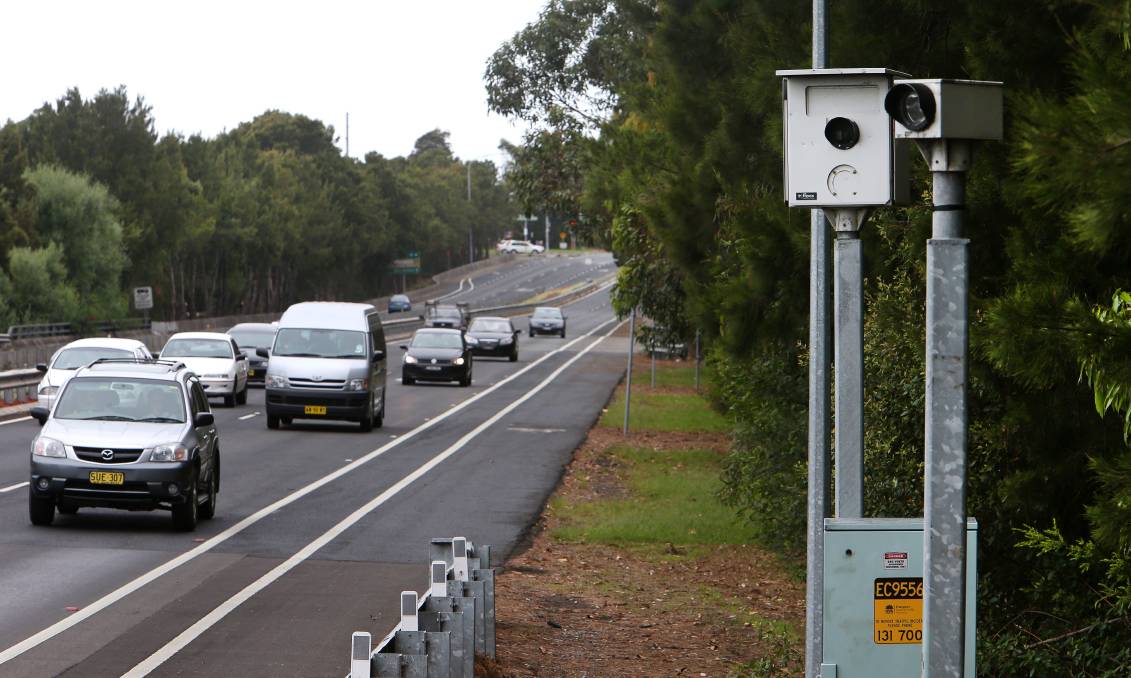
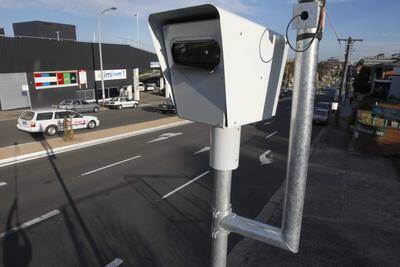
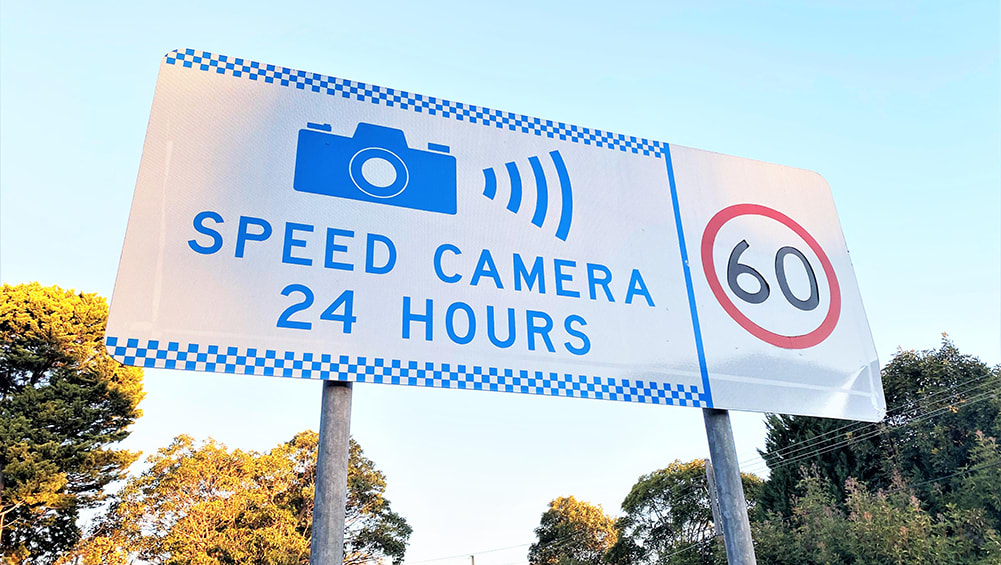
To address the issue of speeding effectively, a multi-faceted approach is necessary. Law enforcement agencies must continue to enforce speed limits rigorously, utilizing technology such as speed cameras and radar guns to deter speeding behavior. Additionally, targeted education campaigns can raise awareness about the dangers of speeding and promote responsible driving habits among motorists.

Investments in road infrastructure and design can also play a crucial role in mitigating speeding-related accidents. Implementing traffic calming measures, such as speed bumps and roundabouts, can encourage drivers to adhere to posted speed limits and reduce the likelihood of high-speed collisions. Moreover, improved signage and road markings can enhance driver awareness and facilitate compliance with speed restrictions. For speeding street racing nsw see here.

 Risks and Consequences

Conclusion

In conclusion, speeding remains a significant challenge for road safety in New South Wales, posing serious risks to drivers, passengers, and pedestrians. The legal and social consequences of speeding underscore the importance of adhering to speed limits and practicing responsible driving habits. By prioritizing enforcement efforts, education initiatives, and infrastructure improvements, stakeholders can work together to create safer roads and communities for all. It is imperative that motorists recognize the gravity of speeding violations and take proactive measures to uphold road safety standards.

Speeding in NSW: Know the Laws

Speeding is a common traffic offense that can have serious consequences, both legally and in terms of safety. In New South Wales (NSW), Australia, the laws surrounding speeding are clear and strictly enforced. Understanding these laws is crucial for all drivers to ensure they stay safe on the road and avoid potential penalties. In this article, we’ll delve into the specifics of speeding laws in NSW, including penalties, demerit points, and important regulations. Speeding in NSW: Know the Laws

Understanding Speed Limits

Before delving into the laws surrounding speeding, it’s important to understand the speed limits in NSW. Speed limits can vary depending on the type of road and the area. Generally, the following speed limits apply:

  • 60 km/h in built-up areas
  • 100 km/h on open roads
  • 110 km/h on freeways and motorways

However, it’s essential to be aware of any posted speed limit signs as they may differ from these general limits.

Penalties for Speeding

Speeding fines in NSW can vary depending on the severity of the offense. The fines are categorized based on how much the driver exceeds the speed limit:

Speeding in NSW: Know the Laws
  • Exceeding the speed limit by 10 km/h or less: Fine only
  • Exceeding the speed limit by more than 10 km/h but not more than 20 km/h: Fine and demerit points
  • Exceeding the speed limit by more than 20 km/h: Higher fine, more demerit points, and possible license suspension

For example, as of 2024, exceeding the speed limit by up to 10 km/h may result in a fine of $137 and 1 demerit point. However, exceeding the speed limit by more than 45 km/h can lead to a fine of $2,530, 6 demerit points, and an immediate license suspension.

Demerit Points

In addition to fines, drivers who exceed the speed limit in NSW will incur demerit points on their license. Demerit points are recorded against your license and can lead to license suspension or cancellation if you accumulate too many within a certain period.

The number of demerit points depends on how much the driver exceeds the speed limit. For instance, exceeding the speed limit by 20 km/h to 30 km/h will result in 4 demerit points, while exceeding it by more than 45 km/h will lead to 6 demerit points.

License Suspension and Other Consequences

Excessive speeding can result in more severe penalties, including license suspension or cancellation. For example, if a driver exceeds the speed limit by more than 45 km/h, they may face an immediate license suspension. Repeat offenders may face longer suspensions or even permanent license cancellation.

Know the Laws

Furthermore, speeding offenses can also impact car insurance premiums. Drivers with a history of speeding may be considered higher risk by insurance companies, leading to increased premiums.

Speeding Offenses and Legal Representation

If you receive a speeding fine in NSW and believe it was issued unfairly, you have the right to contest the offense in court. Seeking legal representation can help you navigate the legal process and potentially reduce or dismiss the charges against you. https://www.sydneyfamilycriminaldefencelawyers.com.au/

However, it’s essential to remember that ignorance of the law is not a valid defense. It’s the responsibility of every driver to familiarize themselves with the speed limits and obey them at all times.

Conclusion

Speeding is a serious traffic offense in NSW with significant legal and safety implications. Understanding the speed limits, penalties, demerit points, and other consequences is essential for all drivers. By obeying the speed limits and driving responsibly, you can help ensure your safety and avoid potential legal trouble on the road.

Understanding NSW Speeding Laws: Racing Law Essentials

Introduction to NSW Speeding Laws

NSW Speeding: Racing Law Essentials. In New South Wales (NSW), speeding is a serious offense that can result in hefty fines, license suspension, and even imprisonment, particularly in cases involving racing on public roads. Racing laws in NSW are stringent, aiming to ensure road safety and deter reckless driving behaviors. Understanding the essentials of NSW speeding and racing laws is crucial for all motorists to avoid legal repercussions and contribute to safer roads.

The Legal Framework

Speeding Offenses

Speeding offenses in NSW are governed by the Road Transport Act 2013 and the Road Rules 2014. According to these laws, speeding occurs when a driver exceeds the prescribed speed limit for a particular road or area. The severity of penalties varies depending on the extent of the speeding violation.

NSW Speeding: Racing Law Essentials

Racing on Public Roads

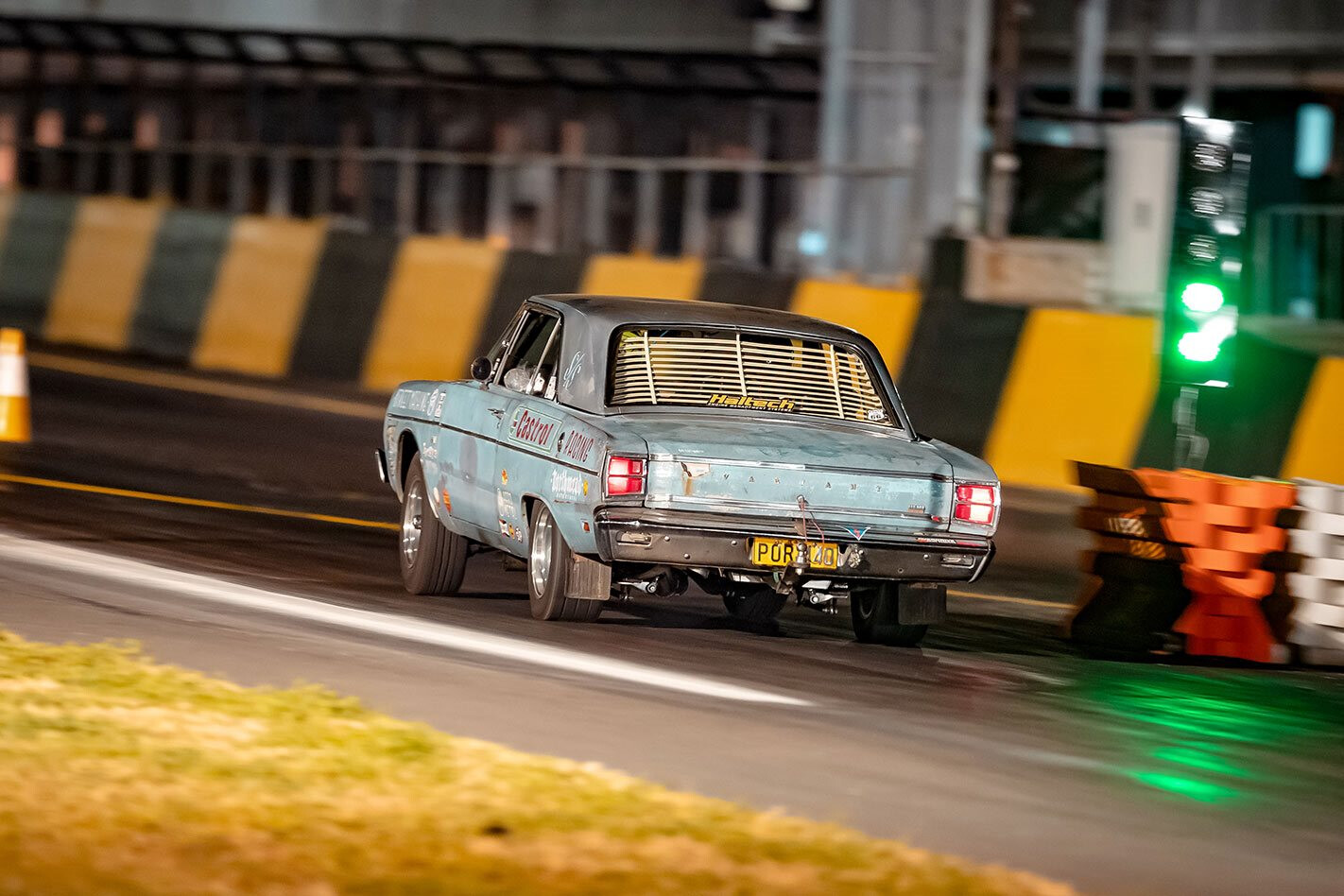
Racing on public roads, also known as street racing, is a particularly dangerous form of reckless driving. It involves two or more vehicles competing in a speed contest on public roads, posing significant risks to the drivers, passengers, and pedestrians. Racing on public roads is strictly prohibited and carries severe penalties under NSW law.

Penalties for Speeding and Racing

Speeding Penalties

The penalties for speeding in NSW vary depending on the speed at which the offense occurred and whether it is a first-time or repeat offense. Typical penalties include fines, demerit points, and license suspension. In cases of extreme speeding or repeat offenses, drivers may face court-imposed penalties, including imprisonment.

Racing Penalties

Racing on public roads carries even harsher penalties than simple speeding offenses. In addition to fines, demerit points, and license suspension, drivers convicted of street racing may face imprisonment, vehicle confiscation, and disqualification from driving. These penalties reflect the seriousness with which NSW authorities treat street racing offenses.

Racing Law Essentials

Defenses and Legal Options

Challenging Speeding Tickets

Motorists have the right to challenge speeding tickets if they believe they have been issued unfairly or inaccurately. Common defenses include disputing the accuracy of speed measurement devices, challenging the visibility of speed limit signs, or proving that the driver had a valid reason for exceeding the speed limit, such as a medical emergency. https://www.sydneyfamilycriminaldefencelawyers.com.au/speeding-street-racing/

Legal Representation

In cases of serious speeding or racing charges, seeking legal representation is advisable. A skilled traffic lawyer can assess the circumstances of the offense, identify potential defenses, and represent the defendant in court proceedings. Legal representation increases the chances of a favorable outcome, such as reduced penalties or dismissal of charges.

Conclusion

Compliance and Responsibility

In conclusion, understanding the essentials of NSW speeding and racing laws is vital for all motorists to navigate the roads safely and responsibly. Compliance with speed limits and prohibitions against street racing not only avoids legal trouble but also contributes to a culture of road safety and respect for fellow road users. By obeying the law and driving responsibly, motorists can help create safer roads for everyone.

By adhering to speed limits and refraining from engaging in reckless driving behaviors, motorists can not only avoid legal trouble but also contribute to safer roads for everyone. Compliance with NSW speeding and racing laws is not only a legal obligation but also a moral responsibility that all drivers must uphold for the well-being of themselves and others.

Understanding the Importance of NSW Red Light Camera Policy

Introduction

In New South Wales (NSW), red light cameras serve as a crucial element in ensuring road safety and reducing the occurrence of accidents at intersections. However, debates surrounding their efficacy and implementation persist. This article delves into the perspectives surrounding the NSW red light camera policy, examining its significance, effectiveness, and areas of improvement.

The Significance of Red Light Cameras

Promoting Road Safety

Red light cameras play a pivotal role in promoting road safety by deterring motorists from engaging in risky behavior such as running red lights. Intersections are often high-risk areas prone to accidents, and red light cameras serve as a deterrent to violations, thereby reducing the likelihood of collisions and protecting the lives of both motorists and pedestrians.

Enforcing Traffic Laws

Effective enforcement of traffic laws is essential for maintaining order and discipline on the roads. Red light cameras act as a tool for enforcing these laws, ensuring that motorists adhere to traffic signals and regulations. By capturing instances of red light violations, these cameras facilitate the enforcement process, leading to greater compliance with traffic laws and fostering a safer driving environment.

NSW Red Light Camera Policy Perspectives

Evaluating Effectiveness

Reduction in Accidents

One of the primary metrics used to gauge the effectiveness of red light cameras is their impact on accident rates. Studies have shown that the presence of red light cameras correlates with a decrease in the number of intersection-related accidents. By discouraging red light running, these cameras contribute to a decline in T-bone and side-impact collisions, which are among the most severe types of accidents.

Changing Driver Behavior

Beyond their direct impact on accident rates, red light cameras also influence driver behavior. The knowledge of being monitored by these cameras encourages motorists to exercise caution and obey traffic signals, even when they might be tempted to disregard them. This behavioral change contributes to a safer road environment and underscores the preventive role of red light cameras.

Addressing Criticisms and Challenges

Concerns about Revenue Generation

One of the common criticisms leveled against red light cameras is their perceived role in revenue generation rather than road safety. Critics argue that authorities prioritize issuing fines over genuinely enhancing safety measures. To address this concern, policymakers must ensure transparency in the use of revenue generated from fines, allocating funds towards initiatives aimed at improving road infrastructure and enhancing safety measures.

Ensuring Accuracy and Reliability

Another challenge associated with red light cameras is ensuring their accuracy and reliability. False readings or erroneous citations can undermine public trust in the system and lead to disputes and legal challenges. Regular maintenance, calibration, and stringent quality control measures are essential to mitigate these issues and uphold the integrity of the red light camera system.

Conclusion

In conclusion, the NSW red light camera policy serves as a critical component of efforts to enhance road safety and reduce accidents at intersections. Despite criticisms and challenges, the evidence overwhelmingly supports the effectiveness of red light cameras in promoting compliance with traffic laws and preventing accidents. By addressing concerns, ensuring transparency, and continually evaluating and refining the policy, authorities can maximize the benefits of red light cameras and create safer roads for all.

Camera Policy Perspectives

By providing a comprehensive overview of the significance, effectiveness, and challenges associated with the NSW red light camera policy, this article aims to foster informed discussions and constructive debates surrounding road safety measures in the state.

Through ongoing evaluation and adaptation, policymakers can refine the red light camera policy to align with evolving traffic patterns, technological advancements, and community needs, ultimately advancing the shared goal of creating safer roads for everyone.


NSW’s Red Light Camera Laws: Then & Now

NSW’s Red Light Camera Laws: Then & Now. In New South Wales (NSW), red light cameras have been a crucial component of road safety measures for decades. They serve as a deterrent to dangerous driving behaviors and help enforce traffic laws. Over the years, these laws and regulations surrounding red light cameras have evolved significantly, adapting to changing road conditions, technological advancements, and societal needs.

The Evolution of Red Light Camera Laws

Originally introduced in the late 1980s, red light cameras in NSW aimed to reduce the incidence of intersection-related accidents caused by motorists running red lights. Initially, the focus was primarily on installing cameras at high-risk intersections identified through accident data analysis.

NSW's Red Light Camera Laws: Then & Now
NSW’s Red Light Camera Laws: Then & Now

Early Implementation and Challenges

During the initial stages, red light cameras faced some skepticism and opposition from certain quarters. Critics questioned their effectiveness in improving road safety and raised concerns about privacy invasion. However, as studies began to show a decrease in intersection accidents and violations, public perception gradually shifted in favor of these enforcement measures.

Technological Advancements

Advancements in technology have played a significant role in enhancing the effectiveness and efficiency of red light cameras. Modern systems utilize high-resolution cameras, advanced sensors, and sophisticated image processing algorithms to accurately capture violations and minimize false positives.

Current Legislation and Enforcement

As of the present day, red light camera laws in NSW are governed by the Road Transport Act 2013 and the Road Transport (Safety and Traffic Management) Regulation 2020. These regulations outline the criteria for the installation and operation of red light cameras, as well as the penalties for red light violations.

Criteria for Camera Placement

Red light cameras are strategically placed at intersections with a history of red light violations or a high incidence of accidents. Additionally, factors such as traffic volume, pedestrian activity, and road geometry are taken into account when selecting camera locations.

Penalties and Fines

Motorists caught running red lights by these cameras face hefty fines and demerit points on their driving licenses. The severity of the penalty depends on the specific circumstances of the violation, such as the duration of the red signal and the speed of the vehicle.

Then & Now
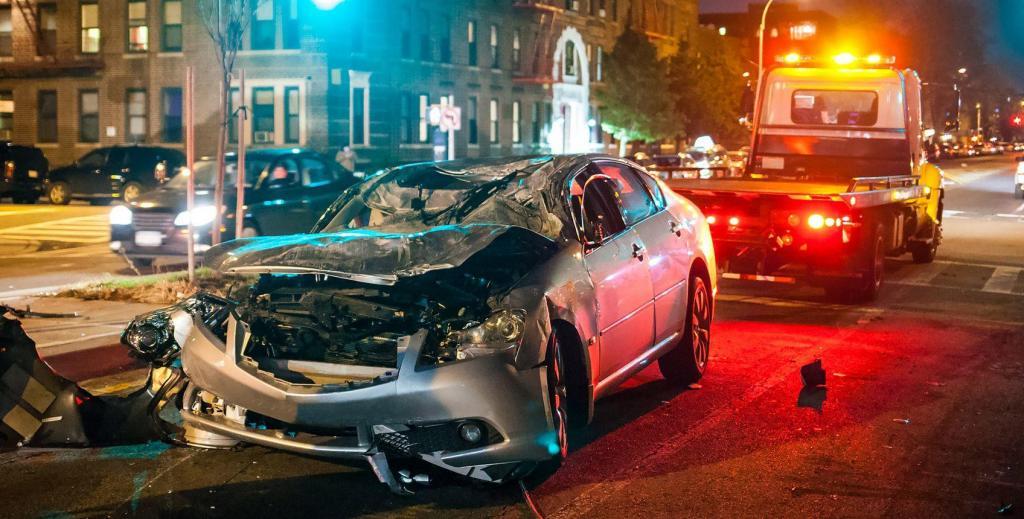
Car collision. Be safe. Do not drink and drive.

Impact on Road Safety

The implementation of red light cameras has had a tangible impact on road safety in NSW. Studies have consistently shown a reduction in intersection-related accidents and injuries following the installation of these enforcement devices. Moreover, the presence of red light cameras serves as a deterrent, encouraging motorists to obey traffic signals and exercise caution at intersections.

Public Perception and Acceptance

Over time, red light cameras have become widely accepted as an essential tool for promoting road safety. Surveys indicate strong public support for their continued use, with many individuals recognizing their role in preventing accidents and saving lives.

Future Directions

Looking ahead, the evolution of red light camera technology is expected to continue. Innovations such as artificial intelligence and machine learning algorithms may further enhance the accuracy and efficiency of these systems, leading to even greater improvements in road safety.

Integration with Smart City Initiatives

Red light cameras are likely to become an integral part of smart city initiatives aimed at optimizing traffic flow and enhancing urban mobility. By leveraging data collected from these cameras, city planners can gain valuable insights into traffic patterns and intersection behavior, facilitating more informed decision-making.

In conclusion, the journey of red light camera laws in NSW has been marked by evolution and adaptation. From their early beginnings to their current state, these enforcement measures have played a vital role in promoting road safety and reducing accidents. With continued advancements in technology and ongoing efforts to improve traffic management, red light cameras will remain a key tool in ensuring safer roads for all.

The Role of Red Light Camera Systems in Road Safety

Effectiveness of NSW’s Red Light Camera Systems. Red light camera systems have become an integral part of road safety measures worldwide, including in New South Wales (NSW), Australia. These systems are designed to deter motorists from running red lights, thereby reducing the risk of accidents and improving overall road safety. In NSW, the effectiveness of these red light camera systems has been a topic of debate, with proponents highlighting their positive impact on reducing collisions, while skeptics question their efficacy and fairness.

Understanding Red Light Camera Systems

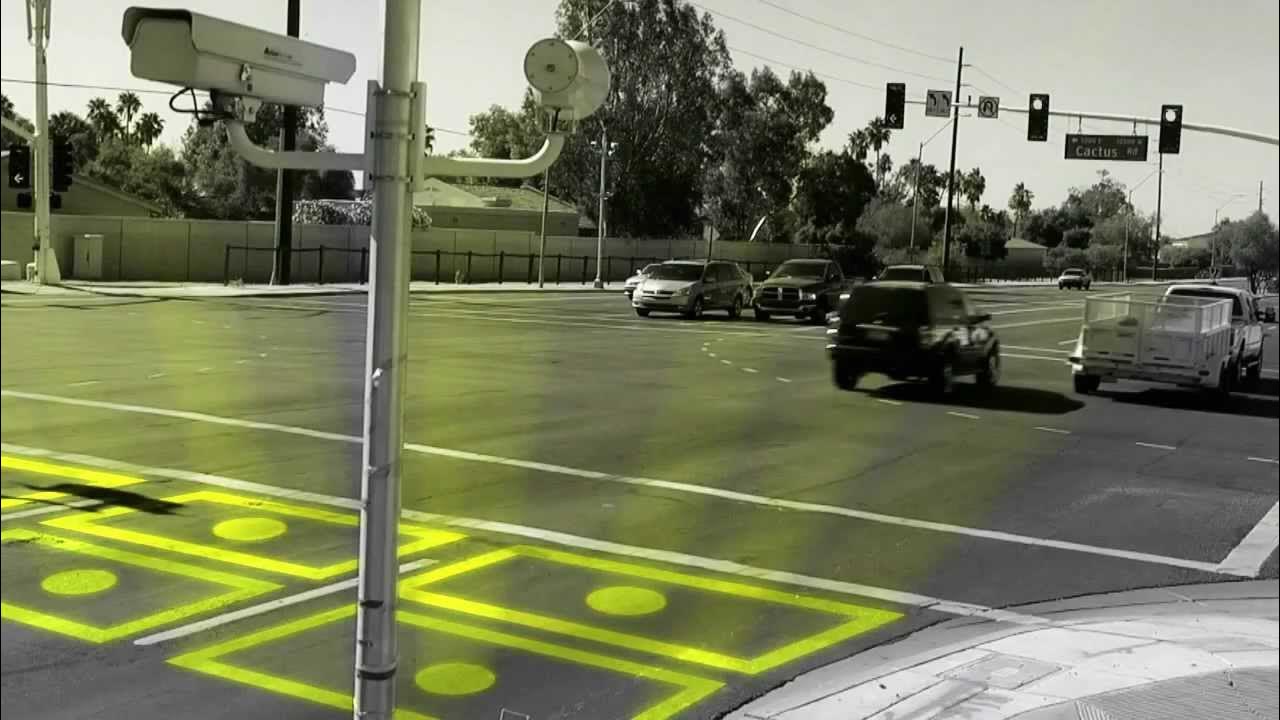
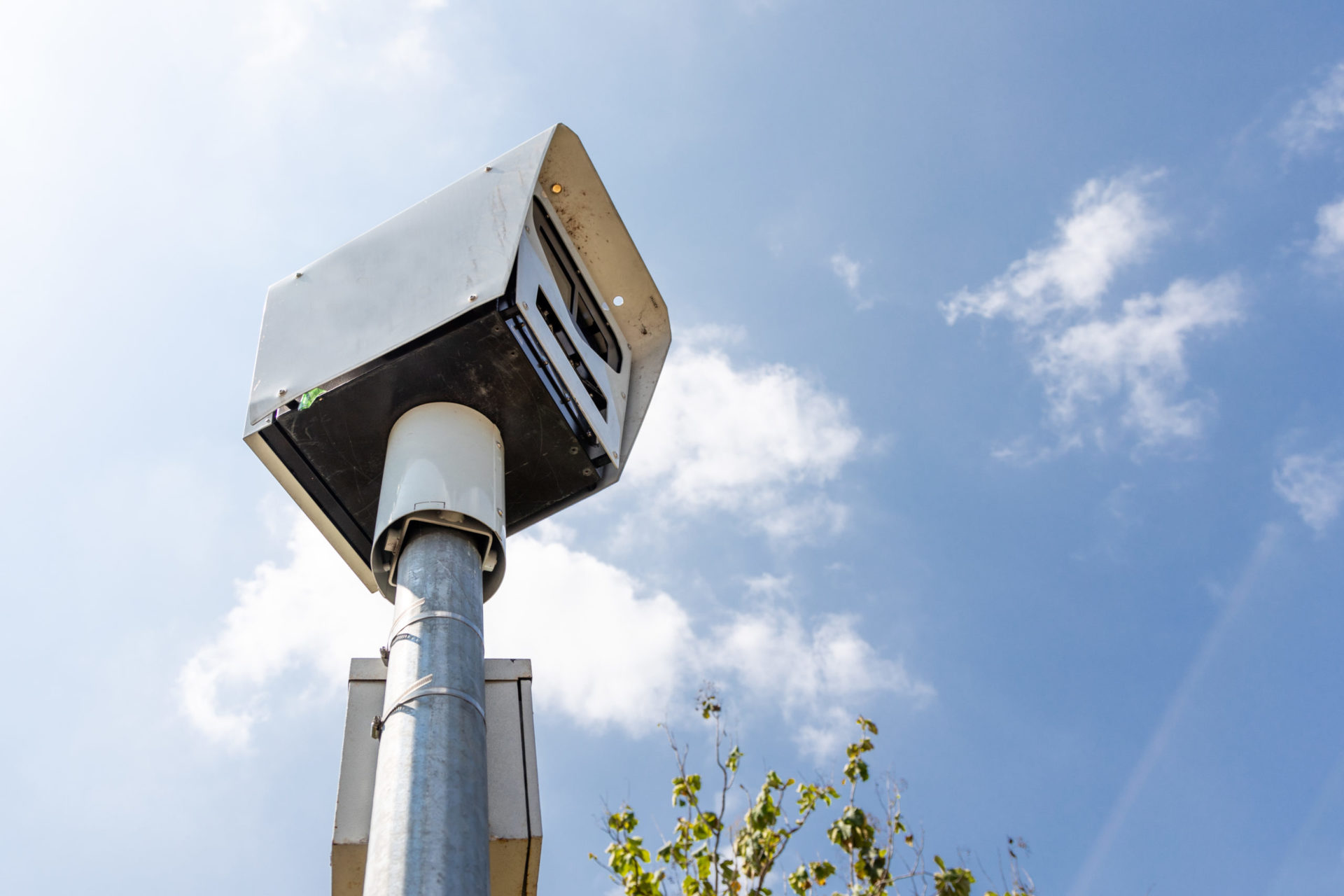
Red light camera systems are automated devices installed at intersections to monitor traffic flow and enforce traffic laws. These systems typically consist of cameras mounted on traffic signals or nearby poles, sensors embedded in the road to detect vehicles, and a control unit to manage data collection and enforcement. When a vehicle enters an intersection after the light has turned red, the camera captures images or videos of the violation, including the vehicle’s license plate, which is then used to issue a citation to the vehicle’s owner.

Effectiveness of Red Light Camera Systems in NSW

In NSW, red light camera systems have been in use for several years, and their effectiveness in improving road safety has been a subject of research and analysis. Studies conducted by government agencies and independent researchers have shown mixed results regarding the impact of these systems on reducing accidents and changing driver behavior.

Proponents of red light camera systems argue that they serve as a deterrent to red light running and help reduce the number of intersection-related crashes. According to data from the NSW Centre for Road Safety, intersections equipped with red light cameras have experienced a decrease in the number of crashes caused by red light violations. This decline is attributed to motorists being more cautious and adhering to traffic signals to avoid fines and license demerit points.

However, critics of red light cameras question their effectiveness in improving road safety, citing concerns such as rear-end collisions and the possibility of revenue generation overshadowing safety objectives. Some studies have suggested that while red light cameras may reduce the incidence of right-angle crashes (often considered the most severe type of intersection collision), they could lead to an increase in rear-end collisions as drivers abruptly stop to avoid running red lights.

The Importance of Evaluation and Monitoring

Despite the ongoing debate surrounding their effectiveness, red light camera systems play a crucial role in promoting road safety in NSW. However, it is essential to continuously evaluate and monitor their performance to ensure that they achieve their intended objectives without unintended consequences. This evaluation should involve analyzing crash data, traffic flow patterns, and driver behavior at intersections equipped with red light cameras. For sydney family criminal defence lawyers red light cameras see here.


Conclusion

In conclusion, red light camera systems are an important tool in promoting road safety in NSW and around the world. While their effectiveness may be subject to debate, there is evidence to suggest that they contribute to reducing the number of crashes caused by red light violations. However, it is crucial to balance the benefits of these systems with concerns such as potential unintended consequences and public perceptions of fairness and transparency. By carefully evaluating and monitoring their performance, authorities can ensure that red light camera systems continue to play a positive role in improving road safety for all motorists.

Decoding Red Light Camera Rules in NSW: Your Ultimate Guide

Understanding Red Light Camera Laws

Decoding Red Light Camera Rules in NSW. Red light cameras play a crucial role in maintaining road safety across New South Wales (NSW), but understanding the rules and regulations surrounding them can sometimes be confusing. Here, we delve into the specifics of red light camera laws in NSW to provide you with a comprehensive guide.

Decoding Red Light Camera Rules in NSW

How Red Light Cameras Work

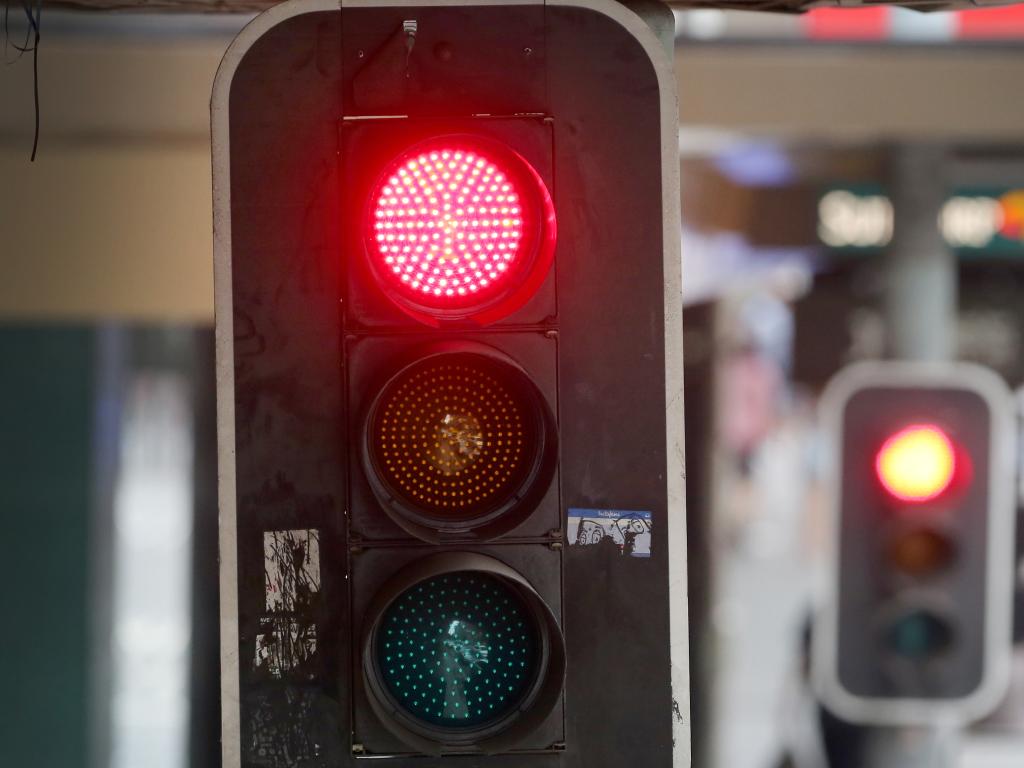
Red light cameras are designed to capture images of vehicles that enter an intersection after the traffic signal has turned red. These cameras are typically installed at intersections where there is a high incidence of red light violations. When a vehicle runs a red light, the camera takes photographs or records video footage of the violation, including the vehicle’s license plate.

Legal Implications of Running a Red Light

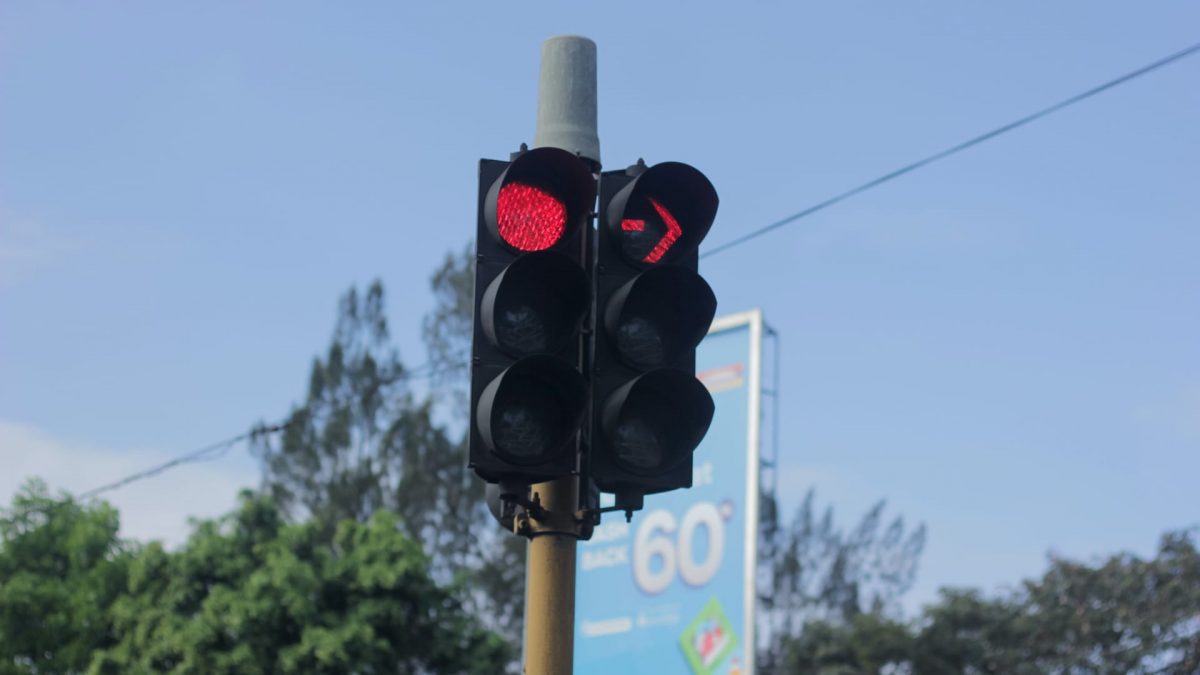
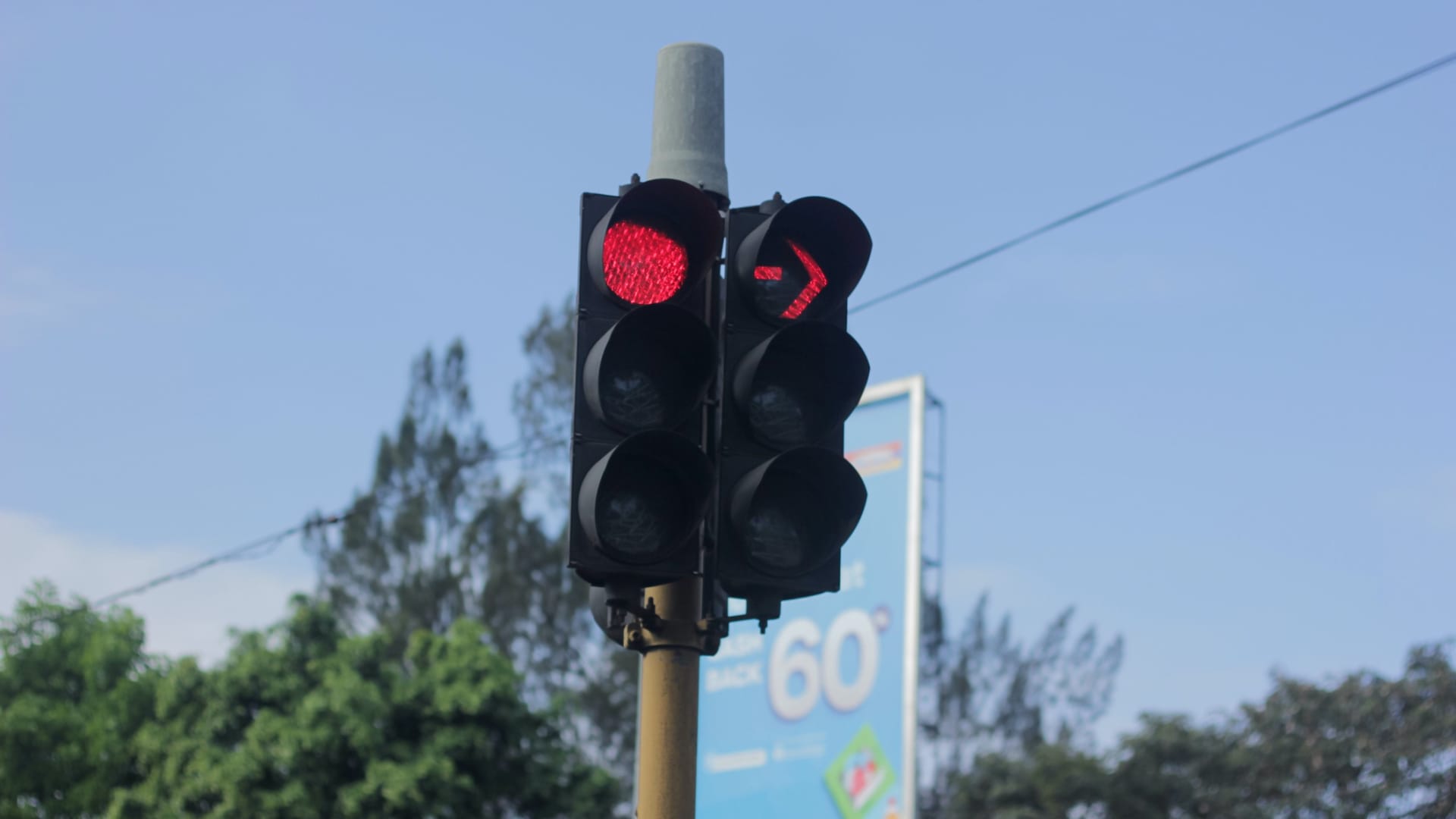
Running a red light in NSW is a serious offense that can result in significant penalties. According to the law, drivers must stop at a red traffic light unless a green arrow signal allows them to turn in the direction indicated by the arrow. Failure to stop at a red light can lead to fines, demerit points, and in some cases, even license suspension.

Fines and Penalties

The fine for running a red light in NSW is substantial, typically ranging from $464 to $4640 depending on the severity of the offense. Additionally, drivers who are caught running a red light may incur demerit points on their license. Accumulating a certain number of demerit points within a specified period can result in license suspension or disqualification.

Challenging Red Light Camera Tickets

If you receive a red light camera ticket in NSW and believe it was issued in error, you have the right to challenge it. However, challenging a red light camera ticket can be a complex process, and it’s essential to understand your options.

Light Camera Rules in NSW

Grounds for Challenging

Some common grounds for challenging a red light camera ticket include:

Incorrect timing of the traffic light
Malfunctioning or improperly calibrated camera
Inaccurate identification of the vehicle or driver
Emergency situations that necessitated running the red light

Tips for Avoiding Red Light Camera Tickets

While the best way to avoid red light camera tickets is to always stop at red lights, there are a few additional tips that can help you stay out of trouble.

Stay Alert

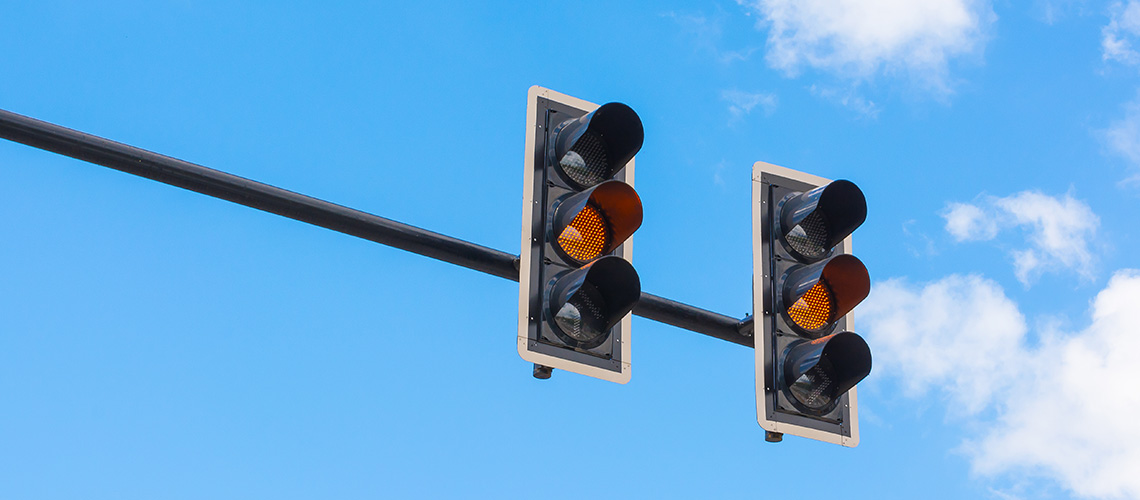
Pay attention to traffic signals and be prepared to stop when the light turns yellow. Avoid distractions such as using your phone or adjusting the radio, as these can prevent you from reacting quickly to changing traffic conditions.

Know the Intersection

Familiarize yourself with the intersections in your area that are equipped with red light cameras. This awareness can help you anticipate when you need to stop and avoid inadvertently running a red light.

Drive defensively

Maintain a safe following distance from the vehicle in front of you and be prepared to stop suddenly if necessary. Defensive driving techniques can help you avoid collisions and red light violations.

Conclusion

Understanding the rules and regulations surrounding red light cameras in NSW is essential for all drivers. By familiarizing yourself with the laws, staying alert on the road, and driving defensively, you can reduce your risk of receiving a red light camera ticket and help keep our roads safe for everyone.

5.0
Based on 7 reviews
powered by Google
Halil Boz
09:48 09 May 23
After months of stress and anxiety, I was finally recommended to Rabia to sort some of my legal issues out. Rabia guided me throughout the whole process and got me an amazing outcome through the courts. Her proffesionilism and desire to get the best outcome for me took the worlds pressure off my shoulders. I didn't know how to return this favour so writing this review was the least I could do for not only a wonderful lawyer but an amazing human being. Please don't hesitate in reaching out to Rabia. It was the best decision I ever made. Thank You Rabia!!
Metin Salih
09:10 09 May 23
I would just like the share my experience with Rabia from Sydney Family and Criminal Defence Team. She worked very hard on my case and i ended up receiving a result I really was not expecting . She worked above and beyond my expectations and I couldn't recommend her highly enough. Thanks again Rabia for all the effort and long hours you put in to achieve what we did!
hulia boz
08:45 09 May 23
Professional and very very knowledgeable!
Wish I found them years ago.
Don’t settle for anything but the best!!
Shadia Ashrafi
07:58 09 May 23
Eda Boz
07:10 09 May 23