
Understanding NSW Red Light Camera Laws: What You Should Know

The Importance of NSW Red Light Camera Laws

NSW Red Light Camera Laws: What You Should Know. In New South Wales (NSW), red light cameras play a crucial role in ensuring road safety. These cameras are strategically placed at intersections to detect vehicles running red lights. Understanding the laws surrounding red light cameras is essential for all drivers to avoid fines and contribute to safer roads.

NSW Red Light Camera Laws: What You Should Know

How Do Red Light Cameras Work?

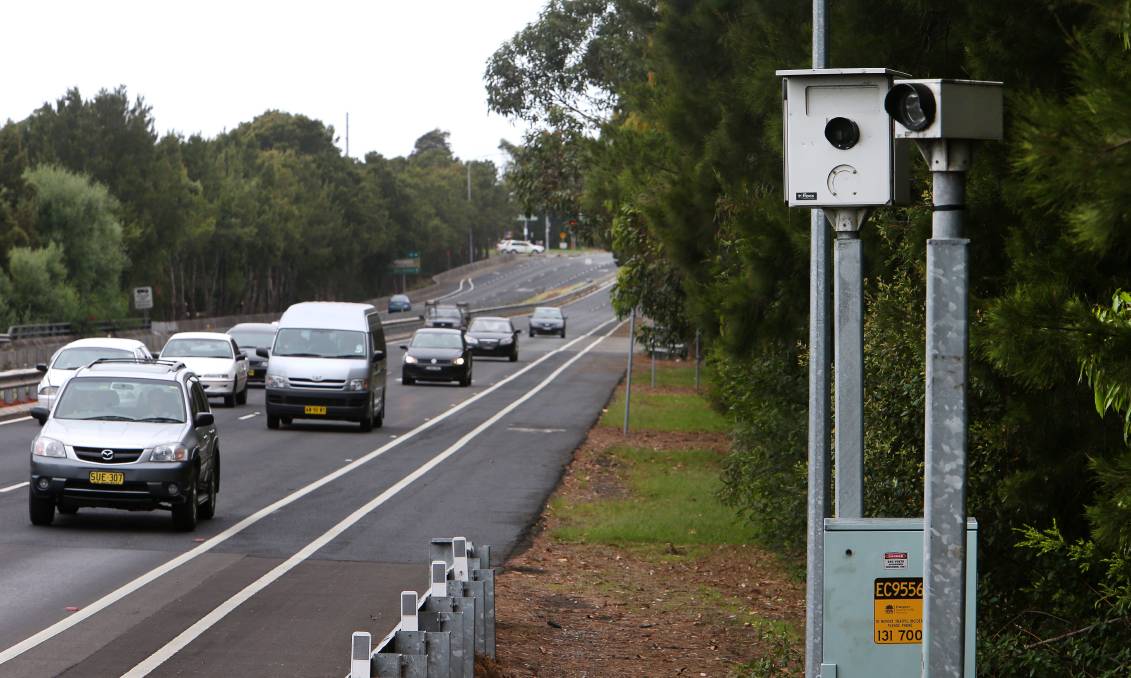
Red light cameras work by using sensors embedded in the road or by monitoring traffic signals. When a vehicle enters an intersection after the light has turned red, the camera captures images or video footage of the violation, including the vehicle’s license plate.

Penalties for Red Light Camera Offenses

Running a red light in NSW can result in significant penalties. The standard fine for a red light camera offense is $439, along with the loss of three demerit points. Repeat offenders may face higher fines and the possibility of license suspension.

Legal Requirements and Procedures

It’s important to understand your rights and obligations when dealing with red light camera offenses in NSW. If you receive a penalty notice, you have the option to pay the fine, request a review, or contest the offense in court. Seeking legal advice can help you navigate the process effectively.

What You Should Know

Challenging Red Light Camera Offenses

While red light cameras are designed to accurately capture violations, there may be circumstances where the evidence is contested. Factors such as obscured license plates or malfunctioning traffic signals could provide grounds for challenging the offense. Consulting with a legal expert can help determine the best course of action. https://www.sydneyfamilycriminaldefencelawyers.com.au/

How to Avoid Red Light Camera Offenses

Preventing red light camera offenses is simple: always obey traffic signals and come to a complete stop when the light turns red. Additionally, maintain awareness of your surroundings and be prepared to stop if the light changes suddenly.

Stay Informed and Vigilant

Staying informed about NSW red light camera laws and regulations is essential for all drivers. Regularly reviewing the rules of the road and staying vigilant while driving can help prevent accidents and avoid costly fines.

Conclusion

NSW red light camera laws are in place to promote road safety and reduce the risk of accidents at intersections. Understanding these laws, knowing your rights, and practicing safe driving habits are essential for all motorists. By obeying traffic signals and remaining vigilant behind the wheel, you can help create safer roads for everyone.

Improving Road Safety with Red Light Cameras in NSW

Introduction

NSW Traffic Management: Red Light Cameras. In New South Wales (NSW), road safety is a top priority, with initiatives continuously implemented to reduce accidents and save lives. One such measure is the deployment of red light cameras across various intersections in the state. These cameras play a crucial role in enforcing traffic laws and deterring dangerous driving behaviors, ultimately contributing to safer roads for all motorists, pedestrians, and cyclists.

The Role of Red Light Cameras

Red light cameras are strategically placed at intersections where red-light running poses a significant risk to road users. These cameras capture images of vehicles that enter the intersection after the traffic signal has turned red. By doing so, they not only enforce traffic regulations but also serve as a deterrent to reckless driving behaviors.

NSW Traffic Management: Red Light Cameras

How Red Light Cameras Work

When a vehicle passes the stop line after the traffic signal has turned red, the red light camera activates, capturing photographs or video footage of the violation. These images typically include the license plate of the offending vehicle, allowing authorities to identify the driver and issue a penalty notice.

Benefits of Red Light Cameras

The implementation of red light cameras in NSW offers several benefits:

Reduced Accidents

Studies have shown that intersections equipped with red light cameras experience a significant reduction in red-light-related accidents. By deterring drivers from running red lights, these cameras help prevent dangerous collisions that can result in serious injuries or fatalities.

Improved Compliance

: Knowing that red light cameras are in place encourages drivers to obey traffic signals more diligently. This leads to improved compliance with traffic laws and fosters a safer driving culture within the community.

Enhanced Accountability

: Red light cameras provide irrefutable evidence of traffic violations, making it easier for law enforcement agencies to hold offenders accountable. This contributes to a fairer and more effective enforcement of traffic regulations.

Management: Red Light Cameras

Cost-Effectiveness

: While the initial installation of red light cameras requires investment, the long-term benefits in terms of reduced accident-related costs and improved road safety outweigh the expenses.

Addressing Concerns

Despite the numerous benefits of red light cameras, some concerns have been raised regarding their implementation. These concerns include: https://www.sydneyfamilycriminaldefencelawyers.com.au/red-light-camera/

Privacy

There are concerns about privacy violations associated with the use of red light cameras, particularly regarding the collection and storage of images or video footage of vehicles and their occupants. To address these concerns, strict protocols are in place to ensure that captured data is used solely for law enforcement purposes and is subject to stringent privacy regulations.

Accuracy

Critics of red light cameras often question their accuracy in capturing violations, citing instances of erroneous readings or misidentification of vehicles. To mitigate this issue, regular maintenance and calibration of red light camera systems are conducted to ensure their reliability and accuracy in detecting violations.

Revenue Generation

Some argue that red light cameras are primarily deployed as revenue-generating tools rather than genuine measures to enhance road safety. While it’s true that fines generated from red light camera violations contribute to government revenue, their primary purpose remains focused on improving road safety and reducing accidents.

Conclusion

Red light cameras play a vital role in promoting road safety in NSW by deterring red-light running and encouraging compliance with traffic laws. Despite concerns raised by critics, the benefits of these cameras in reducing accidents and saving lives are undeniable. Through continued investment in traffic management initiatives like red light cameras, NSW remains committed to creating safer roads for all road users.


Preventing Property Destruction in NSW: Essential Strategies for Homeowners

The Importance of Property Protection

Property destruction can be a devastating experience for homeowners in New South Wales (NSW). Whether it’s vandalism, natural disasters, or accidents, the consequences can be costly and emotionally taxing. However, by taking proactive measures, homeowners can significantly reduce the risk of property damage and protect their investments.

Preventing Property Destruction in NSW

Understanding Common Risks

Vandalism and Theft

Vandalism and theft are prevalent risks for homeowners in NSW. Properties left unsecured or in poorly lit areas are particularly vulnerable. Installing security cameras, motion-sensor lights, and sturdy locks can deter intruders and minimize the risk of property damage.

Natural Disasters

NSW is prone to various natural disasters, including bushfires, floods, and storms. Homeowners should take steps to fortify their properties against these hazards. This may involve clearing vegetation around the property, installing flood barriers, and reinforcing structures to withstand strong winds.

Accidental Damage

Accidents can happen anytime, posing a threat to property and occupants alike. Homeowners should be proactive in identifying potential hazards within their homes, such as faulty electrical wiring, gas leaks, or structural weaknesses. Regular maintenance and inspections can help mitigate these risks and prevent costly damage.

Preventive Measures for Homeowners

Invest in Security Systems

Installing a comprehensive security system is one of the most effective ways to deter intruders and protect your property. This may include surveillance cameras, alarm systems, and smart locks that can be controlled remotely. Visible security measures can act as a deterrent, while advanced features like motion detection and alarm monitoring provide added protection.

Maintain Proper Lighting

Well-lit properties are less attractive to vandals and burglars, as they prefer to operate under the cover of darkness. Homeowners should ensure that all entry points, pathways, and outdoor areas are adequately illuminated. Motion-sensor lights are particularly effective, as they activate in response to movement, alerting homeowners to potential threats.

Secure Outdoor Items

Outdoor items such as bicycles, tools, and garden equipment are easy targets for thieves. Homeowners should secure these items in locked sheds or garages when not in use. Additionally, investing in high-quality locks and security cables can further deter theft and protect valuable assets.

Stay Prepared for Emergencies

Emergencies can strike without warning, so it’s essential to have a plan in place. Homeowners should create an emergency kit containing essentials such as food, water, first aid supplies, and important documents. They should also familiarize themselves with evacuation procedures and have a designated meeting point for family members.

Conclusion

Protecting your property in NSW requires a proactive approach and a combination of preventive measures. By investing in security systems, maintaining proper lighting, securing outdoor items, and staying prepared for emergencies, homeowners can reduce the risk of property destruction and safeguard their investments for years to come.

Remember, prevention is key when it comes to protecting your property. By taking proactive steps today, you can enjoy greater peace of mind and minimize the likelihood of costly damage in the future.

Recent Legal Changes in NSW on Property Destruction

Introduction

In recent years, New South Wales (NSW) has witnessed a surge in incidents of property destruction, ranging from vandalism to arson. In response to growing concerns over property damage and its consequences, the NSW government has introduced several legal reforms aimed at addressing these issues. This article explores the recent legislative changes pertaining to property destruction in NSW and their implications.

Increased Penalties for Property Damage

One of the significant legal changes introduced by the NSW government is the imposition of stricter penalties for individuals found guilty of property destruction. Under the amended legislation, perpetrators of vandalism, arson, or any other form of property damage may face significantly harsher consequences, including hefty fines and prolonged imprisonment.

These increased penalties serve as a deterrent to potential offenders and underscore the seriousness with which the authorities are addressing property-related crimes. By imposing more severe repercussions, the government aims to curb instances of property destruction and protect the rights and interests of property owners across the state.

Enhanced Enforcement Measures

In addition to imposing stiffer penalties, the NSW government has implemented enhanced enforcement measures to combat property destruction effectively. This includes bolstering law enforcement resources, improving surveillance technologies, and fostering closer collaboration between relevant agencies. https://www.sydneyfamilycriminaldefencelawyers.com.au/intentionally-or-recklessly-destroy-or-damage-property/

Furthermore, the introduction of specialized task forces dedicated to investigating and prosecuting property-related offenses has proven instrumental in apprehending perpetrators and bringing them to justice swiftly. These proactive measures not only serve to deter potential offenders but also instill confidence in the community regarding the authorities’ commitment to maintaining law and order.

Community Engagement and Awareness Initiatives

Recognizing the importance of community engagement in preventing property destruction, the NSW government has launched various awareness initiatives aimed at fostering a sense of collective responsibility among residents. These initiatives include educational campaigns, neighborhood watch programs, and partnerships with local community organizations.

By empowering communities to take an active role in safeguarding their neighborhoods against vandalism and arson, these initiatives help create a culture of vigilance and cooperation. Moreover, they facilitate the dissemination of vital information regarding reporting procedures, crime prevention strategies, and available support services, thereby equipping residents with the knowledge and resources necessary to combat property-related crimes effectively.

Restitution and Compensation for Victims

Another crucial aspect of the recent legal changes in NSW is the emphasis on ensuring adequate restitution and compensation for victims of property destruction. In cases where offenders are convicted of damaging or destroying property, they may be required to compensate the affected parties for the financial losses incurred.

This restitution not only provides a measure of justice for the victims but also serves as a deterrent to potential offenders by highlighting the real-world consequences of their actions. Furthermore, it helps alleviate the financial burden placed on property owners and encourages swift resolution of disputes arising from property-related crimes.

Conclusion

In conclusion, the recent legal changes introduced by the NSW government represent a concerted effort to address the issue of property destruction and uphold the rule of law. By imposing stricter penalties, enhancing enforcement measures, promoting community engagement, and prioritizing victim restitution, the authorities aim to deter offenders, protect property rights, and foster safer communities across the state.

However, combating property-related crimes requires a multifaceted approach that involves collaboration between government agencies, law enforcement authorities, community stakeholders, and individual citizens. By working together, we can effectively combat property destruction and create a safer and more secure environment for all residents of New South Wales.

Prosecution of Property Destruction Cases in NSW: Legal Process and Implications

Understanding Property Destruction Laws in New South Wales

Property destruction cases in New South Wales are governed by a robust legal framework aimed at protecting the rights of property owners and maintaining public order. Under the Crimes Act 1900 and other relevant statutes, intentional damage to property is considered a serious offense, carrying significant legal consequences. Prosecution of Property Destruction Cases in NSW

Elements of Property Destruction Charges

In NSW, prosecuting property destruction cases requires establishing several key elements. These typically include proving the accused’s intent to cause damage, demonstrating the extent of the destruction, and identifying the specific property affected. Evidence such as witness testimony, surveillance footage, and forensic analysis may be utilized to support the prosecution’s case.

Property Destruction Cases in NSW

The Prosecution Process

Investigation and Evidence Gathering

The prosecution process begins with a thorough investigation by law enforcement authorities. This may involve collecting physical evidence, interviewing witnesses, and examining the crime scene. In property destruction cases, preserving and documenting evidence is crucial for building a strong prosecution case.

Charging Decision

Once sufficient evidence has been gathered, prosecutors assess the case to determine whether charges should be laid. Factors such as the severity of the damage, the accused’s criminal history, and the availability of evidence influence this decision-making process.

Court Proceedings

Property destruction cases are heard in the Local Court or, for more serious offenses, in the District or Supreme Court of NSW. During court proceedings, the prosecution presents its evidence and arguments, seeking to prove the accused’s guilt beyond a reasonable doubt. The defendant has the opportunity to present a defense and challenge the prosecution’s case.

Sentencing

If the accused is found guilty or pleads guilty, the court proceeds to sentencing. Sentences for property destruction offenses vary depending on the circumstances of the case and may include fines, community service orders, or imprisonment. Repeat offenders or those convicted of more severe acts of vandalism may face harsher penalties.

Implications of Property Destruction Convictions

Legal Consequences

A conviction for property destruction can have far-reaching legal consequences for the offender. In addition to criminal penalties, individuals may face civil liability for damages incurred by the property owner. Moreover, a criminal record can have adverse effects on employment, housing, and other aspects of the offender’s life.

Social and Economic Impact

Property destruction not only inflicts financial harm on property owners but also undermines community safety and cohesion. Vandalism and other forms of property damage can create fear and insecurity among residents, detract from the attractiveness of neighborhoods, and deter investment and economic development.

Conclusion

The prosecution of property destruction cases in NSW is a critical component of maintaining law and order and protecting the rights of individuals and businesses. Through a diligent investigative process and robust legal proceedings, offenders are held accountable for their actions, and justice is served. By deterring acts of vandalism and property damage, the legal system helps safeguard communities and promote a safe and prosperous society.

By adhering to the legal framework outlined in this article, prosecutors can effectively pursue justice in property destruction cases, contributing to the overall well-being of New South Wales.

Understanding Penalties for Property Destruction in NSW

Introduction

In New South Wales (NSW), property destruction is a serious offense that carries significant legal consequences. Whether it’s vandalism, arson, or any other form of intentional damage to property, individuals who engage in such activities may face severe penalties under NSW law.

Penalties for Property Destruction

1. Vandalism

Vandalism involves the deliberate destruction or defacement of property, including buildings, vehicles, public infrastructure, and private belongings. In NSW, the penalties for vandalism can vary depending on the extent of the damage caused and the value of the property affected. Offenders may be subject to fines, community service orders, or even imprisonment, particularly if the vandalism results in significant financial loss or poses a threat to public safety.

Penalties for Property Destruction in NSW

2. Arson

Arson is the act of intentionally setting fire to property, whether it’s a building, vehicle, or natural environment. In NSW, arson is treated as a serious criminal offense due to its potential to cause extensive damage, injury, or loss of life. Depending on the circumstances, individuals convicted of arson may face lengthy prison sentences, hefty fines, or both. Moreover, arson offenses are often investigated rigorously, and perpetrators can be held liable for the costs associated with firefighting efforts and property restoration.

3. Criminal Damage

Criminal damage refers to any willful and malicious destruction or impairment of property, regardless of its value or significance. This offense encompasses a wide range of actions, including graffiti, smashing windows, damaging fences, and sabotaging equipment. Penalties for criminal damage in NSW vary depending on factors such as the nature and extent of the damage, the offender’s criminal history, and any aggravating circumstances present. Offenders may be required to compensate the property owner for the cost of repairs or replacement, in addition to facing fines or imprisonment.

Legal Consequences

1. Fines

One of the most common penalties for property destruction in NSW is the imposition of fines. The amount of the fine can vary depending on the severity of the offense and the discretion of the court. For minor acts of vandalism or criminal damage, offenders may receive relatively small fines as a deterrent. However, in cases involving extensive destruction or repeat offenses, the fines imposed can be substantial, reflecting the seriousness of the misconduct.

2. Imprisonment

In more serious cases of property destruction, offenders may be sentenced to imprisonment. The duration of imprisonment can range from a few months to several years, depending on the circumstances of the offense and the offender’s criminal history. Arson, in particular, is often treated as a grave offense warranting significant custodial sentences, especially if it results in injury, death, or widespread devastation. Imprisonment serves not only as a punishment for the offender but also as a means of protecting the community from further harm.

Property Destruction in NSW

3. Community Service Orders

In some cases, the court may impose community service orders as an alternative to imprisonment or fines. Community service involves performing unpaid work for the benefit of the community, such as cleaning up public spaces, maintaining parks, or assisting with community projects. This form of punishment aims to rehabilitate offenders, promote accountability, and provide restitution to the community affected by their actions.

Conclusion

Property destruction offenses in NSW carry significant legal consequences, ranging from fines and community service orders to imprisonment. Whether it’s vandalism, arson, or criminal damage, individuals who engage in such behavior can expect to face punishment commensurate with the severity of their actions. By enforcing stringent penalties for property destruction, NSW aims to deter offenders, protect public safety, and uphold the rule of law.

As individuals and communities, it’s essential to recognize the value of respecting and preserving property, as well as promoting constructive ways to address grievances or frustrations without resorting to destructive behavior. By fostering a culture of respect for property rights and responsible citizenship, we can contribute to safer, more harmonious communities for everyone.

Understanding Property Destruction in NSW: A Comprehensive Guide

Introduction

Property destruction is a serious offense under New South Wales (NSW) law, carrying significant legal consequences. It encompasses various actions that result in the damage, defacement, or impairment of another person’s property. Understanding what constitutes property destruction in NSW is essential for both residents and legal professionals alike. Defining Property Destruction in NSW

What Constitutes Property Destruction?

In NSW, property destruction is broadly defined as any intentional or reckless act that causes damage to someone else’s property. This can include vandalism, arson, graffiti, and other deliberate actions aimed at harming or impairing the value or functionality of tangible assets.

Vandalism

Defining Property Destruction in NSW

Vandalism involves the deliberate destruction or defacement of property without the owner’s consent. This may include breaking windows, spray-painting graffiti, or damaging structures and fixtures. Vandalism is a common form of property destruction and is punishable under NSW law.

Arson

Arson refers to the deliberate setting of fire to property, whether it be buildings, vehicles, or other structures. Arson is a severe offense that can lead to significant property damage, injury, or loss of life. NSW law imposes strict penalties for arson-related offenses, including imprisonment and hefty fines.

Graffiti

Graffiti involves the unauthorized marking or painting of surfaces, such as walls, buildings, or public infrastructure, with symbols, words, or images. While some may perceive graffiti as a form of artistic expression, it is considered property destruction under NSW law when done without permission.

Legal Ramifications of Property Destruction

Individuals found guilty of property destruction in NSW may face severe legal consequences, including fines, imprisonment, and restitution to the property owner. The severity of the penalties depends on the extent of the damage, the value of the property affected, and the offender’s criminal history.

Fines

Those convicted of property destruction offenses may be ordered to pay fines as a form of punishment. The amount of the fine varies depending on the specific circumstances of the case and is determined by the court.

Imprisonment

In cases involving serious property destruction, offenders may be sentenced to imprisonment. The length of the prison term depends on the severity of the offense and may range from months to years.

Destruction in NSW

Restitution

Offenders may also be required to compensate the property owner for the damage caused. This restitution may cover the cost of repairs or replacement of the damaged property and is intended to restore the victim to their pre-damage condition.

Defenses Against Property Destruction Charges

In some cases, individuals accused of property destruction may have valid defenses to mitigate or dismiss the charges against them. Common defenses include lack of intent, mistaken identity, or lawful justification for the actions taken. https://www.sydneyfamilycriminaldefencelawyers.com.au/

Lack of Intent

If the accused can demonstrate that they did not intend to cause harm or damage to the property in question, they may be able to argue lack of intent as a defense. This defense is particularly relevant in cases where the damage was accidental or incidental to other lawful activities.

Mistaken Identity

In cases where there is doubt about the identity of the perpetrator, the accused may assert a defense of mistaken identity. This defense relies on evidence showing that the accused was not present at the scene of the crime or had an alibi for their whereabouts at the time of the offense.

Lawful Justification

In rare circumstances, property destruction may be justified under NSW law if the actions were taken in self-defense or in defense of others, or if the property in question posed a danger to public safety. However, such justifications are subject to strict legal scrutiny and must meet specific criteria to be considered valid.

Conclusion

Property destruction is a serious offense under NSW law, encompassing a range of actions that cause damage to another person’s property. Understanding the definition and legal ramifications of property destruction is essential for individuals to avoid committing such offenses and for legal professionals to effectively prosecute or defend against allegations of property destruction.

By adhering to the laws and regulations governing property rights and responsibilities, individuals can contribute to a safer and more harmonious community environment in NSW.

The Importance of Understanding NSW Property Destruction Laws

Introduction

In New South Wales (NSW), property destruction is a serious offense that can have significant legal consequences. Whether it’s vandalism, arson, or any other form of property damage, perpetrators can face severe penalties under NSW law. Understanding these laws is crucial for both residents and businesses to ensure compliance and protect against unlawful behavior. NSW Property Destruction Laws: Overview

Key Provisions of NSW Property Destruction Laws

1. Definitions and Scope

NSW property destruction laws encompass a wide range of offenses, including but not limited to:

Vandalism: Intentionally damaging or defacing property belonging to another person or entity.
Arson: Willfully setting fire to property, whether it be buildings, vehicles, or other structures.
Criminal Mischief: Any intentional damage to property that interferes with its use or enjoyment by the owner.
Graffiti: Unauthorized markings or paintings on public or private property.

NSW Property Destruction Laws: Overview

It’s important to note that property destruction laws apply not only to physical damage but also to acts that impair the functionality or aesthetic value of property.

2. Penalties and Consequences

The penalties for property destruction offenses in NSW vary depending on the severity of the act and other factors such as the value of the property damaged and whether it was committed intentionally or recklessly. In general, offenders may face:

Fines: Monetary penalties imposed by the court, which can range from hundreds to thousands of dollars.
Imprisonment: Offenders may be sentenced to jail time, especially for more serious offenses such as arson.
Restitution: Courts may order offenders to compensate the victims for the damage caused to their property.

Repeat offenders or those with prior criminal records may receive harsher penalties under NSW law.

3. Legal Defenses

If accused of property destruction, individuals may have several legal defenses available to them, including:

Lack of Intent: If the damage was accidental or unintentional, it may not constitute a criminal offense.
Mistaken Identity: If there is insufficient evidence linking the accused to the crime, they may be able to establish an alibi or prove mistaken identity.
Lawful Justification: In some cases, property damage may be justified if done in self-defense or to prevent greater harm.

It’s essential to consult with a qualified legal professional to determine the best defense strategy based on the specific circumstances of the case.

Implications for Residents and Businesses

1. Prevention and Security Measures

Given the serious consequences of property destruction offenses, residents and businesses in NSW should take proactive steps to protect their property. This may include:

Installing security cameras and alarm systems to deter vandals and trespassers.
Securing vulnerable areas with fences, gates, or barriers.
Promptly reporting any suspicious activity or signs of vandalism to law enforcement authorities.

By implementing these measures, property owners can reduce the risk of becoming victims of property destruction crimes.

Property Destruction Laws: Overview

2. Legal Compliance and Risk Management

Businesses operating in NSW must ensure compliance with property destruction laws to avoid potential legal liabilities and reputational damage. This may involve:

Educating employees about the importance of respecting property rights and avoiding unlawful behavior.
Implementing policies and procedures for reporting and addressing incidents of vandalism or property damage.
Consulting with legal counsel to develop risk management strategies tailored to the specific needs of the business. https://www.sydneyfamilycriminaldefencelawyers.com.au/intentionally-or-recklessly-destroy-or-damage-property/

By prioritizing legal compliance and risk management, businesses can protect their assets and uphold their reputation within the community.

Conclusion

In conclusion, understanding NSW property destruction laws is essential for residents, businesses, and law enforcement authorities alike. By familiarizing themselves with the key provisions, penalties, and legal defenses, individuals can better protect their property rights and uphold the rule of law in the community. Additionally, taking proactive measures to prevent property destruction and promote legal compliance can help create a safer and more secure environment for everyone in NSW.

Introduction to Class 1 Drugs

Australia, like many other countries, classifies drugs based on their potential for harm and misuse. Class 1 drugs, in particular, represent substances that are considered to have a high risk of harm and are subject to strict regulations. Understanding the classification system is crucial for both healthcare professionals and the general public. In this article, we will delve into the specifics of Class 1 drugs in Australia, their definitions, and the implications of their categorization.

Defining Class 1 Drugs

Class 1 drugs, also known as Schedule 9 drugs, are substances that pose the highest risk of harm and have limited or no therapeutic use. The classification is established by the Therapeutic Goods Administration (TGA) in Australia. These drugs are subject to the strictest regulations due to their potential for abuse, dependence, and adverse health effects.

The list of Class 1 drugs includes a variety of substances, ranging from certain opioids and hallucinogens to synthetic cannabinoids and novel psychoactive substances. The TGA continuously reviews and updates the list to adapt to emerging trends and new substances entering the market.

Examples of Class 1 Drugs

To better understand the scope of Class 1 drugs, it’s essential to highlight some examples. Substances such as heroin, LSD (lysergic acid diethylamide), and methamphetamine fall under this category. These drugs are known for their high potential for abuse and severe health consequences.

Additionally, some synthetic drugs designed to mimic the effects of traditional illicit substances may also be classified as Class 1 drugs. The ever-evolving nature of these substances challenges regulatory bodies to stay ahead of emerging trends.

What are Class 1 drugs in Australia?

Regulations Surrounding Class 1 Drugs

The strict regulations imposed on Class 1 drugs reflect the government’s commitment to public health and safety. Individuals found in possession, manufacturing, or trafficking Class 1 drugs may face severe legal consequences, including substantial fines and lengthy prison sentences.

Healthcare professionals, such as doctors and pharmacists, must adhere to stringent protocols when dealing with Class 1 drugs in a medical setting. Prescribing and dispensing these substances is heavily regulated to minimize the risk of misuse and diversion.

Impact on Public Health

The classification of drugs, including Class 1 substances, is fundamentally linked to public health outcomes. By identifying and regulating substances with high potential for harm, authorities aim to reduce the prevalence of substance abuse disorders, overdose incidents, and associated health issues.

Public awareness campaigns and educational initiatives play a crucial role in informing the community about the risks associated with Class 1 drugs. Understanding the consequences of misuse and the legal implications can deter individuals from experimenting with these substances.

Evolution of Drug Classifications

The classification of drugs is not static; it evolves to address emerging challenges in the field of substance misuse. Regulatory bodies continually assess new substances, considering their pharmacological properties, potential for harm, and societal impact. This dynamic approach ensures that the classification system remains relevant and effective.

Research and Innovation

Ongoing research into the effects of different substances and the development of innovative treatment approaches are essential components of the evolving drug classification system. By staying informed about the latest scientific findings, regulatory bodies can adapt their strategies to address the changing landscape of drug misuse.

Class 1 drugs in Australia?

Conclusion

In conclusion, understanding Class 1 drugs in Australia is crucial for individuals, healthcare professionals, and policymakers alike. The strict regulations surrounding these substances reflect the government’s commitment to public health and safety. By staying informed about the classification system, we can collectively work towards minimizing the harms associated with high-risk substances and fostering a healthier society. https://www.sydneyfamilycriminaldefencelawyers.com.au/possess-prohibited-drug/

The Legal Landscape of Drug Possession

Drug possession is a complex and multifaceted legal issue that varies across jurisdictions. Understanding whether drug possession constitutes a conviction requires a closer look at the laws in place, the definitions of possession, and the potential consequences individuals may face.

Defining Drug Possession

Drug possession generally refers to the act of having illegal substances, such as controlled substances or narcotics, in one’s possession or control. The laws surrounding drug possession vary widely, and the severity of consequences often depends on factors such as the type and quantity of drugs involved, as well as the intent of the individual.

In many jurisdictions, drug possession is categorized into two main types: simple possession and possession with intent to distribute. Simple possession usually involves having a small amount of drugs for personal use, while possession with intent to distribute implies an intention to sell or distribute drugs to others.

Is drug possession a conviction?

Is Drug Possession a Conviction?

The classification of drug possession as a conviction depends on various factors, including the legal system, the outcome of legal proceedings, and the defendant’s actions. In some cases, a person charged with drug possession may enter into a plea bargain, attend rehabilitation programs, or face other alternative consequences without receiving a formal conviction.

Alternative Consequences for Drug Possession

Some jurisdictions offer alternative consequences for individuals charged with drug possession, especially for first-time offenders. These alternatives may include drug education programs, community service, or probation. Successfully completing these programs may result in the charges being dropped or expunged from the individual’s record, avoiding a formal conviction.

It’s crucial for individuals facing drug possession charges to consult with legal professionals to explore potential alternatives and understand the implications of different legal strategies.

Collateral Consequences of Drug Possession

Even in cases where a formal conviction does not occur, drug possession charges can still have significant collateral consequences. These consequences may include:

  • Employment Issues: Some employers may hesitate to hire individuals with a history of drug-related charges, even if not convicted.
  • Professional Licenses: Certain professions may have strict requirements regarding criminal history, impacting one’s ability to obtain or maintain professional licenses.
  • Education Opportunities: Drug charges, even without a conviction, can affect eligibility for financial aid or admission to educational institutions.

Understanding these collateral consequences is essential for individuals facing drug possession charges, as they can have a lasting impact on various aspects of life.

Expungement and Record Sealing

Expungement and record sealing are legal processes that allow individuals to have certain criminal records cleared or sealed from public view. These options are often available for individuals who have successfully completed probation, diversion programs, or other court-ordered requirements.

Expungement can be a valuable tool for those who want to move on from past mistakes and overcome the challenges posed by a criminal record. However, the availability of expungement and record sealing varies by jurisdiction, and eligibility criteria must be met.

Consulting Legal Professionals

Due to the complexities of drug possession laws and their implications, it is highly recommended for individuals facing charges to seek the guidance of experienced legal professionals. Lawyers specializing in criminal defense can provide personalized advice, explore potential defense strategies, and help individuals navigate the legal system to achieve the best possible outcome.

possession a conviction?

Conclusion

In summary, whether drug possession results in a conviction depends on various factors, including the legal system, the specific circumstances of the case, and the actions taken by the accused individual. While some may face formal convictions, others may find alternative consequences or successfully pursue expungement to mitigate the long-term effects of drug possession charges. Fr

Understanding the legal landscape, seeking professional advice, and exploring available options are crucial steps for individuals dealing with drug possession charges to navigate the legal system effectively. For sydney family criminal defence lawyers possess prohibited drug, see here.

5.0
Based on 7 reviews
powered by Google
Halil Boz
09:48 09 May 23
After months of stress and anxiety, I was finally recommended to Rabia to sort some of my legal issues out. Rabia guided me throughout the whole process and got me an amazing outcome through the courts. Her proffesionilism and desire to get the best outcome for me took the worlds pressure off my shoulders. I didn't know how to return this favour so writing this review was the least I could do for not only a wonderful lawyer but an amazing human being. Please don't hesitate in reaching out to Rabia. It was the best decision I ever made. Thank You Rabia!!
Metin Salih
09:10 09 May 23
I would just like the share my experience with Rabia from Sydney Family and Criminal Defence Team. She worked very hard on my case and i ended up receiving a result I really was not expecting . She worked above and beyond my expectations and I couldn't recommend her highly enough. Thanks again Rabia for all the effort and long hours you put in to achieve what we did!
hulia boz
08:45 09 May 23
Professional and very very knowledgeable!
Wish I found them years ago.
Don’t settle for anything but the best!!
Shadia Ashrafi
07:58 09 May 23
Eda Boz
07:10 09 May 23