
Is legal aid free New south wales? Exploring the Availability of Affordable Legal Services

Introduction

In New South Wales (NSW), many individuals and families face legal issues that require professional assistance. However, the cost of legal services can often pose a significant barrier, leaving individuals without access to justice. To address this concern, the NSW government provides a legal aid program aimed at ensuring access to legal representation and advice for those who cannot afford it. This article will explore the availability and eligibility criteria for legal aid in NSW, shedding light on the options available to individuals seeking affordable legal assistance. Is legal aid free New south wales?

Understanding Legal Aid in NSW

Legal aid is a government-funded program designed to provide free or low-cost legal services to individuals who meet specific criteria. In NSW, legal aid services are administered by Legal Aid NSW, an independent statutory body that helps people with their legal problems. The program covers a wide range of legal issues, including criminal law, family law, civil law, and immigration matters.

Is legal aid free NSW?

Eligibility Criteria for Legal Aid

To be eligible for legal aid in NSW, individuals must meet certain criteria related to their financial situation, legal problem, and personal circumstances. The eligibility criteria take into account factors such as income, assets, the seriousness of the legal problem, and the availability of other resources. Some common eligibility factors include:

Financial Eligibility

Financial eligibility is a crucial factor in determining whether an individual qualifies for legal aid in NSW. The program uses a means test to assess an applicant’s financial situation. The means test takes into account income, assets, and expenses to determine eligibility. Generally, individuals with a low income or limited assets are more likely to meet the financial eligibility criteria.

Legal Problem and Merit Test

In addition to the financial criteria, Legal Aid NSW also considers the nature and seriousness of the legal problem. Legal aid is typically provided for matters where there is a strong likelihood of success or where the individual’s rights or liberty are at risk. The merit test helps determine the strength of the case and the potential benefit to the applicant.

Personal Circumstances

Legal Aid NSW also takes personal circumstances into account when assessing eligibility. Factors such as age, health, and vulnerability are considered to ensure that individuals who are particularly disadvantaged or vulnerable have access to legal aid services.

Types of Legal Aid Services

Legal Aid NSW provides various types of legal services to eligible individuals. These services include:

aid free NSW

Legal Advice

Legal advice is available to individuals who require guidance on their legal rights and options. Legal Aid NSW offers free advice over the phone, through face-to-face consultations, and at various legal clinics across the state. This service helps individuals understand their legal position and make informed decisions.

Legal Representation

Legal representation is provided to eligible individuals who require assistance with their legal matters in court or tribunal proceedings. Legal Aid NSW may assign a lawyer to represent the client based on the merits of the case and the availability of resources. https://www.sydneyfamilycriminaldefencelawyers.com.au/sydney-lawyers-near-me/

Community Legal Education

Legal Aid NSW also focuses on community legal education to raise awareness about legal rights and responsibilities. They conduct workshops, seminars, and information sessions to empower individuals and communities to understand the law better.

Accessing Legal Aid Services

To access legal aid services in NSW, individuals can contact Legal Aid NSW directly through their website or helpline. The website provides comprehensive information on eligibility criteria, available services, and how to apply. The helpline allows individuals to speak to an advisor who can guide them through the application process and provide further assistance.

Conclusion

Access to affordable legal services is crucial for ensuring equal access to justice for all individuals in NSW. The legal aid program administered by Legal Aid NSW plays a vital role in bridging the gap by providing free or low-cost legal assistance to those who meet the eligibility criteria.


The Law of Trespassing in Australia: Everything You Need to Know

Understanding Trespassing

Trespassing refers to the act of entering or remaining on someone else’s property without permission. In Australia, trespassing is considered a legal offense and is subject to various laws and regulations. It is important to be aware of the rights and responsibilities surrounding trespassing to avoid any legal consequences.

Trespassing Laws in Australia

Australia has specific laws that govern trespassing, which vary slightly between states and territories. Generally, trespassing is categorized into two main types: criminal trespass and civil trespass.

Criminal Trespass

Criminal trespass occurs when a person enters or remains on someone else’s property without lawful authority or reasonable excuse, intending to commit an offense or with the knowledge that their actions are likely to cause fear or apprehension to the occupier. The penalties for criminal trespass can vary depending on the circumstances, but they may include fines, imprisonment, or both.

Civil Trespass

Civil trespass, also known as trespass to land, occurs when a person intentionally enters or remains on another person’s property without lawful authority. Unlike criminal trespass, civil trespass does not require proof of intent to commit an offense or cause fear. Instead, it focuses on the unauthorized presence on the property. In civil cases, the property owner can seek remedies such as injunctions, damages, or eviction orders through the civil court system.

What is the law of trespassing in Australia?

Defenses against Trespassing Charges

There are certain defenses that individuals accused of trespassing can use to challenge the charges. These defenses include:

Consent

If the property owner gave explicit or implied consent for the accused person to enter or remain on the property, it may serve as a valid defense against trespassing charges. It is essential to establish that consent was given voluntarily and not obtained through fraud or misrepresentation.

Reasonable Excuse

A reasonable excuse can also serve as a defense against trespassing charges. This defense applies when the accused person had a legitimate reason for entering or remaining on the property, such as to assist someone in need or to fulfill a legal obligation.

Mistake

If the accused person genuinely believed they had lawful authority to enter or remain on the property, they may argue that their actions were based on a genuine mistake. However, this defense typically requires demonstrating that the mistake was reasonable and not the result of negligence or recklessness.

trespassing in Australia

Trespassing on Public Property

Trespassing laws also apply to public property in Australia. Public property includes areas such as parks, government buildings, and roads. Individuals can be charged with trespassing if they enter or remain on public property without lawful authority or reasonable excuse. For break and enter lawyers see here.

Trespassing and Privacy

Trespassing can also intersect with privacy laws in Australia. If a person enters or remains on another person’s property with the intent to observe, record, or interfere with their private activities, it may be considered an invasion of privacy. In such cases, additional legal consequences may apply.

Conclusion

Trespassing is a serious offense in Australia and can result in criminal or civil charges, depending on the circumstances. It is crucial to be aware of the laws surrounding trespassing to avoid any legal consequences. Understanding the distinctions between criminal and civil trespass, as well as the available defenses, is essential.

It’s important to note that trespassing laws can vary slightly between states and territories in Australia. Therefore, it is advisable to consult the specific legislation and seek legal advice if you find yourself in a trespassing situation.

Remember, criminal trespass involves entering or remaining on someone else’s property without lawful authority or reasonable excuse, with the intent to commit an offense or cause fear. Civil trespass, on the other hand, focuses on unauthorized entry or presence on another person’s property without lawful authority.

Can You Harm an Intruder in Australia? Understanding Self-Defense Laws

Introduction

Australia, known for its friendly atmosphere and laid-back culture, prioritizes the safety and well-being of its citizens. While personal safety is of paramount importance, it is essential to understand the legal implications of defending oneself against an intruder. This article aims to shed light on the self-defense laws in Australia and clarify whether individuals can harm intruders in self-defense.

Understanding Self-Defense Laws in Australia

The Right to Protect Oneself

Australia, like many other countries, recognizes the right of individuals to protect themselves when faced with an immediate threat. The principle of self-defense allows individuals to use reasonable force to defend themselves, their property, or others. However, it is crucial to understand the legal boundaries and conditions associated with self-defense.

Can you harm an intruder in Australia?

Proportional Response

Under Australian law, self-defense must be proportional to the threat faced. This means that the amount of force used should be reasonable and necessary in the circumstances. The level of force should not exceed what is required to protect oneself or others from harm. The use of excessive force can lead to legal consequences, even if the intention was self-defense.

The Castle Doctrine

In Australia, the concept of the Castle Doctrine, commonly found in other jurisdictions, is not explicitly recognized. The Castle Doctrine refers to the principle that an individual has the right to use force, including lethal force, to defend their home or property against an intruder. However, the absence of this doctrine does not mean individuals cannot defend themselves or their homes.

Retreating as a Legal Obligation

In certain circumstances, Australian law may require individuals to retreat instead of using force. The duty to retreat arises when a person can safely avoid the threat without resorting to violence. This obligation is particularly relevant in situations where the threat is not immediate and there is an opportunity to escape or seek help.

Assessing Reasonableness

When determining the reasonableness of self-defense actions, courts consider various factors. These include the nature of the threat, the individual’s perception of the threat, the level of force used, and the availability of alternative options. Courts also assess whether the response was proportionate and whether the individual had a genuine belief that their actions were necessary to protect themselves or others. For break and enter legalities sydney see here.

intruder in Australia

Legal Consequences and Justification

While self-defense is recognized under Australian law, individuals who cause harm to intruders may still face legal consequences. Authorities will thoroughly investigate the circumstances surrounding the incident to determine if the actions were justified. If the use of force is deemed excessive or disproportionate, individuals may be charged with assault or other criminal offenses.

Conclusion

In Australia, self-defense is a recognized right that allows individuals to protect themselves, their property, and others from immediate threats. However, it is crucial to understand the limitations and conditions associated with self-defense. The use of force must be proportional to the threat faced, and individuals may have a legal obligation to retreat if it is safe to do so. While self-defense is a valid defense in the Australian legal system, the circumstances of each case are thoroughly examined to ensure that the response was reasonable and necessary. It is essential to consult legal professionals to fully understand the self-defense laws applicable in specific situations.

Is Trespassing a Criminal Offence in Australia?

The Legal Implications of Trespassing

Trespassing is a topic that often raises questions about its legal implications. In Australia, trespassing is indeed considered a criminal offence under certain circumstances. This article aims to provide a comprehensive overview of trespassing laws in Australia, the associated penalties, and the factors that determine the severity of the offence.

Understanding Trespassing in Australia

In Australian law, trespassing refers to the act of intentionally entering someone else’s property without permission or staying on their property without lawful authority. This can include both private and public properties, such as residential buildings, commercial establishments, land, and even agricultural areas.

Trespassing laws vary between states and territories in Australia, but they generally share common principles. In most cases, a person commits trespass if they enter or remain on a property after being given reasonable notice to leave. Reasonable notice can be communicated through verbal warnings, posted signs, or other forms of communication that indicate the owner’s objection to entry.

Penalties for Trespassing

The penalties for trespassing in Australia depend on several factors, including the severity of the offence, the level of damage caused, and the defendant’s intent. In general, trespassing is treated as a summary offence, which means it is heard in the Magistrates’ Court rather than a higher court.

Is trespassing a criminal offence in Australia?

The penalties for trespassing can range from fines to imprisonment, depending on the circumstances. For less severe cases, the court may impose fines as a deterrent. However, if the trespass involves aggravating factors such as damage to property, carrying weapons, or entering premises with the intent to commit an offence, the penalties can be more severe.

Aggravating Factors and Increased Penalties

Aggravating factors play a crucial role in determining the severity of the penalties for trespassing. Some common aggravating factors include:

  • Damage to property: If the trespass results in damage to the property, the court may impose more substantial fines or consider imprisonment as a punishment.
  • Intent to commit an offence: If the trespasser enters the premises with the intention to commit an offence, such as theft or vandalism, the penalties will likely be more severe.
  • Repeat offences: Multiple trespassing offences can lead to increased penalties, as the court may view the defendant as a persistent offender.

Defences against Trespassing Charges

There are certain defences that individuals charged with trespassing may use, depending on the circumstances. These defences include:

  • Lawful authority: If the person had lawful authority to enter the property, such as being a tenant or having the owner’s consent, they may be able to defend against the trespassing charges.
  • Mistaken belief: If the person genuinely believed they had the right to enter the property, they may argue that their entry was based on a reasonable and honest mistake.

Conclusion

Trespassing is indeed a criminal offence in Australia under certain circumstances. The severity of the penalties for trespassing depends on factors such as the level of damage caused, the defendant’s intent, and aggravating factors. It’s important for individuals to be aware of the trespassing laws in their specific state or territory to avoid potential legal consequences.

criminal offence in Australia

If you find yourself facing trespassing charges, it’s advisable to seek legal advice from a qualified attorney who can assess your case and provide guidance based on the specific circumstances. Understanding your rights and possible defences can significantly impact the outcome of your case. For sydney family & criminal defence lawyers for break and enter see here.

Remember, this article serves as a general overview of trespassing laws in Australia and should not be considered as legal advice. Laws can vary, and it’s essential to consult with legal professionals for accurate information regarding your specific situation.

In summary, trespassing is considered a criminal offence in Australia when a person intentionally enters or remains on someone else’s property without permission or lawful authority. The penalties for trespassing can range from fines to imprisonment, depending on the severity of the offence and any aggravating factors present. By understanding the laws and potential consequences of trespassing, individuals can make informed decisions and ensure they respect the property rights of others.


What is Section 113 of the Crimes Act? – Explained

Introduction

Section 113 of the Crimes Act is an important legal provision that addresses specific offenses related to the criminal justice system. Understanding this section is crucial for legal professionals, defendants, and individuals interested in the legal system.

Overview of Section 113

Section 113 of the Crimes Act defines and outlines offenses related to [specific topic]. It specifies the legal elements required to establish an offense, the associated penalties, and any applicable defenses. This section aims to provide clarity and guidance to law enforcement agencies, courts, and individuals involved in the criminal justice process.

What is Section 113 of the Crimes Act?

Key Points of Section 113

Section 113 covers various offenses, including:

  • Offense 1
  • Offense 2
  • Offense 3

Each offense carries specific legal definitions, elements, and penalties. It is important to consult legal experts and refer to the specific language of Section 113 to fully understand the implications of each offense.

Implications and Penalties

Section 113 stipulates the penalties for each offense, which may include fines, imprisonment, probation, or a combination of these. The severity of the penalties depends on factors such as the nature of the offense, the presence of aggravating circumstances, and the defendant’s criminal history.

It is important to note that Section 113 penalties may vary depending on the jurisdiction. Therefore, consulting local laws and legal experts is crucial to accurately determine the potential consequences associated with a specific offense.

Defenses and Legal Considerations

Section 113 also outlines potential defenses that individuals accused of offenses covered by this section can assert. Some common defenses include:

  • Defense 1
  • Defense 2
  • Defense 3

It is important to remember that the availability and effectiveness of these defenses can vary based on the circumstances and the legal jurisdiction in which the offense occurred. Consulting with a knowledgeable attorney is essential for determining the most appropriate defense strategy.

Section 113 of the Crimes Act

Application of Section 113

Section 113 is applicable in cases involving [specific scenario or context]. It aims to deter and punish individuals who engage in [activity related to the offenses covered by Section 113]. The clear guidelines provided by this section help law enforcement agencies, prosecutors, and judges ensure consistency and fairness in the administration of justice. For criminal law break and enter read on.

Relevant Case Law

Over the years, Section 113 has been subject to interpretation and application in various legal cases. Some notable cases that have relied on or clarified the provisions of Section 113 include:

  • Case 1
  • Case 2
  • Case 3

These cases demonstrate how courts have applied Section 113 in specific contexts and highlight important legal principles that may be relevant to future cases.

Conclusion

Section 113 of the Crimes Act plays a vital role in the criminal justice system by defining and addressing specific offenses. It provides clarity on the legal elements, penalties, and potential defenses associated with these offenses. Understanding the implications of Section 113 is crucial for legal professionals, defendants, and individuals interested in the law.

By complying with Section 113, law enforcement agencies can effectively investigate and prosecute cases related to the offenses covered. Prosecutors can rely on the provisions of this section to build strong cases, while judges can use it to ensure fair and consistent sentencing.

Individuals accused of offenses covered by Section 113 should consult with legal experts to understand their rights, potential defenses, and the consequences they may face. It is important to remember that penalties may vary depending on the jurisdiction, so seeking local legal advice is essential.

As Section 113 continues to shape the legal landscape, it is crucial to stay informed about any amendments or updates to this provision. Legal professionals and individuals involved in the criminal justice system should regularly review the latest developments to ensure they are up to date with the most current interpretations and applications of Section 113.


What is the Punishment for Breaking and Entering in Australia?

Breaking and entering, also known as burglary, is a serious crime that involves the unlawful entry into a property with the intent to commit a crime. In Australia, the punishment for breaking and entering varies depending on the circumstances of the offense and the state or territory in which it occurred. This article will explore the legal consequences and penalties associated with breaking and entering in Australia.

Understanding Breaking and Entering

Breaking and entering is considered a criminal offense under Australian law. It encompasses the act of unlawfully entering a property, either by force or by deception, with the intention to commit an offense. This offense is typically associated with theft, but it can also include other crimes such as assault, vandalism, or arson.

What is the punishment for breaking and entering in Australia?

Punishment for Breaking and Entering

The penalties for breaking and entering in Australia vary depending on several factors, including the severity of the offense, the presence of aggravating factors, the defendant’s criminal history, and the jurisdiction in which the crime was committed. Generally, the punishment for breaking and entering can range from fines to imprisonment.

Penalties for Breaking and Entering

In most Australian states and territories, breaking and entering offenses are classified as either summary offenses or indictable offenses, with corresponding penalties:

Summary Offenses

Summary offenses are less serious offenses that are usually dealt with in the local Magistrates’ Court. The penalties for summary offenses involving breaking and entering can include fines, community service orders, probation, and potentially a term of imprisonment. The specific penalties will depend on the circumstances of the offense and the discretion of the judge.

Indictable Offenses

Indictable offenses are more serious offenses that are generally heard in higher courts, such as the District or Supreme Court. The penalties for indictable offenses involving breaking and entering can be more severe than summary offenses. They can include significant fines, longer terms of imprisonment, and a more extensive range of sentencing options. The actual penalties will be determined by the court after considering various factors, such as the value of the stolen property, any violence or harm caused, and the defendant’s criminal history.

breaking and entering in Australia

Aggravating Factors

Aggravating factors can significantly impact the punishment for breaking and entering offenses. These factors include:

The presence of weapons during the offense
Causing bodily harm or injury to others
Previous convictions or a history of similar offenses
Breaking and entering into a residence when the occupants are present
Committing the offense in association with other serious crimes

When aggravating factors are present, the court may impose harsher penalties, including longer prison sentences. https://www.sydneyfamilycriminaldefencelawyers.com.au/

Jurisdictional Differences

It’s important to note that the laws and penalties for breaking and entering can vary between Australian states and territories. Each jurisdiction has its own legislation and sentencing guidelines, which may result in different outcomes for offenders. Therefore, it’s crucial to consult the specific legislation and legal resources of the relevant state or territory to understand the exact punishment for breaking and entering in a particular jurisdiction.

Conclusion

Breaking and entering is a serious offense in Australia, carrying significant legal consequences. The punishment for breaking and entering can include fines, community service orders, probation, or imprisonment, depending on the severity of the offense, aggravating factors, and the jurisdiction in which the crime was committed. Offenders should be aware of the laws and penalties specific to their state or territory and seek legal advice if charged with breaking and entering. It is essential to respect the law and the rights of others, as the consequences of engaging in such criminal activities can be severe both legally and personally. By understanding the potential penalties and consequences, individuals can make informed choices and avoid engaging in criminal behavior.


Is Breaking and Entering Illegal in Australia?

Understanding Breaking and Entering Laws in Australia

Breaking and entering, also known as burglary, is considered a serious offense in Australia. It involves unlawfully entering someone else’s property with the intention of committing a crime, such as theft or assault. These laws are in place to protect the rights of individuals and maintain public safety. In this article, we will explore the legal aspects of breaking and entering in Australia and the potential consequences for those found guilty.

Is breaking and entering illegal in Australia?

The Offense of Breaking and Entering

Under Australian law, breaking and entering falls under the broader category of burglary. Burglary is defined as the act of entering a building or premises without permission and with the intention of committing an offense. The offense can be committed against residential properties, commercial establishments, or even vehicles.

Penalties for Breaking and Entering

The penalties for breaking and entering in Australia vary depending on the specific circumstances and the severity of the offense. Generally, the law distinguishes between aggravated burglary and non-aggravated burglary. Aggravated burglary involves additional factors that increase the seriousness of the offense, such as the use of a weapon or causing bodily harm to someone.

In most cases, breaking and entering is considered a serious criminal offense. The penalties can include imprisonment, fines, or a combination of both. The length of imprisonment and the amount of fines depend on factors such as the value of the stolen property, the level of violence involved, and the defendant’s criminal history. Repeat offenders are likely to face more severe penalties.

Defenses and Legal Considerations

It’s important to note that breaking and entering charges can be defended in court. If a defendant can prove that they had a reasonable belief that they had permission to enter the property or that they lacked the intention to commit a crime, it may impact the outcome of their case.

breaking and entering illegal in Australia

Furthermore, the circumstances surrounding the arrest and gathering of evidence are crucial. If law enforcement officers obtained evidence unlawfully or violated the defendant’s rights during the arrest, it may lead to the exclusion of that evidence in court. It’s essential to consult with a qualified criminal defense lawyer who can provide advice based on the specific circumstances of the case.

Conclusion

Breaking and entering, or burglary, is illegal in Australia and carries significant penalties. These laws exist to protect individuals and their property from unauthorized access and potential harm. It is essential to be aware of the legal consequences of breaking and entering and to understand the potential defenses and considerations that may arise in such cases. If you find yourself facing charges related to breaking and entering, it is crucial to seek legal counsel to ensure your rights are protected and to navigate the legal process effectively. https://www.sydneyfamilycriminaldefencelawyers.com.au/break-and-enter/

By understanding the laws surrounding breaking and entering, individuals can make informed decisions and contribute to a safer and more secure society in Australia.


What are the Most Common Types of Fraud in Australia?

Fraud is a prevalent issue that affects individuals, businesses, and the economy as a whole. Australia, like many other countries, experiences various types of fraud that can have significant financial and personal consequences. Understanding the most common types of fraud can help individuals and organizations take preventive measures to protect themselves. In this article, we will explore some of the prevalent forms of fraud in Australia.

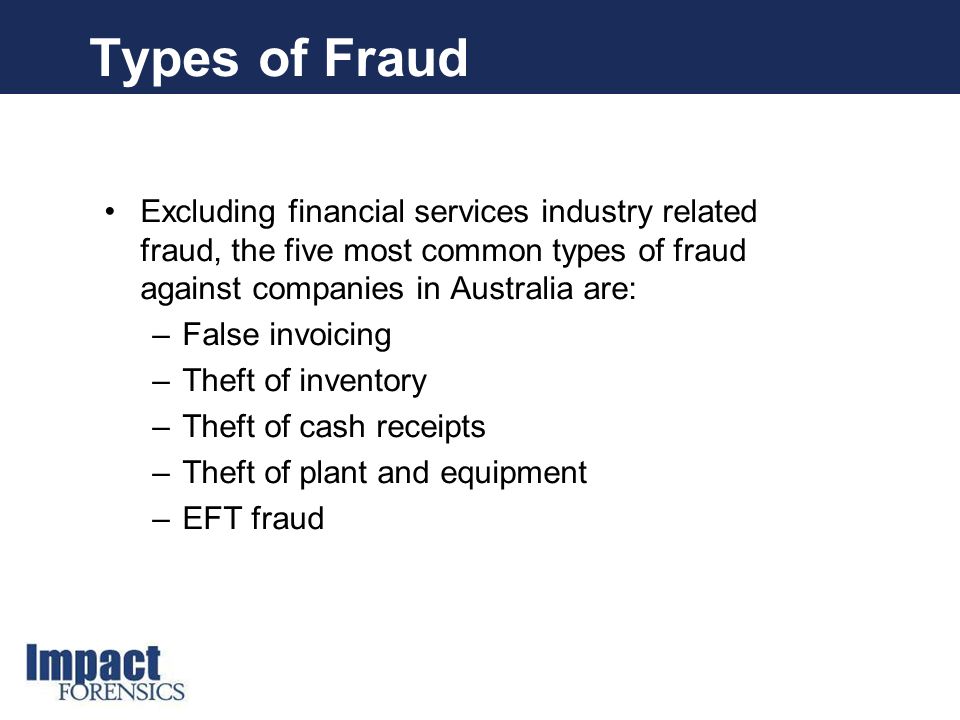
1. Identity Theft

Identity theft is a serious form of fraud that involves the unauthorized use of someone else’s personal information for fraudulent purposes. It often includes stealing sensitive data such as Social Security numbers, credit card information, or bank account details. With this stolen information, fraudsters can open new accounts, make unauthorized purchases, or commit other fraudulent activities under the victim’s name.

Identity theft can have severe consequences, leading to financial losses, damaged credit scores, and even emotional distress for the victims. To protect against identity theft, individuals should be cautious about sharing personal information, regularly monitor their financial accounts, and use strong passwords and security measures.

2. Online Scams

With the increasing popularity of online transactions and digital communication, online scams have become a major concern in Australia. These scams come in various forms, such as phishing emails, fake websites, or social media scams. Scammers often try to deceive unsuspecting individuals into providing personal information or making payments for fake products or services.

What are the most common types of fraud in Australia?

Common online scams in Australia include fake lottery winnings, romance scams, investment fraud, and fake charity schemes. It is crucial to be vigilant while interacting online, verify the authenticity of websites and businesses, and avoid sharing personal or financial details with unknown parties. Additionally, individuals should report any suspicious activities to the authorities to prevent others from falling victim to the same scams.

3. Medicare and Health Insurance Fraud

Medicare and health insurance fraud are significant concerns in Australia’s healthcare system. Fraudsters may attempt to exploit the Medicare system by submitting false claims for medical services or equipment that were not provided. They may also engage in identity theft to fraudulently obtain prescription medications or medical services under someone else’s name.

To combat Medicare and health insurance fraud, the Australian government has implemented strict regulations and monitoring systems. However, individuals should also play a role in protecting themselves by reviewing their medical bills, reporting any suspicious activities, and safeguarding their Medicare or health insurance information.

4. Investment and Financial Fraud

Investment and financial fraud involve deceptive practices aimed at misleading individuals into making poor investment decisions or providing funds under false pretenses. Scammers may promise high returns on investments, use Ponzi schemes, or manipulate stock prices to defraud unsuspecting victims.

Australians need to be cautious when approached with investment opportunities that sound too good to be true. It is essential to research and verify the legitimacy of investment companies or financial advisors, and seek advice from licensed professionals before making any financial decisions. Additionally, reporting suspicious investment activities to the Australian Securities and Investments Commission (ASIC) can help protect others from falling victim to the same fraud.

5. Credit Card Fraud

Credit card fraud involves unauthorized use of credit card information to make fraudulent purchases or withdrawals. Fraudsters may obtain credit card details through various means, such as skimming devices at ATMs or point-of-sale terminals, hacking into databases, or even physically stealing credit cards.

To prevent credit card fraud, individuals should regularly monitor their credit card statements for any suspicious transactions, notify their bank immediately if they suspect fraudulent activity, and take precautions such as using secure payment methods and keeping their credit card information confidential. Many banks and credit card companies also offer additional security measures, such as two-factor authentication or transaction alerts, which can help detect and prevent fraudulent activities.

common types of fraud in Australia

6. Tax Fraud

Tax fraud is another significant type of fraud that affects both individuals and the government in Australia. It involves individuals or businesses intentionally providing false or misleading information on their tax returns to evade taxes or claim fraudulent tax benefits. https://www.sydneyfamilycriminaldefencelawyers.com.au/fraud-charges/

Common examples of tax fraud include underreporting income, inflating deductions, hiding offshore assets, or engaging in illegal tax schemes. The Australian Taxation Office (ATO) has implemented measures to detect and combat tax fraud, including data matching and audits. It is crucial for individuals and businesses to comply with tax laws, accurately report their income and deductions, and seek professional advice to ensure tax compliance and avoid the legal consequences associated with tax fraud.

7. Insurance Fraud

Insurance fraud occurs when individuals or businesses intentionally deceive insurance companies to obtain undeserved benefits or compensation. It can involve various types of insurance, such as car insurance, home insurance, or health insurance.

Examples of insurance fraud include submitting false claims, staging accidents or property damage, or providing misleading information to obtain lower insurance premiums. Insurance companies employ investigators and data analysis techniques to identify potential fraudulent activities. Individuals should always provide accurate information when applying for insurance policies, thoroughly read and understand the terms and conditions, and report any suspected fraudulent activities to their insurance provider.

Conclusion

Fraud poses a significant threat to individuals, businesses, and the overall economy in Australia. The most common types of fraud include identity theft, online scams, Medicare and health insurance fraud, investment and financial fraud, credit card fraud, tax fraud, and insurance fraud. Understanding these types of fraud and taking preventive measures can help individuals and organizations protect themselves against fraudulent activities.

To minimize the risk of falling victim to fraud, it is important to stay vigilant, be cautious while sharing personal or financial information, regularly monitor accounts and statements, and report any suspicious activities to the appropriate authorities. Additionally, seeking professional advice, using secure online practices, and staying informed about the latest fraud trends can further enhance protection against fraud.

By raising awareness and working together, individuals, businesses, and the government can combat fraud and create a safer and more secure environment for all Australians.


Understanding the Three Types of Frauds: A Comprehensive Guide

The Significance of Fraud Awareness

Fraud is an ever-present threat that can wreak havoc on individuals, organizations, and even entire economies. Being able to recognize and understand the various types of fraud is essential for protecting oneself and preventing financial losses. In this article, we will delve into the three major categories of fraud: Identity Theft, Financial Fraud, and Corporate Fraud. What are the three types of frauds?

Identity Theft

Identity theft occurs when someone unlawfully obtains and uses another person’s personal information, such as their Social Security number, credit card details, or bank account information, to commit fraudulent activities. This type of fraud can have severe consequences for victims, including financial loss, damaged credit scores, and emotional distress.

Methods of Identity Theft:

1. Phishing Scam

Phishing scams involve fraudulent individuals or organizations posing as legitimate entities, such as banks or government agencies, to trick unsuspecting victims into providing their sensitive information. These scams often occur via email, text messages, or phone calls, where the fraudsters manipulate the victims into disclosing personal data.

2. Data Breaches

Data breaches involve unauthorized access to databases or systems containing personal information. Cybercriminals exploit vulnerabilities in security measures to steal massive amounts of data, including names, addresses, and financial details. The stolen data is then used for various fraudulent purposes, such as identity theft or selling it on the black market.

What are the three types of frauds?

3. Skimming Devices

Skimming devices are small electronic devices that criminals install on ATMs, gas pumps, or point-of-sale terminals to capture credit or debit card information when customers use these machines. The stolen card data is then used to create counterfeit cards or make unauthorized transactions.

Financial Fraud

Financial fraud involves deceptive practices carried out to gain illicit financial benefits. This type of fraud can occur in various settings, including personal finance, investment schemes, or insurance fraud.

Common Types of Financial Fraud:

1. Ponzi Schemes

Ponzi schemes are fraudulent investment schemes that promise high returns to initial investors using funds contributed by subsequent investors. The scheme collapses when there are not enough new investors to sustain the promised returns, resulting in significant financial losses for those involved.

2. Insider Trading

Insider trading refers to the illegal practice of buying or selling stocks or securities based on confidential information not yet made available to the public. Individuals with access to privileged information use it to gain an unfair advantage in the stock market, often resulting in financial harm to other investors.

3. Credit Card Fraud

Credit card fraud involves the unauthorized use of someone else’s credit card information to make fraudulent transactions. This can include both physical theft of credit cards and the fraudulent use of credit card details obtained through various means.

Other forms of financial fraud include insurance fraud, where individuals or organizations make false claims to insurance companies to receive payouts, and mortgage fraud, where false information is provided during the mortgage application process to obtain a loan under false pretenses.

Corporate Fraud

Corporate fraud refers to fraudulent activities carried out within a company or organization. These fraudulent practices can have significant financial implications for the organization and its stakeholders.

Examples of Corporate Fraud:

1. Financial Statement Fraud

Financial statement fraud involves the intentional manipulation or misrepresentation of financial information to deceive investors, creditors, or regulatory authorities. This can include inflating revenues, understating expenses, or misrepresenting the company’s financial position to create a false impression of profitability or stability.  What are the three types of frauds?

 three types of frauds

2. Embezzlement

Embezzlement occurs when individuals entrusted with managing or overseeing funds within an organization divert those funds for personal use. This can involve the misappropriation of company assets, unauthorized transfers, or the creation of fraudulent transactions to cover up the theft.

3. Bribery and Corruption

Bribery and corruption involve offering, giving, receiving, or soliciting something of value to influence the actions or decisions of individuals in positions of power. This can include bribing public officials, manipulating contracts, or engaging in illegal business practices to gain an unfair advantage. For sydney family fraud services see here.

Protecting Yourself Against Fraud

With the increasing prevalence of fraud, it is crucial to take proactive steps to protect yourself and your assets.

Here are some tips to help prevent fraud:

  • Regularly monitor your financial statements, bank accounts, and credit reports for any suspicious activity.
  • Be cautious when sharing personal information online and only provide it to trusted sources.
  • Use strong, unique passwords for your online accounts and enable two-factor authentication whenever possible.
  • Exercise caution when clicking on links or downloading attachments in emails, as they may be part of phishing scams.
  • Keep your computer and mobile devices up to date with the latest security patches and use reputable antivirus software.
  • Shred or securely dispose of any documents containing sensitive information.
  • Be skeptical of investment opportunities that promise unusually high returns and conduct thorough research before making any financial decisions.

By staying vigilant and adopting these preventive measures, you can significantly reduce the risk of falling victim to fraud.

Conclusion

Understanding the three major types of fraud—Identity Theft, Financial Fraud, and Corporate Fraud—is crucial in today’s increasingly interconnected world. By familiarizing yourself with the common methods employed by fraudsters and taking proactive steps to protect yourself, you can minimize the risk of falling prey to fraudulent activities. Stay informed, stay vigilant, and safeguard your financial well-being. What are the three types of frauds?


Who Pays for Fraud Charges? Understanding the Financial Consequences

The Costly Consequences of Fraud

Fraud charges can have significant financial implications for all parties involved. Whether you’re a victim of fraud or someone wrongfully accused, understanding who bears the financial burden is essential. This article aims to shed light on the various scenarios and potential outcomes. Who pays for fraud charge?

1. Fraudulent Activities and the Victims

When fraudulent activities occur, individuals or businesses are often left to bear the financial brunt. Fraud can result in stolen funds, unauthorized transactions, or identity theft. In such cases, victims may face direct losses and the subsequent costs of recovery and legal proceedings.

2. Reimbursement and Insurance Coverage

Depending on the circumstances, victims of fraud may seek reimbursement from financial institutions or rely on insurance coverage. Banks and credit card companies usually have fraud protection policies in place to safeguard their customers’ accounts. These policies can cover fraudulent charges and offer reimbursements for stolen funds, provided certain conditions are met.

Who pays for fraud charge?

3. Liability of Financial Institutions

Financial institutions play a crucial role in preventing and mitigating fraud. They invest in robust security measures, such as encryption and fraud detection systems, to protect their customers’ assets. However, if the bank or credit card company fails to detect fraudulent activities or neglects their duty of care, they may be held liable for the financial losses suffered by their customers.

4. False Accusations and Legal Costs

In some cases, individuals may face false accusations of fraud. This can occur due to mistaken identity, errors in financial records, or malicious intent. Defending oneself against such accusations can be financially draining, as legal fees and other related costs can quickly accumulate. In such situations, the wrongfully accused individuals are responsible for bearing these expenses unless they can prove their innocence and seek restitution.

5. Government and Law Enforcement Efforts

Governments and law enforcement agencies play a vital role in combating fraud. They invest significant resources in investigating and prosecuting fraudulent activities. When successful, these efforts may result in fines, penalties, or criminal charges against the perpetrators. However, it is important to note that the financial burden of the fraud itself is typically not directly borne by the government or law enforcement agencies.

6. Preventive Measures and Personal Responsibility

While financial institutions and authorities have a responsibility to protect individuals and businesses from fraud, it is also crucial for individuals to take preventive measures. Practicing good cybersecurity hygiene, regularly monitoring financial statements, and promptly reporting any suspicious activities can help mitigate the risk of falling victim to fraud.

7. Collaboration and Industry Initiatives

Addressing fraud requires collaborative efforts between various stakeholders. Financial institutions, technology companies, and government agencies work together to develop and implement fraud prevention measures. These initiatives aim to enhance security, share information about potential threats, and promote industry-wide best practices. To understand fraud charges read on.

pays for fraud charge

Conclusion

Fraud charges can have significant financial consequences for both victims and those wrongfully accused. While victims may seek reimbursement and insurance coverage, financial institutions can also be held liable for negligence. It is crucial for individuals to take preventive measures and collaborate with industry initiatives to minimize the risk of fraud. By understanding the financial implications of fraud charges, individuals and businesses can better protect themselves and navigate these challenging situations.

5.0
Based on 7 reviews
powered by Google
Halil Boz
09:48 09 May 23
After months of stress and anxiety, I was finally recommended to Rabia to sort some of my legal issues out. Rabia guided me throughout the whole process and got me an amazing outcome through the courts. Her proffesionilism and desire to get the best outcome for me took the worlds pressure off my shoulders. I didn't know how to return this favour so writing this review was the least I could do for not only a wonderful lawyer but an amazing human being. Please don't hesitate in reaching out to Rabia. It was the best decision I ever made. Thank You Rabia!!
Metin Salih
09:10 09 May 23
I would just like the share my experience with Rabia from Sydney Family and Criminal Defence Team. She worked very hard on my case and i ended up receiving a result I really was not expecting . She worked above and beyond my expectations and I couldn't recommend her highly enough. Thanks again Rabia for all the effort and long hours you put in to achieve what we did!
hulia boz
08:45 09 May 23
Professional and very very knowledgeable!
Wish I found them years ago.
Don’t settle for anything but the best!!
Shadia Ashrafi
07:58 09 May 23
Eda Boz
07:10 09 May 23