

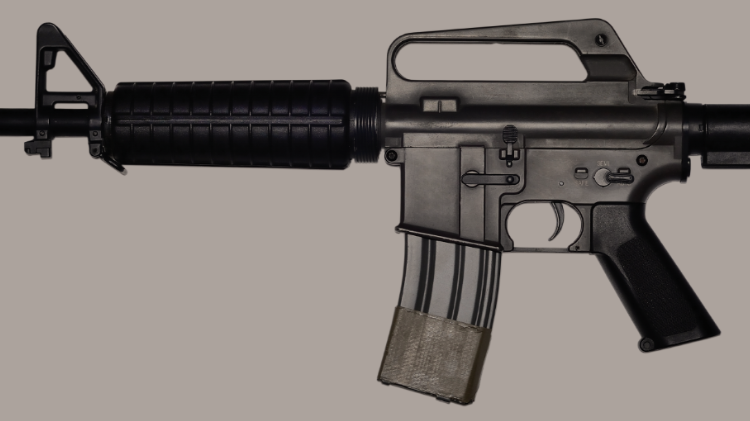
High-Profile Cases Involving Dangerous Use of Firearms in Australia
Although Australia has some of the strictest gun laws in the world, high-profile cases involving the dangerous use of firearms have still occurred and sparked national conversations about public safety, mental health, and law enforcement. These incidents have influenced policy changes and shaped public perception of gun ownership in Australia. This article explores key Australian cases, legal outcomes, and the broader implications for firearm legislation and safety culture.
The Legal Framework for Firearm Use in Australia
Following the 1996 Port Arthur massacre, Australia implemented sweeping reforms under the National Firearms Agreement (NFA). The agreement introduced strict licensing requirements, mandatory background checks, and a national gun buyback program that removed over 600,000 firearms from circulation.
Core Legal Principles
- Firearms must be registered and licensed to a legal owner.
- Self-defence is not generally considered a lawful reason for firearm ownership.
- Firearms must be stored securely, following strict safety requirements.
Despite these measures, dangerous misuse of firearms still occurs, though significantly less frequently than in many other countries. When such incidents do occur, they tend to garner substantial media coverage and scrutiny.
Case 1: The Port Arthur Massacre (1996)
Though now nearly three decades old, the Port Arthur massacre remains the most pivotal firearm-related event in Australian history. On 28 April 1996, Martin Bryant killed 35 people and injured 23 others in Tasmania using semi-automatic rifles.
Legal and Political Response
- Immediate introduction of the National Firearms Agreement (NFA)
- Ban on semi-automatic rifles and shotguns
- Nationwide firearm buyback scheme
Bryant was sentenced to 35 life terms without the possibility of parole. The case was a turning point in Australia’s gun policy and is still referenced globally as a model of rapid legislative reform following mass gun violence.
Case 2: Sydney Siege (2014)
On 15 December 2014, Man Haron Monis took 18 people hostage inside the Lindt Café in Martin Place, Sydney. He was armed with a shotgun that had been illegally acquired. The 16-hour standoff ended with the deaths of two hostages and Monis himself.
Legal and Procedural Repercussions
- Review of bail laws, as Monis was out on bail despite facing serious charges
- Examination of how Monis acquired a firearm illegally
- Public and legal scrutiny of police response tactics
Though Monis was a “lone wolf” with no formal ties to terrorist organisations, the case highlighted gaps in firearm control enforcement and monitoring of individuals on bail or facing serious charges.
Case 3: Margaret River Mass Shooting (2018)
In May 2018, a mass shooting occurred in Osmington, near Margaret River, Western Australia. Peter Miles killed his wife, daughter, and four grandchildren before taking his own life. The firearms used were legally owned and registered to Miles.
Legal and Social Implications
- Renewed calls for a national firearm registry accessible across jurisdictions
- Debates about the intersection of mental health and gun ownership
- Public questioning of how someone experiencing personal crises retained legal access to firearms
Though a murder-suicide, the scale and nature of the tragedy shocked the nation and reignited discussions around gun laws and the need for integrated national systems.
Case 4: Darwin Shooting Spree (2019)
On 4 June 2019, Benjamin Glenn Hoffmann killed four people in Darwin using a prohibited firearm during a shooting spree across multiple locations. Hoffmann was out on parole at the time of the shootings.
Findings and Legal Actions
- Hoffmann was charged with multiple counts of murder and received life imprisonment.
- An inquiry was launched into the adequacy of Northern Territory’s parole system.
- Questions arose about how he accessed a prohibited firearm while under supervision.
The Darwin shootings highlighted systemic failures in parole monitoring and illegal firearm trafficking within Australia’s borders.
Key Legal Themes in Australian Firearm Cases
Several recurring legal themes emerge from these high-profile Australian firearm incidents:
Illegal Firearm Acquisition
Despite strict laws, black market firearms remain a threat. Many high-profile cases involve weapons obtained illegally, pointing to enforcement gaps and the need for improved border and domestic control measures.
Firearm Ownership and Mental Health
Legal access to firearms by individuals suffering from severe mental health conditions remains contentious. Cases like Margaret River have intensified calls for mandatory mental health screenings and better data-sharing across states.
Failures in Supervision or Legal Systems
Both the Sydney Siege and Darwin shootings involved individuals who were out on bail or parole. These cases raise serious concerns about legal system oversight and communication between agencies responsible for public safety.
The Role of Media in Shaping Firearm Policy
Australia’s media plays a significant role in driving public sentiment and, by extension, policy reform. High-profile cases are covered extensively, often resulting in immediate calls for reviews, inquiries, and legal changes.
Benefits of Media Coverage
- Brings national attention to legal loopholes or enforcement failures
- Promotes public dialogue about mental health, gun ownership, and public safety
- Can lead to bipartisan support for reform measures
Risks and Challenges
- Over-sensationalisation may induce fear rather than informed debate
- Can contribute to stigma around mental illness or certain communities
- May overlook systemic causes in favour of personal blame
Preventive Measures and Ongoing Reforms
Australia continues to review and strengthen its firearm regulations through various means:
National Firearms Registry Proposal
There have been renewed pushes for a fully integrated, real-time national firearms registry accessible to all law enforcement agencies, aiming to close jurisdictional gaps.
Improved Mental Health Screening
Calls are growing for mandatory, recurring mental health evaluations for gun license holders, particularly those experiencing significant personal stress or who work in high-risk environments.
Community Safety Programs
Local initiatives encouraging responsible gun ownership, safe storage, and public reporting of suspicious firearm activity are gaining momentum.
Conclusion: Learning from Australia’s Firearm Incidents
High-profile firearm cases in Australia are rare but deeply impactful. They reveal the complexities of gun ownership, enforcement, and mental health in a highly regulated environment. While Australia’s legal framework is among the world’s most stringent, these cases prove that legislation must evolve continuously to address emerging risks and social dynamics.
Ultimately, Australia serves as a case study in how rapid legislative action, media scrutiny, and public advocacy can drive meaningful reform—even in the face of unimaginable tragedy. The nation’s commitment to maintaining strict firearm controls continues to play a vital role in reducing gun-related harm and ensuring community safety.